Trump secures Iran deal to surrender ‘nuclear dust’ uranium stockpile: Report
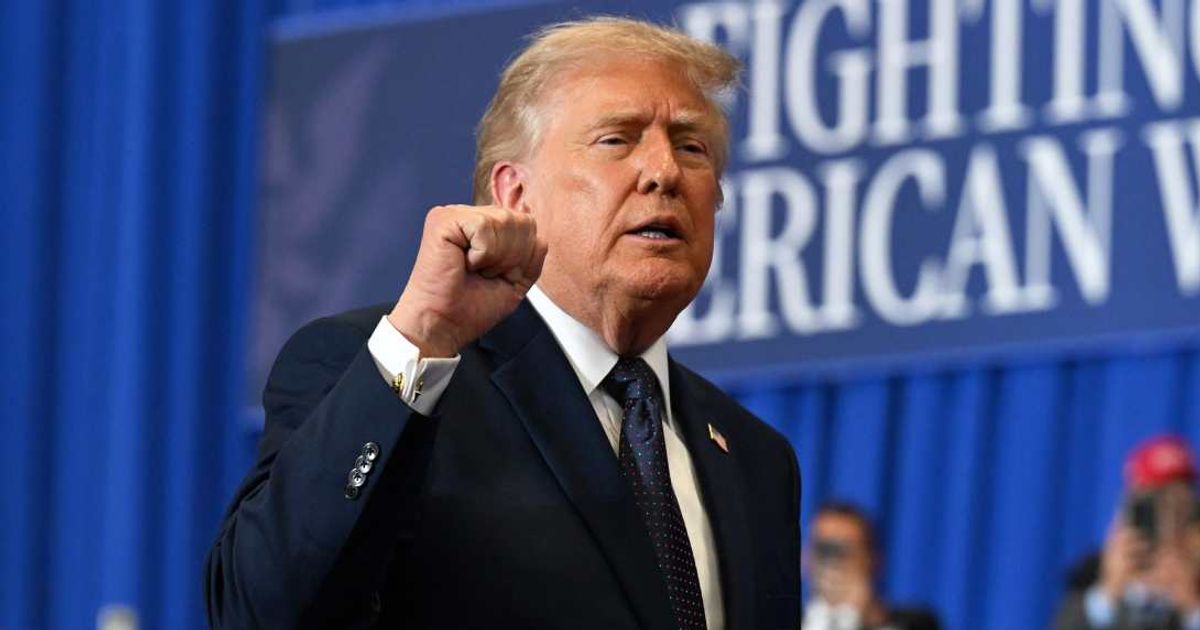
TEHRAN, IRAN: Iran has reportedly agreed to surrender its cache of enriched uranium under a developing deal with the US, signaling a major turning point in the months-long conflict.
A report from The New York Times revealed that Iranian officials signed a statement promising to give up the material, which US officials reportedly believed was sufficient to manufacture multiple nuclear weapons.
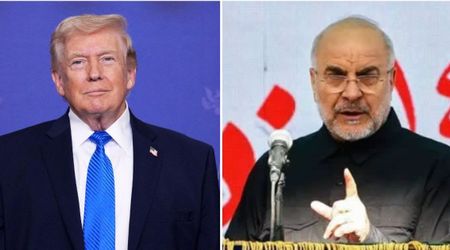
President Donald Trump has repeatedly referred to the uranium reserve as “nuclear dust” and framed dismantling Iran’s atomic capabilities as a key objective of the conflict.
The reported breakthrough also comes as both sides continue negotiations over restoring maritime trade routes and easing tensions across the region.
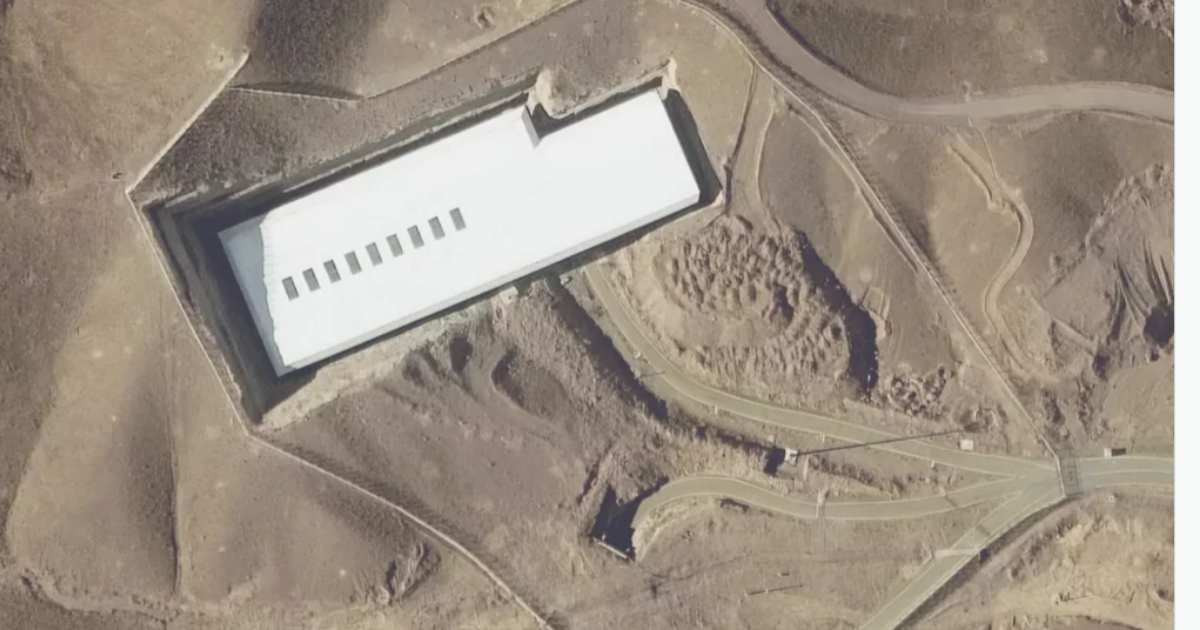
Iran agrees to surrender enriched uranium stockpile
Though Tehran accepted the transfer in principle, the specific process for moving or destroying the uranium is expected to be finalized during upcoming talks.
The reserve had emerged as one of the biggest obstacles in diplomatic negotiations, prompting Trump to warn Iran that combat operations could resume if no compromise was reached.
Trump repeatedly referred to the enriched uranium stockpile as “nuclear dust” and maintained that preventing Iran from obtaining nuclear weapons remained one of the central goals behind the standoff.
According to a source, the preliminary framework also binds Tehran to never seek nuclear arms while opening discussions on pausing uranium enrichment altogether.
The agreement reportedly marks one of the most significant developments in US-Iran tensions since hostilities escalated earlier this year, though officials are still negotiating implementation details.
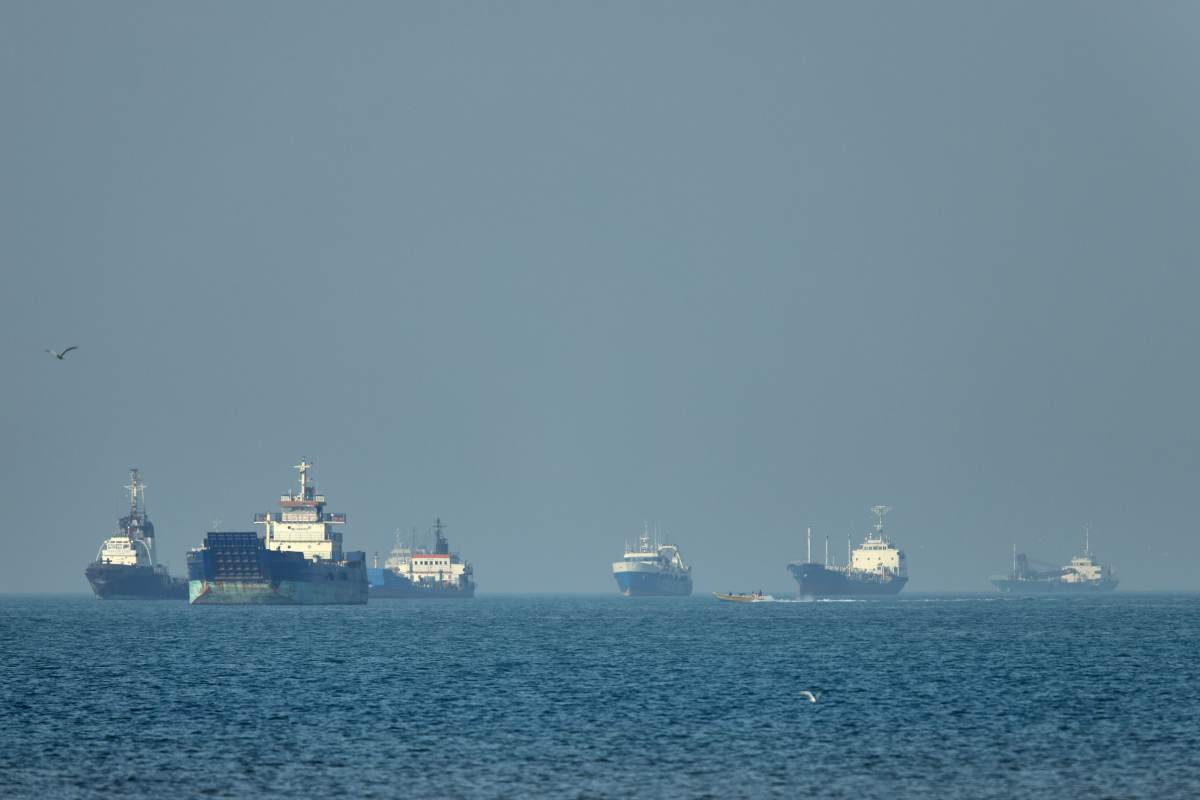
Proposed Iran truce could reopen Strait of Hormuz shipping lanes
The current roadmap is designed to roll out across three stages.
The proposal focuses on formally ending active hostilities, resolving the maritime standoff, and creating a month-long diplomatic window to negotiate a broader permanent treaty.
Additional reporting indicated that the arrangement centered on a two-month truce extension.
During that period, international shipping lanes would reopen, Tehran would regain the ability to export petroleum without restrictions, and multinational talks regarding Iran’s nuclear infrastructure would continue.
The phased timeline is intended to give both sides an opportunity to verify compliance before advancing to the next stage of the agreement.
The Strait of Hormuz became a major flashpoint during the conflict, raising concerns over disruptions to global energy markets and international trade routes.
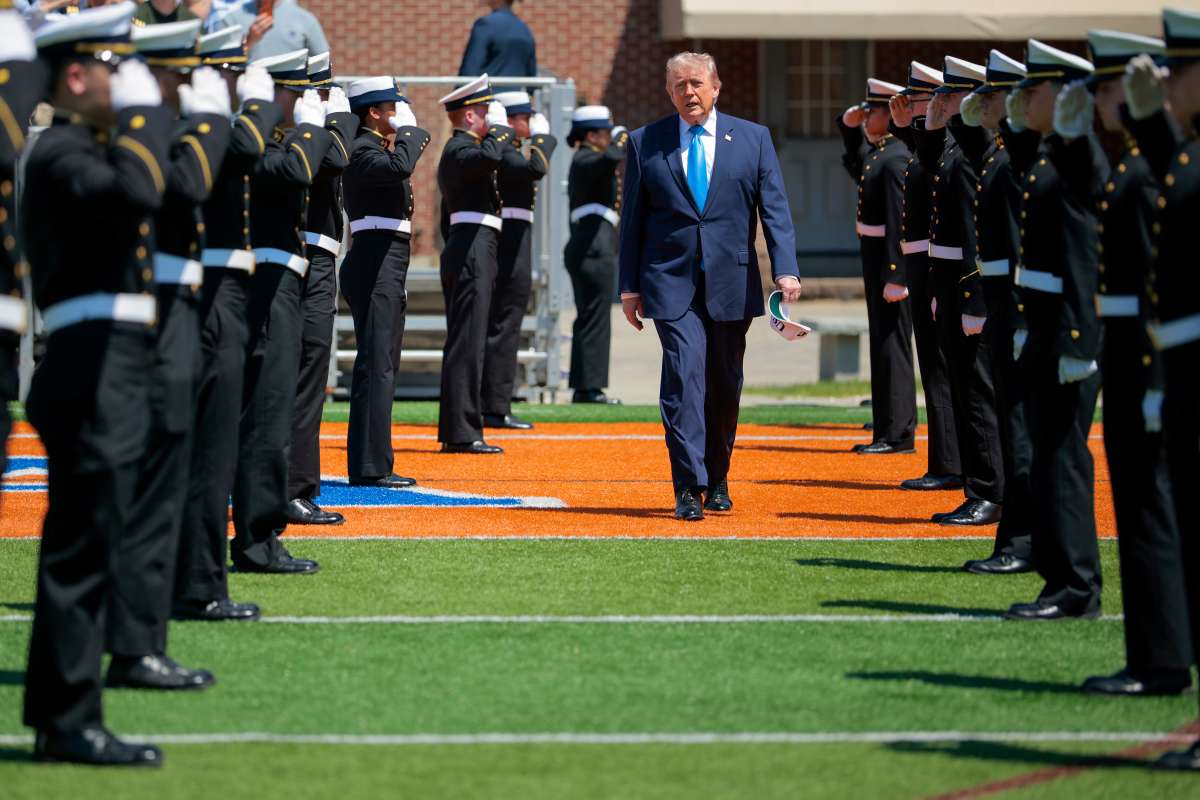
Trump touts progress as Iran questions US intentions
Meanwhile, Trump wrote on ‘Truth Social’ that a “largely negotiated” memorandum of understanding was taking shape and that final details were still under discussion.
Trump also claimed the upcoming pact would restore safe passage through the strategic waterway that had been disrupted during the fighting.
However, Iran’s Fars news agency reportedly challenged Trump’s characterization of the situation, stating that his comments regarding the shipping route were “inconsistent with reality.”
Despite growing speculation surrounding a possible breakthrough, Tehran’s leadership has continued to express skepticism over US intentions.
A source reported that Iranian Parliament Speaker Mohammad Baqer Qalibaf told Pakistan’s top general that the US was “not an honest party” and insisted that Iran would never surrender its “national rights.”
Qalibaf further warned that if the US “foolishly restarts the war,” Iran would respond with retaliation that would be far “more forceful and bitter” than previous rounds of fighting.