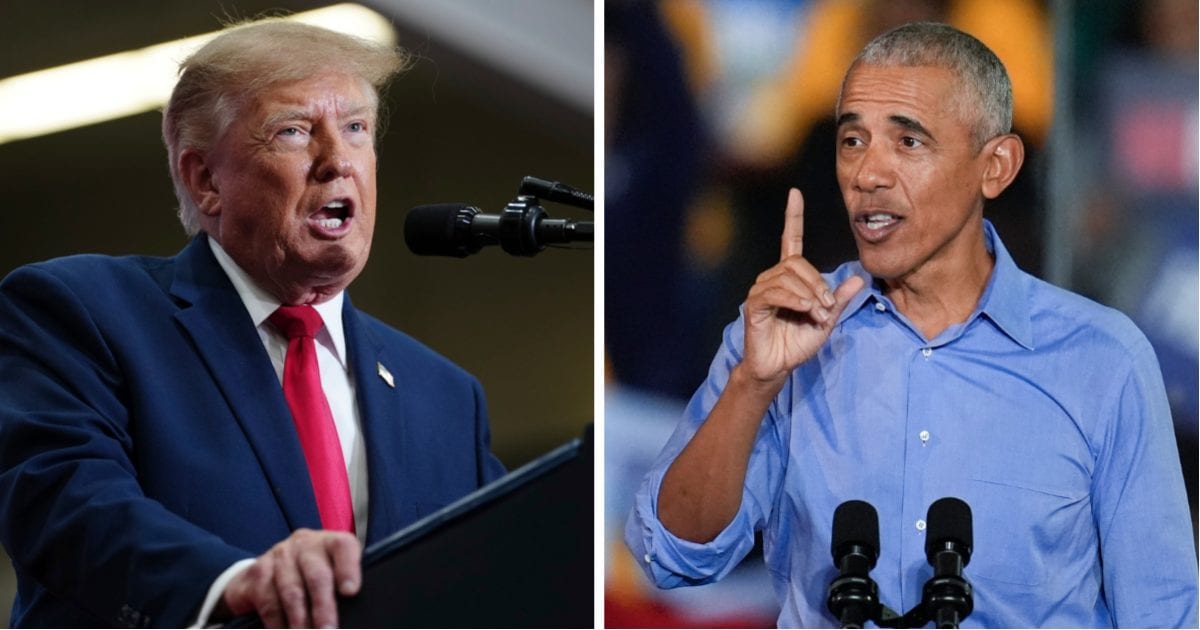
Trump administration scraps Biden's plan to cover weight-loss drugs like Ozempic on Medicare and Medicaid

WASHINGTON, DC: Just when it looked like former president Joe Biden was about to flip the script on Medicare coverage for blockbuster weight-loss medications, the Trump administration swooped in and axed the plan.
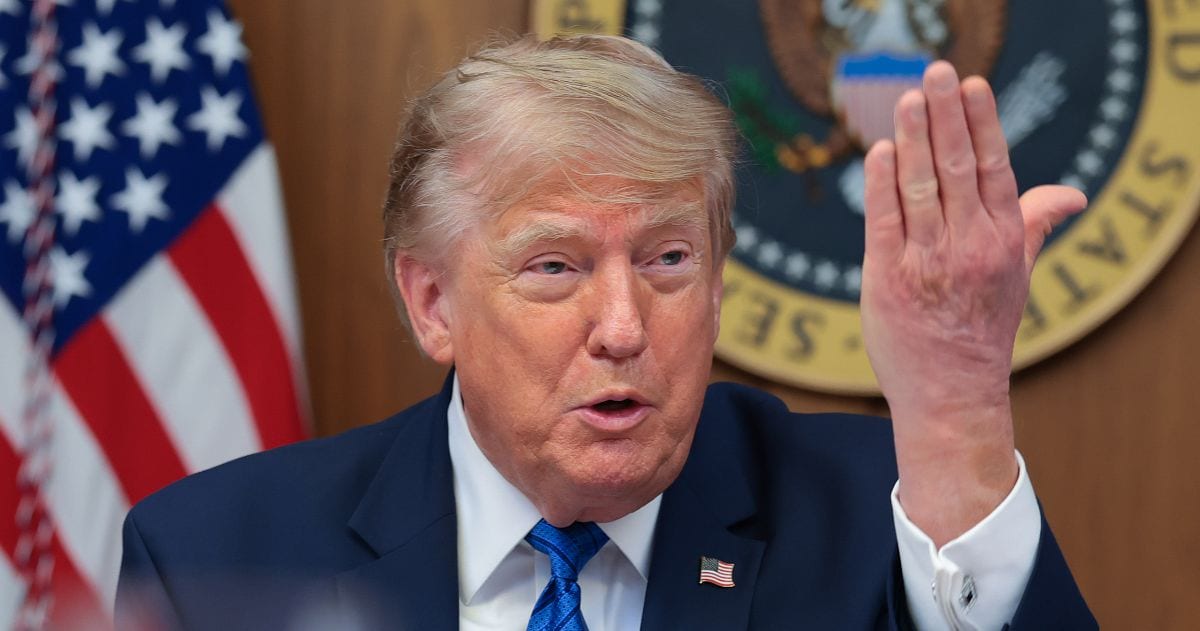
On Friday, April 4, President Donald Trump's team made it clear that they’re not buying into Biden’s billion-dollar bet on drugs like Ozempic.

Joe Biden’s billion-dollar bet on obesity drugs
Last November, the Biden administration created a bold plan to bypass a long-standing rule that forbids Medicare’s Part D from covering drugs used for "weight loss."
The idea was to open the floodgates and let millions of Americans tap into Medicare and Medicaid to get access to drugs like Ozempic and Wegovy.
The Biden camp didn’t frame this as just a diet plan. They argued these medications weren’t just about shedding pounds but about treating obesity and its many dangerous side effects— diabetes, heart problems, and sleep apnea, to name a few.

If approved, the plan would’ve added an estimated 3.4 million Americans to the list of eligible recipients. That’s a lot of new customers — and a whole lot of government money.
The price tag was an eye-popping $35 billion over the next decade, or roughly $3.5 billion a year. That kind of spending was sure to become a prime target for Elon Musk’s new watchdog agency, the Department of Government Efficiency (DOGE) — a brainchild of the Trump administration tasked with cutting "wasteful" federal spending.
Donald Trump's team drops the hammer
Donald Trump’s team essentially gutted the Biden administration’s plan on Friday as part of a sprawling 438-page regulation update that tweaks how beneficiaries get drug and private medical coverage, The New York Times reported.
But the final document gave zero explanation for why these weight-loss drugs should remain off the Medicare menu.
Instead, they offered a vague, polite brush-off.
Catherine Howden, a spokeswoman for the Centers for Medicare and Medicaid Services (CMS), kept it cryptic in an email to the outlet and said the agency believes expanding coverage just "is not appropriate at this time."
Still, she added that CMS "may consider future policy options."
Medicare and Medicaid coverage
Right now, Medicare does cover these drugs, but only in limited cases — namely, when someone has diabetes or a combo of obesity with another health issue, like sleep apnea or cardiovascular disease. Biden’s proposal would’ve tossed those conditions aside and simply offered access to the drugs with no strings attached.
Medicaid is even more of a toss-up. Since it’s run by individual states, some cover the drugs, some don’t. But if Biden’s plan had become law, Medicaid coverage would’ve been mandatory nationwide.
As for private insurers, many are still playing hardball. State employee benefit plans in places like North Carolina and West Virginia have already dumped coverage, citing skyrocketing costs amid the surge in demand.
Currently, if you’re paying out of pocket for brand-name drugs like Ozempic or Mounjaro, you’re looking at a price tag of $350 to $500 a month. And that’s already a drop from earlier this year, when prices were soaring over $1,300 per month.
So when the brand-name meds were in short supply, a whole underground market popped up using a drug-ingredient mixing process called compounding. These bootleg versions were going for under $200 a month. However, regulators are starting to crack down now that supply issues are easing and the cheap versions are being phased out.
RFK Jr isn’t impressed despite GOP interest
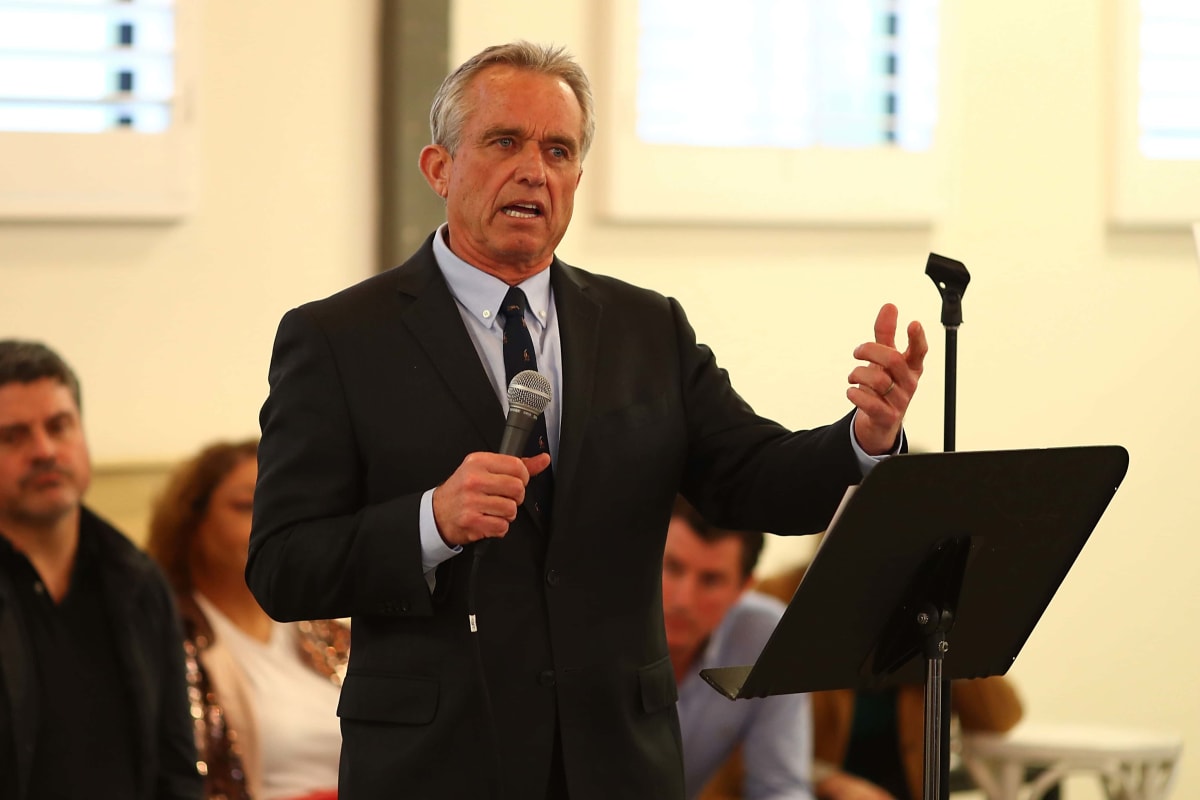
Robert F Kennedy Jr, the Secretary of Health and Human Services, has made no secret of his disdain for Ozempic and similar drugs. He has called the drugs inferior to healthy eating.
Some Republican lawmakers have shown interest in forcing Medicare to cover the drugs, but it’s barely a blip on their radar.
The idea was buried in a list of policy options from the House Budget Committee earlier this year, but nothing’s been pushed aggressively.