Bernie Sanders warns Trump-backed SAVE Act could block 'millions' from voting
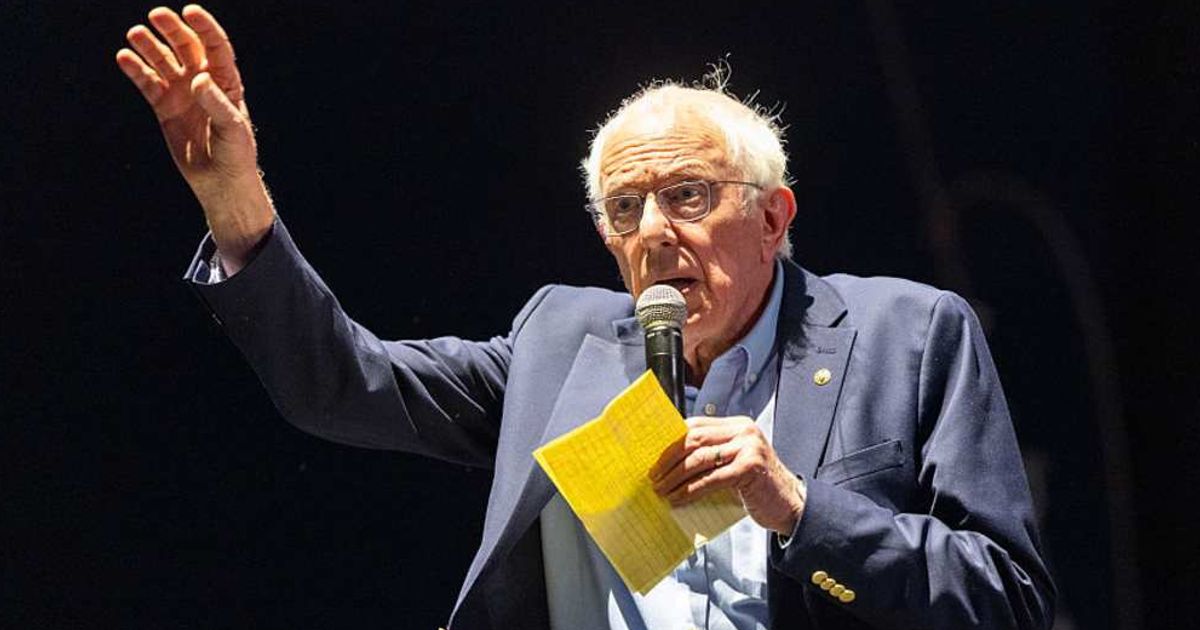
WASHINGTON, DC: Sen Bernie Sanders is venting his frustration with the controversial SAVE Act.
In a post on X, the Vermont independent took aim at the Trump-backed Safeguard American Voter Eligibility Act (better known as the SAVE Act), warning it could “disenfranchise tens of millions” of Americans if it becomes law.
Backlash against voting bill
At its core, the SAVE Act would require Americans to provide documentary proof of citizenship (like a passport or birth certificate) in person when registering to vote or updating their registration.
Supporters, including allies of President Donald Trump, say it’s about election integrity and ensuring only citizens vote. Critics such as Sanders and other Democrats say it’s a solution in search of a problem and one that could slam the brakes on millions of legitimate voters.
The numbers being tossed around are eye-popping. According to research cited by voting rights groups, more than 21 million Americans don’t have ready access to proof of citizenship documents.
In his social media rant, Sanders argued the bill would “disenfranchise tens of millions."
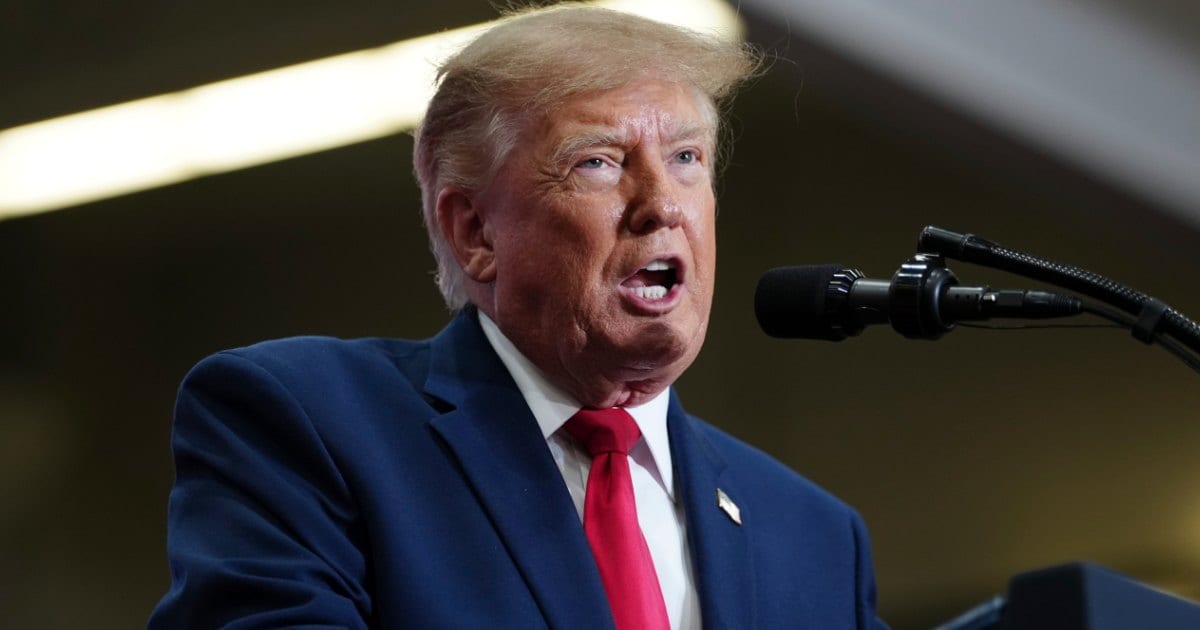
"Trump and his friends are in political trouble. Their response? Make it harder for you to vote and disenfranchise tens of millions of Americans," he wrote. "Trump said it out loud: If they pass the SAVE Act, Republicans will 'never lose a race for 50 years.' Vote NO."
Trump and his friends are in political trouble.
— Sen. Bernie Sanders (@SenSanders) March 17, 2026
Their response?
Make it harder for you to vote and disenfranchise tens of millions of Americans.
Trump said it out loud: If they pass the SAVE Act, Republicans will "never lose a race for 50 years.”
Vote NO.
He’s not alone in that assessment. Wendy Weiser of the Brennan Center for Justice told Glamour, “This legislation is being promoted as an election integrity bill, but it’s actually voter suppression.” She added that it could “destroy the most popular methods of registering to vote.”

Who gets hit the hardest?
Critics say the burden wouldn’t fall evenly.
Married women, for instance, could face unique hurdles if their current legal name doesn’t match the one on their birth certificate. Research suggests that roughly 79% of married women take their spouse’s last name, a mismatch that could complicate registration under the bill’s requirements, per Glamour.
Young voters, low-income Americans, and people of color are also expected to be disproportionately affected. This is because they’re less likely to have passports or easy access to official documentation.
Even geography could play a role. Some analyses suggest that voters in remote states might have to travel long distances just to present documents in person. That is hardly a convenience in a country where online and mail-in registration have become standard.
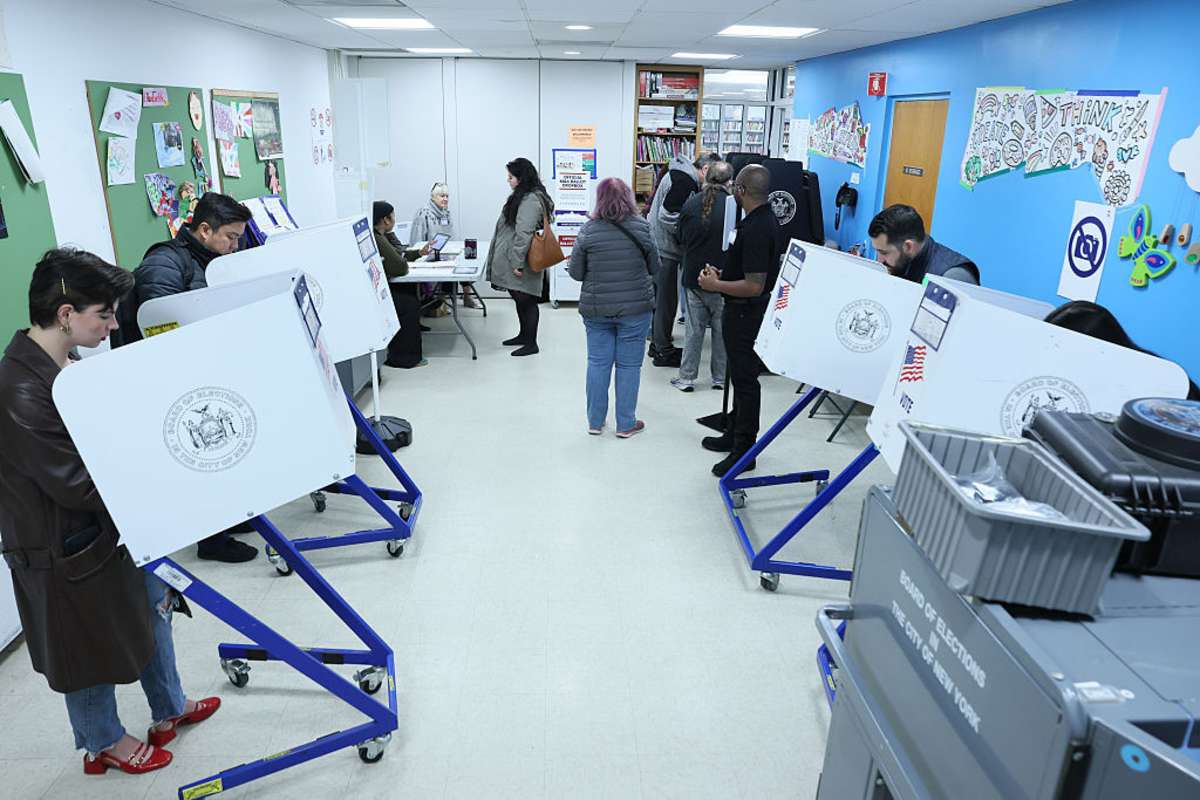
Some experts warn that the bill would effectively eliminate online registration, mail-in registration drives, and even routine updates done at the DMV.
“It would keep out many more eligible voters and cause chaos for election administration,” Weiser insisted.
GOP says critics are overreacting
Republicans backing the bill aren’t budging. They argue that requiring proof of citizenship is a commonsense safeguard, even if instances of noncitizen voting are considered rare.
Introduced by Rep Chip Roy, the legislation also includes provisions directing states to create processes for voters whose documents don’t match, like those who’ve changed their names. Supporters insist that means no one is being outright barred from voting.
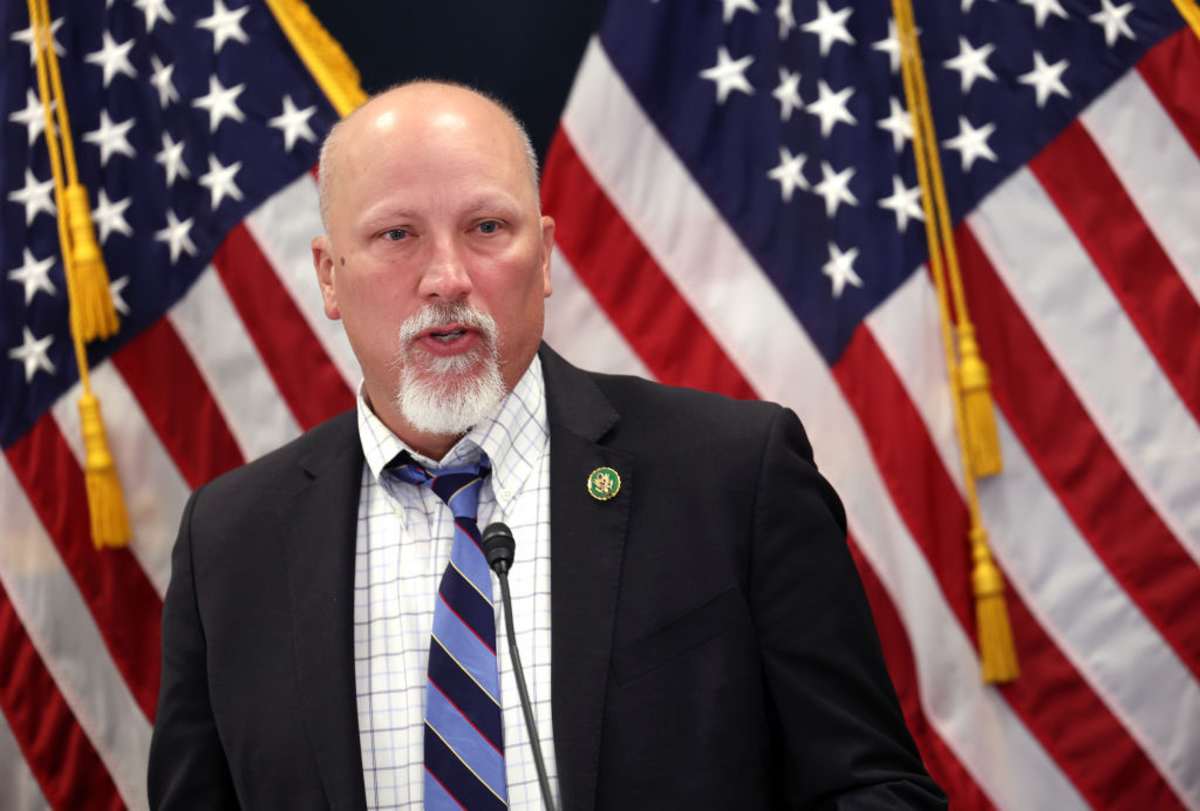
But critics counter that “harder” can quickly become “impossible” for millions navigating bureaucratic hoops, especially when election officials face potential penalties for registering voters without airtight documentation.
The SAVE Act has been passed by the House multiple times and has now moved to the Senate, where it faces an uncertain future.
BREAKING: Senate votes 51–48 to open debate on the Trump-backed SAVE Act. Senators Murkowski and Tillis join Democrats in voting NO.
— Republicans against Trump (@RpsAgainstTrump) March 17, 2026
Unlikely to pass. It needs 60 votes to advance in the Senate. pic.twitter.com/4OpkdREaZC
Even with Republican backing, it may need 60 votes to overcome a filibuster. That is a high bar in a sharply divided chamber.