El-Sayed’s Israel stance pushes Jewish Democrats toward GOP, but he still wins their votes
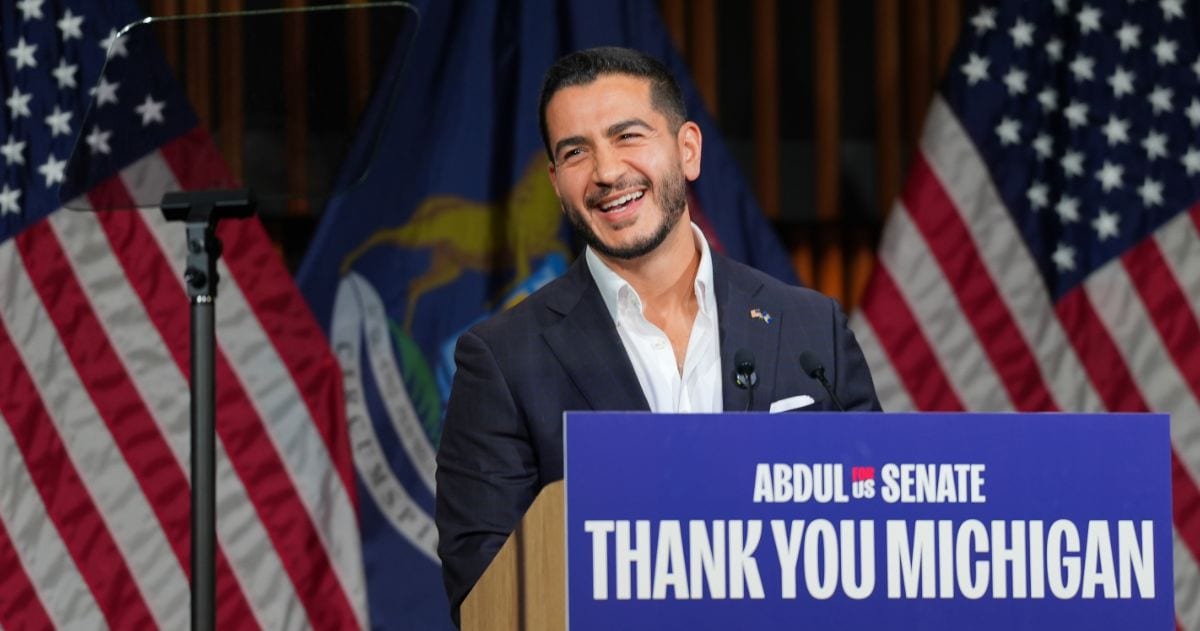
WASHINGTON, DC: Michigan's new senator, Abdul El-Sayed, struggled to win over Jewish voters compared with other Democrats in the 2026 midterms. His position on Israel and controversial comments following a synagogue attack put him at odds with many in the community. Still, more than half of Jewish voters supported him, according to a report by POLITICO.
In Michigan's predominantly Jewish neighborhoods, El-Sayed lagged further behind Democratic Governor-elect Jocelyn Benson than he did statewide. About a quarter of Jewish voters who supported Democrats in 2024 switched sides in this race, backing Republican Mike Rogers instead. Despite these defections, El-Sayed won the Senate seat with 52.5% of the vote. Benson, by comparison, secured 54.5% in her statewide race.
El-Sayed faced backlash over Israel stance and synagogue attack remarks
El-Sayed didn't shy away from acknowledging that his position on Israel put him at odds with many Jewish voters.
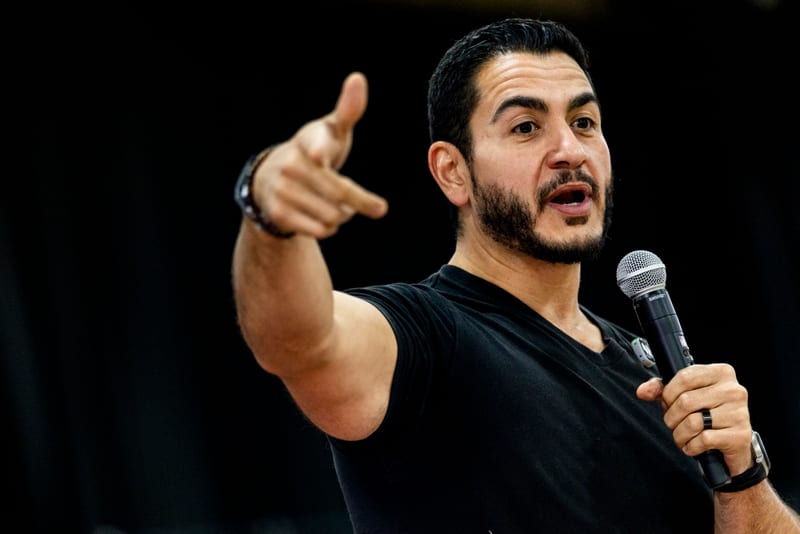
"One of the big issues of disagreement that kept showing up when it came to the Jewish community was my position on Israel," he told POLITICO.
His response to an attack on the Temple Israel synagogue preschool in West Bloomfield also sparked backlash, not just from Jewish community leaders but from members of the Jewish caucus in his own party.
After the attempted attack in March, El-Sayed wrote, "hurt people hurt people," and pointed out that the attacker had lost family members in an Israeli airstrike on Lebanon. Many in the community found his comments offensive, accusing him of deflecting blame from the victims and showing insensitivity in the aftermath of the attack.
El-Sayed said he was sorry in August, explaining that he just wanted to offer some context with his comments.
The impact was particularly visible in areas with larger Jewish communities. In Huntington Woods, a Detroit suburb where about 67% of residents are Jewish, El-Sayed received 65.3% of the vote, while Benson secured 80%.
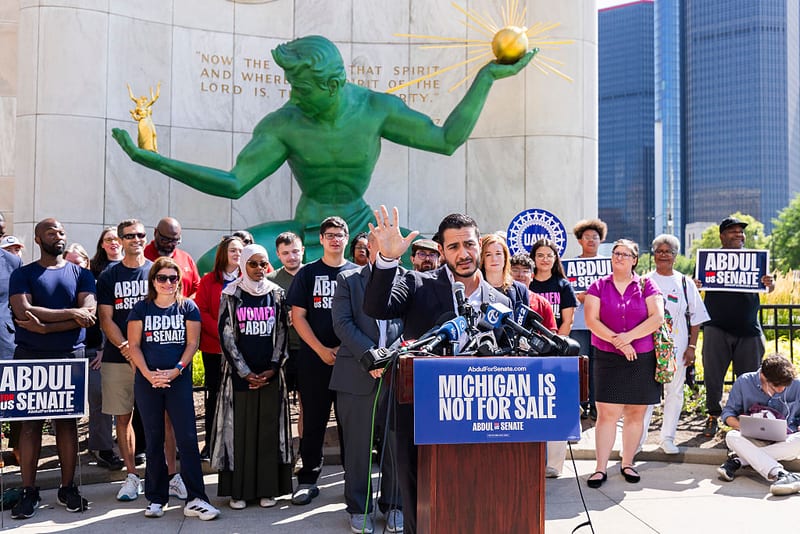
In West Bloomfield, where about 25% of the population is Jewish and the synagogue attack took place, Benson also led El-Sayed by nearly nine percentage points.
El-Sayed hopes to regain support from Jewish voters
Despite the disagreements, El-Sayed said he hoped to earn the support of Jewish voters who did not back him in the election. However, he made clear that he did not intend to change his position on Israel.
"I'm not going to change my position, but …I intend to lead on all the issues that we agree on - whether it's the right to a union or the right to health care, clean air, clean water, or religious pluralism, and respect for the Constitution - and I hope that over time I can earn [their] support on those issues."
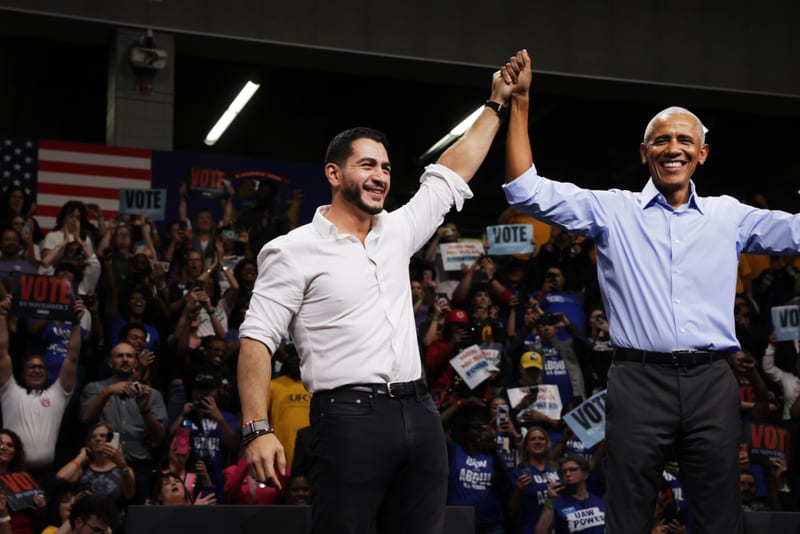
"With me, what you see is what you get. And I've never once gone and told somebody that I was anything but what I am," the newly elected senator said. "We're going to disagree. I'm going to be honest, specific and direct. And over time, I hope that I can earn support for leading on the issues on which I hope to lead and [by] serving everybody."
Jewish voters make up approximately 1.4% of Michigan's population and typically show substantial support for Democrats. However, disagreements over support for Israel and concerns about rising antisemitism have created divisions within the community.