Eric Trump slams CNN over report tying president to Nepal disaster: 'Most idiotic' story ever
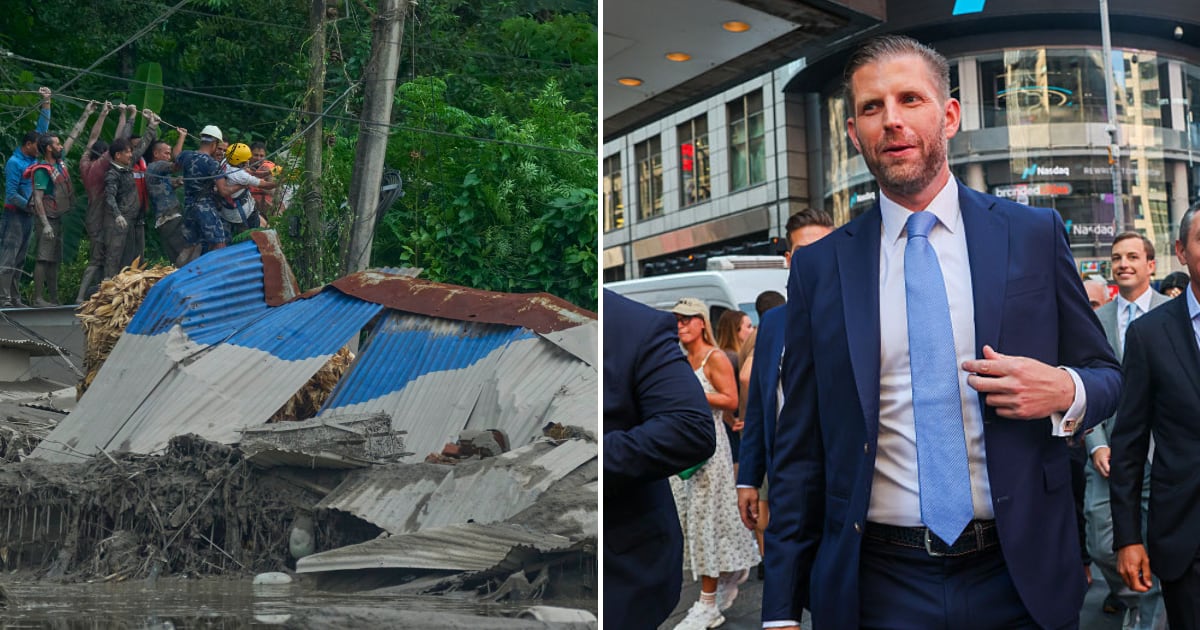
WASHINGTON, DC: Eric Trump has sharply criticized CNN after the network published a report on Wednesday, September 2, examining whether a Trump administration decision to end funding for a Nepal-based natural hazards initiative had implications for the deadly Himalayan disaster.
Calling the report “one of the most idiotic stories ever authored,” Trump questioned why the US should be held responsible for a glacier-related catastrophe thousands of miles away.
His remarks came as CNN clarified and updated its story.
This must be one of the most idiotic stories ever authored. Trump is to blame for a glacier collapse on the other side of the earth? American taxpayers are responsible for funding “landslide monitoring” in Nepal?@CNN is a total… https://t.co/1emQAv07GJ
— Eric Trump (@EricTrump) September 3, 2026
Eric Trump challenges CNN's Nepal coverage
In a strongly worded response, Eric Trump rejected the premise of CNN’s report and accused the network of drawing an unreasonable connection between the Trump administration and the disaster.
“This must be one of the most idiotic stories ever authored,” Trump wrote.
He then questioned whether President Donald Trump could reasonably be blamed for a glacier collapse occurring “on the other side of the earth.”
Trump also challenged the issue of American foreign-aid spending, asking whether US taxpayers should have been responsible for financing landslide monitoring in Nepal.
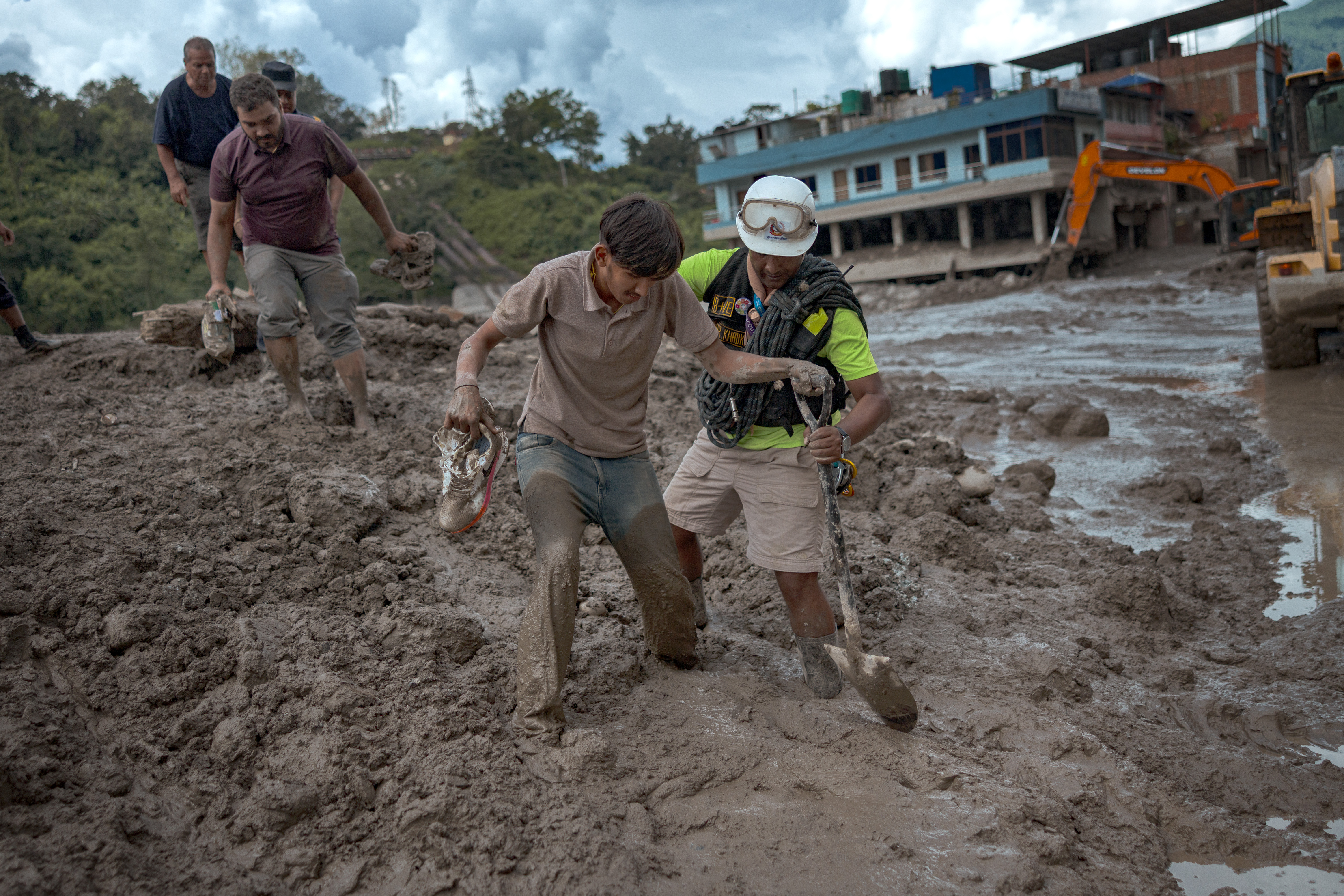
He concluded his criticism by describing CNN as “a total joke.”
His response came after CNN reported that funding for Project SERVIR-Hindu Kush Himalaya had been stopped in January 2025.
The initiative involved efforts to use satellite and other scientific data to better understand hazards including landslides, glaciers, and flooding.
This outrageous, slanderous tweet is as bad faith as they come and ignores key information we provided in advance. CNN should be ashamed.
— Tommy Pigott (@statedeptspox) September 3, 2026
SERVIR-HKH was not built to generate real-time flood warnings. The program was never an end-to-end flood early warning system; it provided…
Tommy Pigott blasts CNN
Spokesman for the Department of State Tommy Pigott also criticized CNN’s characterization of the program, arguing that important details had been overlooked.
Pigott said SERVIR-HKH “was not built to generate real-time flood warnings” and was never an end-to-end flood early-warning system.
According to him, its work included satellite-based mapping of potentially dangerous glacial lakes and maintaining glacier inventories.
Further, The United States supports Nepal's flood warning capacity through two global operational programs:
— Tommy Pigott (@statedeptspox) September 3, 2026
A grant to World Meteorological Organization (WMO) that funds the Flash Flood Guidance System with Global Coverage (FFGS/WGC) and Early Warning Systems Flood (EWS-F)…
He added that several core tools and services associated with the initiative continue through the International Center for Integrated Mountain Development, or ICIMOD.
Pigott further pointed to other forms of US support for Nepal, including programs involving the World Meteorological Organization and the National Oceanic and Atmospheric Administration.
Those efforts, he said, support flood-warning capabilities, disaster-response training, mapping, and the use of forecast information.
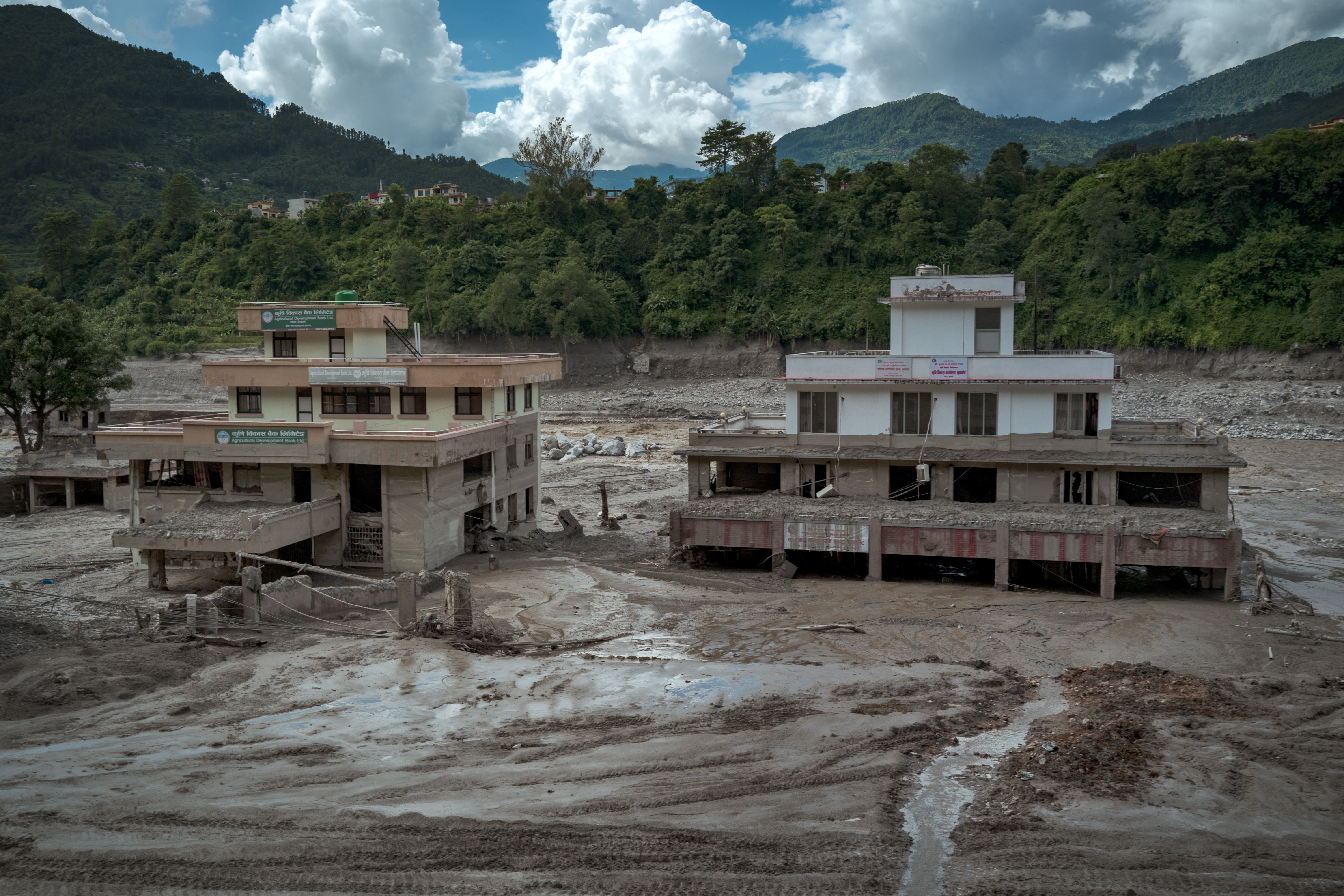
CNN's Nepal flood report stokes row
The controversy stems from a decision by the Trump administration to reduce and restructure US foreign assistance after Trump returned to office.
CNN reported that Project SERVIR-HKH had been operating in the region for years and that some of its work was disrupted after funding was halted.
Notably, the report acknowledged that the program itself likely could not have issued a warning for the specific glacier collapse that preceded the August disaster.
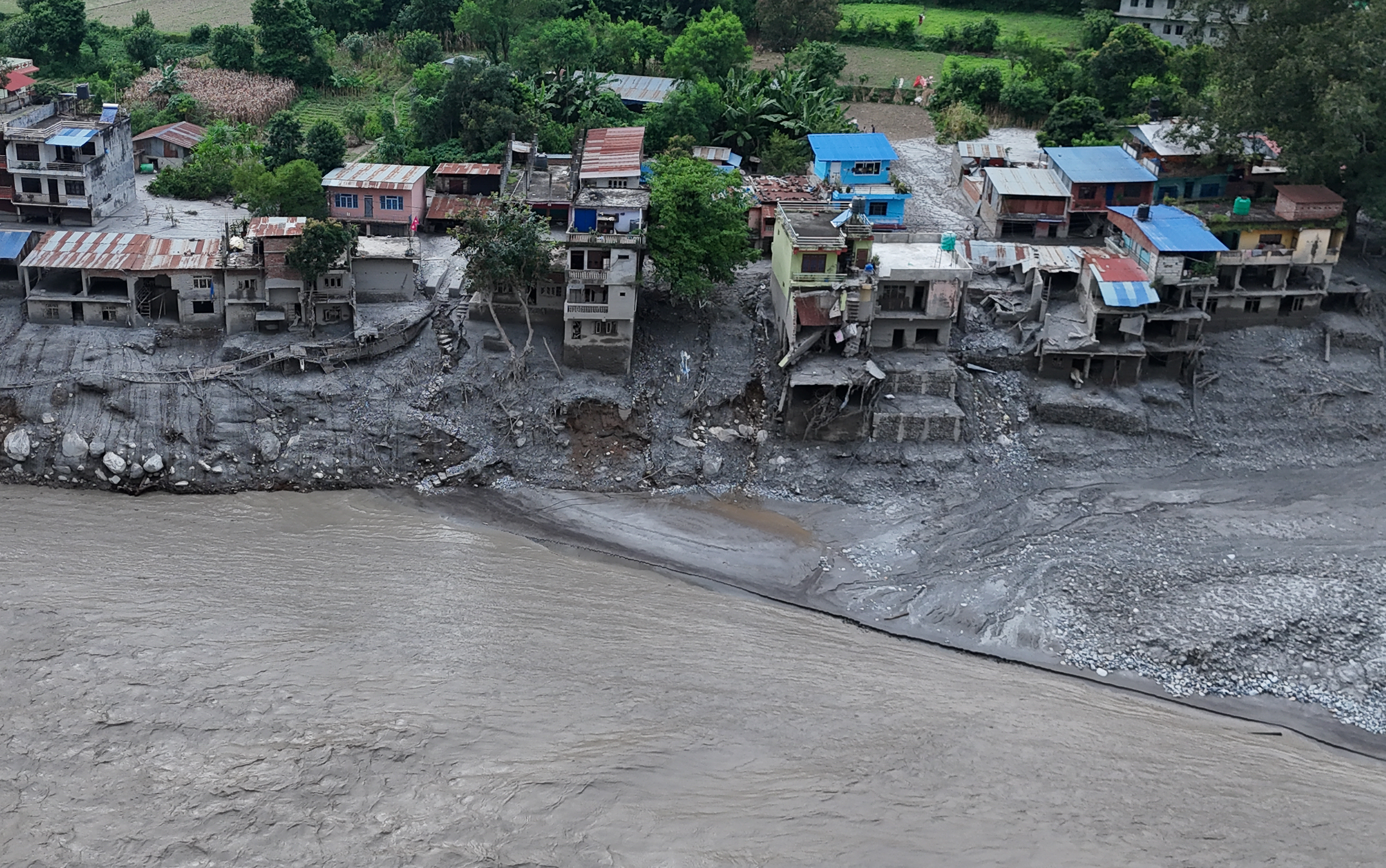
Scientists quoted in the coverage have argued that continued investment in monitoring glaciers, landslide-prone areas, and river systems remains important as Himalayan communities face increasing exposure to climate-related and geological hazards.
CNN, so far, has not responded to Eric Trump's remarks on the report.