Fact Check: Are entrepreneurs with Down syndrome seen in viral videos real?
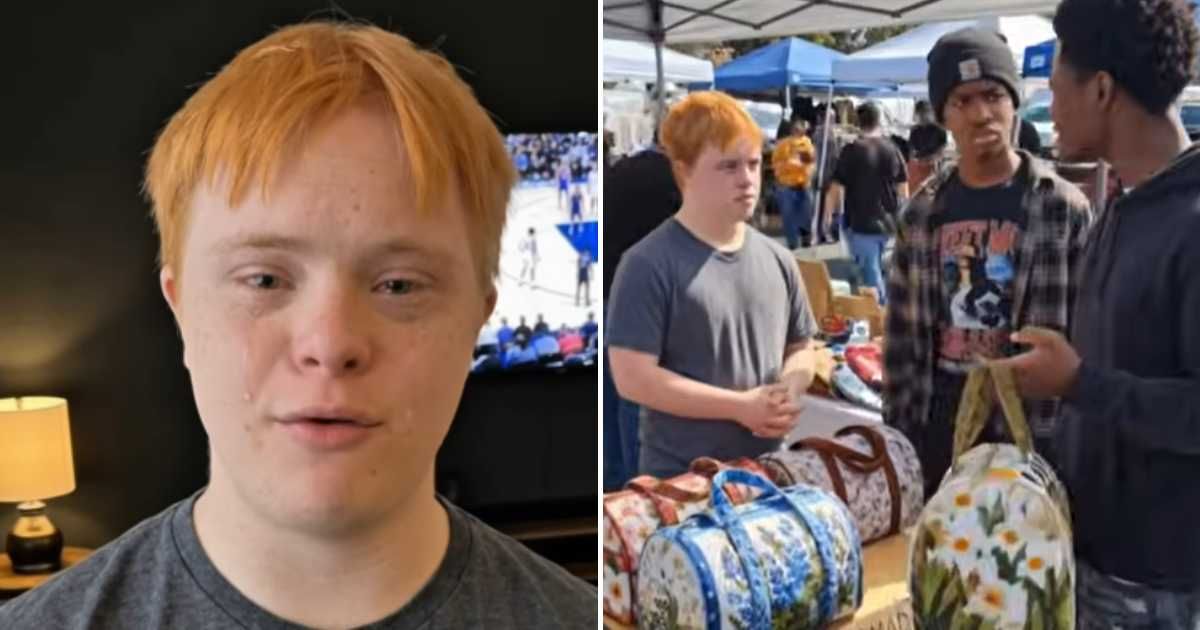
WASHINGTON, DC: Several viral videos showing people with Down syndrome asking viewers to buy products from their small businesses are going viral. Many of these clips portray emotional stories of entrepreneurs overcoming challenges, drawing praise and sympathy from online audiences.
As the videos continue to spread and generate engagement, questions have emerged about who is behind the accounts and whether the stories being shared are authentic. Let's fact-check them.
Claim: People with Down syndrome are sharing emotional stories to sell their products
The videos, which have been widely shared on TikTok, YouTube, and Instagram, often show people with Down syndrome or their family members claiming they face bullying while trying to sell handmade products.
Some clips depict vendors at farmers' markets or roadside stands being harassed by passersby who insult them or throw food at them.
These emotional stories, which frequently feature the sale of items such as bags, lamps, and crafts, have attracted millions of views across social media platforms.
Nathan Rowe, program director at Down Syndrome International, told AFP that the videos reinforce the stereotype that people with Down syndrome should be viewed with pity.
He said the content appears designed to appeal to viewers' sympathy and may take advantage of people who hold overly paternalistic views about individuals with Down syndrome.
Fact Check: Most of the videos are likely AI-generated
AFP has analyzed the videos using the Hive Moderation AI-detection tool and found signs that the people with Down syndrome shown in the clips were likely generated using artificial intelligence. Investigators also noticed that several videos reused the same backgrounds. For example, different characters appeared in separate videos with identical flags, shelves, and other surroundings.
Reports found additional signs that the content may not be authentic. Reverse image searches showed that some product footage appeared to have been taken from real creators and legitimate online stores. In some cases, clips featuring berry bowls matched videos from actual pottery makers selling the same products.
Several linked stores also appeared to use content copied from other websites. For example, a crochet bag promoted in multiple videos was also listed for sale on Shein, while some resin lamps resembled products sold by independent Etsy sellers.
Rowe of Down Syndrome International said the videos could harm genuine entrepreneurs with Down syndrome by drawing attention and potential sales away from their businesses. He added that many talented people with Down syndrome create and sell their own products, but the spread of AI-generated content may reinforce the false perception that they are unable to do so on their own.