Fact Check: Did Ghislaine Maxwell's father invent the paywall model for research papers?
WASHINGTON, DC: Researchers and scientists have long published their work in scientific journals to expand public knowledge. Traditionally, publishers have sourced, peer-reviewed, and released scientific articles, while universities, libraries, and research institutions paid for access, a model that persisted well into the 21st century.
But a viral claim in 2025 has stirred up controversy. Social media users are claiming that Ghislaine Maxwell’s father Robert Maxwell helped create the paywall system that keeps many research papers locked behind subscriptions.
One X (formerly Twitter) user wrote in August 2025, “I looked into this and it was literally Ghislaine Maxwell's father who invented the paywall model for research papers. You've got to be kidding me." So, let's check if there's any truth to the claim.
I looked into this and it was literally Ghislaine Maxwell's father who invented the paywall model for research papers.
— Noah Ryan (@NoahRyanCo) August 14, 2025
You've got to be kidding me. https://t.co/qukCq6x0uw
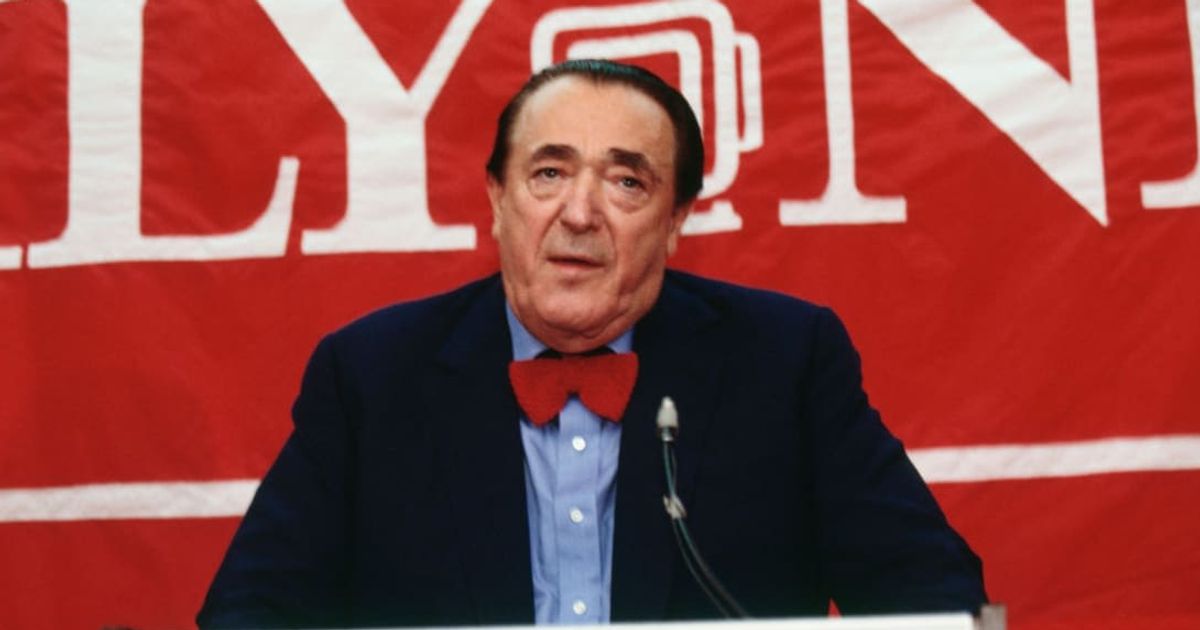
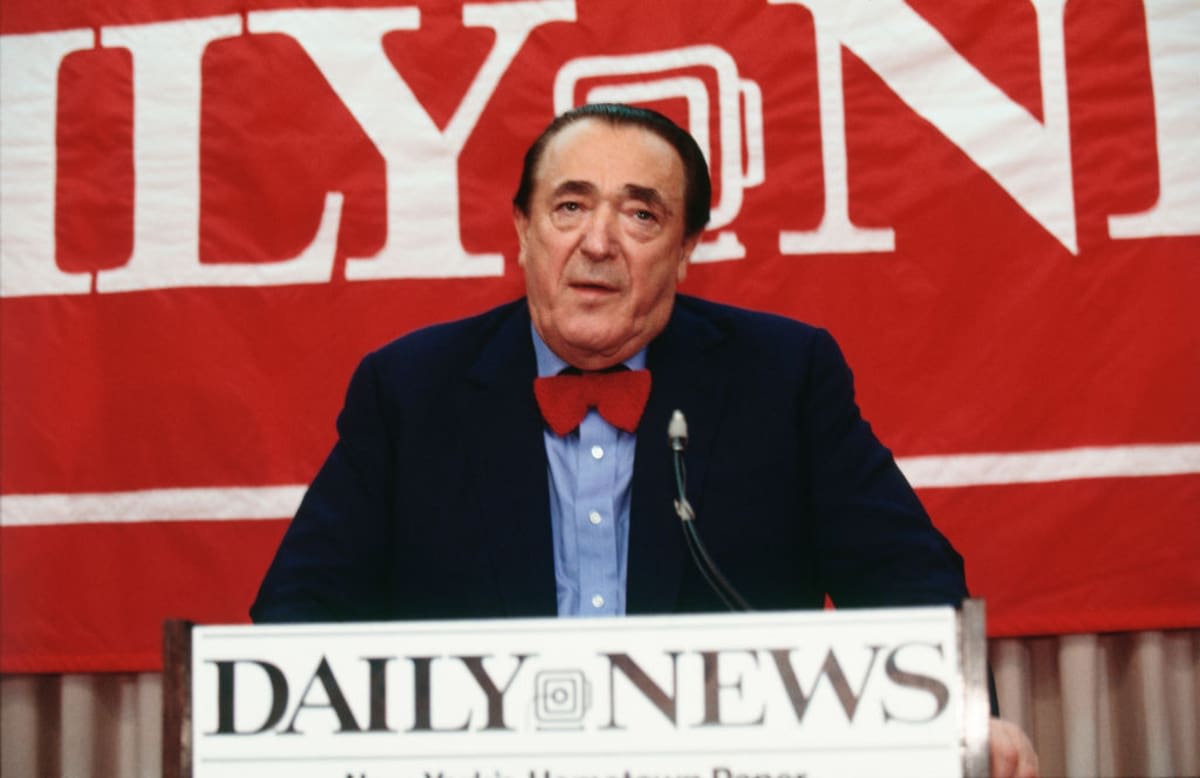
Who was Robert Maxwell?
Robert Maxwell built a major publishing empire and was best known for running the Mirror Group Newspapers.
After World War II, he created Pergamon Press, a company that published large numbers of scientific journals and sold access to universities, libraries, and professional groups.
Robert expanded Pergamon Press and helped grow the scientific publishing industry. He eventually sold the company for $768 million in 1991.
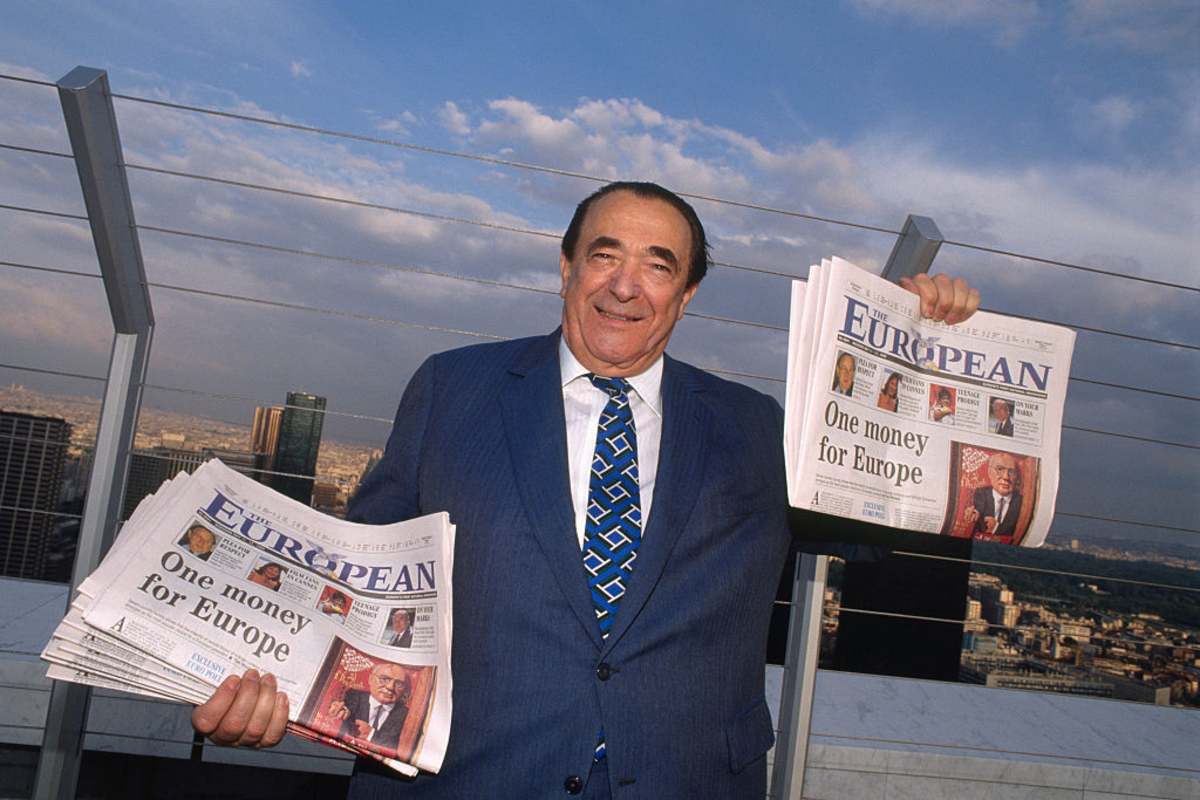
After World War II, Robert entered the scientific publishing industry at an important time. According to Joe Haines’ biography 'Maxwell', written with help from his wife Betty, he first worked for Springer.
The company, trying to get back on its feet after the war, needed Robert's military connections to get printing permissions and transport paper and supplies from East Berlin and Austria.
Having served as a British army officer during the war, Robert solved these challenges, helping Springer distribute scientific journals worldwide.
He also sold valuable back issues through the European Periodicals, Publicity and Advertising Corporation (EPPAC), which he founded in London in 1947.
Robert Maxwell’s post-World War II opportunities
From 1948 to 1958, Robert Maxwell distributed Springer’s scientific publications through various London-based companies, generating over 20 million Deutschmarks in revenue, about $45 million in 2025.
After gaining experience, Robert got his chance to run his own company when Butterworths, a leading British scientific publisher, sold him its shares in 1951 after ending its partnership with Springer. Robert renamed the company Pergamon Press and traveled internationally to acquire new journal titles.
He continued buying publication rights and selling them to libraries, eventually selling Pergamon to Elsevier in 1990. Pergamon remained an imprint of Elsevier as of November 2025.
Brian Cox, who worked at Pergamon for 31 years, wrote that the company published over 7,000 monographs and reference works and launched 700 journals, 418 of which were still active when the company was sold. Cox described a subscription system with different prices and durations, where libraries paid directly to Pergamon.
Robert Maxwell did not invent the paywall system for research papers
Robert Maxwell greatly increased the profitability of scientific publishing after World War II, but he did not invent a paywall system.
Before the war, publishers like Springer already produced scientific journals and charged fees for access, though they rarely aimed to make large profits. Robert expanded this model, focusing on revenue and turning scientific publishing into a lucrative business. Research was never completely free, even before Robert's time.
In recent years, the scientific community has tried to move away from subscription-based models that pass costs to libraries, universities, or individual readers.
Critics note that in this system, readers often pay for research funded by public grants and taxpayer money.