Fact Check: Does Iran have full control of the Strait of Hormuz?
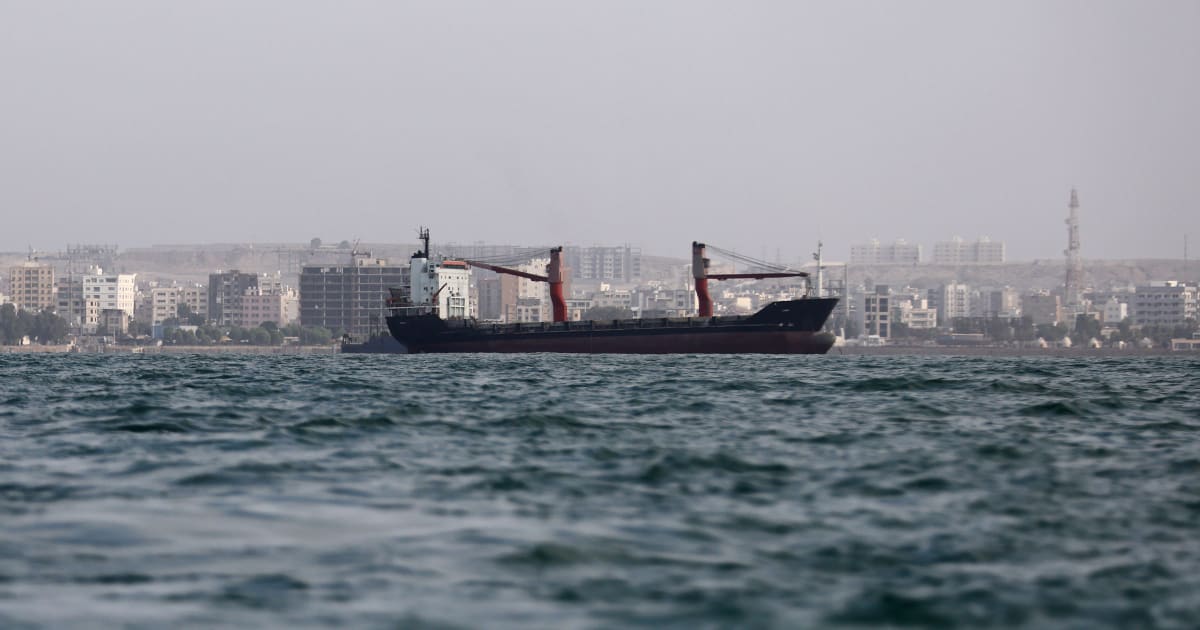
TEHRAN, IRAN: A viral report claims that Iran has full control of the Strait of Hormuz through its navy. The claim drew global attention, as the strategic waterway remains a major flashpoint in the ongoing US-Iran conflict.
Competing claims about control of the strait could affect global energy markets, oil prices, shipping, and diplomatic efforts. But does Iran actually have full control over the Strait of Hormuz? Let’s fact-check the claim.
Claim: Senior IRGC commander says Iran has full control of Strait of Hormuz
🔥Iran. Rear Admiral Sayyari, Deputy Coordinator of the Army: The Persian Gulf and the Strait of Hormuz are under the full control of the IRGC, while the Sea of Oman and the northern Indian Ocean are under the full control of the Army. pic.twitter.com/e76rkCH0rC
— Abraracursix abdala (@Abraracurs64713) September 28, 2026
The rumor originated from comments by senior Iranian military commander Rear Admiral Habibollah Sayyari, who claimed that Iran has full control over maritime traffic in the Strait of Hormuz and the Persian Gulf.
Press TV reported that Sayyari made the remarks on Monday while discussing the latest situation in the Strait of Hormuz.
He described how Iran’s Islamic Revolutionary Guard Corps (IRGC) Navy and Army Navy operate across different parts of the region.
Explaining Iran’s claimed control over the waterways, Sayyari said, “The western part of the Strait of Hormuz, the strait itself, and the Persian Gulf are under the full control of the Islamic Revolution Guards Corps (IRGC) Navy, while the eastern part of the Strait of Hormuz and the northern Indian Ocean are under the full control of the Army Navy.”
Sayyari also stressed that Iranian forces would respond to potential threats and claimed that they could prevent vessels from passing through the area.
“We act powerfully in the northern Sea of Oman and east of the Strait of Hormuz and will not allow anyone to pass,” he said.
Fact Check: The claim is false
🚫 CLAIM: A senior Islamic Revolutionary Guard Corps commander said today that Iran has full control over the Strait of Hormuz through Iran’s “navy.” This is FALSE.
— U.S. Central Command (@CENTCOM) September 28, 2026
✅ FACT: Iran has no navy because American forces sank it. And Iran does not control the Strait of Hormuz as… pic.twitter.com/n1sE4goDY1
The claims are false. The official X account of US Central Command (CENTCOM) rejected the remarks made by senior Iranian military commander Rear Admiral Habibollah Sayyari on Monday, September 28.
CENTCOM disputed Iran’s claim of full control over the Strait of Hormuz and questioned the country’s naval dominance in the strategic waterway. The US military also said American forces had neutralized Iran’s naval capabilities.
Explaining its position on Iran’s control of the strait, CENTCOM wrote on X, “FACT: Iran has no navy because American forces sank it. And Iran does not control the Strait of Hormuz as evidenced by the thousands of ships that have passed through freely along with more than 1 billion barrels of oil just over the past few months.”
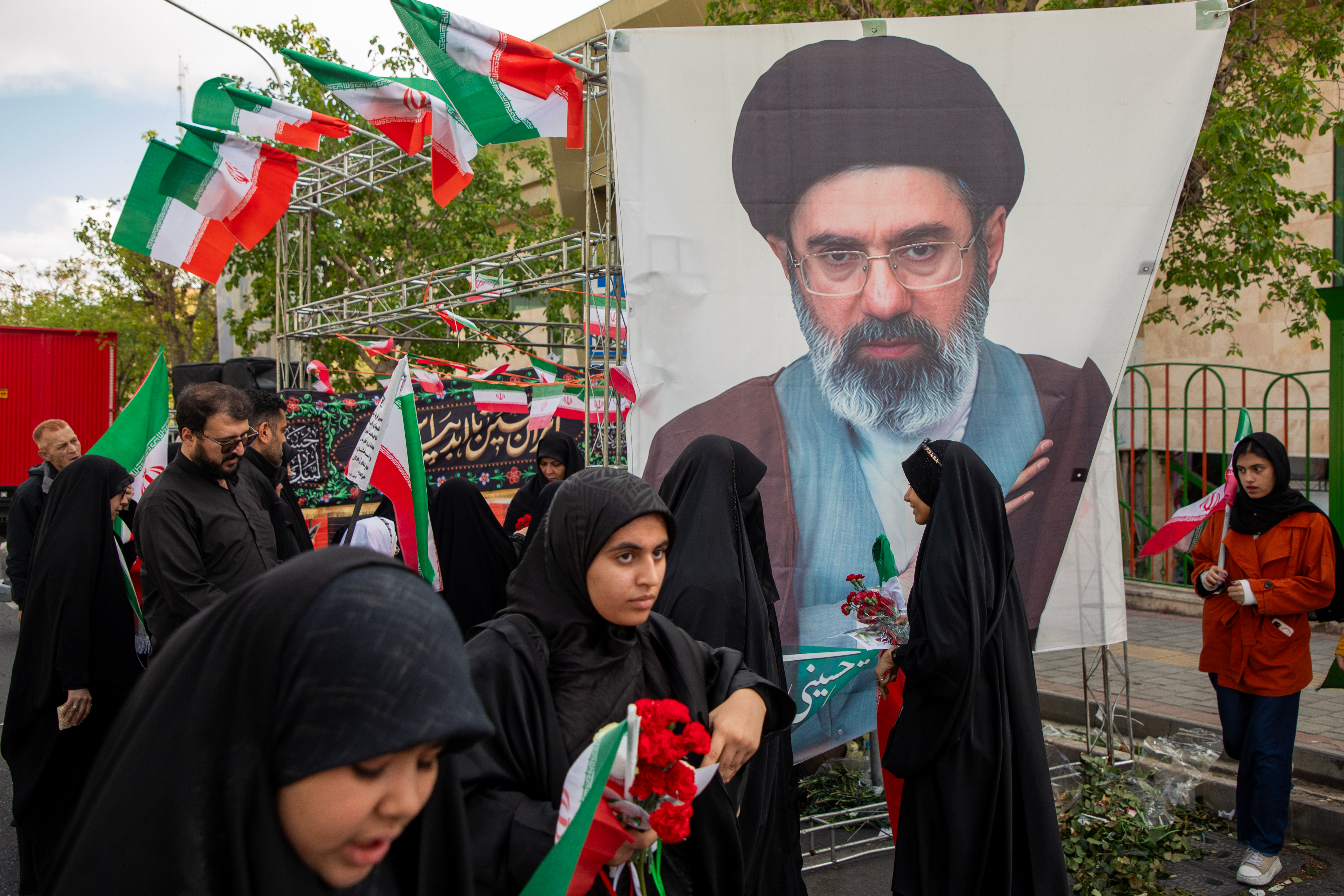
Earlier that day, Iran’s Supreme Leader Mojtaba Hosseini Khamenei stressed the country’s military readiness and said Iranians remained prepared to defend the strategically important waterway.
In a message issued during Iran’s “Sacred Defense Week” and on the anniversary of the death of Hezbollah leader Sayyid Hassan Nasrallah, Khamenei said Iran’s armed forces and various sections of society were ready to confront threats from the country’s adversaries.
Describing the level of military readiness across Iran, Khamenei said, “Presently, throughout Islamic Iran—adorned by the presence of diverse ethnicities—various declarations of readiness, particularly armed readiness, exist to construct an arena that will bring renown to them and disgrace to their enemy.”
Khamenei also highlighted what he described as the role of Iranian forces in defending the Strait of Hormuz. Referring to clashes involving Iranian forces and their adversaries, he said enemy forces had suffered “painful blows” from Iranian fighters and guardians of the waterway.