FBI probe into Mary Peltola’s Alaska Senate win raises questions over her ability to take seat
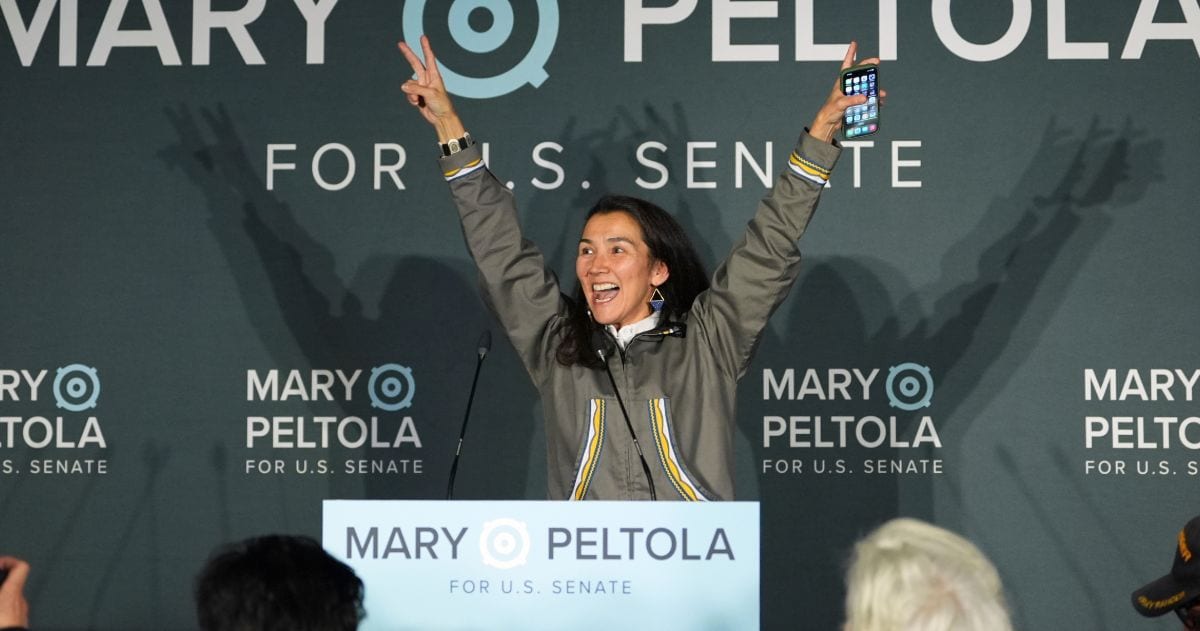
WASHINGTON, DC: The FBI’s investigation into Democrat Mary Peltola’s victory in the Alaska Senate race has raised questions about whether the criminal probe could affect her ability to assume office or remain in the legislature.
Peltola has not been charged with a crime, and being under investigation does not disqualify her from serving.
The Justice Department cannot independently decide to prevent her from taking a Senate seat.
The investigation centres on allegations that Peltola’s campaign and Democratic activists recruited a third candidate, Daniel J Sullivan, whose name closely resembles that of Republican incumbent Dan Sullivan, in an alleged attempt to influence the election.
Peltola has denied knowing about or participating in the alleged effort.
FBI probe unlikely to block Mary Peltola's Senate seat
Attorney General Todd Blanche "sees the Peltola fraud as so egregious, he is putting a lot of resources into the criminal investigation," an ally close to Blanche told Fox News Digital.
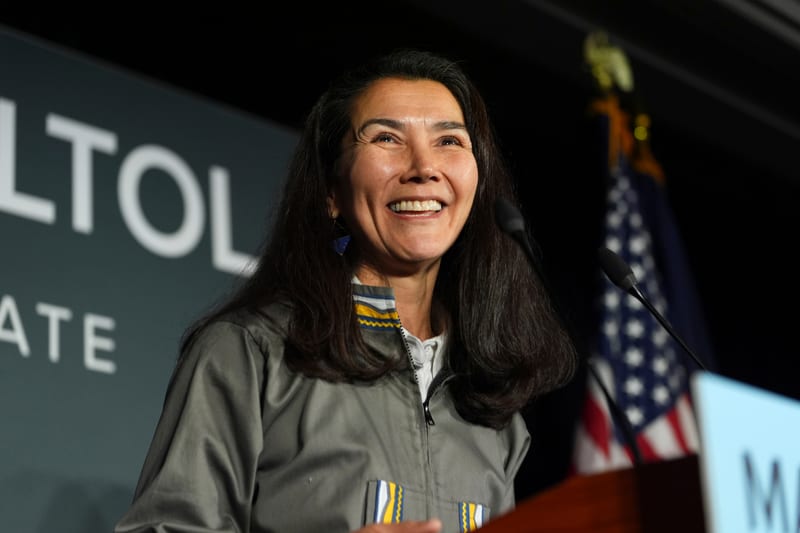
The investigation itself does not give federal prosecutors the authority to block Peltola from taking her Senate seat.
According to Fox News, the probe involves at least 50 FBI agents and more than a dozen DOJ lawyers. More than 200 subpoenas have been issued, and a federal grand jury in Alaska is meeting monthly to review the evidence.
However, Peltola has not been charged with a crime. Even if prosecutors eventually uncover sufficient evidence to charge her with wrongdoing, that would not automatically remove her from the Senate or invalidate her election.
The DOJ had separately filed a civil action seeking to delay the certification of the Alaska Senate election while investigating potential voter confusion between the two candidates named Sullivan.
A federal judge dismissed the effort, finding that the government had no authority to order such a delay.
Senate holds power over election challenges and expulsion
If investigators find evidence that Peltola or anyone else committed a federal crime, prosecutors could proceed with criminal charges.
However, a criminal case and a challenge to the validity of an election are two separate legal matters.
Under Article I, Section 5 of the Constitution, the Senate has the power to judge the elections, returns and qualifications of its own members.
This means the Senate, rather than the DOJ, has the final say on whether a senator-elect was properly elected and is entitled to take office.
The Senate could independently consider a challenge to the election, separate from any criminal proceedings.
A finding that an election was improperly conducted would not be the same as a criminal conviction. Similarly, proof of a criminal offence would not, by itself, determine who is entitled to the Senate seat.
If Peltola is elected and later found guilty of a crime, the conviction would not automatically result in her removal from the Senate.
The Constitution gives the Senate the power to expel one of its members, but doing so would require a two-thirds vote.
The criminal investigation is ongoing, while the DOJ's separate effort to delay certification has been dropped.
Peltola's ability to serve will not be affected simply by the fact that she is under FBI investigation.