What is a dirty bomb and how dangerous is it? 7 facts amid alleged Iran plot targeting DC
Why is the US talking about dirty bombs?
CNN, citing seven US officials, reported on November 16 that American intelligence indicated Iran was developing plans for a potential attack in the US capital. However, officials remain divided over Tehran's ability and intention to execute such a plot. Trump warned Iran of unprecedented consequences if it carried out an attack. Rubio, meanwhile, said he did not believe Washington faced an imminent threat. Iran's foreign ministry rejected the allegations as baseless.
What exactly is a dirty bomb?
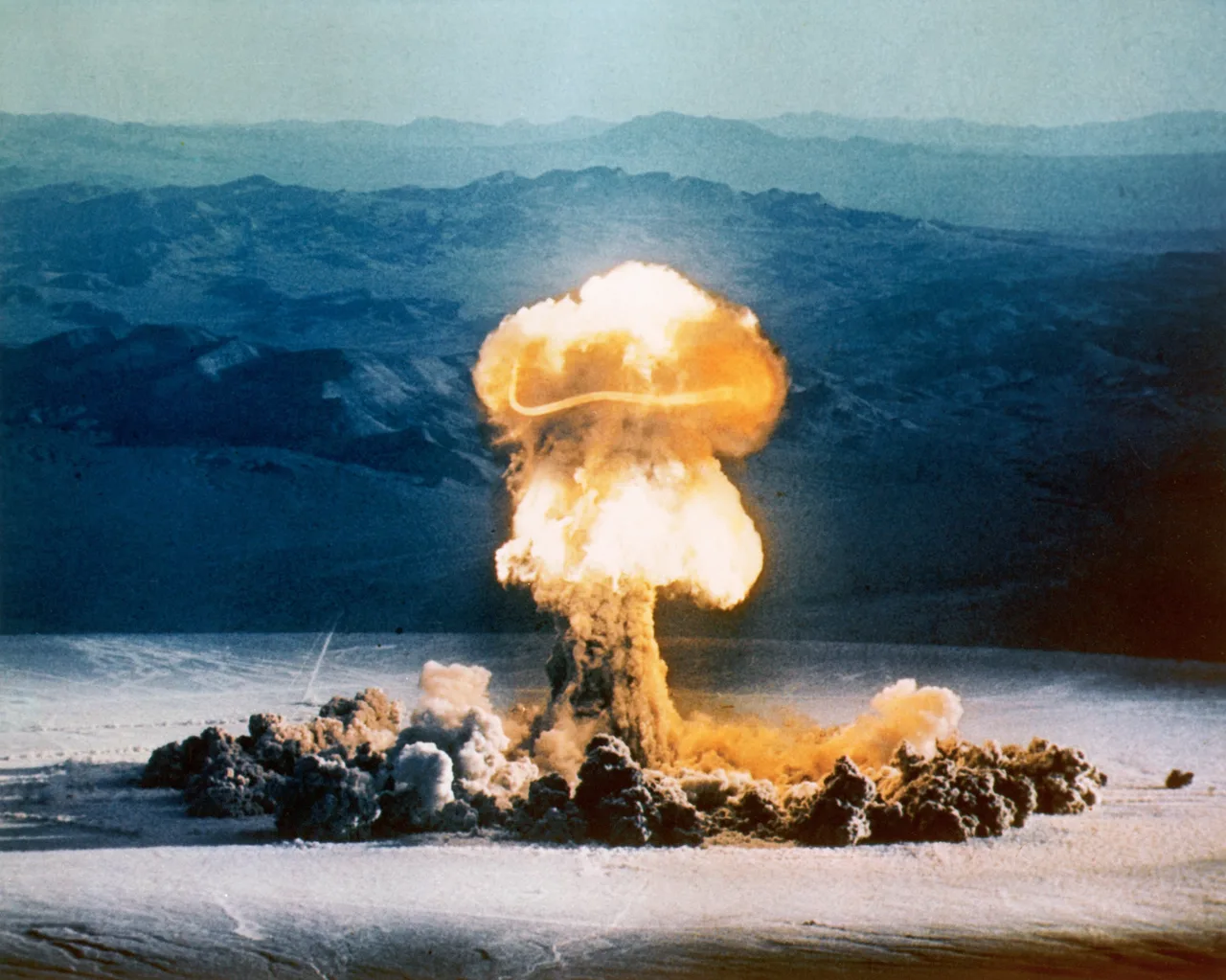
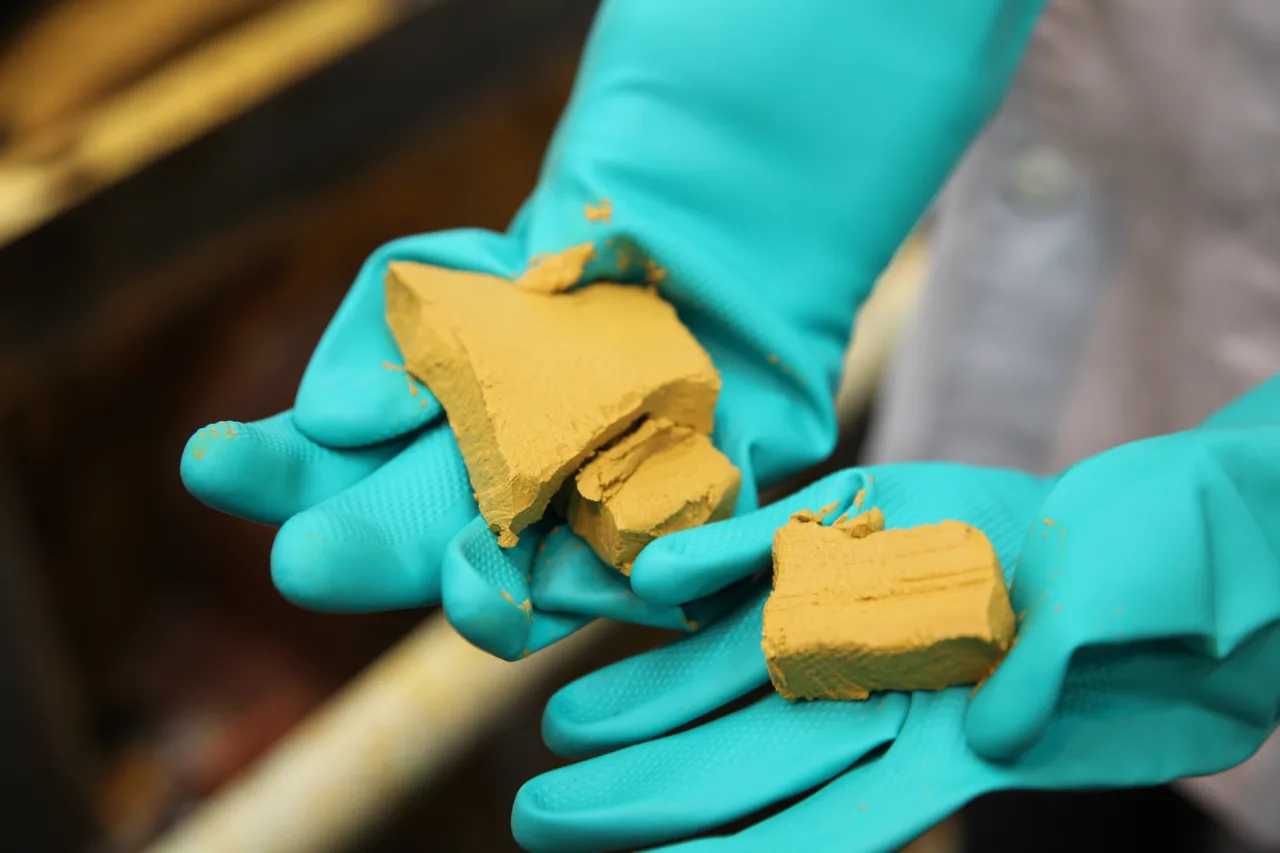
A dirty bomb, also known as a radiological dispersal device (RDD), is a weapon that uses a conventional explosion to spread radioactive material into the surrounding environment. According to the US Nuclear Regulatory Commission (NRC), such a weapon can trigger widespread panic, contaminate property and lead to expensive cleanup operations. The agency describes it as a “weapon of mass disruption” rather than mass destruction.
How is a dirty bomb different from a nuclear bomb?
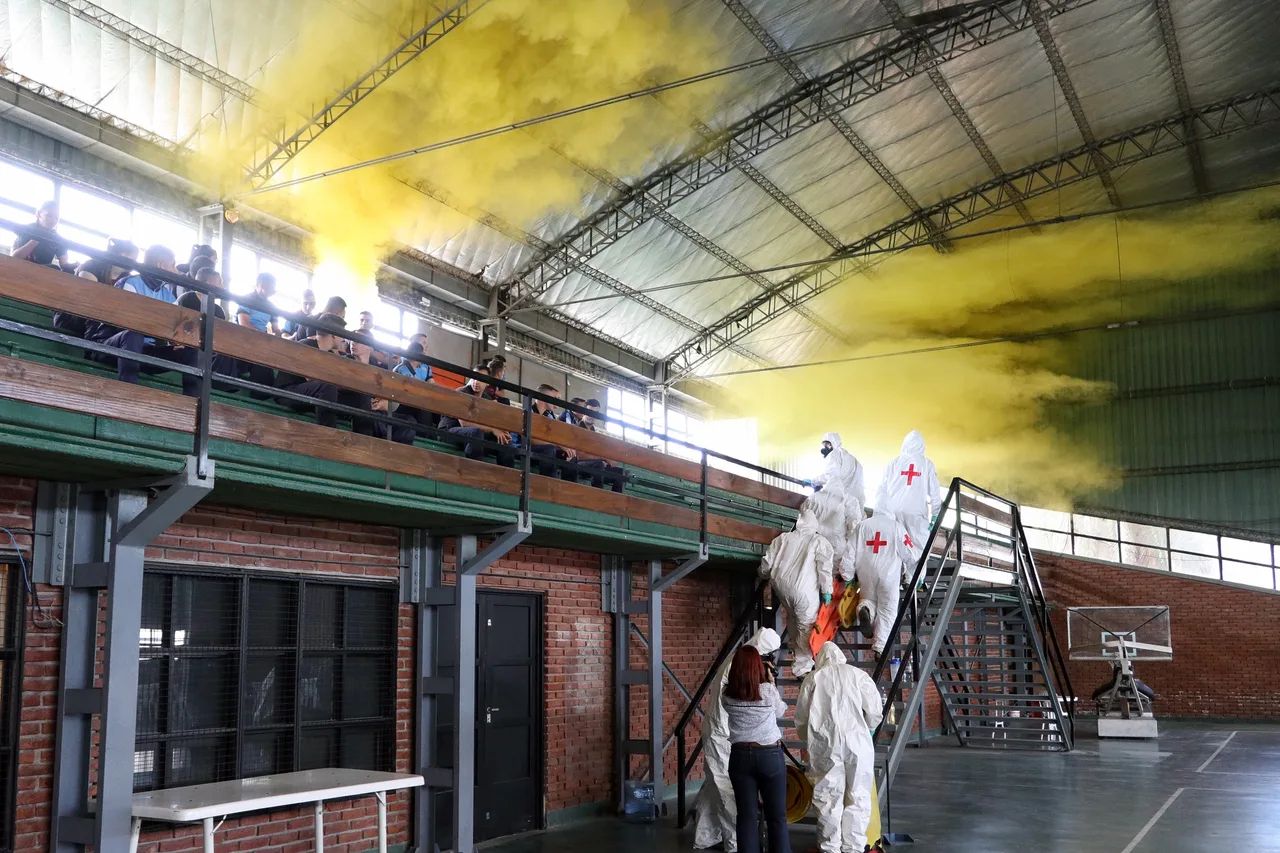
Unlike a nuclear weapon, a dirty bomb does not produce a nuclear explosion. Nuclear weapons release enormous amounts of energy through nuclear reactions, causing widespread destruction. A dirty bomb primarily poses a threat through conventional blast injuries and radioactive contamination. Its destructive power is considerably lower than that of a nuclear weapon, according to the NRC.
How dangerous is a dirty bomb?
According to the US Centers for Disease Control and Prevention (CDC), the immediate danger from a dirty bomb is primarily the explosion itself, which can cause serious injuries and property damage. However, airborne radioactive particles can also pose health risks. People may be exposed to radioactive substances through inhalation or by consuming contaminated food or water.
Can a dirty bomb cause cancer?
Exposure to high levels of radiation can increase the risk of cancer and other health complications. However, the severity of these effects depends on the radiation dose and duration of exposure. The CDC states that while some health effects may appear shortly after radiation exposure, others may take years to develop. Exposure does not necessarily mean a person will develop cancer.
Has a dirty bomb ever been used?
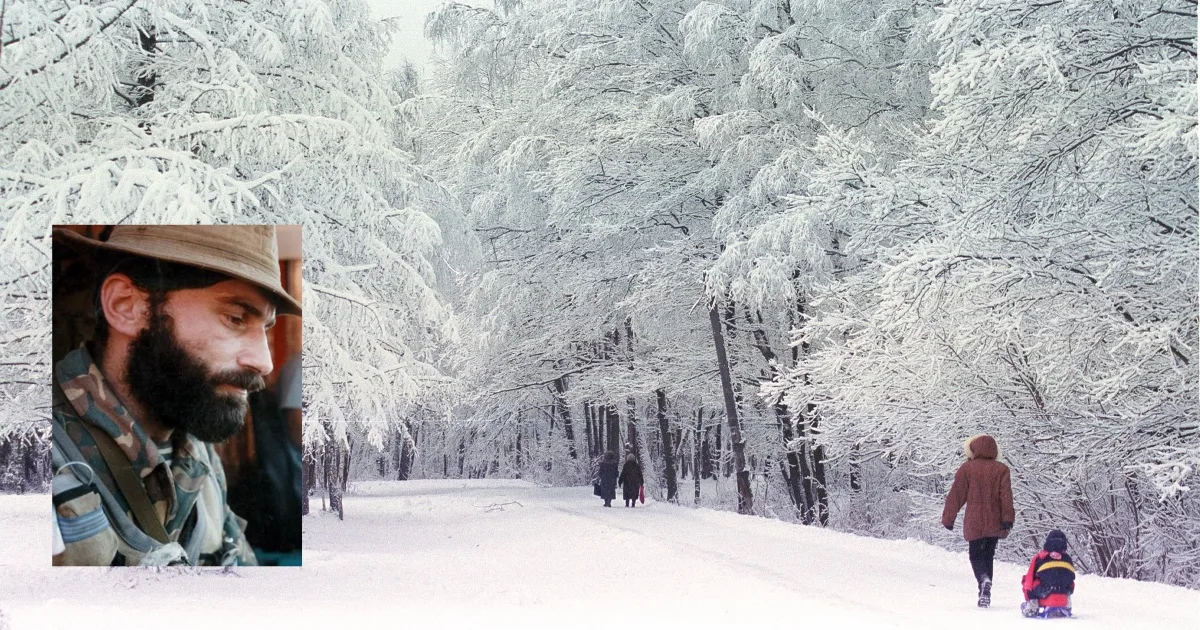
Although no successful terrorist attack involving the detonation of a dirty bomb has been widely documented, several incidents involving radioactive material have raised global security concerns. One of the most prominent cases dates back to November 23, 1995, when Chechen rebels alerted Russian television network NTV to the presence of radioactive material in Moscow's Izmailovsky Park. Acting on a tip from Chechen rebel commander Shamil Basayev, an NTV crew discovered a package containing cesium-137, a radioactive isotope used in medical and industrial applications. Russian emergency personnel subsequently removed the container, with authorities maintaining that it posed no immediate danger to the public. The incident occurred during the First Chechen War and was widely seen as an attempt to intimidate the Kremlin. Three years later, in December 1998, another suspected dirty bomb was discovered near a railway line outside Argun, Chechnya. Security personnel reportedly defused the device before it could explode. Neither incident resulted in a radiological explosion.
How can Americans protect themselves from a dirty bomb?
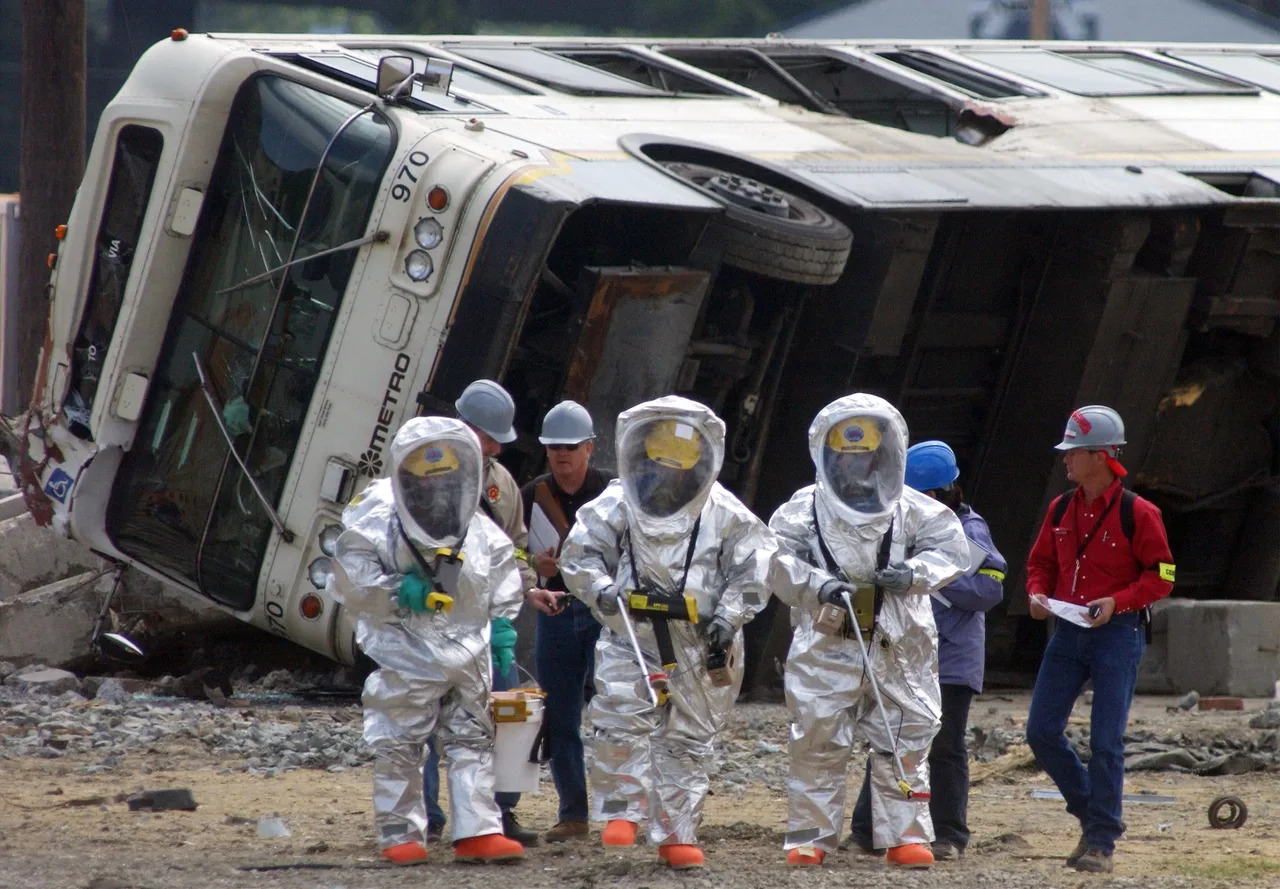
The CDC recommends three fundamental steps during a radiological emergency: “Get inside, stay inside, and stay tuned.” People should seek shelter inside a building, shut doors and windows, remove potentially contaminated outer clothing and wash themselves with soap and water. Healthcare officials say removing the outer layer of clothing can eliminate up to 90 per cent of radioactive material on the body. People should follow official emergency alerts and avoid leaving their shelter until authorities say it is safe.