‘Go indict’: California judge rejects DOJ bid to block 20K ballots linked to suspected noncitizens
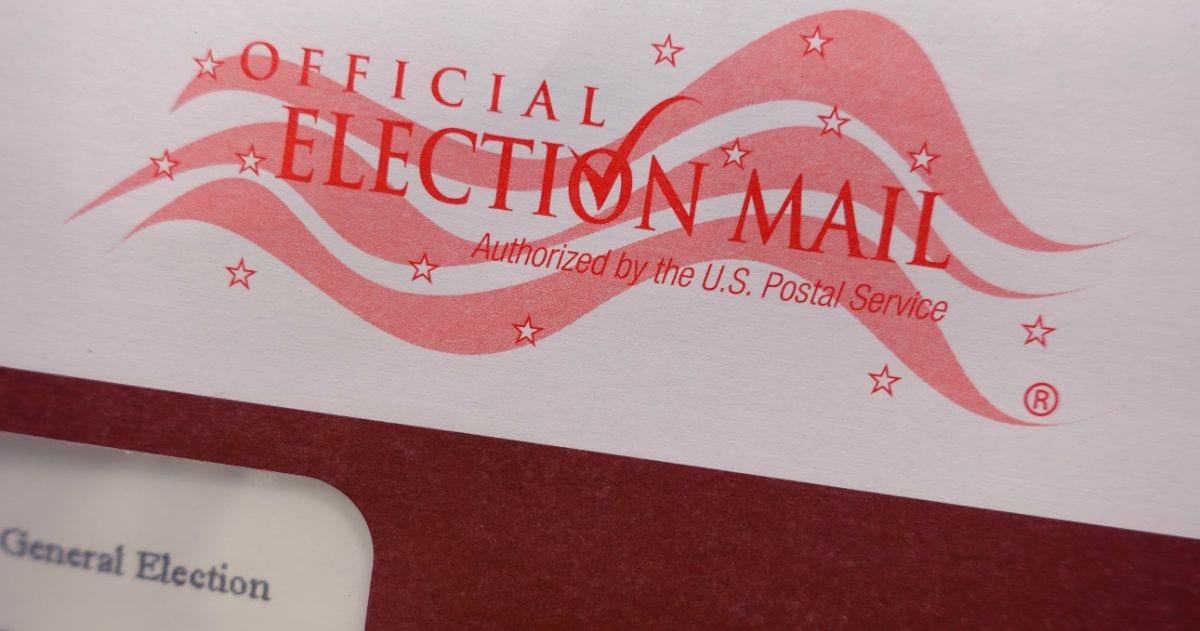
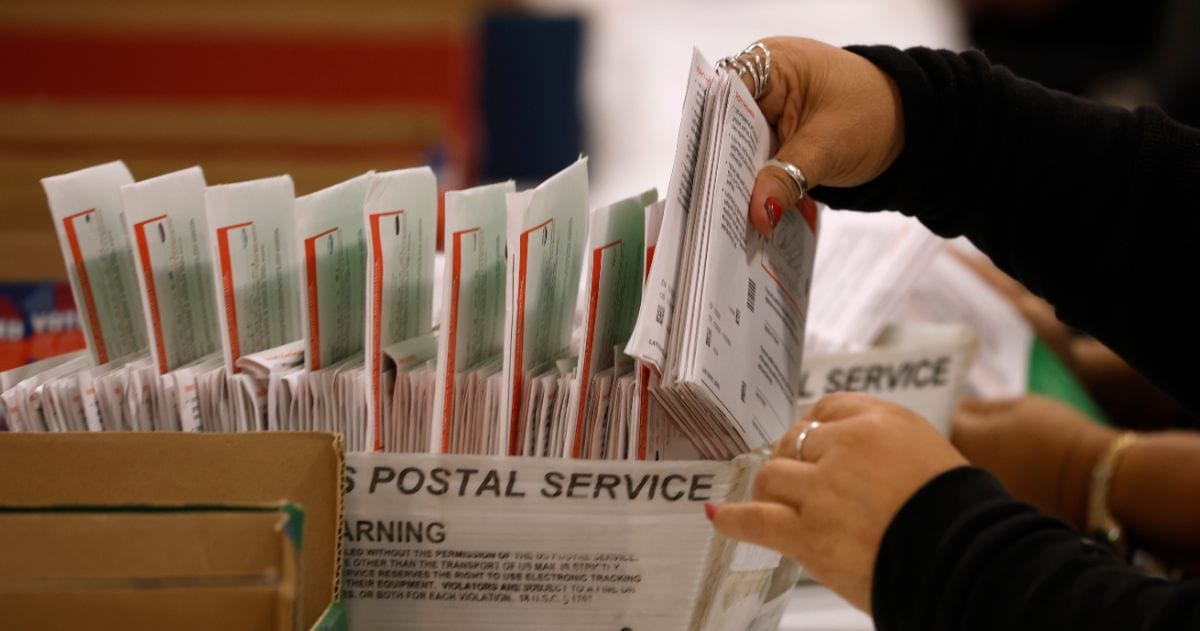
WASHINGTON, DC: A federal judge in California on Wednesday, October 28, rejected the Trump administration’s request to segregate and withhold from counting approximately 20,000 mail-in ballots linked to people the Justice Department alleges may be noncitizens.
District Judge David Carter questioned the reliability of the government’s claims and warned that granting its request could disenfranchise eligible voters and disrupt an election already underway.
The Justice Department filed its lawsuit on October 15.
Judge rejects Trump DOJ bid to block 20,000 California ballots
In his ruling, Judge Carter said the government’s request threatened established constitutional principles governing state elections and could create opportunities for political interference.
“This request violates longstanding constitutional principles mandating that states have control over their elections,” Carter wrote.
“If Plaintiff’s last-minute request for relief were granted, either party could create chaos for their own political purposes to disrupt the election process.”
NEW: A federal judge declined to require California to set aside mail-in ballots from more than 20,000 suspected noncitizens until their citizenship could be verified, just days before the midterm elections. https://t.co/h8dlOQrQV3
— SCOTUS Wire (@scotus_wire) October 29, 2026
The judge added that the requested order “would wreak havoc and disrupt the election that is already underway, create a chilling effect on election workers and voters alike, and discount the votes of United States citizens.”
Carter also questioned whether the government’s allegations involving more than 20,000 potential noncitizen voters were supported by a credible process.
He cited the administration’s experience in Nevada, where an initial list of up to 15,903 registered voters identified through what officials described as “high-confidence” matches was subsequently reduced to 6,218 and then to 185 after a manual review.
Nevada officials later confirmed that all 185 individuals were citizens, according to the judge’s ruling.
“Had Nevada officials accepted Plaintiff’s allegations there as true, 185 citizens would have been deprived of their vote.
This Court will not deprive Californians who have met the requirements for voter registration of their fundamental right because of Plaintiff’s unfounded allegations.”
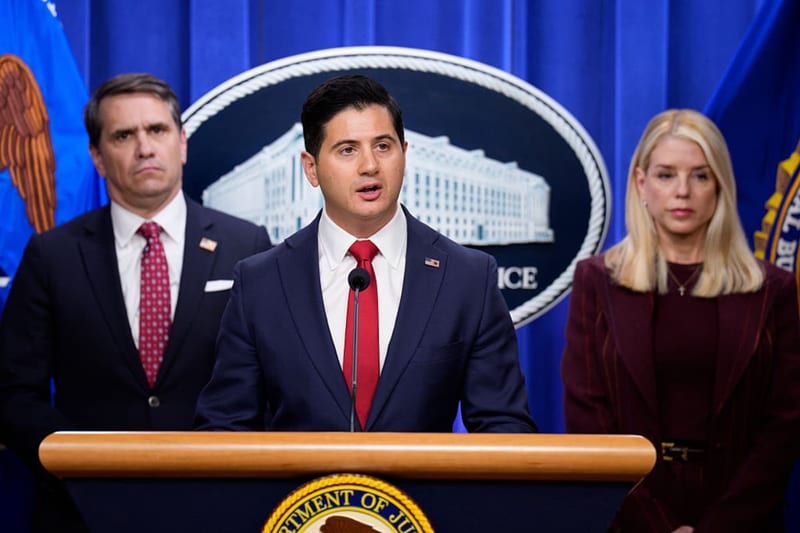
Carter also questioned why the Justice Department was seeking the requested relief instead of pursuing criminal cases against individuals it believed had voted illegally.
Referring to 28 indictments announced by prosecutors in connection with alleged illegal voting in California, the judge told First Assistant US Attorney Bill Essayli that “you’ve got a remedy, for goodness’ sakes,” Carter said. “Go out and indict.”
DOJ appeals ruling on suspected noncitizen voters
The Justice Department’s lawsuit sought an order requiring California to “set aside vote-by-mail ballots from persons identified by the Federal Government likely to be noncitizens” and refrain from counting them until their citizenship was confirmed.
The department said it had compiled “a list of over 20,000 names of people” it “believes are likely non-citizens.”
Following Carter’s ruling, Essayli said the Justice Department had filed a notice of appeal and would seek emergency relief from the Ninth Circuit.
He argued that ballots continued to be processed and that the situation risked the “dilution” of American citizens’ votes.
The district court denied our emergency request to sequester ballots from 20,000 suspected noncitizens. Every day, more ballots are processed by election officials. This ongoing emergency disenfranchises American citizens through dilution. The Solicitor General authorized an immediate appeal. We filed our Notice of Appeal and will immediately seek an emergency order from the Ninth Circuit.
— F.A. United States Attorney Bill Essayli (@USAttyEssayli) October 29, 2026
Carter, however, warned that segregating ballots could cause lasting harm to eligible voters.
“Eroded trust in our democracy is irreparable. Once a vote is segregated, lasting harm has occurred. If the Executive can discount votes and threaten an ongoing election due to unproven allegations, then our democracy is in danger,” he wrote. “This Court declines to be a party to such process.”