GOP senators question Jensen Huang’s Nvidia reinstatement, warn of ‘national security’ risks to US
WASHINGTON, DC: The move to reinstate NVIDIA CEO Jensen Huang has drawn criticism from Republican senators, who warned that his return could pose a risk to the "national security" of the United States as Nvidia fights for its future.
The criticism follows a stunning reversal by the company's board, just 11 days after Huang's surprise departure amid reports of alleged extramarital affairs involving the executive, including one with a woman alleged to have ties to Chinese intelligence.
Sens Kevin Cramer, R-ND, John Cornyn, R-Texas, John Curtis, R-Utah, Pete Ricketts, R-Neb, and Rick Scott, R-Fla, criticized the company's decision and called for "further answers."
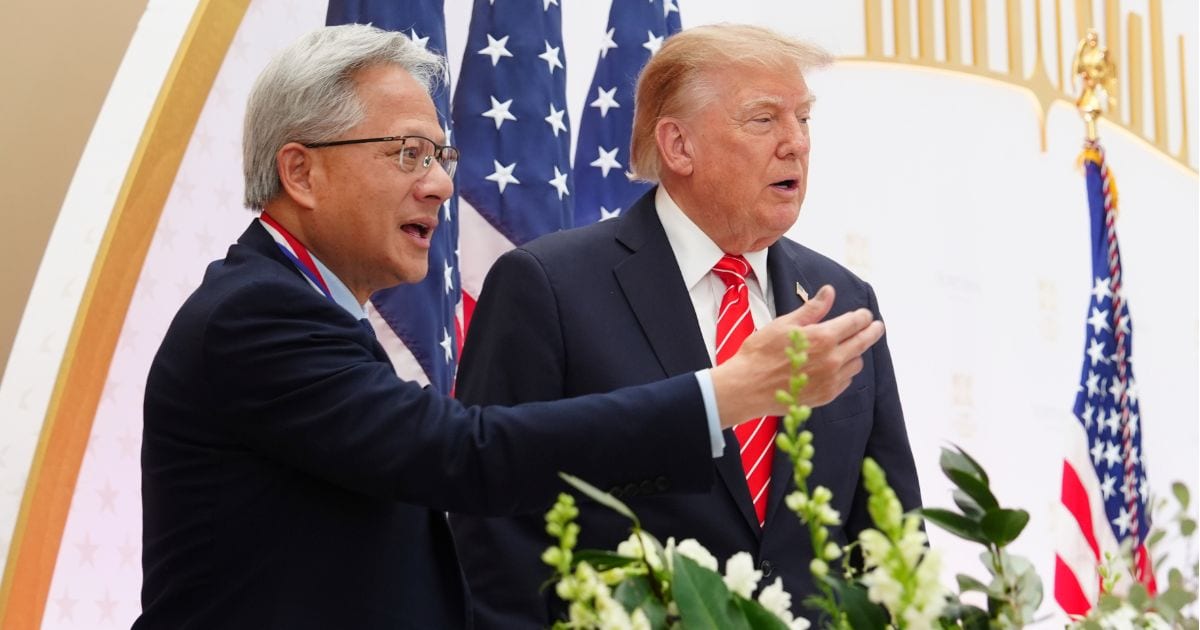
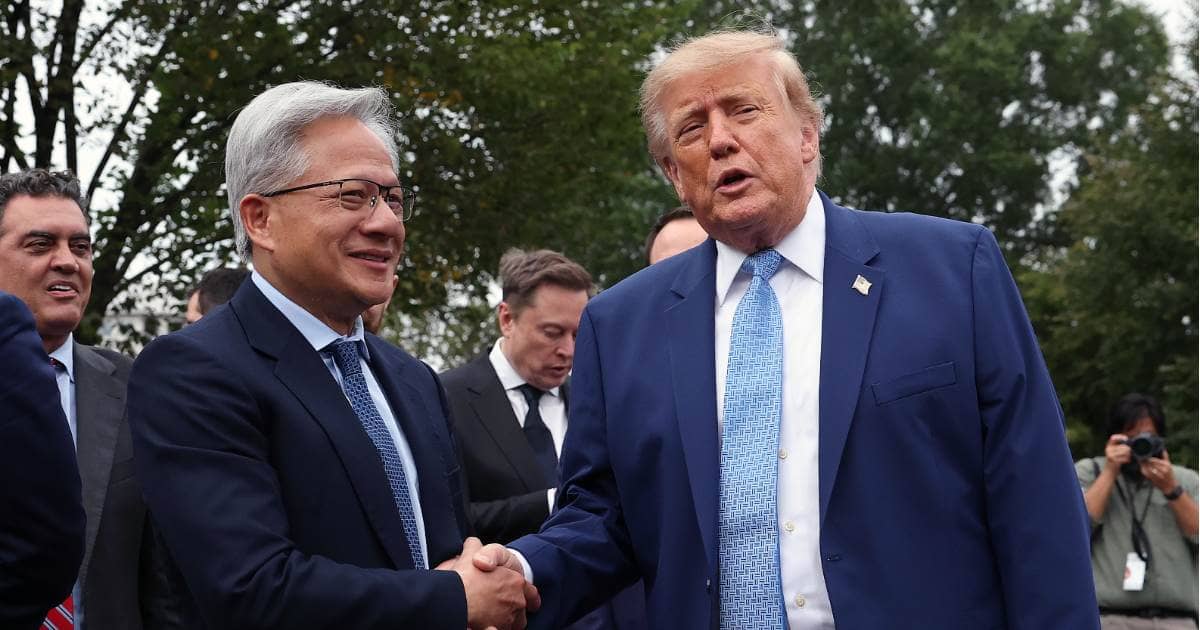
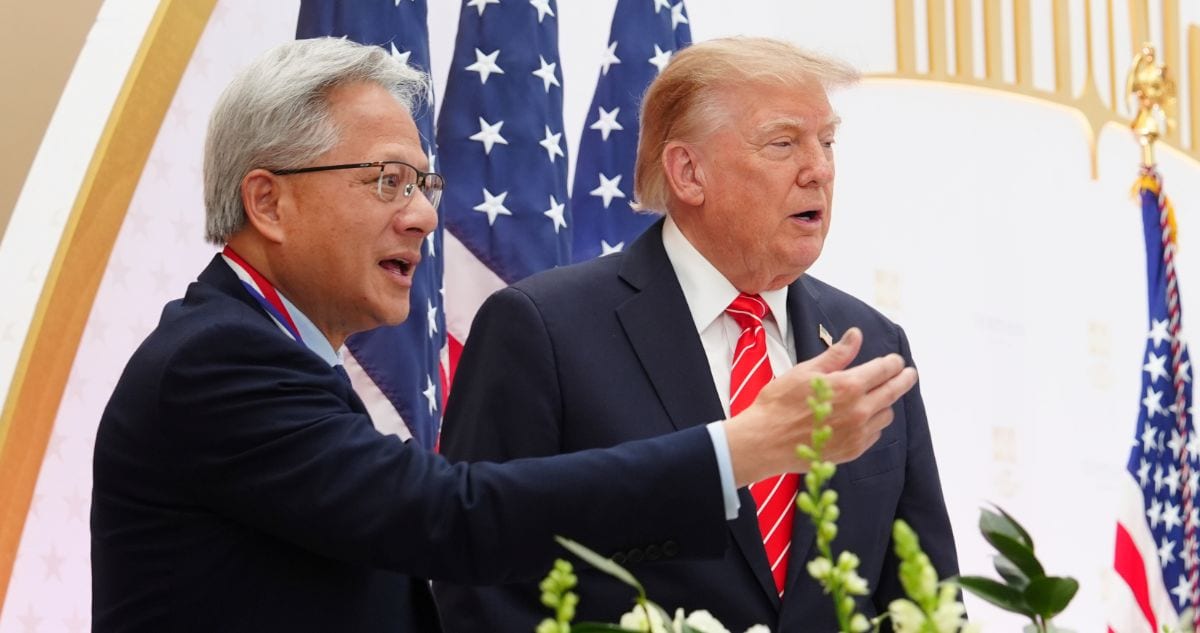
Their comments came after the White House indicated that President Donald Trump had played a role in bringing Huang back.
While Republican senators expressed concern over the board's decision, they largely refrained from criticizing the president for supporting the move.
GOP senators question Jensen Huang's Nvidia reinstatement
The criticism came as the White House openly highlighted Trump's involvement in securing Huang's reinstatement.
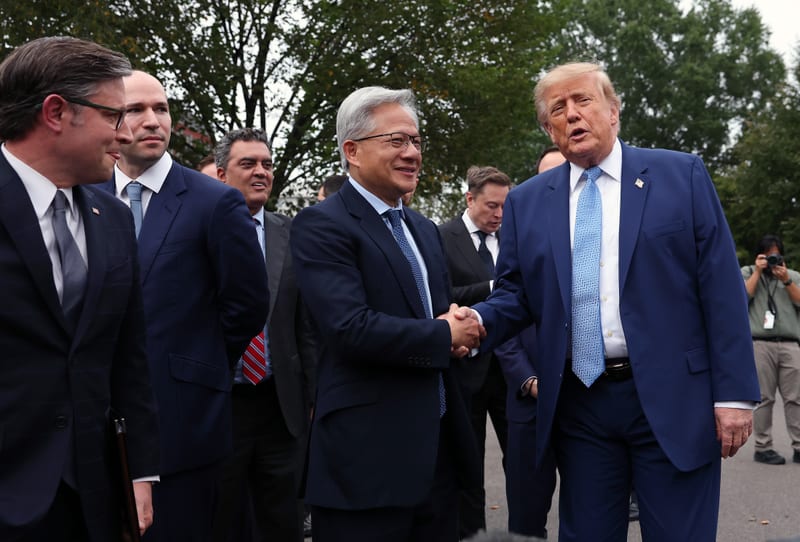
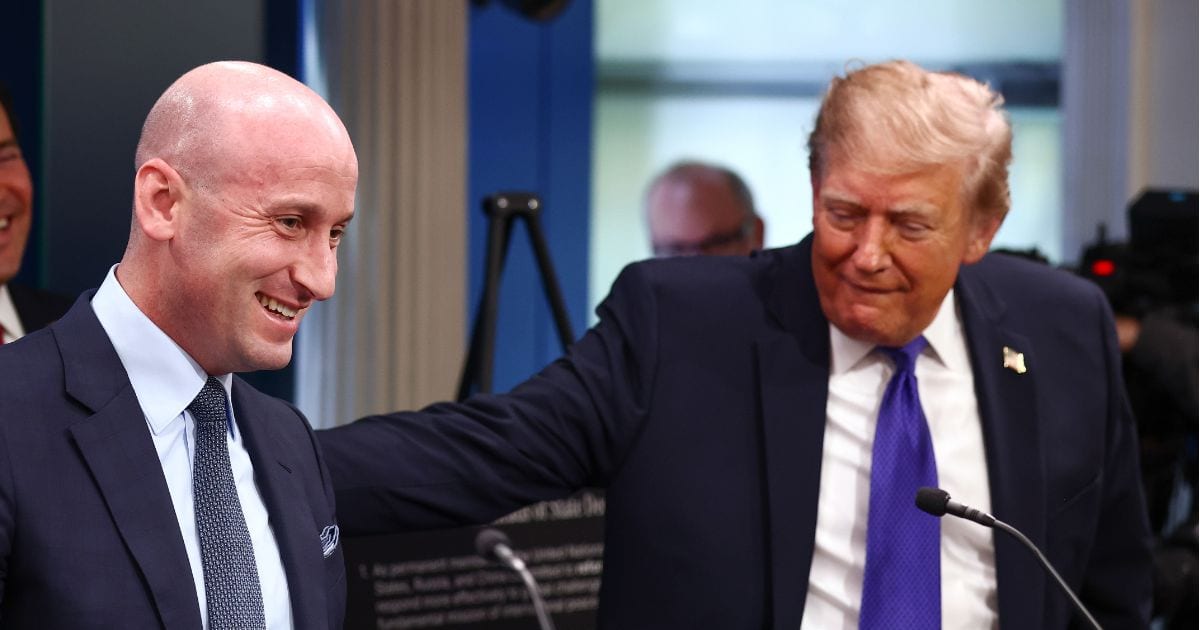
“President Trump was totally involved, and this is a great decision by the NVIDIA board,” White House Communications Director Steven Cheung told Semafor on Monday.
“We have to protect our geniuses.”
Trump himself celebrated the move, declaring that Nvidia's board had made the “correct and proper decision” and arguing that the country needed Huang's leadership.
Cramer issued one of the strongest criticisms, warning that Nvidia's decision could shift risks from the company to the American military and the public.
The legal and reputational risk of hiring a CEO who may very well be convicted in the United States or other nations of violating espionage and export control laws is now born by the board of Nvidia, but the national security risk is passed along to the United States military and its citizens. The risk of extortion by a Chinese asset who’s been banned by Singapore is risk enough to not rehire Huang. The worst part of this is what we may never know. Congress should immediately pass the strictest export controls possible. I hope it’s not too late.
— Senator Kevin Cramer (@SenKevinCramer) November 23, 2026
“The risk of extortion by a Chinese asset who’s been banned by Singapore is risk enough to not rehire Huang,” Cramer wrote, adding, “I hope it’s not too late.”
Cornyn, meanwhile, repeatedly questioned Nvidia's assertion that Huang's return posed no national security threat.
No national security risk? Based on what?
— Senator John Cornyn (@JohnCornyn) November 23, 2026
He also questioned whether the FBI had advised Huang about the potential risks associated with his alleged connection to a Chinese spy.
Cornyn also raised additional questions about the company's governance.
Curtis asked which senior government officials had consulted with Nvidia and what advice they had provided. He also highlighted how quickly the board had reversed its decision, just 11 days after Huang's departure.
Nvidia’s board says it relied on input from senior U.S. officials to conclude that bringing Jensen Huang back posed no national security risk. I have some questions. Who in our government weighed in? What did they tell the board? And on what basis did the board conclude there was no risk? Mr. Huang was right to step down when the affair came to light. Just 11 days after Nvidia announced his departure, the board brought him back while its own independent investigation was still underway. Last week, the board said it didn’t intend to reinstate him. I’d like to know what changed.
— Senator John Curtis (@SenJohnCurtis) November 23, 2026
Ricketts argued that Huang's alleged conduct did not justify his reinstatement and maintained that the CEO should still face congressional questioning.
Scott also described the board's decision as concerning and called for members of Congress to be urgently provided with a summary of the situation, citing its potential implications for national security and the economy.
Jensen Huang had multiple affairs including with subordinates and an alleged Chinese spy. His own board described his behavior as lacking “candor.” I’ve served on a public company board. His behavior does not support reinstatement. Nvidia’s decision today doesn’t excuse Jensen Huang from testifying before Congress. It also doesn’t absolve Nvidia of answering for national security concerns and unaccounted-for chips. I look forward to Mr. Huang coming to the Senate in December.
— Senator Pete Ricketts (@SenatorRicketts) November 23, 2026
Congress prepares to grill Nvidia CEO over China chip concerns
Plans to investigate Huang remain unchanged despite the controversy surrounding his reinstatement. The Senate Banking Committee, led by Senator Tim Scott, has scheduled a hearing on his case for December 3.
National security concerns and compliance with export control laws are expected to be key areas of investigation.
Meanwhile, members of the House of Representatives are also preparing to question Huang.
The House Intelligence Committee said that, despite his reinstatement, it would proceed with a classified meeting on December 1.
The House Select Committee on China, the Intelligence Committee and the House Foreign Affairs Committee have also confirmed that both Huang and Nvidia's general counsel, Tim Teter, will be interviewed.
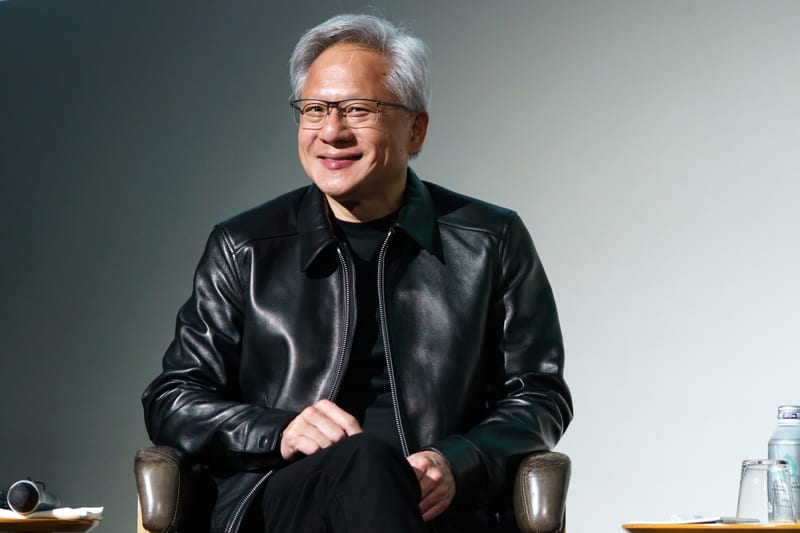
Members of Congress want to investigate whether Nvidia computer chips were illegally exported to China and subsequently used for military purposes.
The investigation follows probes into a Singapore-based firm believed to be associated with Alice Huang, the woman allegedly linked to Chinese intelligence. The firm is accused of obtaining billions of dollars' worth of Nvidia chips.
Democrats have also voiced opposition to Huang's reinstatement.
Senate Minority Leader Chuck Schumer said his party would investigate whether there had been any misconduct involving the administration, Huang and other members of Nvidia's leadership team.
House Minority Leader Hakeem Jeffries described the board's decision as "indefensible, irresponsible, and incomprehensible."
While the company moves forward with Huang's reinstatement, members of both parties have made it clear that they intend to continue investigating the national security concerns and Nvidia's handling of the allegations.