Hours after Trump's speech, DHS threatens funding cuts and federal scrutiny of 2026 voting

🚨 JUST NOW: DHS Sec. Markwayne Mullin rips the states REFUSING to cooperate with securing elections and removing non-citizens from the voter rolls ahead of the midterms
— Eric Daugherty (@EricLDaugh) July 17, 2026
DEFUND THEM and REFUSE to mail out ballots!
"What are you afraid of!? If they're not willing to [secure… pic.twitter.com/GU7RRcNiNZ
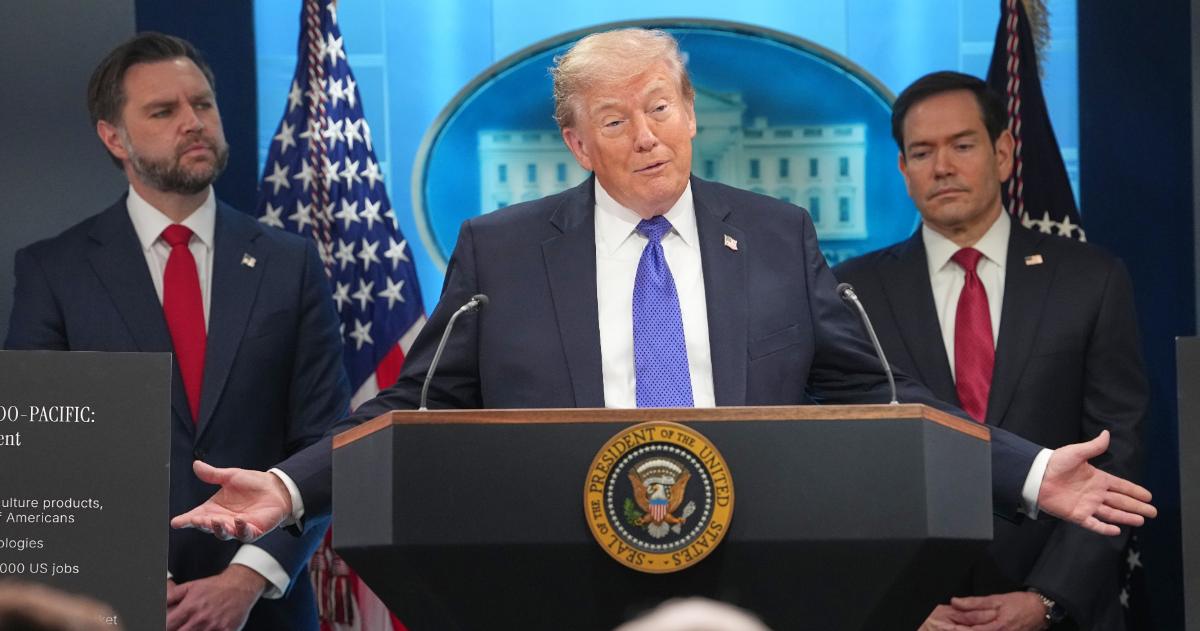
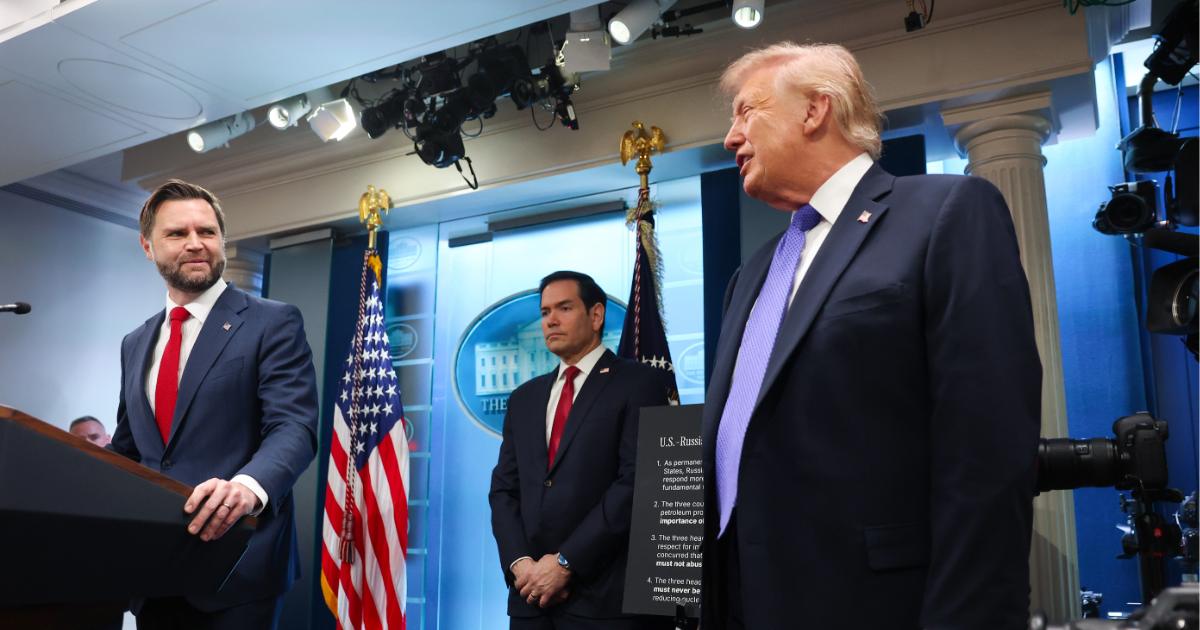
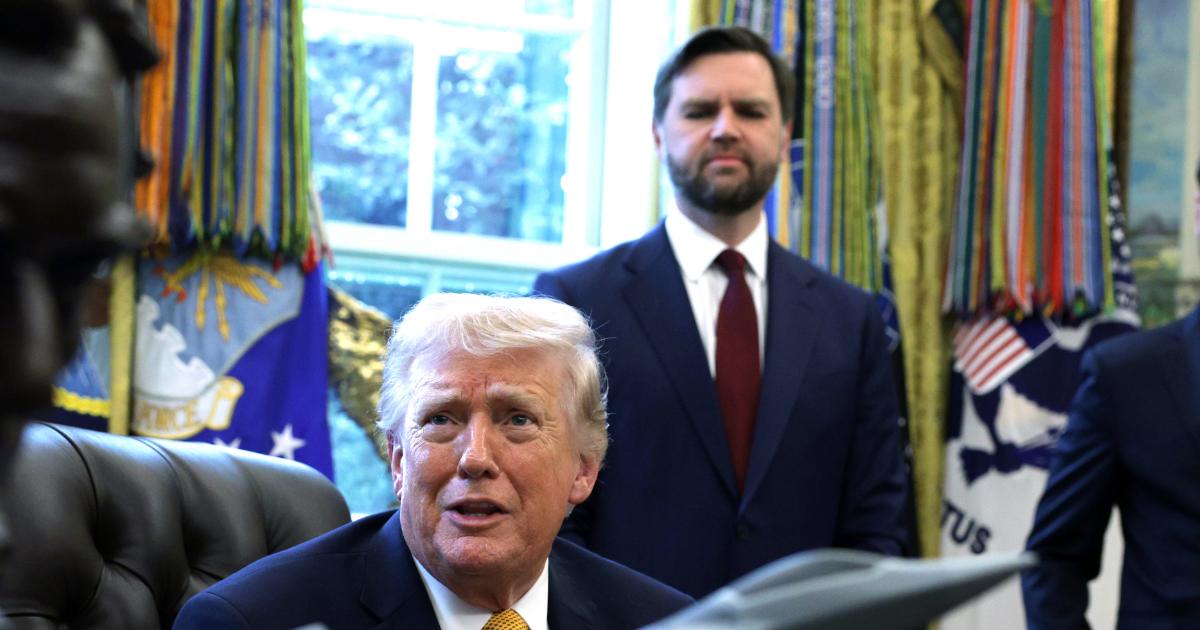
WASHINGTON, DC: Hours after President Donald Trump delivered a prime-time address warning about election vulnerabilities and urging Congress to pass the SAVE America Act, Homeland Security Secretary Markwayne Mullin announced a significant expansion of the federal government's election security efforts ahead of the 2026 midterms.
Mullin said the Department of Homeland Security would proactively examine, review voter records after Election Day and continue investigating alleged election irregularities in states that decline to cooperate with federal election security initiatives.
DHS ties funding to compliance
🚨 BREAKING: DHS Sec. Markwayne Mullin announces any state will be FEDERALLY DEFUNDED if they refuse to purge their voter rolls of ineligible voters and non-citizens
— Eric Daugherty (@EricLDaugh) July 17, 2026
"We know IRAN HACKED state voter files and attempted to compromise our systems where military members used to… pic.twitter.com/BlY8J1xosN
Mullin said DHS intended to make its election security enhancements mandatory for states seeking federal election grants.
"We are going to make our security enhancements mandatory, meaning that if these states want a grant, and they want to be reimbursed to run federal elections, they're going to have to implement security measures," he said.
He added that states would be expected to secure voting machines and regularly scrub voter registration rolls to remove ineligible voters and non-citizens.
Mullin also claimed Iran previously hacked state voter files and attempted to compromise systems used by military voters, arguing the administration must strengthen protections before ballots are cast.
DHS shifts to proactive oversight
🚨 JUST IN: Sec. Markwayne Mullin announces DHS will be investigating EARLY VOTING in the 2026 midterms to catch illegal votes
— Eric Daugherty (@EricLDaugh) July 17, 2026
GOOD! Do NOT hold anything back.
"We will be proactively looking at early voting."
"And then after post election, we will continue to scrub all those… pic.twitter.com/lX8peoGTNs
Speaking after Trump's address, Mullin said DHS would begin monitoring election processes before ballots are fully cast rather than waiting until after voting concludes.
"We will be proactively looking at early voting," Mullin said, adding that the department would continue reviewing voter records after the election.
He said DHS would examine public voting records from states that do not participate in the department's election security efforts, pointing to previous federal reviews that identified what he described as potentially ineligible registrations in several states.
Reuters reported that DHS has asked California, Nevada, New Jersey, and Pennsylvania to verify voter rolls following the department's preliminary findings.
The announcement represents one of the administration's most expansive election enforcement initiatives since Trump returned to office.
States urged to cooperate
🚨 NOW: DHS Sec. Markwayne Mullin confirms it, "foreign adversaries have parts that are vital pieces in our voting machines!"
— Eric Daugherty (@EricLDaugh) July 17, 2026
"We know that they can access what they consider the key to the back of these machines. We know that they can change voter registration and your VOTE!"… pic.twitter.com/uLVW0OsJoK
Mullin also criticized states that have declined to work with DHS on voter roll verification and broader election security measures, arguing every state should partner with the department to strengthen confidence in future elections.
He further claimed foreign adversaries possess access to components used in voting systems, saying the administration believes election infrastructure remains vulnerable and requires stronger safeguards.
Those assertions come as the Trump administration continues promoting the SAVE America Act, which would require proof of citizenship for voter registration and impose stricter election security standards nationwide.
The DHS announcement immediately followed Trump's nationally televised speech, marking a shift from campaign-style messaging toward concrete federal enforcement plans as preparations for the 2026 midterm elections intensify.