House Democrats target Trump's pardon power with bill to ban self-pardons, probe clemency deals
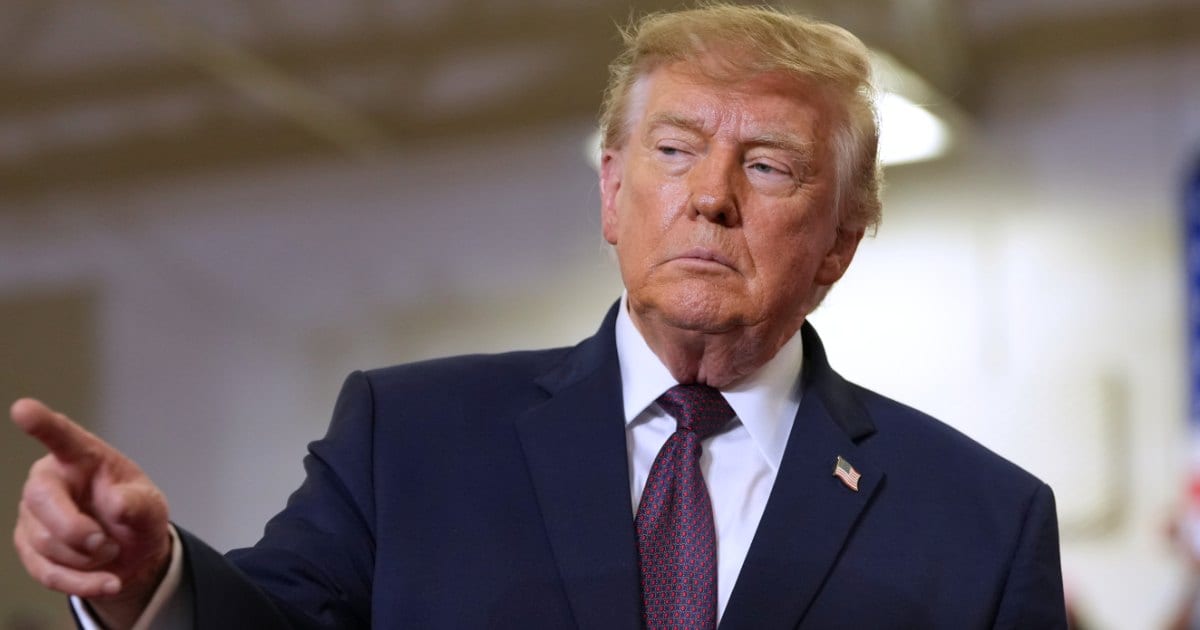
WASHINGTON, DC: House Democrats on Wednesday, November 11, introduced legislation seeking to place new restrictions on President Donald Trump’s use of the presidential pardon power, citing concerns about potential conflicts of interest and clemency decisions involving wealthy defendants and political allies.
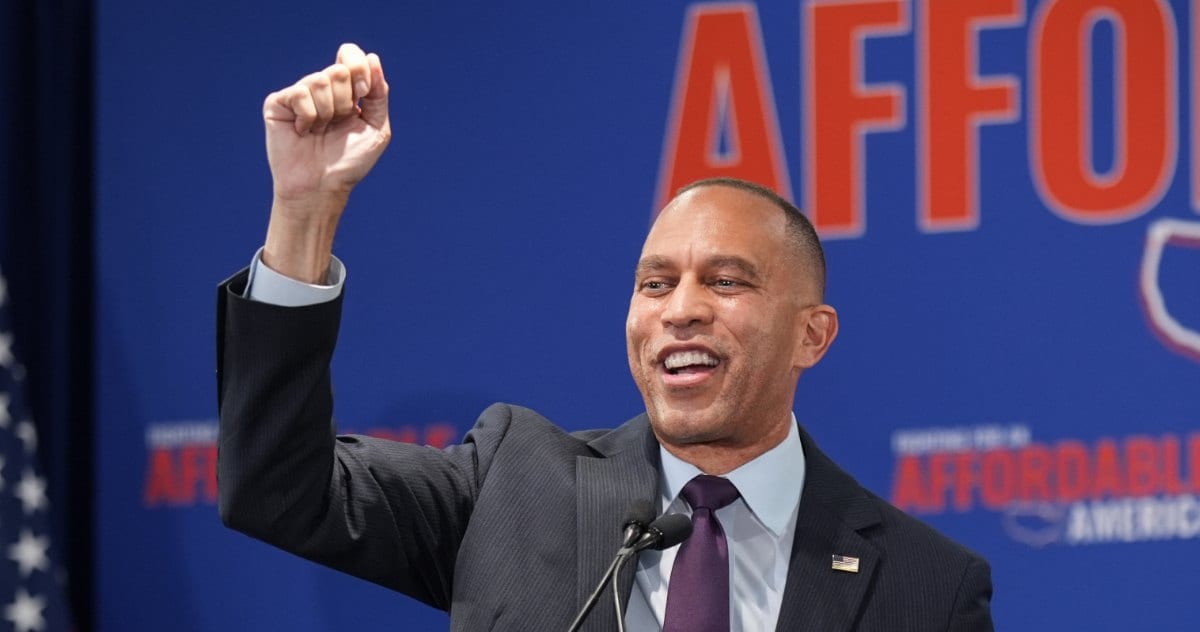
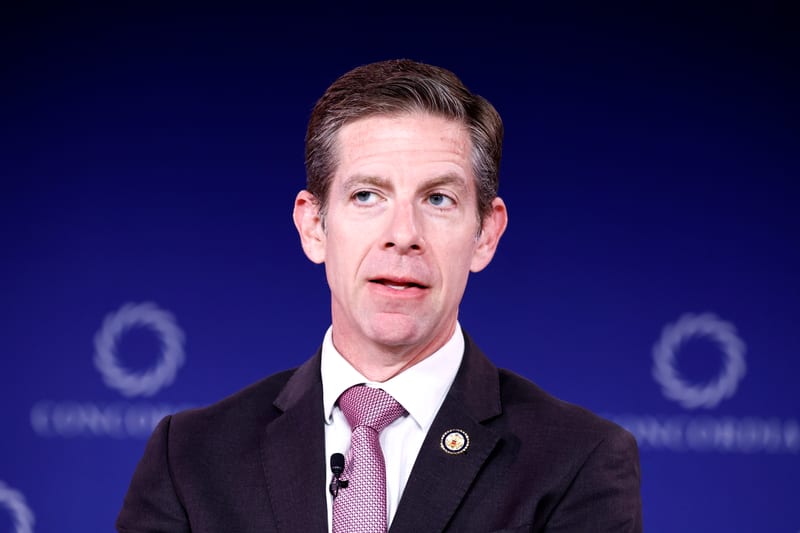
Reps. Mike Levin of California and Jason Crow of Colorado unveiled the Abuse of the Pardon Prevention Act, proposing investigations into potentially improper pardons and new disclosure requirements for recipients. The measure was announced as Democrats prepared to use their incoming congressional majorities to scrutinise the administration's clemency decisions.
Democrats introduce bill to investigate Trump's pardon deals
Levin and Crow, who lead the House Democrats' End Corruption Caucus, said the legislation was intended to address what Levin described as a system in which wealthy individuals could use financial and political connections to seek presidential clemency.
America has "a pardon industrial complex" where "you literally, for the highest dollar amount, can go and buy a pardon," Levin told CBS News. "That is not how the Founders intended for this to work," said Levin. "The pardon power is intended to be used in cases of justice and mercy."
The proposed legislation would direct the Justice Department's inspector general to investigate pardons involving potential conflicts of interest. It would also explicitly allow the prosecution of presidents and vice presidents for exchanging pardons for something of value, require recipients to disclose gifts to projects associated with the president, including his presidential library or the proposed White House ballroom, and prohibit presidential self-pardons.
Levin cited Trump’s pardon of Binance founder Changpeng Zhao, who pleaded guilty in 2023 to failing to maintain an effective anti-money-laundering programme, as one example of clemency decisions raising questions.
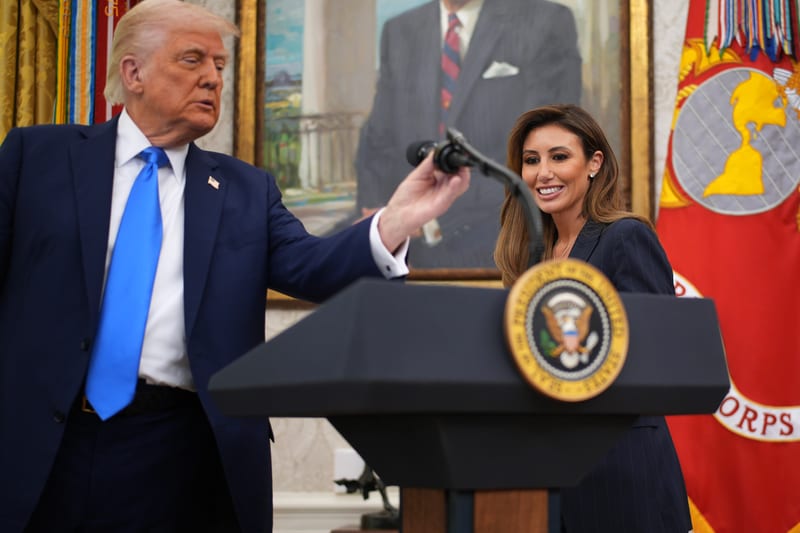
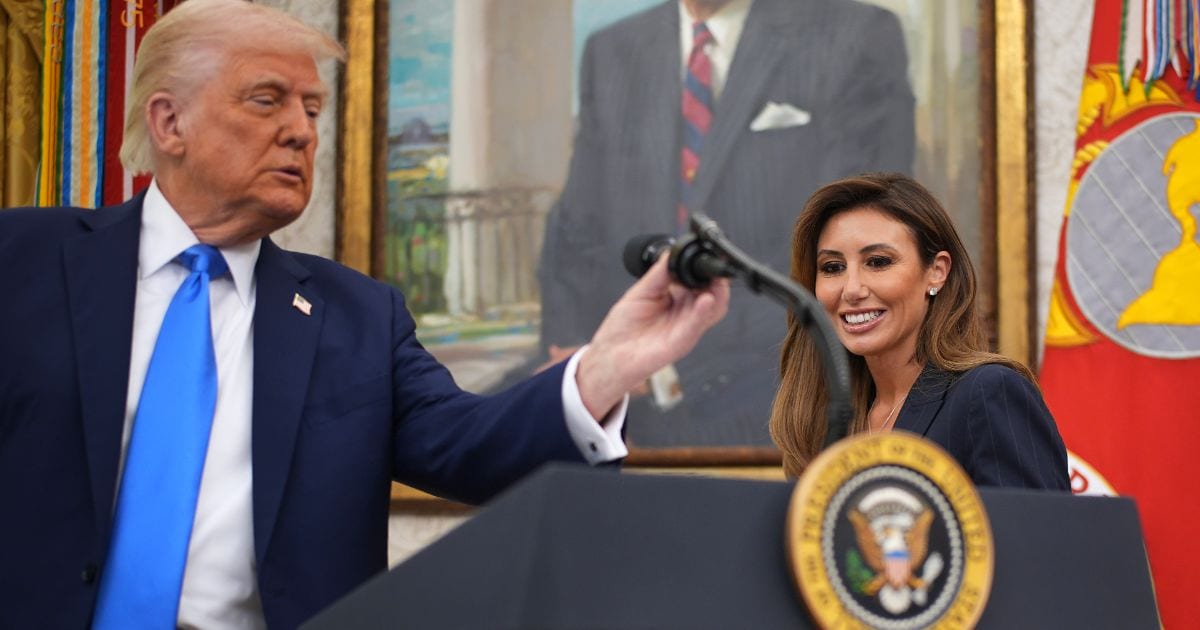
He also pointed to reports concerning former Trump attorney Alina Habba Mildon’s employment agreement with the family of a Venezuelan billionaire who received a pardon weeks later. Habba Mildon has denied any involvement in securing that pardon.
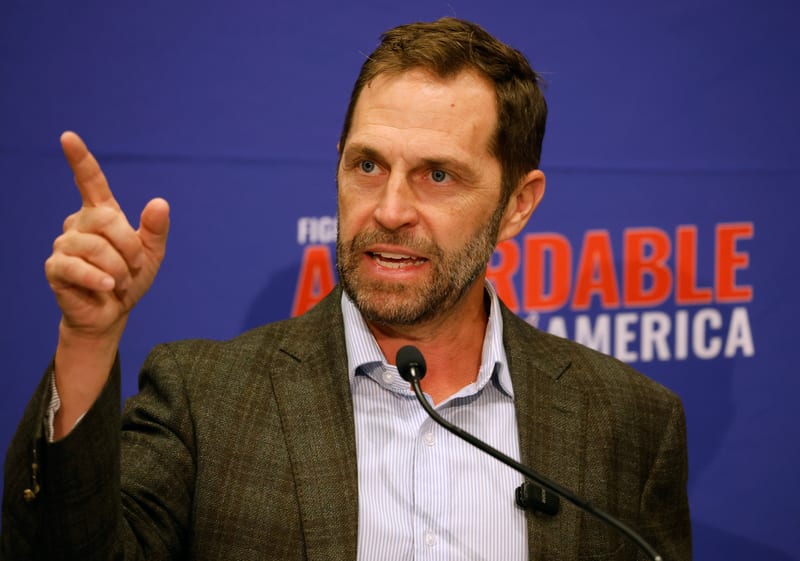
Crow said the legislation was intended to prevent differences in how the justice system treats wealthy and politically connected individuals.
"No president should be able to abuse the pardon power," Crow told the outlet. "We cannot accept a two-tiered system of justice that treats the wealthy and well-connected differently than working people."
White House defends Trump's presidential pardon process
The White House has defended the administration's process, saying that paying lobbyists to seek pardons is ineffective and that applications undergo a review involving White House counsel, the Justice Department, pardon adviser Alice Johnson and Trump as the final decision-maker.
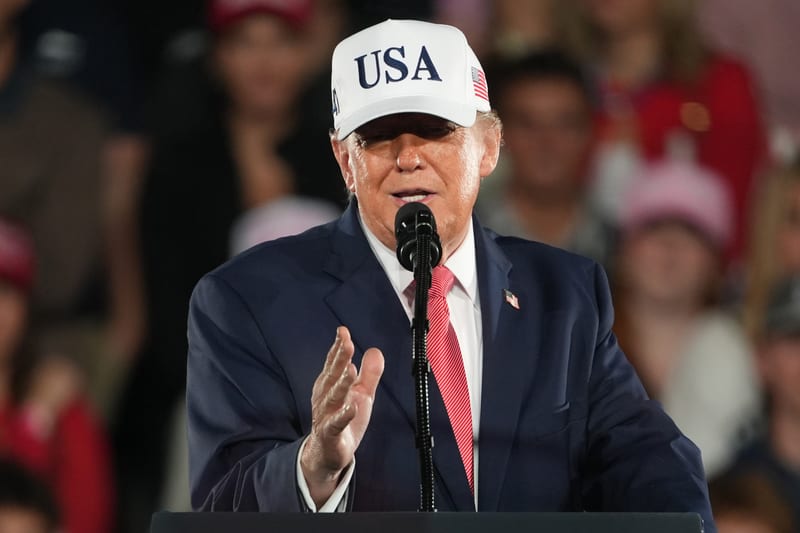
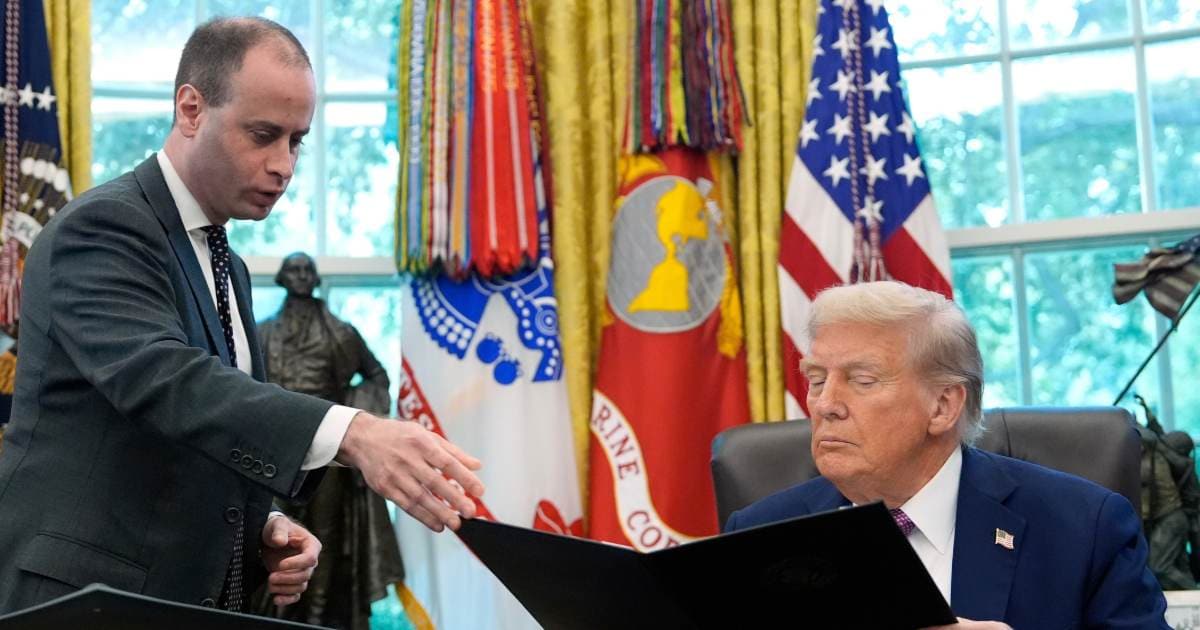
"President Trump performs his constitutional duties in an ethically sound manner and to suggest so otherwise is either ill-informed or malicious," White House Counsel Will Scharf said.
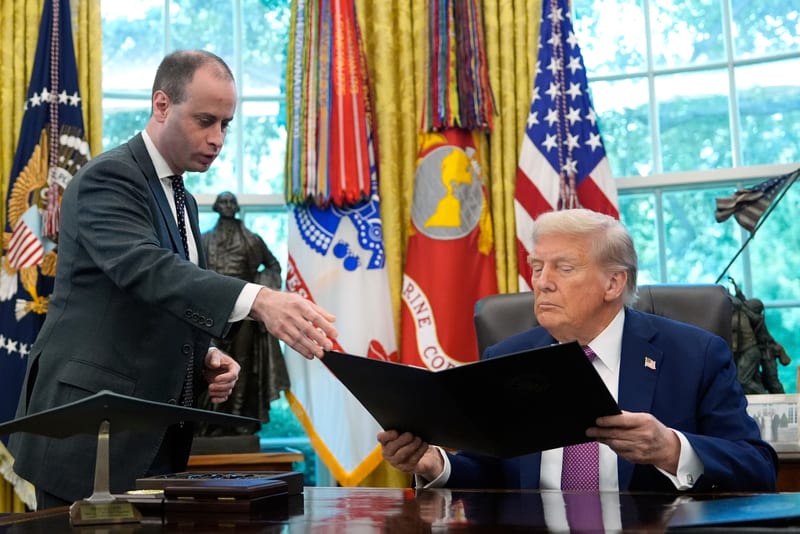
Levin defended the proposal, arguing that Congress could use its oversight and spending authority to pursue accountability while protecting constitutional checks and balances.
"If anything is running afoul of the Constitution, it's the way this president is misusing the pardon power," he said. "We're going to use our power of the purse to ensure the independent investigation of every department."