'I love Melania': Little girl's painting surprises first lady at Oleshky truce meeting
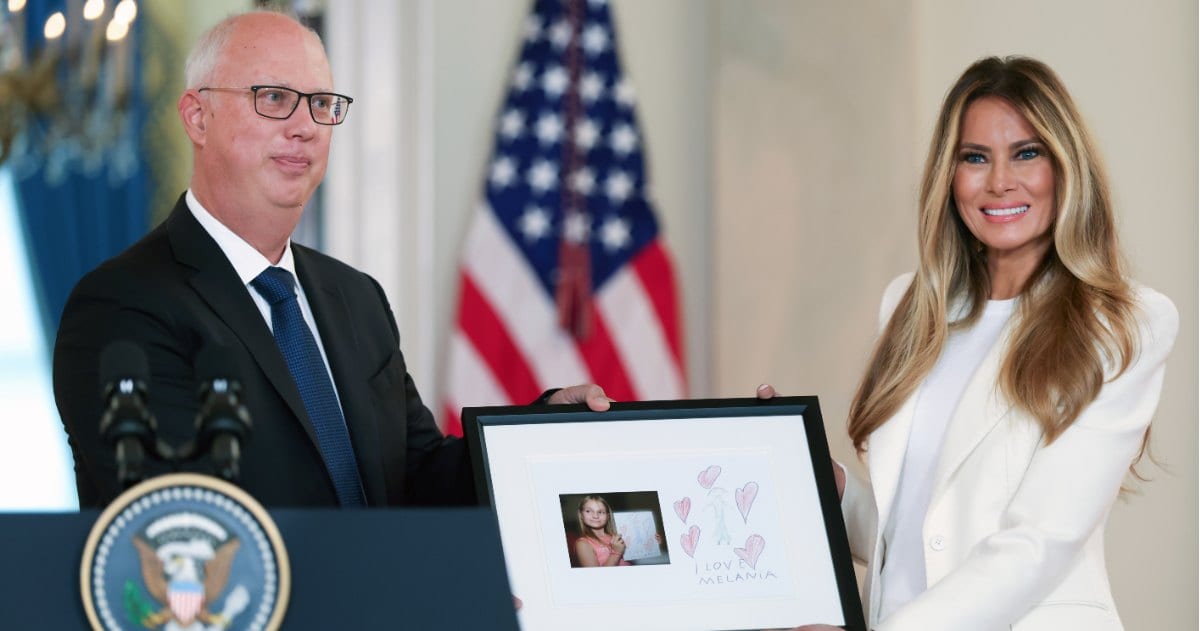
WASHINGTON, DC: A young Oleshky girl's painting made its way to the White House on Thursday, November 5, leaving Melania Trump with an unexpected gift during a meeting involving representatives from Ukraine and Russia.
The artwork was presented by Russian President Vladimir Putin's special representative Kirill Dmitriev, who said it came from an 11-year-old girl whose life had been affected by the conflict in Ukraine.
Its message for the first lady made the moment particularly touching.
🚨First Lady Melania Trump was just presented with an "I LOVE MELANIA" painting by an 11-year-old girl from Oleshky after Melania acheived a ceasefire in Oleshky and reunted children with their families. Congratulations! The world loves Melania.❤️ https://t.co/WpYg9R1XRt
— Bo Loudon (@BoLoudon) November 5, 2026
Oleshky girl's little surprise for FLOTUS
The painting sent by the 11-year-old girl bears the words “I love Melania” in English.
Dmitriev identified its creator as Lydia, a girl from the Ukrainian town of Oleshky who had reportedly moved to Russia and reunited with her family since the ceasefire.
He did not share further details about her family or the circumstances of her relocation.
The presentation took place as Melania met representatives from both countries to discuss the humanitarian operation she had helped arrange in Oleshky.
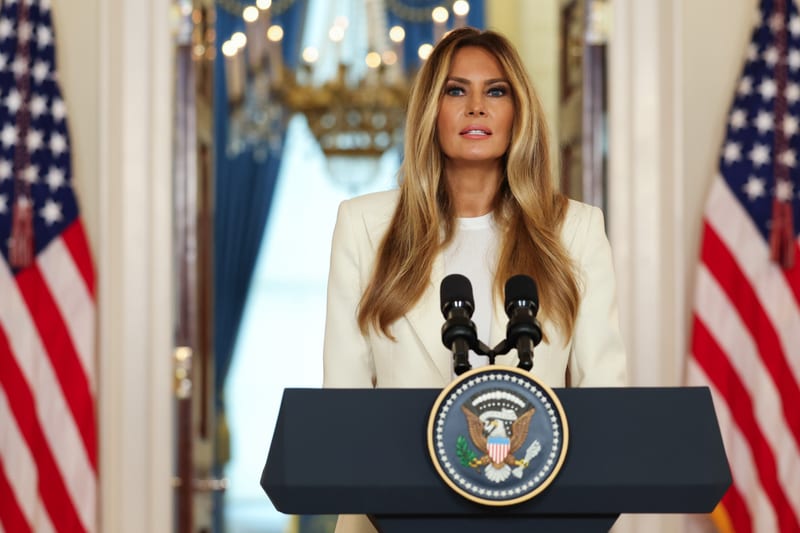
During the meeting, Melania described the ceasefire as an opportunity to build on a humanitarian breakthrough and work toward lasting peace.
"Now we must use the courage we brought to Oleshky to find common ground through a shared concern for the suffering of innocent people." ❤️ @FLOTUS Melania Trump unites Russia and Ukraine following the historic ceasefire that she brokered in Oleshky. It's the first time in American history that a First Lady has brought representatives of two nations actively at war together to the White House for diplomacy.
— The White House (@WhiteHouse) November 5, 2026
“Any meaningful change begins with a small spark. What matters is not a modest beginning, but the determination to turn it into something extraordinary,” she said.
She earlier outlined her involvement in preparing the operation, saying she had examined aerial photographs, demining plans, road conditions and proposed evacuation routes.
Her discussions also covered access to hospitals, transport arrangements and the availability of medical resources.
Ukraine recognized her contribution by presenting her with the Order of Princess Olga, First Class. The award acknowledged her support for the humanitarian mission in Oleshky.
How Melania Trump brokered the Oleshky truce
The initiative took shape after Melania learned about the deteriorating conditions in Oleshky during a discussion at her Fostering the Future Together event on the sidelines of the United Nations General Assembly in September.
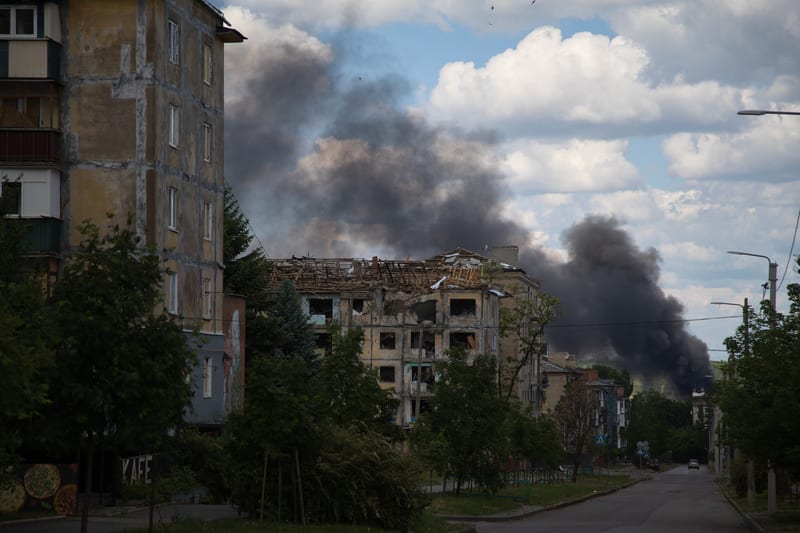
The town, in Ukraine's southern Kherson region, has remained under Russian occupation since 2022.
Its population has fallen sharply from approximately 24,000 before the war to an estimated 1,700–2,000 people.
Those remaining include a large number of elderly residents and around 50 children, according to information released by the White House.
The destruction of the Kakhovka Dam in 2023 also caused extensive flooding, affecting around 90% of the town's territory.
Melania and her representative subsequently opened communication with Russian and Ukrainian leadership to negotiate a local ceasefire.
The White House announced the agreement on October 23, describing Melania as an “Exclusive Intermediary” who had independently initiated the engagement.
The six-day truce took effect on October 27 and remained in place until November 1.
It was intended to create a safe window for humanitarian deliveries and civilian evacuations, with arrangements for designated passage routes and mine-clearance work.
The White House said the population remaining in Oleshky faced severe shortages of food, clean water, medicine and electricity.
Elderly residents were particularly vulnerable, with many unable to leave without organized transport and assistance.
The ceasefire was designed to allow aid to reach those who stayed while giving others an opportunity to evacuate.