'I made it my fifth': Trump reveals why 'tariff' lost its top spot
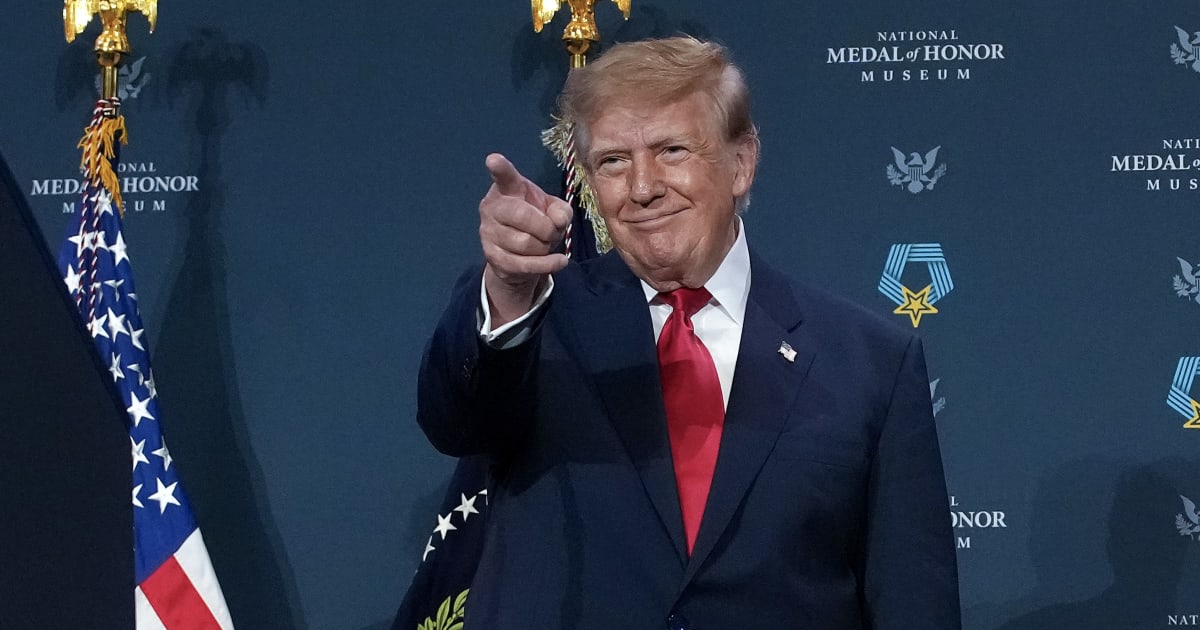
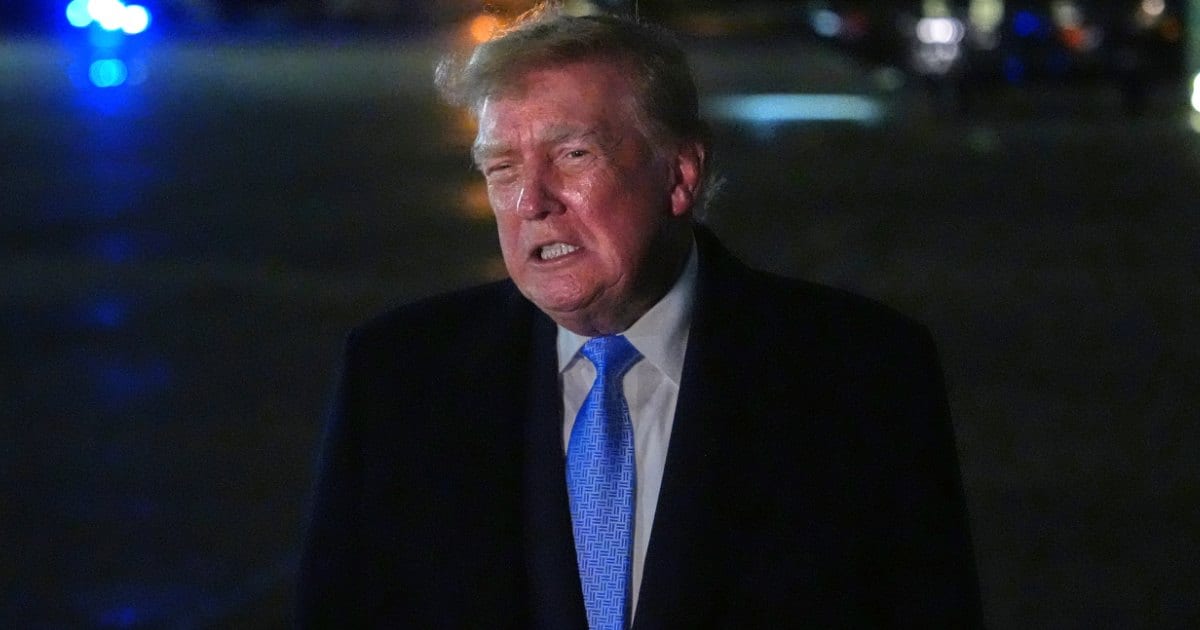
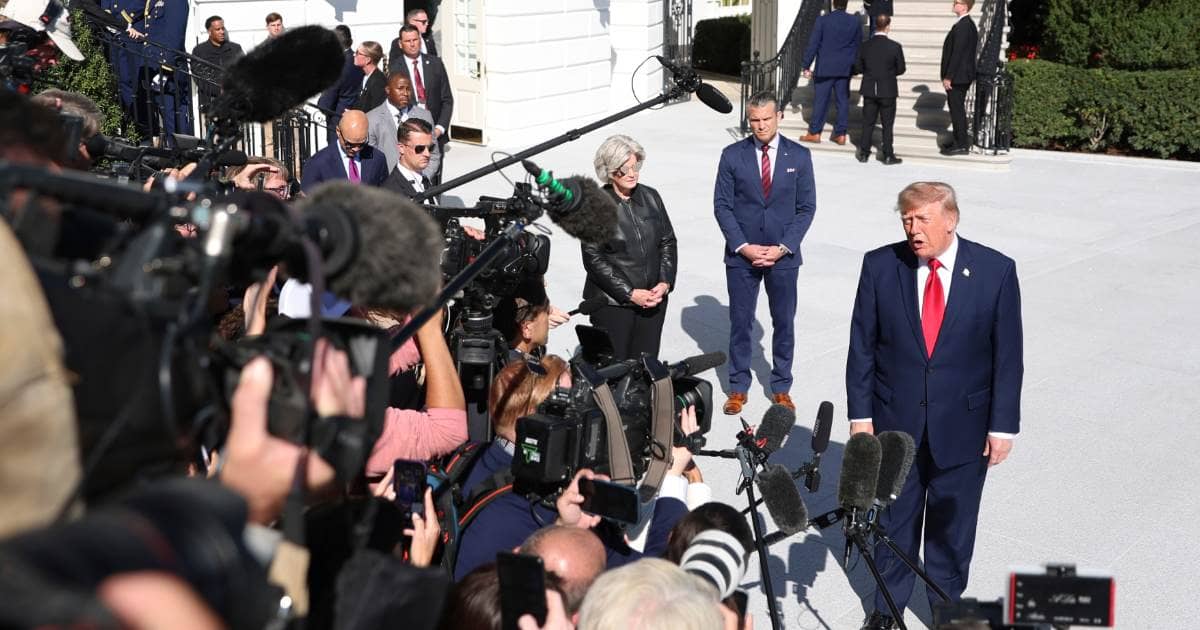
ARLINGTON, TEXAS: President Donald Trump said on Thursday, September 10, that he had demoted “tariff” from his favorite word to his fifth favorite after the press mocked him for ranking it above his wife, family, God, and religion.
He said the change followed criticism that made him look like a “terrible human being” for putting tariffs first.
Trump made the remarks during a speech at the National Medal of Honor Museum in Arlington, Texas.
Trump at National Medal of Honor Museum: You put a Tala-freak-o in or you put any one of these people in—these people that don't know what the hell they're doing. And even if they do, you know, some are very smart. They're radical left, they have crazy policies. Some are not… pic.twitter.com/eGeno6YkbH
— Acyn (@Acyn) September 10, 2026
Trump says the press changed his favorite word
Trump explained that he had once called “tariff” his favorite word but changed its ranking after the press focused on what the choice said about his priorities.
“I said my favorite word is tariff,” Trump said. He recalled the reaction: “What about your wife? What about your family? What about God? What about religion?”
He said the coverage prompted him to move the word down the list.
Trump: "I said tariff is my favorite word, and the fake news went crazy. They said, 'What about wife? What about God? Religion? Family? So, I moved tariff down to fifth." pic.twitter.com/ZYsucH40pN
— Townhall.com (@townhallcom) September 10, 2026
“He's a terrible human being when tariff is his favorite,” Trump said, describing the criticism he received.
“I made it my fifth favorite word, and now I'm okay,” Trump said.
Trump also said the media would turn his joke into a serious political story.
“You can't be sarcastic, you can't have any fun, you can't do anything that you think is cute,” he said.
President Trump ties tariffs to US factory investment
Trump then returned to tariffs as a central part of his remarks about investment and manufacturing.
He said companies building plants in the United States would avoid tariffs, while companies producing goods elsewhere could face rates of 25%, 50%, 100%, or, in some cases, 250%.
He argued that the policy was encouraging companies to build factories in the United States.
Trump said the country had gone years without building a car plant but was now seeing many new plants.
Toyota, General Motors, and Honda featured in his examples. Trump said Toyota had announced it was leaving Mexico, General Motors had announced a “massive plan,” and Honda was “coming in.”
He also said tariff revenue was producing large numbers.
“The numbers that we're taking in are incredible,” Trump said, while describing the investment and factory construction he said were taking place around the country.
Trump said companies could build plants “anywhere you want in the United States” without paying a tariff, contrasting that with rates he said could reach 250%.

Trump discusses Medal of Honor at museum
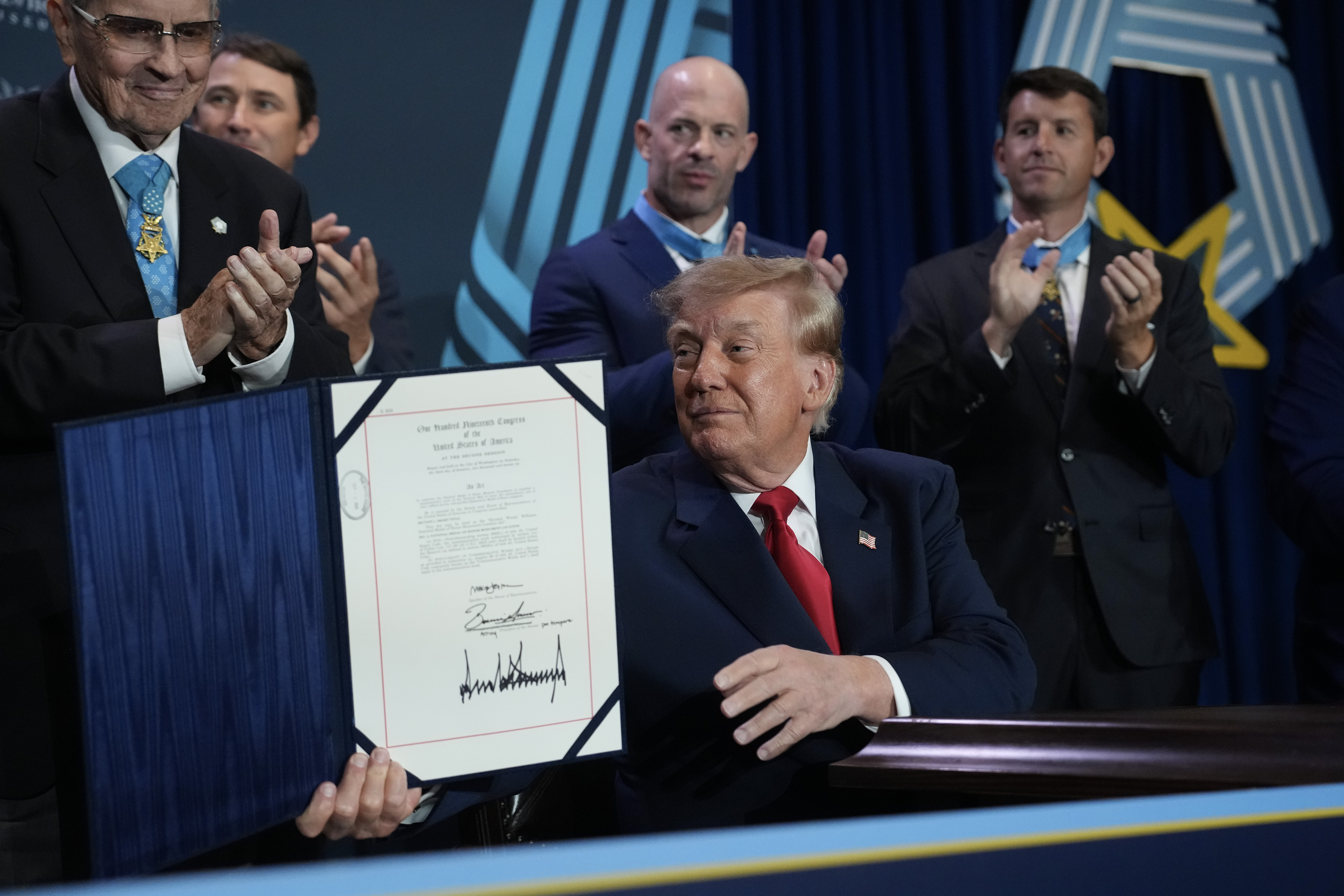
Trump's comments came during a broader speech at the museum, where he toured the facility, met with military recipients and discussed the Medal of Honor.
He praised the museum as “an American treasure” devoted to the nation's “best and bravest warriors” and said it had welcomed more than 100,000 visitors since opening last year.
Trump also discussed the distinction between the Congressional Medal of Honor and the Presidential Medal of Freedom.
He said he wanted the military honor for himself but could not award it to himself.
“I would like to,” Trump said. “I can think of no other thing.”
🚨 JUST NOW: President Trump is cracking up the whole room at the National Medal of Honor Museum, saying HE WANTS ONE for himself 🤣
— Eric Daugherty (@EricLDaugh) September 10, 2026
"I want to myself a Congressional Medal of Honor, and I've studied it, and I will give it to myself, I have no problem, but I'm not allowed to.… pic.twitter.com/fd8fkzoCjZ
He said the Congressional Medal of Honor represented a level of sacrifice different from the civilian honor, pointing to recipients who died in battle and the trauma experienced by those who survived.
The tariff comments were one part of a speech that also covered immigration, political allies, Washington, DC, and the museum's planned monument in the nation's capital.