‘I want to get Cuba done before I leave’: Trump doesn’t rule out military force
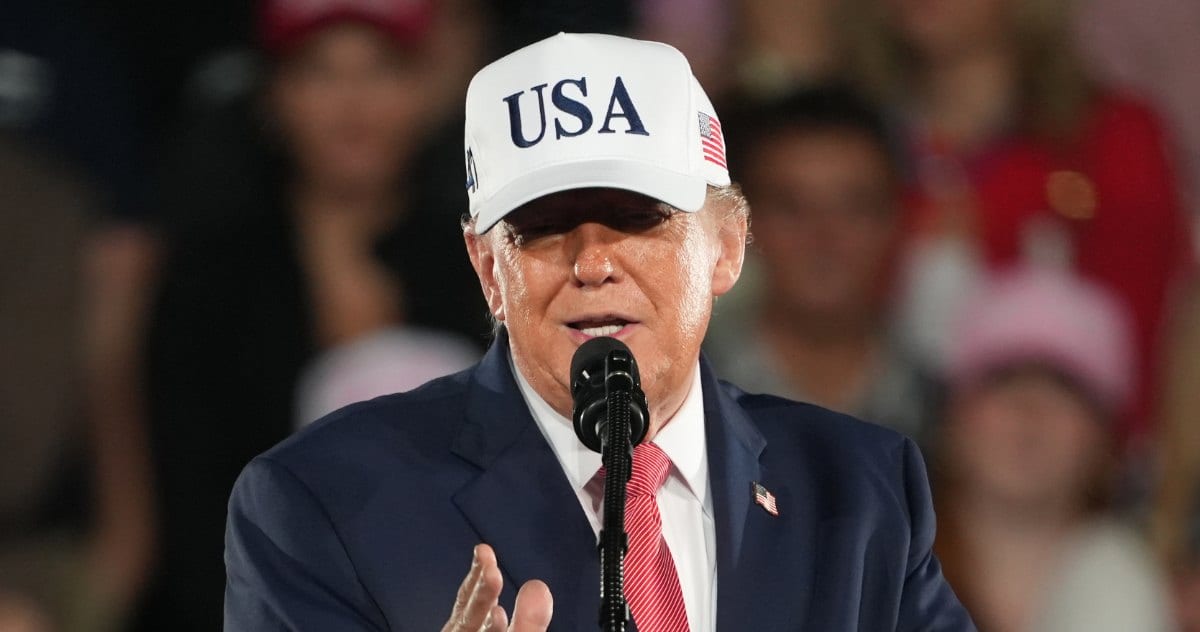
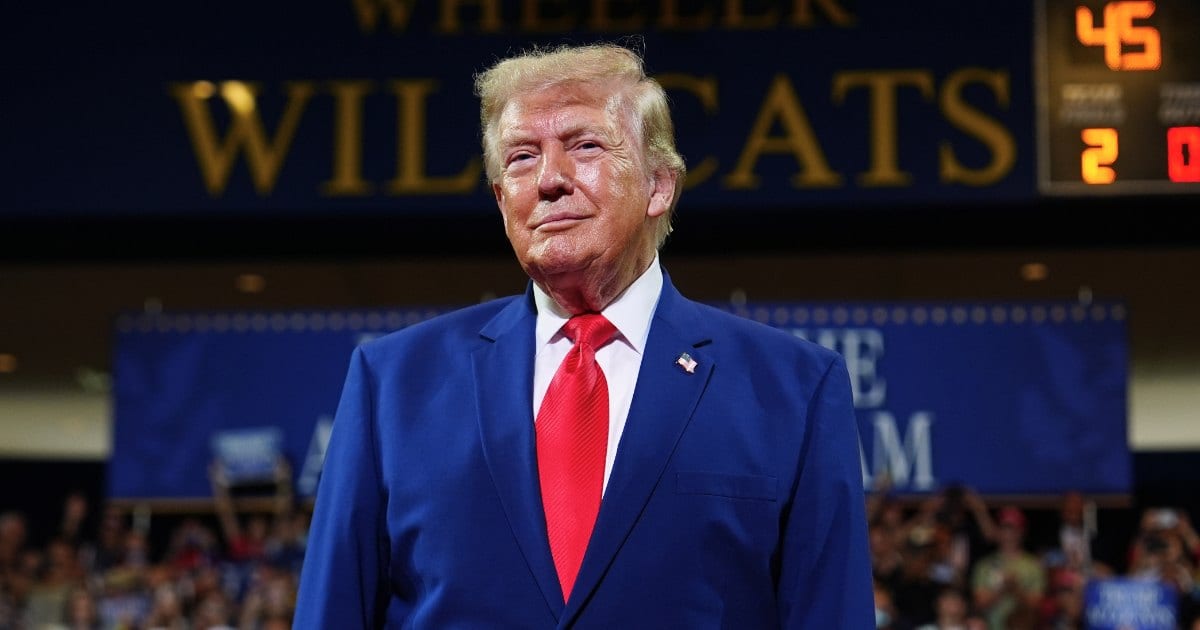
WASHINGTON, DC: President Donald Trump says he wants to resolve the situation in Cuba before his term ends and is not ruling out using military force to push for political change on the island. He shared his thoughts during a phone interview with conservative commentator Hugh Hewitt on Thursday, marking his latest comments on Cuba since last week's midterm elections.
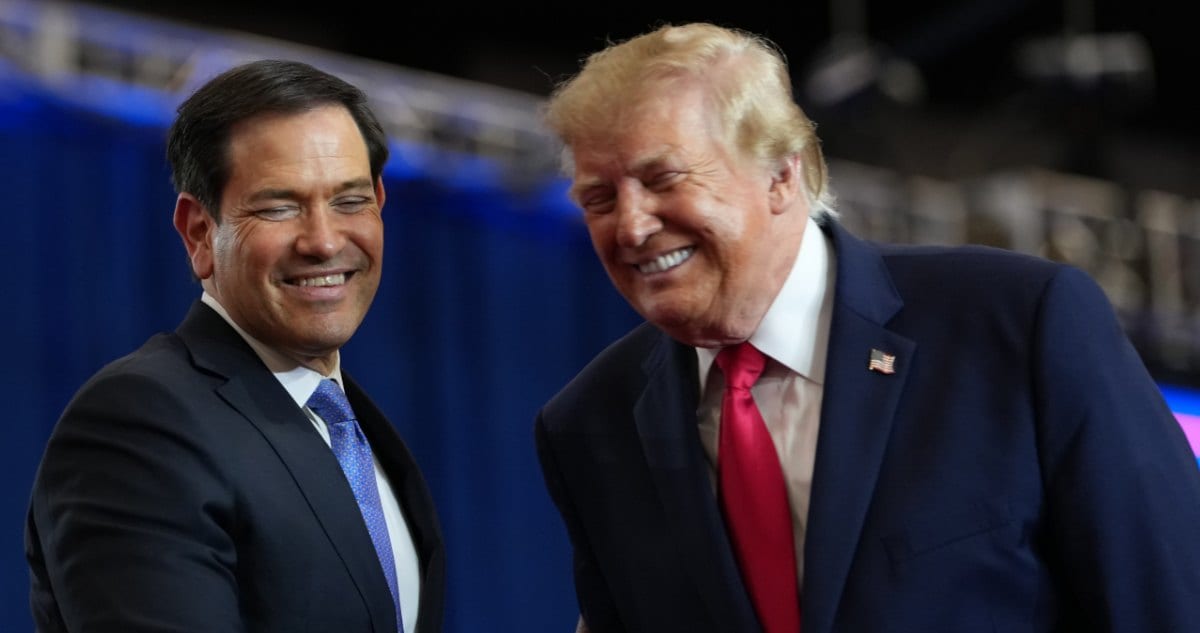
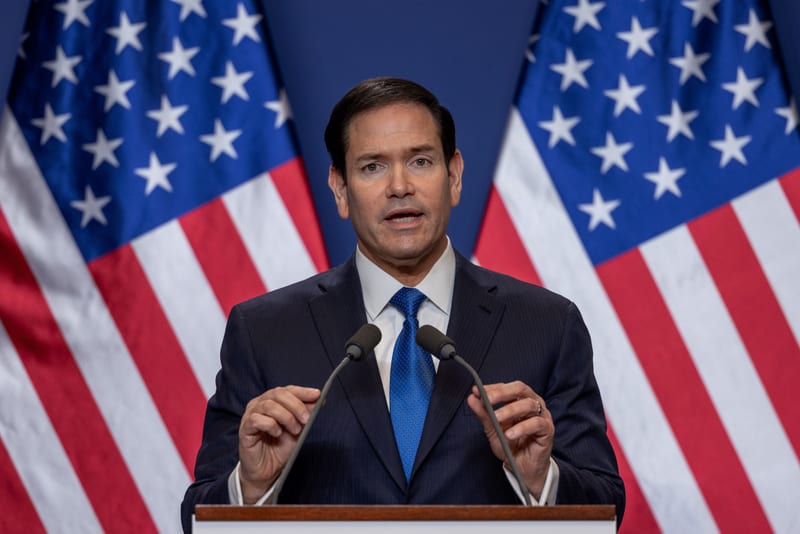
Trump emphasized that his administration was keeping a close eye on Cuba. He also highlighted Secretary of State Marco Rubio, whose parents are Cuban, as the key official who would lead the effort. While both Trump and Rubio have made several statements recently, the White House has yet to announce any concrete plans or timeline.
Trump says he wants to act on behalf of Cuban Americans
Trump described Cuba as a failing nation and said he wanted to act on behalf of Cuban Americans who had left the island.
PRESIDENT TRUMP: I want to get Cuba done before I leave, yeah. We have a very good, talented guy for Cuba named Marco. https://t.co/BLJILtcsAl
— Department of State (@StateDept) November 12, 2026
“I want to get Cuba done before I leave,” Trump told Hewitt during the phone interview.
“And we have a very good, talented guy for Cuba named Marco, because Marco’s parents are from, Marco Rubio, his parents are from Cuba, as you probably know and he would love to do that,” Trump continued. “So we’re watching it very closely. It’s doing very poorly. It’s essentially a failed, you know place, nation, whatever you want to call it.”
“It’s failed and we’re watching it. I would like to be able to do it. I won the Cuban vote by 94% in Florida and I think I’m more popular now than I was then and, fFrankly, I’d love to be able to do it for the people, for the Cubans that came and were treated really badly, and they came to America,” Trump said.
Hewitt then asked whether Trump would consider a limited military operation in Cuba.
“So if it took a little bit of military force, a week campaign, you’d be okay with that?” Hewitt asked.
“I would certainly consider that, yes,” Trump answered.
Trump's previous comments on possible US intervention in Cuba
Trump hasn’t shied away from discussing Cuba this year. Back in the spring, he told Politico that after Iran, Cuba would be next in line to give in to US pressure.
“Cuba’s going to fall, too,” he said. He also credited his administration's policies for the situation, adding, “It’s because of my intervention, intervention that is happening,” he claimed. “We cut off all oil, all money, everything coming in from Venezuela, which was the sole source.”
He also dismissed how long the issue had remained unresolved.
“How long have you been hearing about Cuba, Cuba, for 50 years? And that’s one of the small ones for me,” Trump said.
However, his position on possible military involvement has shifted over the past few months. In May, he told reporters that every president before him had considered intervening in Cuba, but “it looks like I’ll be the one that does it.”
By late September, following his United Nations speech, Trump adopted a more conciliatory tone. He said he expected the US and Cuba to reach some sort of agreement and did not believe military involvement would be necessary.
In October, however, he again raised the possibility of US warships heading back from Iran stopping off the Cuban coast. On the same day, Rubio called on Cubans who wanted change to take action.
The administration also pursued legal and diplomatic measures, announcing criminal charges against Raúl Castro. US officials also held direct discussions with their Cuban counterparts, with the talks followed by additional sanctions on Cuba.
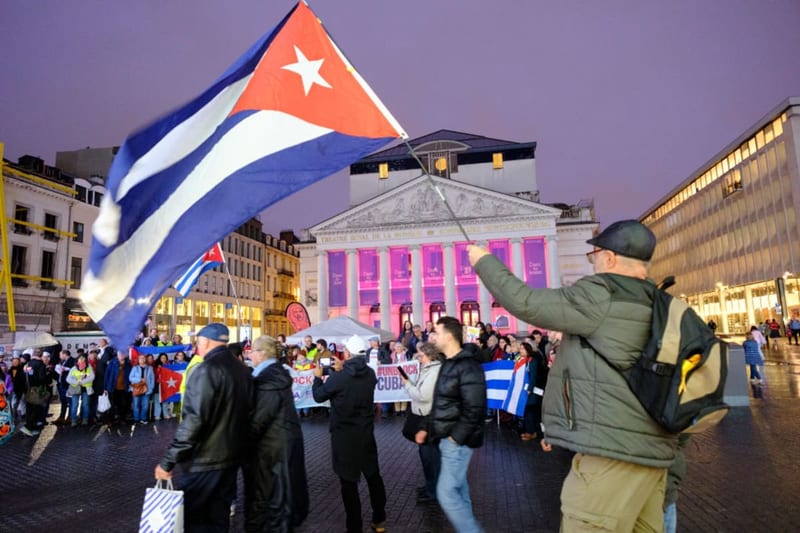
Since 2020, Cuba has faced a prolonged economic and energy crisis, with widespread power outages, food shortages and a growing wave of people leaving the country.