Iran regime ‘too afraid’ to bury Ali Khamenei weeks after US-Israeli strike
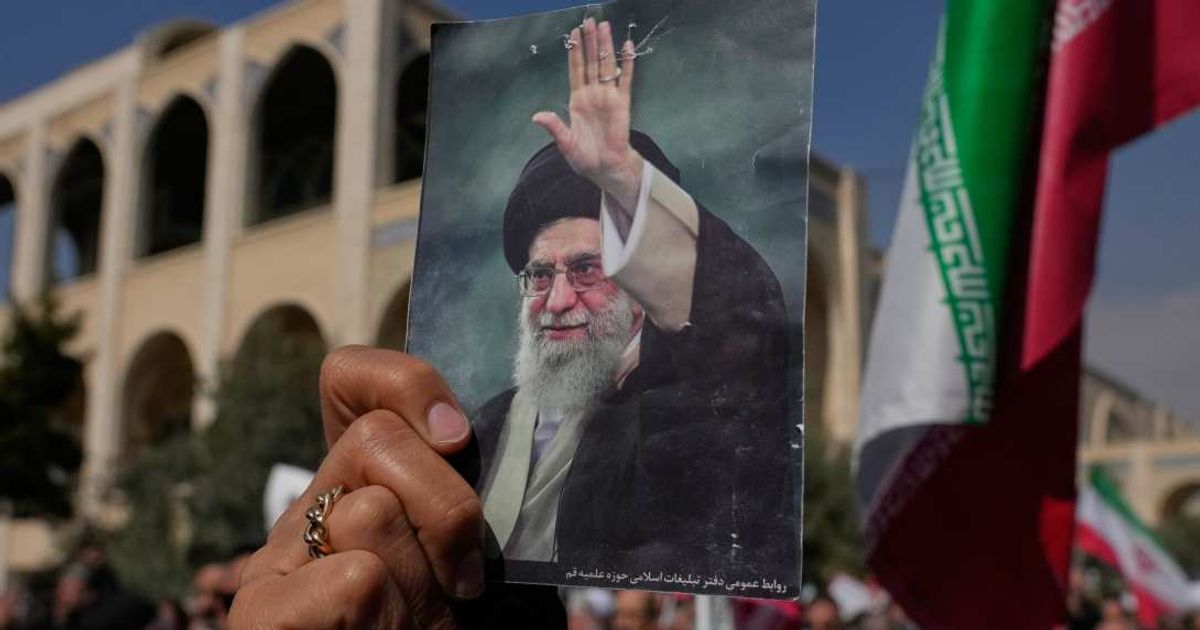
TEHRAN, IRAN: Iran has not yet buried late Supreme Leader Ali Khamenei weeks after his death, with officials citing security concerns and one analyst saying the regime is “too afraid.”
The burial site of Khamenei, who was killed at age 86 in a joint US-Israeli airstrike on February 28 that started the Iran war, remains undecided. His body is still unburied, marking a significant break from long-standing tradition in the Islamic Republic.
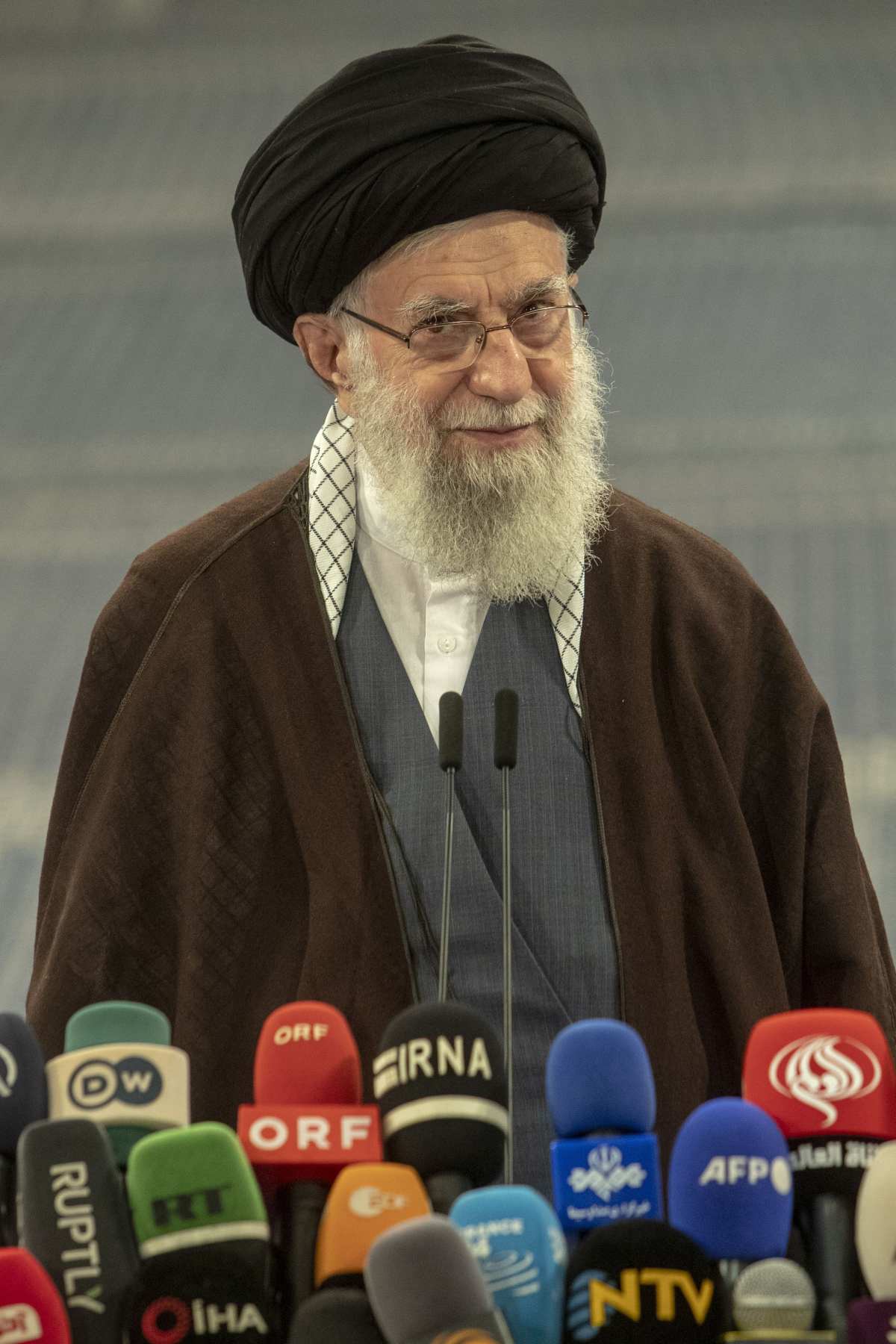
The delay stands in contrast to the massive, days-long state funeral held in 1989 for his predecessor, Ruhollah Khomeini, when millions poured into the streets of Tehran in mourning.
No such large-scale public displays have taken place for Khamenei, as weeks of sustained airstrikes across Iran have killed several top regime figures and kept the country on edge.
Iran regime 'too afraid' to bury Ali Khamenei
Behnam Taleblu of the Foundation for Defense of Democracies told the New York Post that Tehran is in no position to organize a major public funeral while the conflict remains in a fragile pause.
“Simply put, the regime is too afraid and too weak to roll the dice,” he said.
Taleblu pointed to several risks that could complicate any such ceremony, including the threat of renewed Israeli strikes, the possibility of nationalist counter-protests similar to those earlier this year, and the unexplained absence of Khamenei’s son and successor, Mojtaba Khamenei, who has not appeared publicly since taking over.
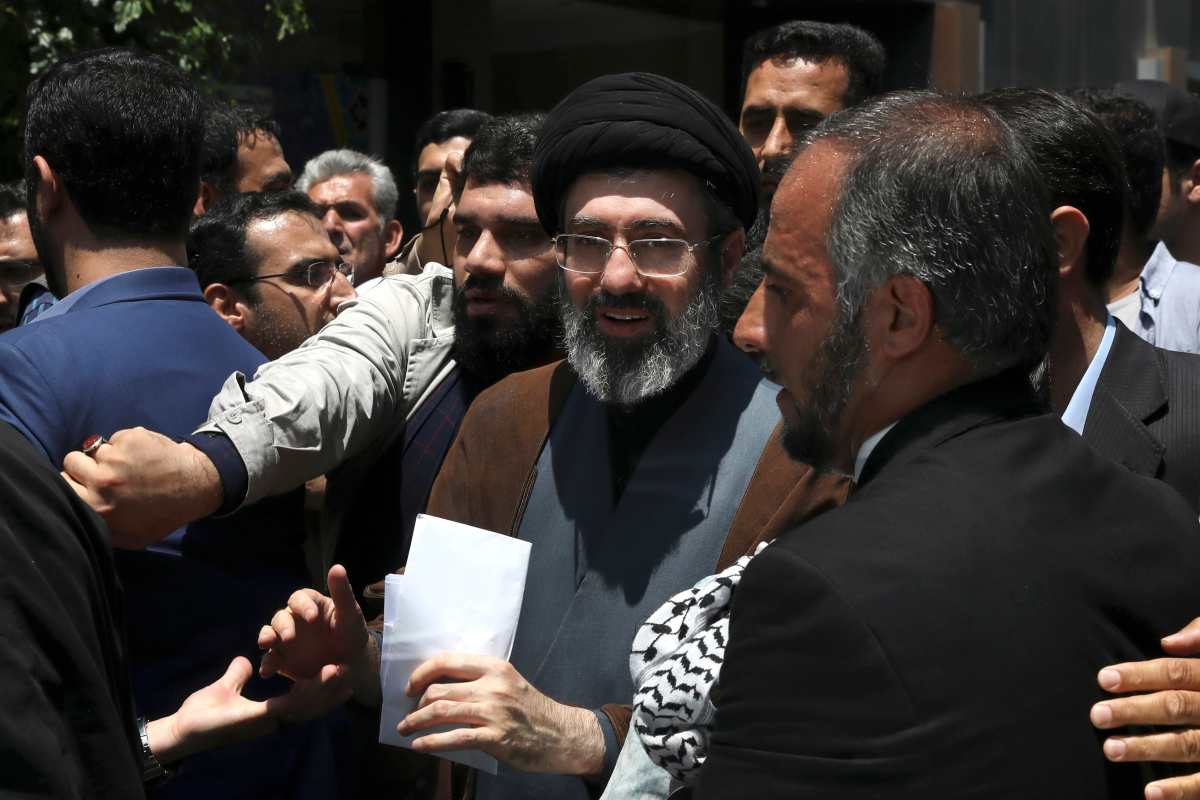
“It speaks volumes that the turnout for the funeral of the regime’s founding father in 1989 was such a massive affair, and yet one generation later his successor is still not able to have a funeral well over a month after his passing,” Taleblu continued.
“The Islamic Republic likes to talk a big game about owning the streets, but a 50-day internet blackout tells you all you need to know. The regime fears the consequences of the truth getting out," he added.
Mashhad emerges as Khamenei burial site option
Iranian officials are now weighing the northeastern city of Mashhad as a potential burial location, according to state-linked reports cited by The Australian.
Mashhad, located near the border with Turkmenistan and far from Israel, is both strategically and symbolically significant. It is Khamenei’s hometown and a major religious hub. It is also home to the revered Imam Reza shrine, a 9th-century site that draws millions of Shi’ite pilgrims annually.
One proposal under consideration would place Khamenei’s grave near the shrine, where an already heavy security presence could help safeguard the site.
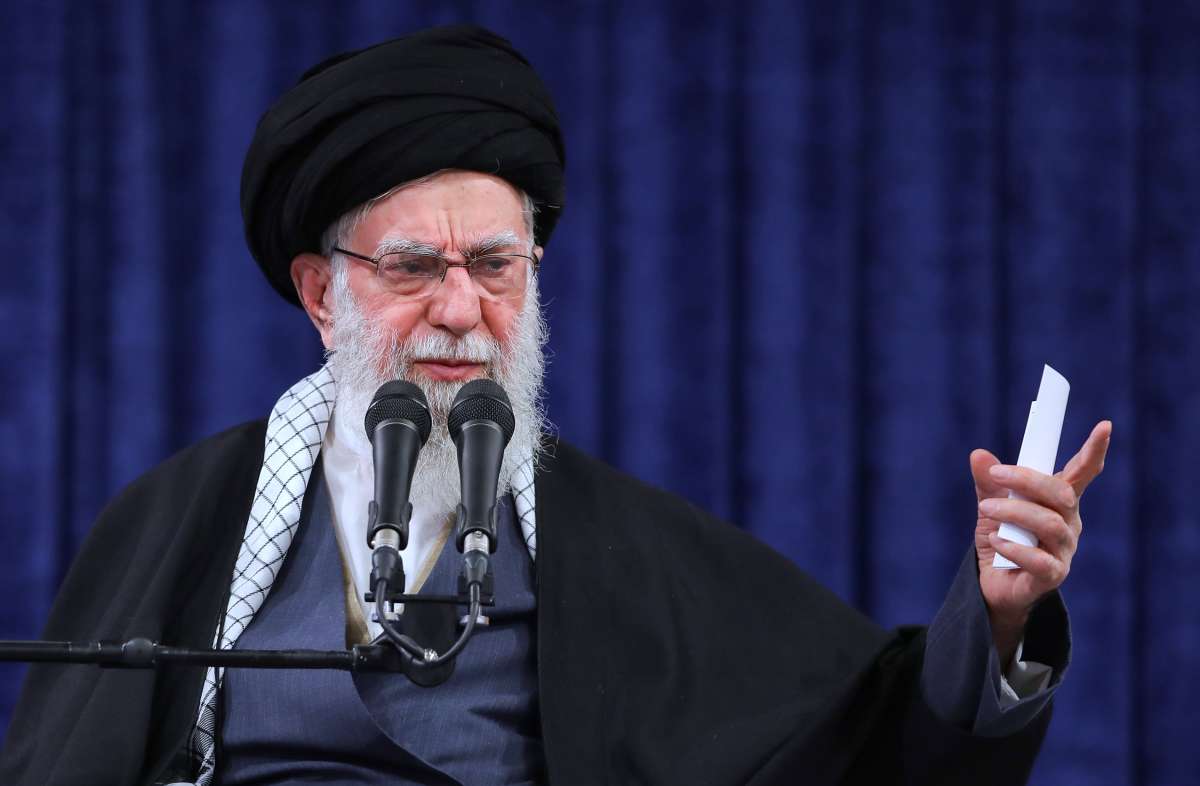
Initial plans called for a three-day state funeral beginning March 4, according to the Islamic Republic News Agency. Those arrangements never materialized as US and Israeli bombing campaigns intensified.
The government later abandoned the plans, with state media suggesting the delay was due to expectations of an “unprecedented turnout,” a claim reported by Gulf News. In practice, the ongoing conflict appears to have made any large public gathering too risky.
Meanwhile, no date has been set for the burial. A temporary truce between the United States and Iran, signed on April 8, remains in place for now but is set to expire on April 22.