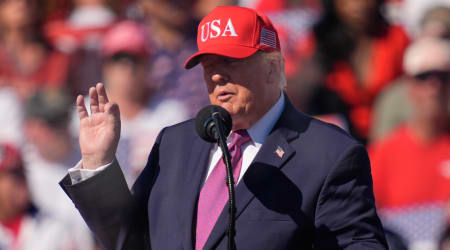
Judge again blocks Trump administration from implementing order aimed at limiting mail voting
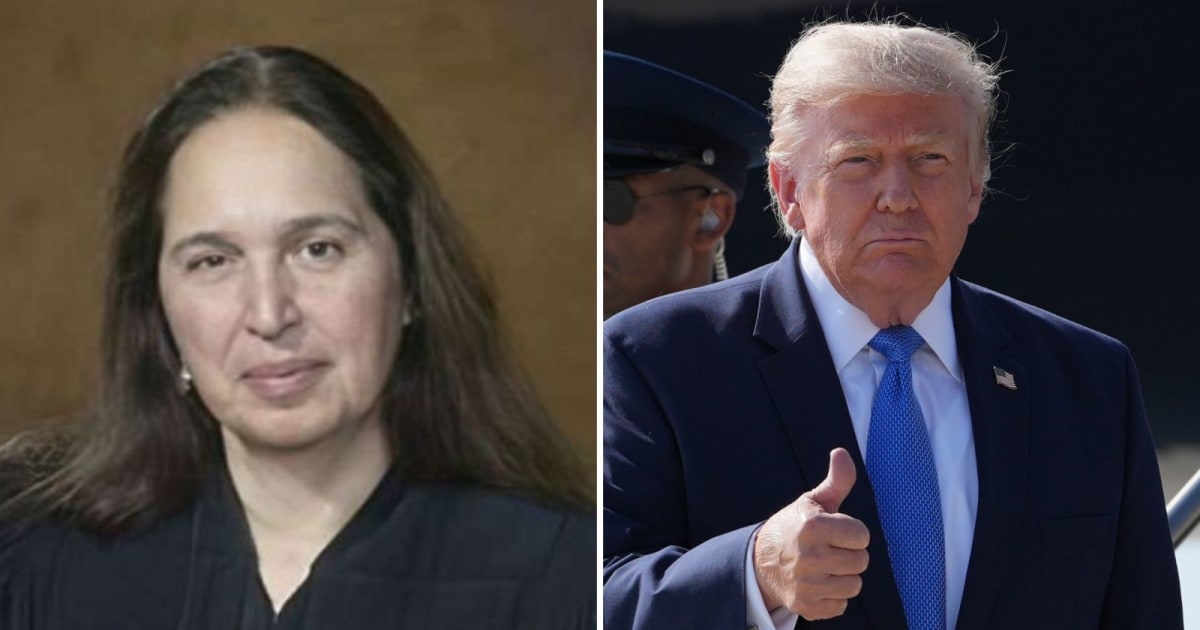
WASHINGTON, DC: On Tuesday, Aug 11, a federal judge in Boston blocked President Trump’s executive order. The order aimed to create a federal voter list and force the US Postal Service into running certain parts of election operations, ultimately restricting mail-in voting. This decision hands the administration yet another legal defeat just ahead of the November midterms.
Judge Indira Talwani of the US District Court had already stopped Trump’s order, which he signed back in March. This was his second try during his second term to set national election rules. On June 25, Judge Talwani granted summary judgment to the Democratic state attorneys general, firmly siding with the plaintiffs.
Judge cites approaching midterms and limits on executive power
Tuesday's ruling creates another legal hurdle for the Trump administration to overcome should it get the initial injunction lifted by the US Supreme Court.
🚨 Judge Indira Talwani has issued a new injunction blocking USPS from implementing President Trump's executive order on mail-ballot rules for the 2026 midterms. The Supreme Court is currently weighing two requests to lift her earlier injunction against the same executive order. pic.twitter.com/OtiHULUYK5
— SCOTUS Wire (@scotus_wire) August 11, 2026
"That it is now less than 90 days before the November 3, 2026 midterm elections underscores the critical need for an injunction to prevent Defendants from changing election rules on the eve of the election," she wrote.
In the latest lawsuit, Talwani, who Democratic President Barack Obama nominated, sided with the League of Women Voters and other voting rights groups.
Her ruling granting a preliminary injunction barred the Postal Service from taking any steps to implement the order for this year's midterm elections.
She said the administration has so far declined to defend the constitutionality of the executive order.
"The executive branch has no authority to regulate elections," she wrote.
The White House pushed back on the ruling without directly addressing its legal reasoning.
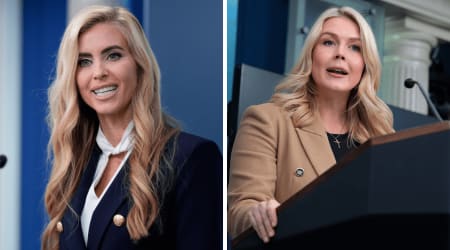
"The entire Trump Administration will continue lawfully enacting the agenda President Trump was elected to enact, which includes the safety and security of American elections," White House spokeswoman Lauren Bis said in a statement. "This campaign pledge from the President is why millions of Americans sent him back to the White House."
Part of a broader, largely unsuccessful legal push
In both Boston lawsuits, the plaintiffs said only states and Congress can set election rules, not the president.
They argued that neither the Postal Service nor the other defendants had the authority to follow Trump’s order.
The Trump administration pushed back, saying the plaintiffs didn’t have standing and took their claims to court too early. An administration lawyer argued the supposed harms were just speculation, since the voter list could still change before it was set in stone.
Trump’s order came after Congress failed to pass a voting overhaul bill he supported.
The order would have told the federal government to create a list of eligible voters, and then have the Postal Service send mail ballots only to those people. Election officials said this idea was easy to abuse, and the postal workers’ union stood against it, too.
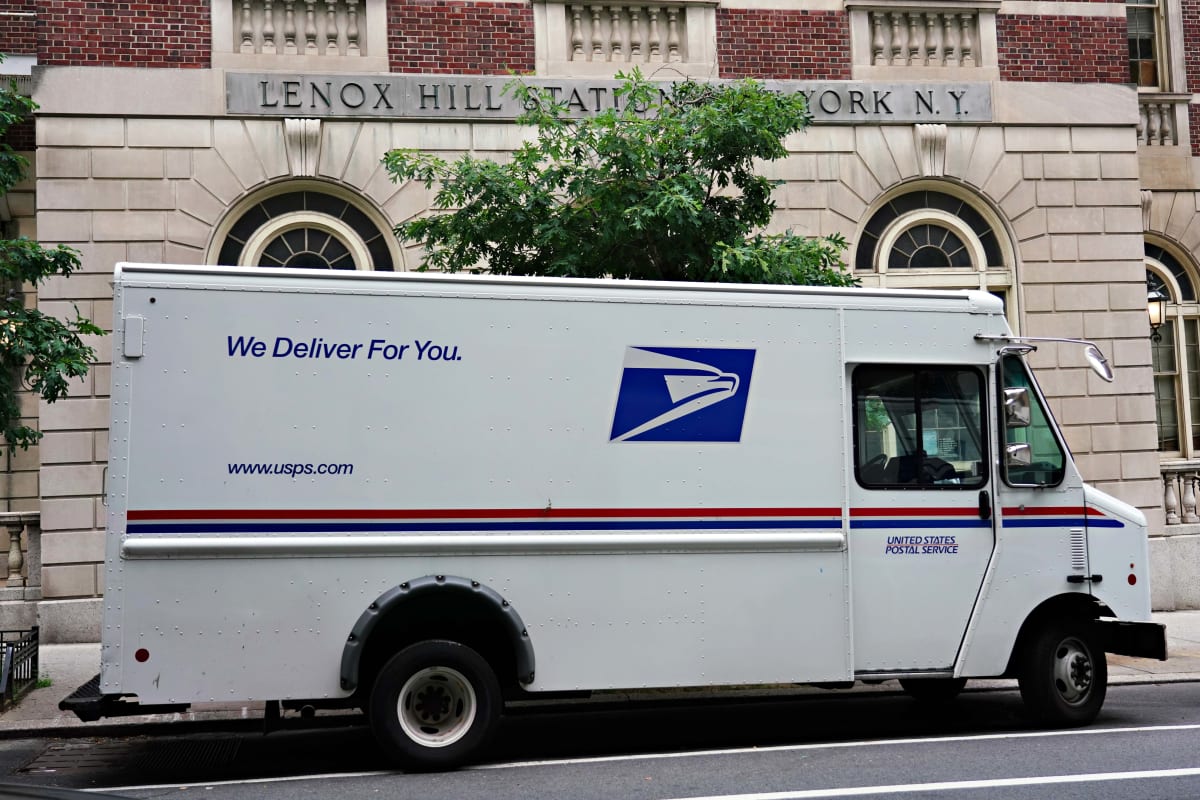
Other rulings have gone against the Trump administration's first executive order on elections, signed just months after he took office in his second term.
That order would have required people to show documents proving their citizenship when registering to vote, among other changes.
Since losing the 2020 presidential election to Joe Biden, Trump hasn’t let up on his claims that mail-in voting is full of fraud.
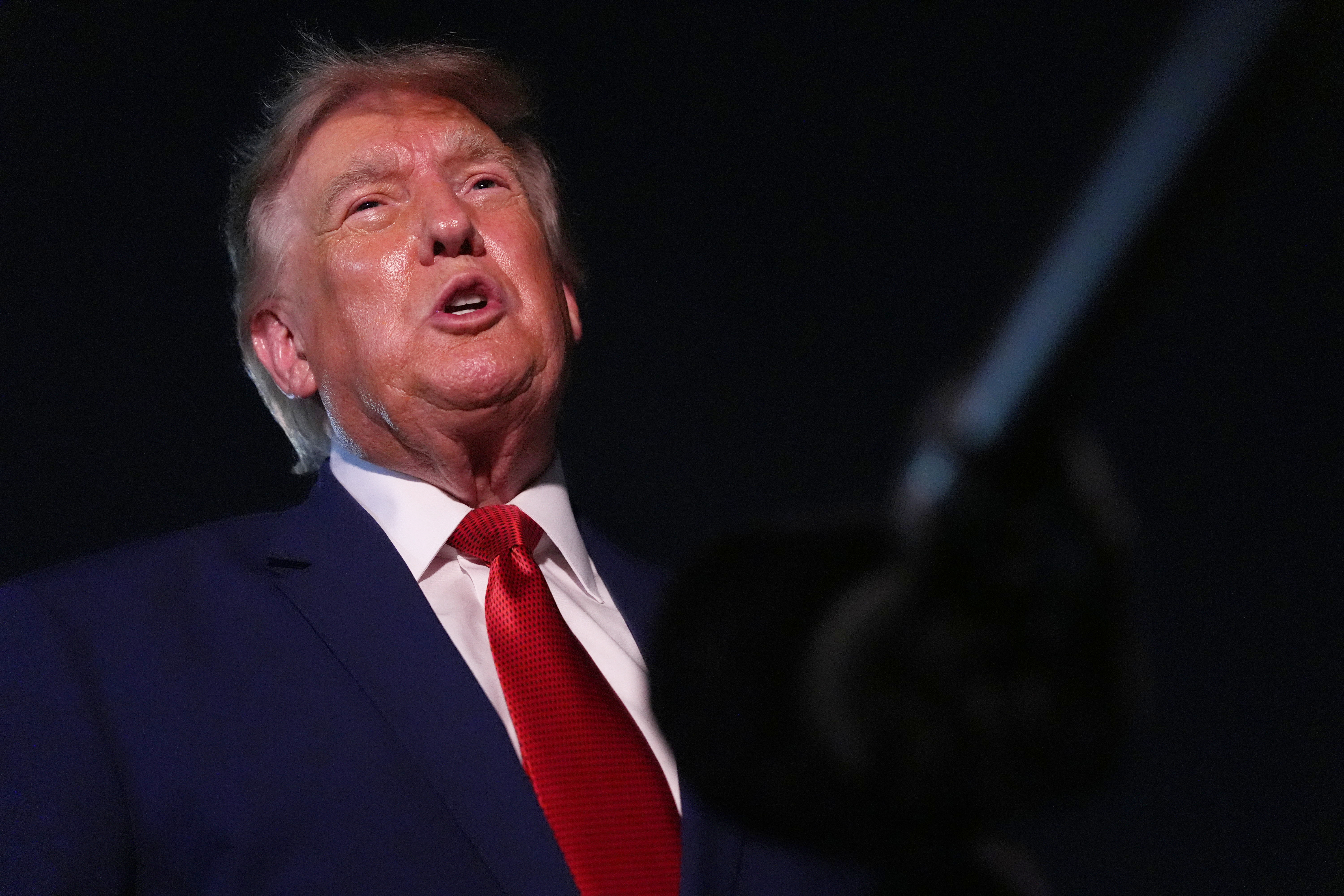
He even launched a federal investigation into the 2020 results, despite the fact that multiple audits and investigations, including some led by Republicans, turned up no evidence of widespread fraud.