Judge tosses Kennedy Center lawsuit against musician who canceled gig over Trump name
D.C. Superior Court judge dismisses lawsuit against musician who backed out of Kennedy Center gig https://t.co/ieDPwNmcXI
— John Solomon (@jsolomonReports) June 6, 2026
WASHINGTON, DC: Jazz musician Chuck Redd scored a courtroom victory after a judge dismissed a lawsuit brought by the Trump-renamed Kennedy Center over his decision to cancel a Christmas Eve performance.
The ruling marked the end of a months-long legal dispute that grew out of opposition to the Kennedy Center's effort to add President Donald Trump’s name to the venue. Redd later said he was "very pleased" with the outcome.
Judge dismisses Kennedy Center lawsuit against Chuck Redd
The lawsuit stemmed from Redd's withdrawal from the Kennedy Center's annual free 'Christmas Eve Jazz Jam' after the White House announced Trump's name would be added to the performing arts institution.
Former Kennedy Center president Richard Grenell quickly blasted the move and threatened legal action, accusing Redd of staging "this political stunt.”
In a letter to the musician, Grenell wrote: "Your decision to withdraw at the last moment - explicitly in response to the Center's recent renaming, which honors President Trump's extraordinary efforts to save this national treasure - is classic intolerance and very costly to a non-profit Arts institution."
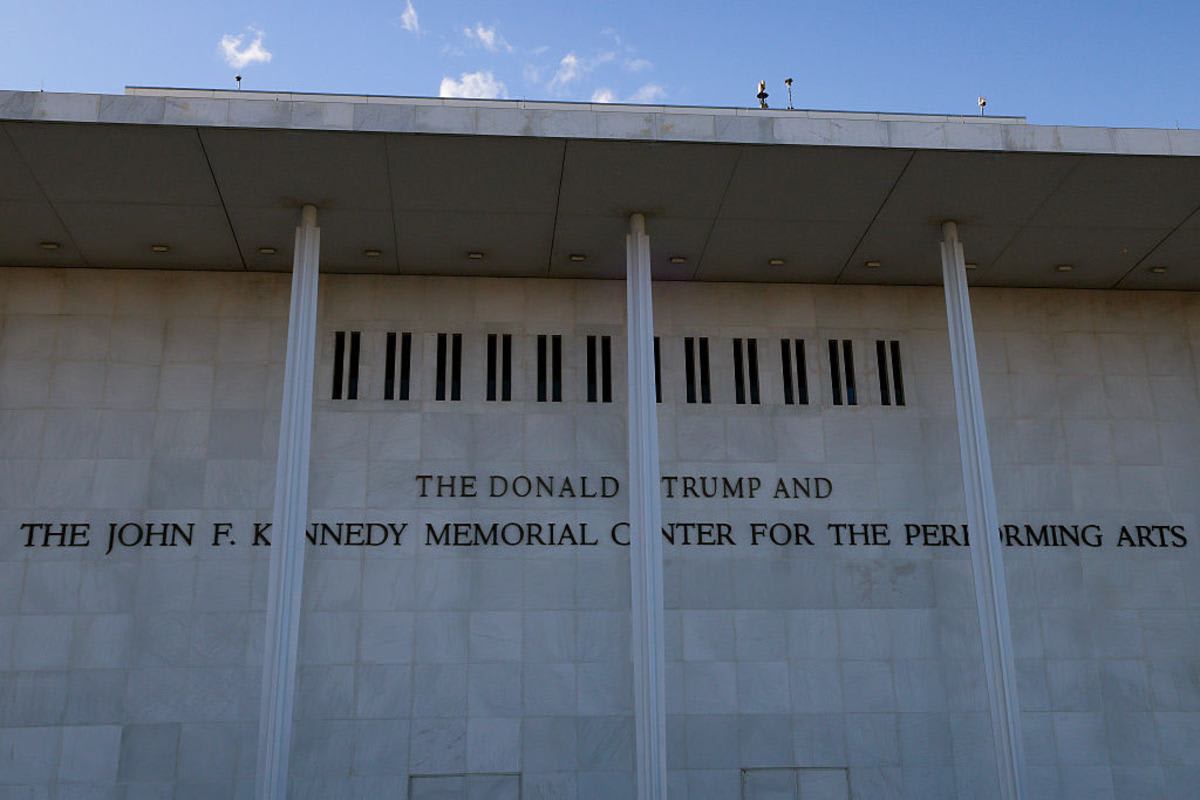
The Kennedy Center later sued Redd in March. Court filings also included a settlement proposal requiring him to pay $7,500, perform at this year's concert and avoid making "political commentary" about his withdrawal.
DC Superior Court Judge Tanya Jones Bosier dismissed the case, finding that Kennedy Center officials failed to show there was a legally binding agreement requiring Redd to perform.
"I could not find a valid breach-of-contract claim here," Bosier said, according to The Washington Post.
"There's no dispute that he did not sign the 2025 agreement," the judge added.
Anti-SLAPP ruling helps Chuck Redd win case
Bosier granted Redd's motion to dismiss under Washington's anti-SLAPP law, which is designed to prevent lawsuits that seek to silence speech on matters of public interest.
That finding became a central reason the case collapsed.
Redd's attorney, Lisa J. Banks, argued the lawsuit was never simply about a canceled performance.
"The Center sued Mr Redd because he publicly and rightly objected to adding Donald Trump's name to the Kennedy Center, a living memorial to former President John F Kennedy," Banks said in a statement.
She went further, calling the legal action "political retribution, pure and simple, by the Trump Kennedy Center".
Banks added that "the Court correctly saw it as such in dismissing the case with prejudice."
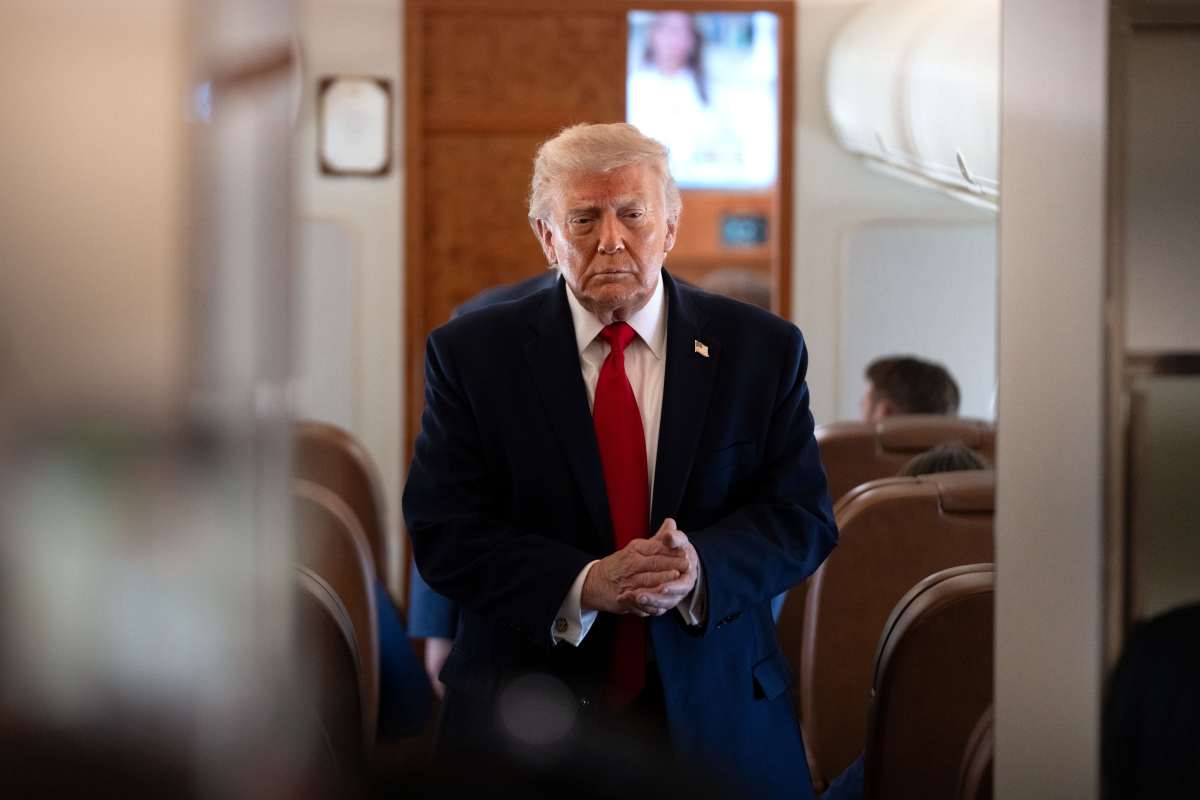
Kennedy Center renaming dispute faces ongoing legal scrutiny
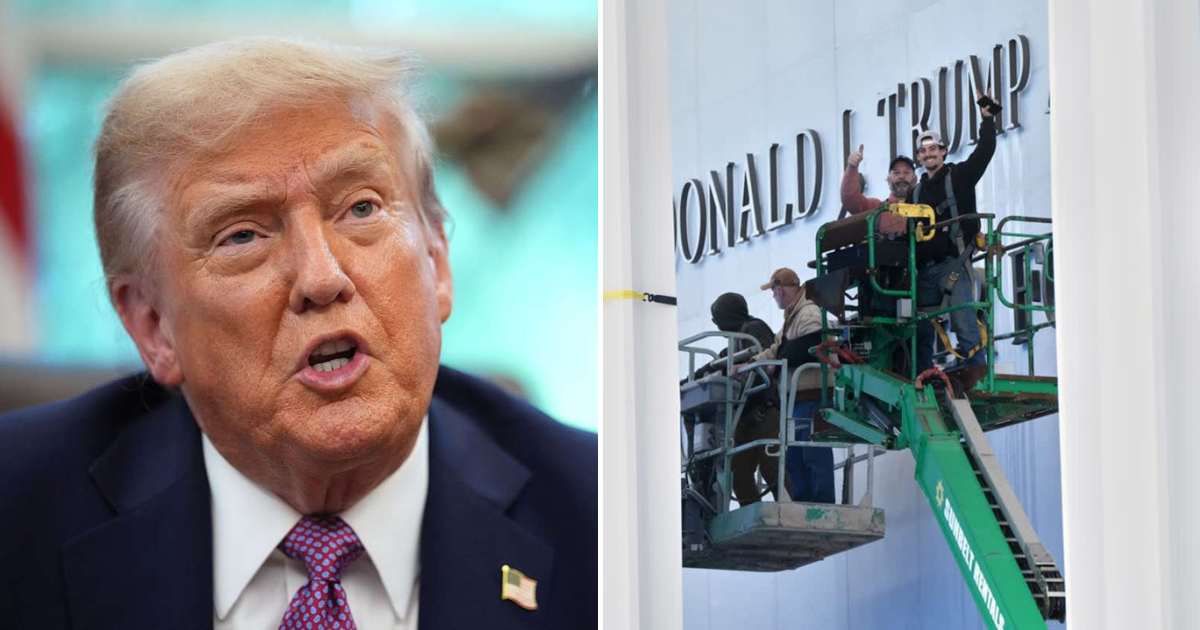
The ruling arrived just days after another judge ordered Trump's name removed from the Kennedy Center's facade and website.
That judge ruled the center, which Congress designated as a living memorial to President John F. Kennedy, cannot be renamed without an act of Congress.
While Redd's legal fight is now over, the broader dispute surrounding the Kennedy Center's renaming continues to face court scrutiny. The dismissal also leaves unanswered questions about how far officials can go in pursuing legal action against artists who publicly oppose decisions tied to the institution's leadership and direction.