'My uncle would not recognize': RFK Jr explains why he left Dems after party 'lost its way'
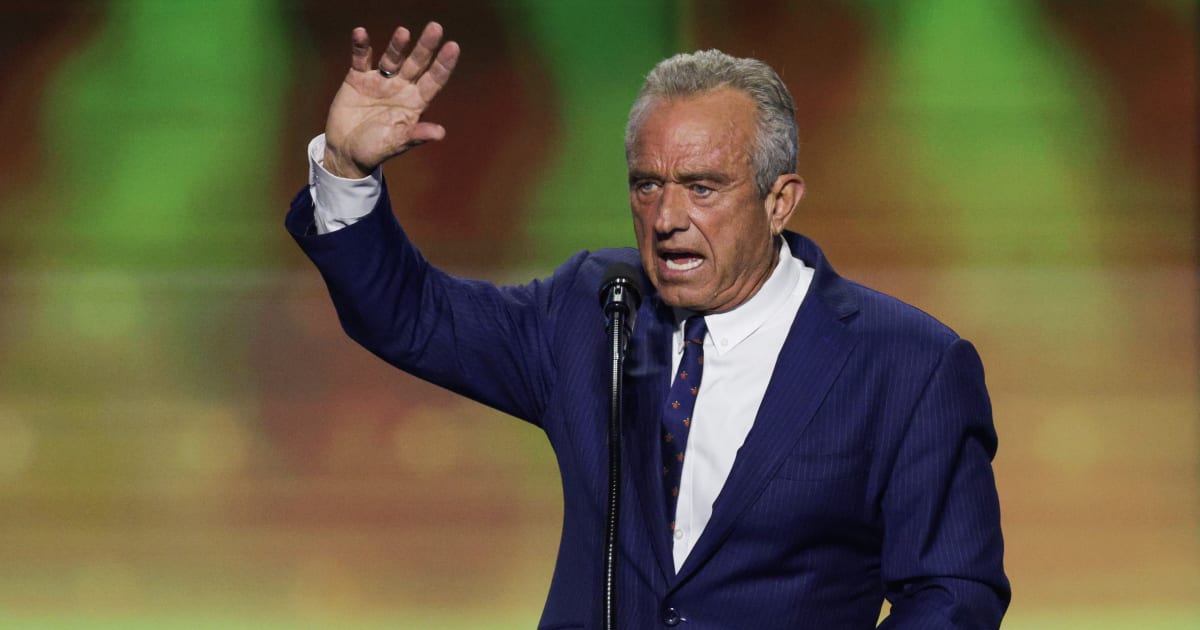
DALLAS, TEXAS: Health and Human Services Secretary Robert F Kennedy Jr, on Thursday, September 10, the second day of the first Republican national convention in Dallas, sharply criticized the modern Democratic Party, drawing on the political legacy of his uncle, late President John F Kennedy, and his father, Robert F Kennedy.
Kennedy said that the Democratic Party he grew up in was defined by strong principles, support for working Americans, and opposition to excessive government and corporate influence. He argued that Democrats have since abandoned those positions and become focused solely on extreme opposition to President Donald Trump.
RFK Jr recalls Democratic Party roots and traditional values
Kennedy opened his remarks by highlighting the unusual setting of his appearance, noting that he had spent most of his life attending Democratic conventions and had spoken at several of them.
“So I'm 72 years old, and for 70 years of my life, I would have bet any amount of money that I would not be addressing a Republican convention. The irony of my presence here is inescapable. I attended my first Democratic convention in 1960 when I was six years old, and I attended most of the Democratic conventions, after that, and I spoke as a keynote speaker in many of them,” Kennedy said.
🚨 JUST IN: HHS Sec. Bobby Kennedy just WALKED OUT to an electric crowd at the RNC and dropped this incredible line on joining MAGA
— Eric Daugherty (@EricLDaugh) September 11, 2026
"I am 72. For 70 years of my life, I would've bet any amount of money that I would not be addressing a Republican convention!" 🔥
"I grew up in a… pic.twitter.com/zpc1zxGE2y
He described the Democratic Party of his childhood as one that emphasized strong national defense, tax cuts, support for labor and the middle class, free speech, and competition. Kennedy specifically pointed to his uncle's political platform as an example of those positions.
“My uncle ran on a platform of tax cuts, strong defense, and fighting communism. Does that sound familiar?” he said.
Kennedy said that the Democrats once maintained a stronger connection with working Americans and public institutions, while also being skeptical of centralized government power and corporate privilege, a touch he claimed they have now lost.
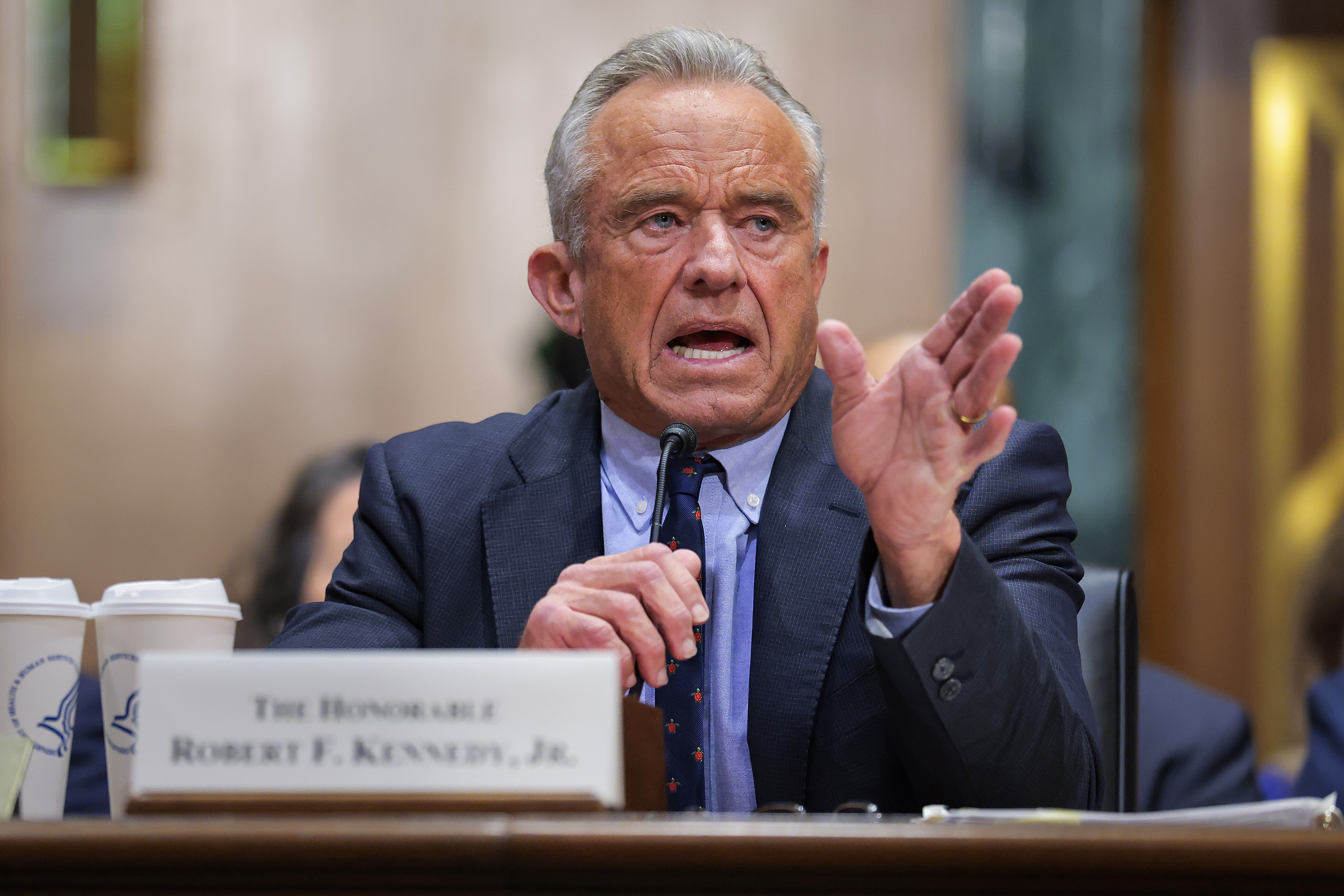
He said the party then became the "Democratic Party became the party of elites," increasingly aligned with major industries and institutions, including Big Pharma, Big Tech, Big Ag, Big Food, Big Insurance, and the mainstream media.
RFK Jr says Democrats now focus on opposition to Trump
Kennedy's sharpest criticism of the party centered on what he described as the Democratic Party's opposition to Trump. He argued that Democrats had moved away from offering a broader set of policy positions and instead focused heavily on opposing the president.
“The Democrats abandoned all of these values and all of their traditional values, offering Americans only one policy, the one policy that they stood for: the unbridled, sociopathic, and blind hatred of a single man, Donald J Trump,” Kennedy said.

He then accused Democrats of abandoning accountability and allowing what he characterized as widespread government waste and corruption.
“The Democrats dismantled the public integrity safeguards and opened the floodgates to thieves and fraudsters, who fleeced the American medical regulatory agencies for a hundred billion dollars annually during every year of the Biden administration.”
Kennedy said those changes represented a fundamental break with the Democratic Party of his family. “The Democratic Party, in short, lost its way,” he said.
RFK JR is absolutely EVISCERATING the modern Democrat Party from the GOP Midterm Convention stage: "Neither my father nor my uncle would RECOGNIZE the Democratic Party of today." pic.twitter.com/QnS7mE1xrA
— TheBlaze (@theblaze) September 11, 2026
The health secretary then tied that conclusion directly to his family's political legacy, saying, “I mourn the fact that neither my father nor my uncle would recognize the Democratic Party of today.”