New Orleans cruise ship captain stayed aboard despite injuries to ensure all passengers were rescued
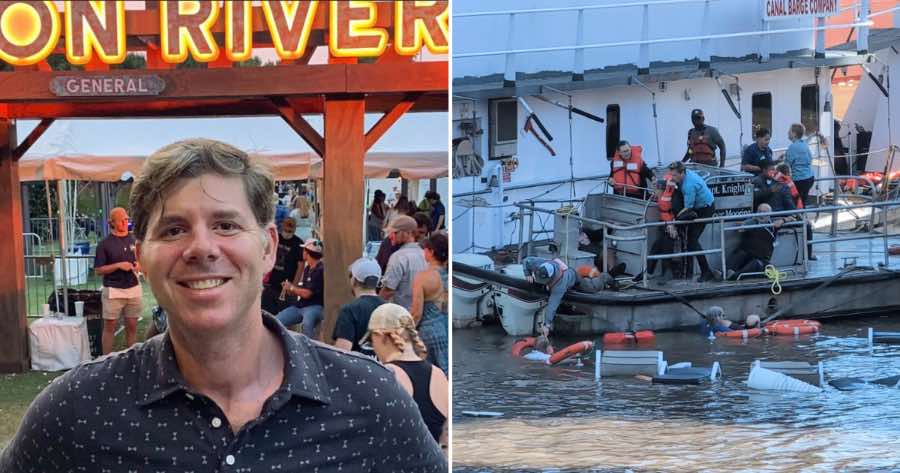
NEW ORLEANS, LOUISIANA: Captain Leonard Stewart refused to leave his cruise ship even after it began capsizing, determined to make sure everyone aboard was accounted for. Despite being injured himself, he remained on the vessel until he knew the passengers and crew were safe.
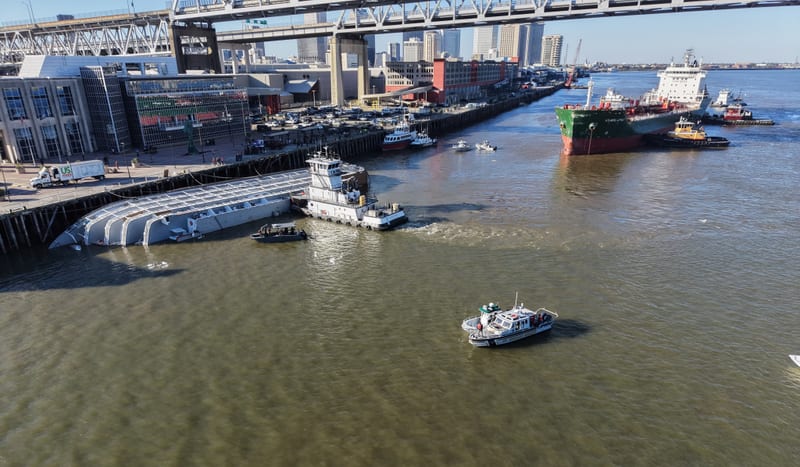
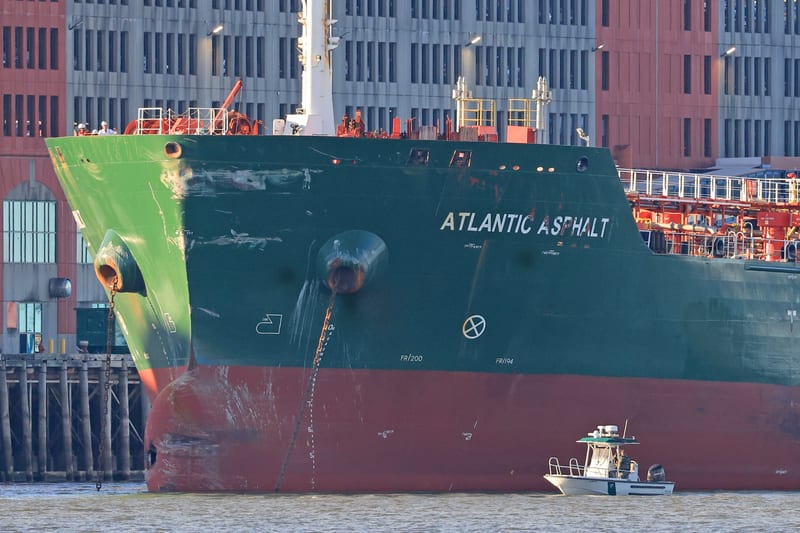
The American Heritage, operated by American Cruise Lines, was struck by the 520-foot tanker Atlantic Asphalt at around 12.30 pm on Friday, November 13, while docked on the Mississippi River in New Orleans. The collision sent around 100 people into the river, but all 191 passengers and crew survived.
Captain Leonard Stewart stayed aboard capsizing cruise ship despite injuries
New Orleans Mayor Helena Moreno revealed on Saturday that Stewart was the last person to leave the vessel. He initially refused medical attention as rescue efforts continued and passengers were pulled from the water.
American Cruise Lines also praised the captain and crew for their response, saying Stewart had "remained on the bridge as the vessel capsized, calling for aid and keeping the ship alongside the dock for as long as possible."
The cruise line credited its quick actions with helping evacuate the vessel after the collision.
Moreno described the outcome as "truly a miracle on the Mississippi" after everyone aboard survived.
Rescue teams pulled passengers from Mississippi River
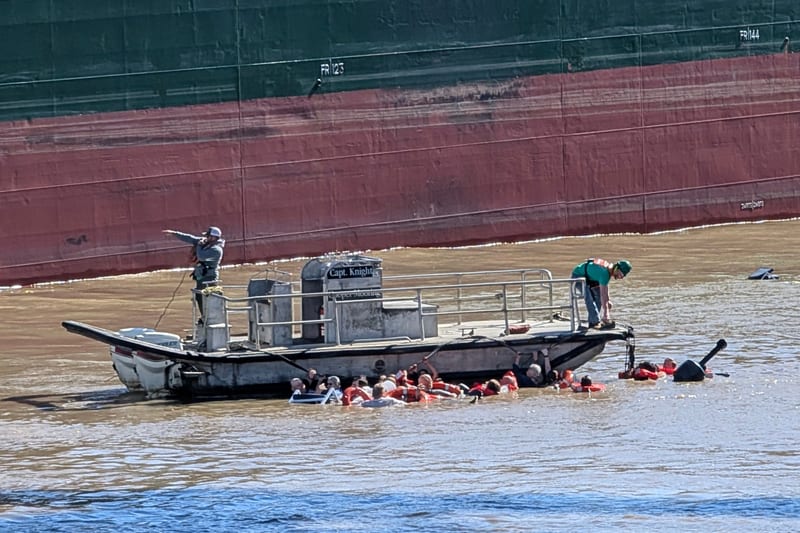
New Orleans Harbor Police Chief Melanie Montroll said emergency responders removed 87 people from the boat while it was still afloat. It took another 30 to 45 minutes to make sure everyone else was safely out of the river.
She also credited life jackets for helping prevent further casualties.
"Whether it's 10 feet of water or 200 feet, having those vests, having that population put those vests on and kind of float upriver while we retrieve them, I think was the best factor of success," Montroll said.
Brian Clesi, captain of another boat, also joined the rescue with his crew. They traveled roughly a quarter-mile in a small rescue boat to help passengers.
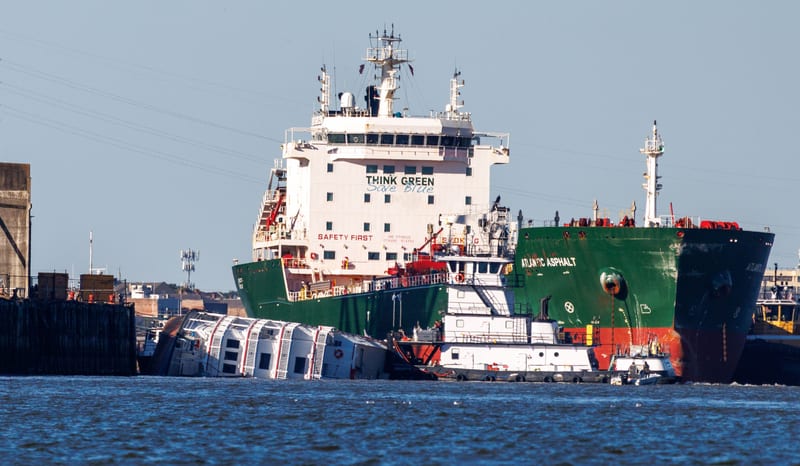
"We rescued about nine people," Clesi, who has worked with the Creole Queen paddle-wheeler for 32 years, told WDSU. "Only two of the people had life jackets on."
Passenger Joe Knab recalled how frightening the experience was after he ended up in the water.
"I thought I was drowning because I kept bobbing underneath," he said. "And the water doesn't taste very good."
Knab estimated that he spent around 15 minutes in the river after the collision. He also said the tanker had honked multiple times as it approached the cruise ship.
Eight people remain hospitalized after cruise ship collision
Although everyone aboard survived, the incident left several people injured. Officials said 32 people had initially been taken to hospitals, with eight still hospitalized as of Saturday, including two in serious condition.
Two of those receiving treatment were New Orleans Harbor Police officers who had jumped into the water to rescue passengers, Moreno said.
More than 50 passengers were also put up at the Hilton Riverside hotel after the crash. City health director Jennifer Avegno said the "vast majority" of their belongings were now in the river.
Officials are helping passengers replace missing keys and obtain essential prescription medications.
NTSB investigates possible tanker steering issue
The National Transportation Safety Board (NTSB) has sent a 16-member team to New Orleans to investigate the collision. Investigators are looking into a possible steering issue involving the tanker.
Coast Guard Captain Melanie Burnham said there was no indication that the incident was te**orism-related.
She also said the American Heritage had roughly 16,000 gallons of fuel on board, with authorities working on a plan to remove it safely. The process of removing the damaged vessel from the Mississippi River is expected to take weeks.
Meanwhile, the Board of Commissioners of the Port of New Orleans filed a lawsuit hours after the collision, claiming the tanker caused at least $1 million in damage to the terminal. The lawsuit was also filed to ensure federal investigators could seize the vessel, which is owned by a subsidiary of a Chinese company.
The NTSB team is expected to spend one week investigating the crash. A preliminary report is expected within 24 to 30 days, while the final investigation could take 18 to 24 months.