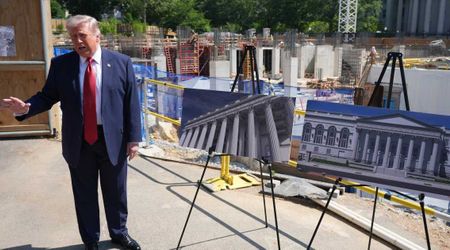
Supreme Court allows construction of Trump's White House ballroom to continue
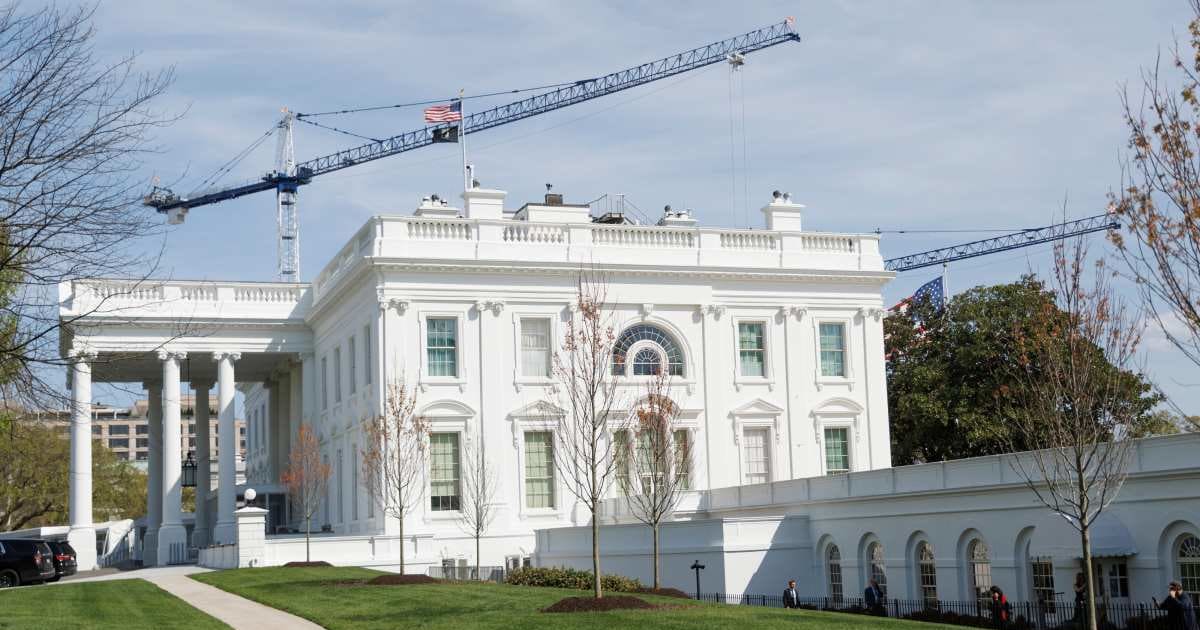
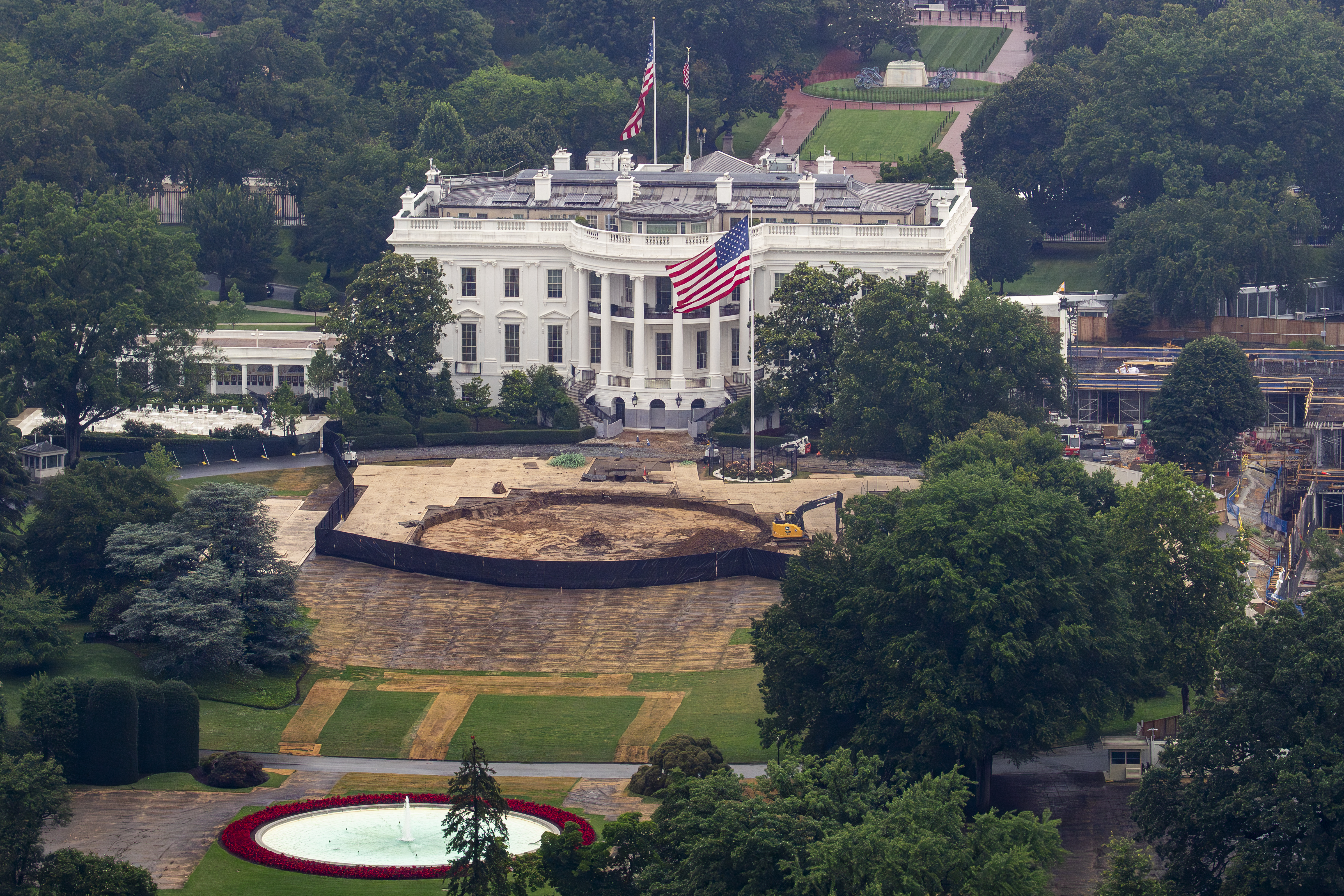
WASHINGTON, DC: The Supreme Court on Monday, August 31, gave the green light to keep building the new White House ballroom, a sprawling, 90,000-square-foot project President Donald Trump has pushed for on the former East Wing site.
The justices split 5-4 and blocked lower court decisions that tried to pause the construction. In an unsigned opinion, the court said the National Trust for Historic Preservation, which filed the lawsuit, probably didn’t have the legal right to challenge the project in the first place.
Trump administration cites national security concerns for ballroom
The majority on the court skipped over the question of whether the East Wing project is actually legal.
Chief Justice John Roberts, along with the three liberal justices, dissented. He wrote that the ballroom project is “likely unlawful” and pointed out that Congress hasn’t signed off on it.
Earlier this month, Roberts let construction keep going for a while as the full court considered the administration’s urgent request.
The Trump administration asked the Supreme Court for emergency relief after a federal appeals court said the White House didn’t have the authority to move forward with the $400 million project without Congress’s approval.
Solicitor General D John Sauer argued that stopping construction now would put national security at risk, considering the project includes an underground bunker, medical facilities, and other secure infrastructure.
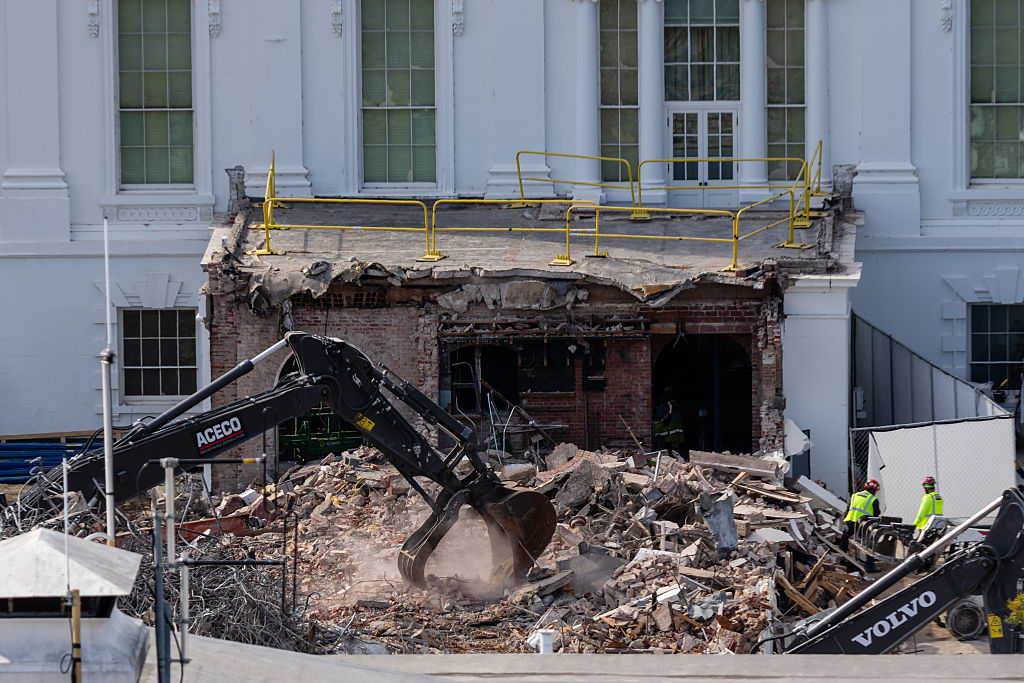
He pointed to recent threats against Trump as one more reason they couldn't afford delays. Sauer explained that the project was about 65% done, with a 250-person crew working nonstop, and insisted construction had gone so far that pausing it just didn’t make sense anymore.
The court’s majority leaned on sworn statements from top administration officials, the director of National Intelligence, the heads of the Secret Service, the Army, and the State Department, all saying the ballroom is essential.
They warned that any delay could disrupt government work. The White House expects the main structure to be mostly done by November, and plans to finish the entire project by August 2028.
Reaction from both sides
Trump jumped onto Truth Social to celebrate the decision, hailing the ballroom as one of Washington’s greatest buildings and insisting the country would feel proud once it’s finished.
"I am pleased to report that the United States Supreme Court has just ruled in favor of the Ballroom/Military Complex being built without any further contingency, doubt, or threat. We are living in the Golden Age of America, and this Building will be one of the Greatest ever constructed in Washington, D.C," he wrote.

On the other hand, Brent Leggs, who leads the National Trust for Historic Preservation, said the group felt let down. Still, he pointed out that the court hadn’t ruled on the project’s actual legality.
He saw Justice Roberts’ dissent as proof the group was right: a sitting president can’t just remake the White House without Congress signing off.

Portions of some legal filings submitted by the Justice Department to lower courts have been written in the style of the president's social media postings, including misplaced capital letters and exclamation points, raising questions as to whether Trump himself participated in the brief-writing process.