Trump Administration prepares a backup plan as SC of the US weighs tariff powers
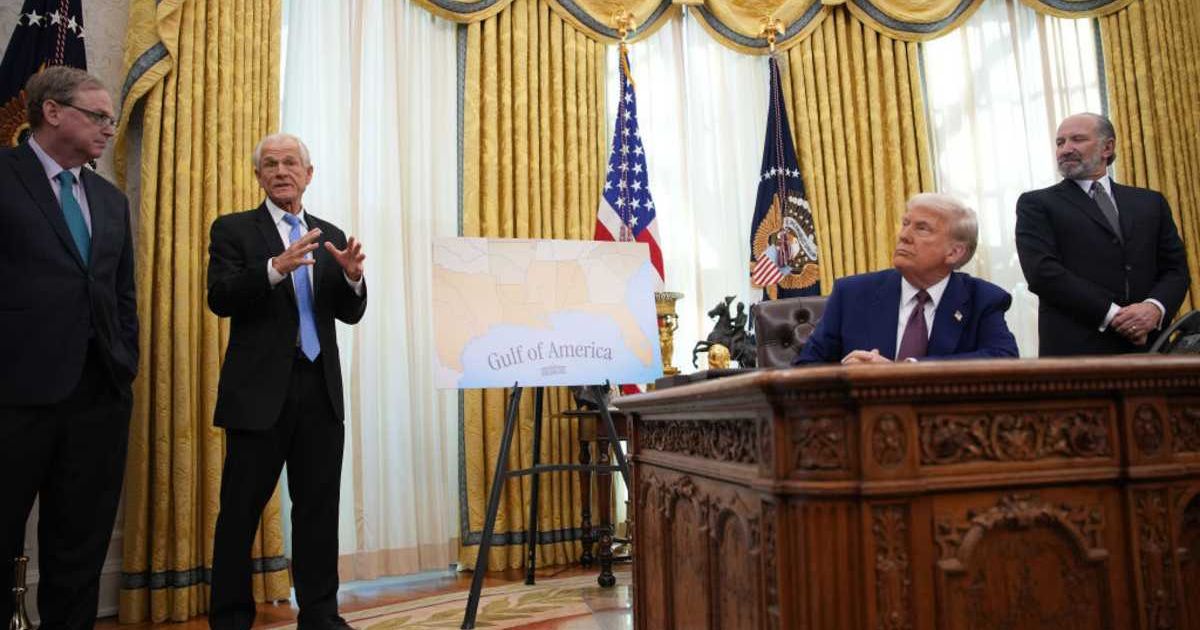
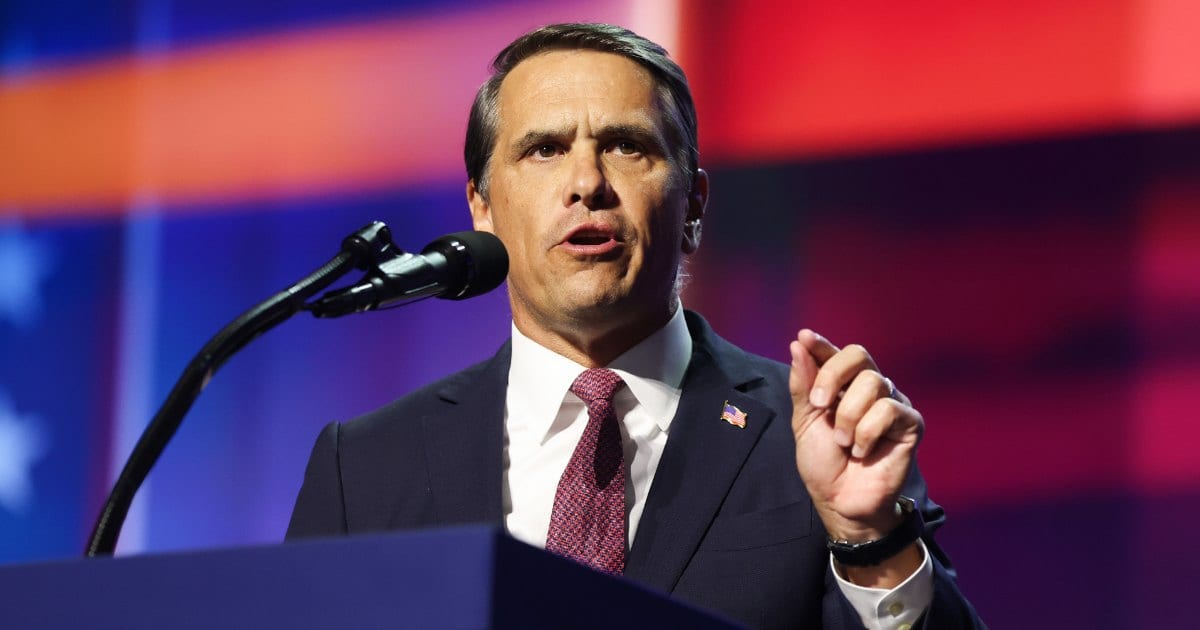
WASHINGTON, DC: As the Trump administration is preparing for a significant ruling by the Supreme Court of the United States on Donald Trump’s extensive tariffs, US Trade Representative Jamieson Greer stated that contingency plans are ready in case the justices decide to strike down the tariffs.
In an interview on CNBC, Greer said the administration is “bracing for the Supreme Court’s looming ruling” on Trump’s global tariff policy and is prepared to adapt quickly regardless of the outcome.
He stated, “If we win, then we’ll just carry on our successful tariff and trade policy program,” he said, adding that “if it goes the other way, then we’ll try to re-create that in the best way possible.” The next important date in this case is February 20, when the Supreme Court could release opinions on one of the most consequential trade law questions in recent years.

Legal fight over emergency tariff powers
Lower federal courts have ruled that Trump exceeded his authority, finding that IEEPA does not grant the president carte blanche to impose taxes, a power traditionally reserved for Congress. Those decisions are now under review.
During oral arguments on November 5, 2025, justices pressed whether the statute, originally intended to counter genuine economic emergencies, could be expanded to justify sweeping tariffs on dozens of countries. Chief Justice John Roberts and conservative Justice Neil Gorsuch both signaled unease with granting the executive branch such broad authority.
Legal experts observe that a ruling against the administration would not only undercut Trump’s trade agenda but also reinforce the constitutional separation of powers by limiting the president’s ability to bypass Congress on major economic decisions.

Tariffs central of Trump’s trade and foreign policy
The tariffs at the centre of the dispute, including the so-called “reciprocal tariffs” aimed at reducing America’s trade deficits, have been a signature element of Trump’s trade strategy since early 2025.
Under IEEPA, the administration imposed steep duties on imports from major partners, sometimes exceeding 10–20 per cent, drawing pushback from businesses and foreign governments alike.
Trump has defended the measures as necessary to address long-standing trade imbalances, while critics say the tariffs have increased costs for US consumers and disrupted global supply chains. Some companies are already seeking refunds for billions in duties paid if the court ultimately rules the tariffs unlawful.
Greer has suggested that even if the Supreme Court strikes down the current tariff regime under IEEPA, the administration could quickly pivot to other statutory authorities such as Section 301 of the Trade Act or national-security statutes to preserve key elements of Trump’s trade agenda and tariff revenues.