Trump blasts 'crooked' pollsters as multiple major surveys converge on the same approval rating
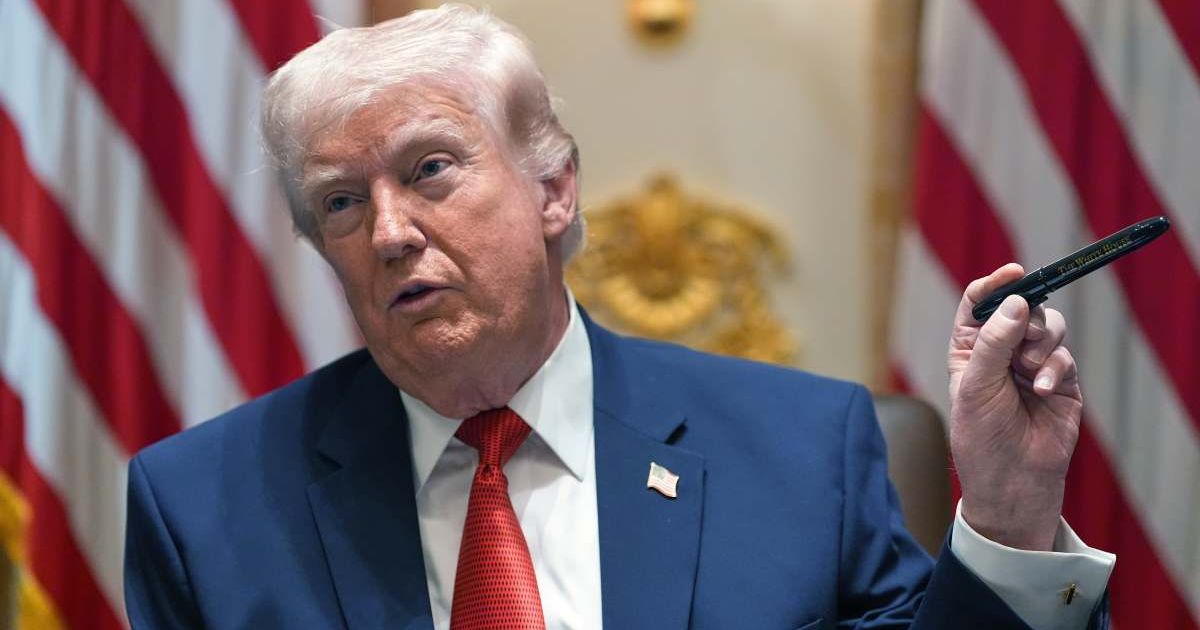
Trump: “My REAL Polling Numbers, not those made up by the Fake News Media, are the best they have ever been” pic.twitter.com/OsidCsHth3
— Aaron Rupar (@atrupar) August 3, 2026
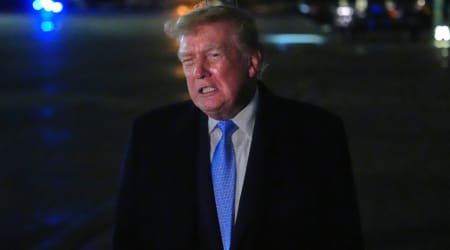
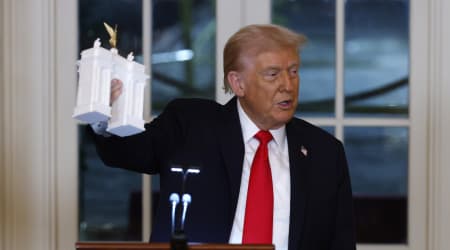
WASHINGTON, DC: President Donald Trump has escalated his long-running criticism of public polling after multiple major survey organizations independently reported strikingly similar approval ratings for his second term.
Rather than challenging one poll in isolation, Trump dismissed the broader polling industry as "crooked and corrupt," insisting his "real" approval numbers are far higher despite Quinnipiac University, CNN and AP-NORC all placing his job approval in the low 30s.
Three polls tell one story
Trump's latest broadside came after a series of national polls painted a remarkably consistent picture of public opinion.
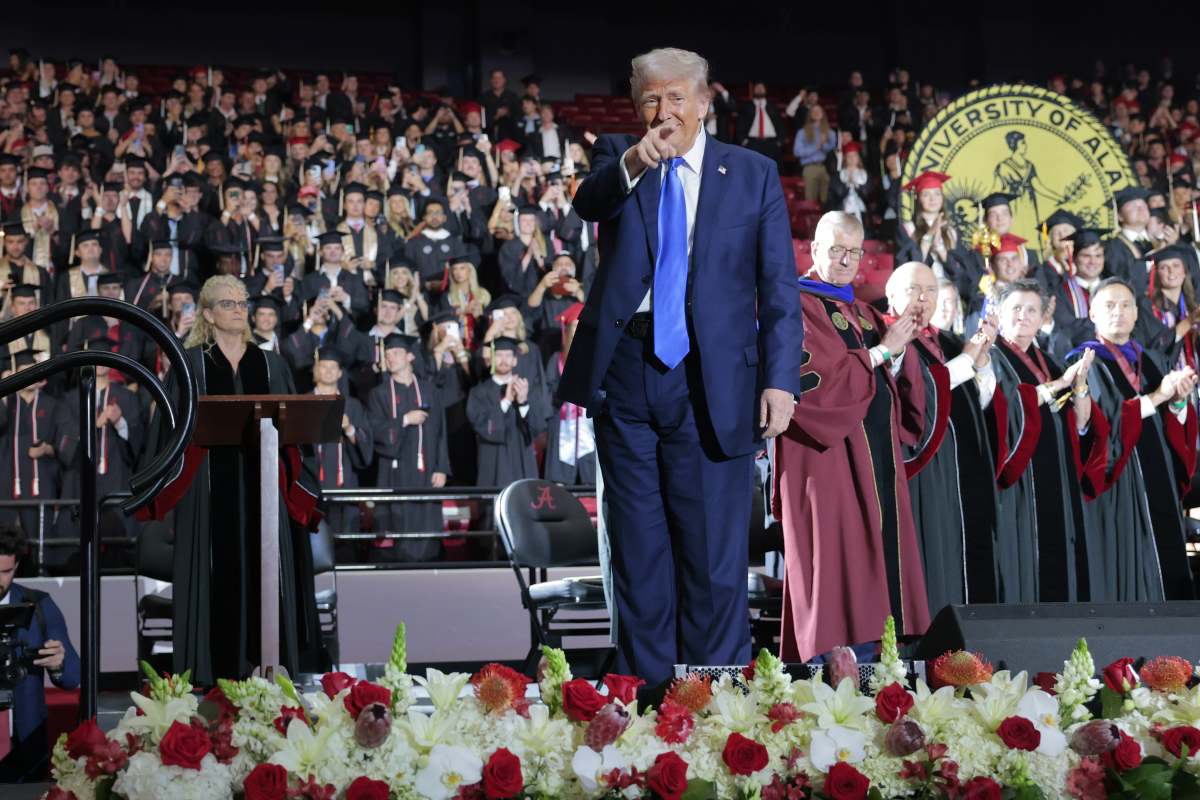
Quinnipiac University's newest survey placed the president's approval rating at 32%, the lowest the institution has recorded for him. CNN's latest poll showed 34%, while the AP-NORC survey found 33% approval. Although conducted independently using different methodologies, all three organizations produced nearly identical results, fueling renewed attention to the broader polling trend rather than any single survey.
The convergence has become the central development, with several polling firms arriving at virtually the same conclusion within days of one another.
Trump rejects polling industry
Responding on Truth Social, Trump rejected the surveys outright, arguing they failed to reflect what he described as major successes during his presidency.
He claimed his "REAL Polling Numbers" were the highest they had ever been, pointing to tax cuts, employment figures, border security, foreign investment, developments involving Venezuela and Iran, and what he called growing international respect for the United States.
Trump accused the media of publishing "Fake Poll numbers" and labeled pollsters "Crooked and Corrupt," broadening his criticism beyond any individual survey. The remarks marked a shift from disputing isolated findings to questioning the credibility of the polling industry itself as multiple organizations reported similar results.
Historical comparisons draw attention
The polling trend also prompted historical comparisons from political analysts.
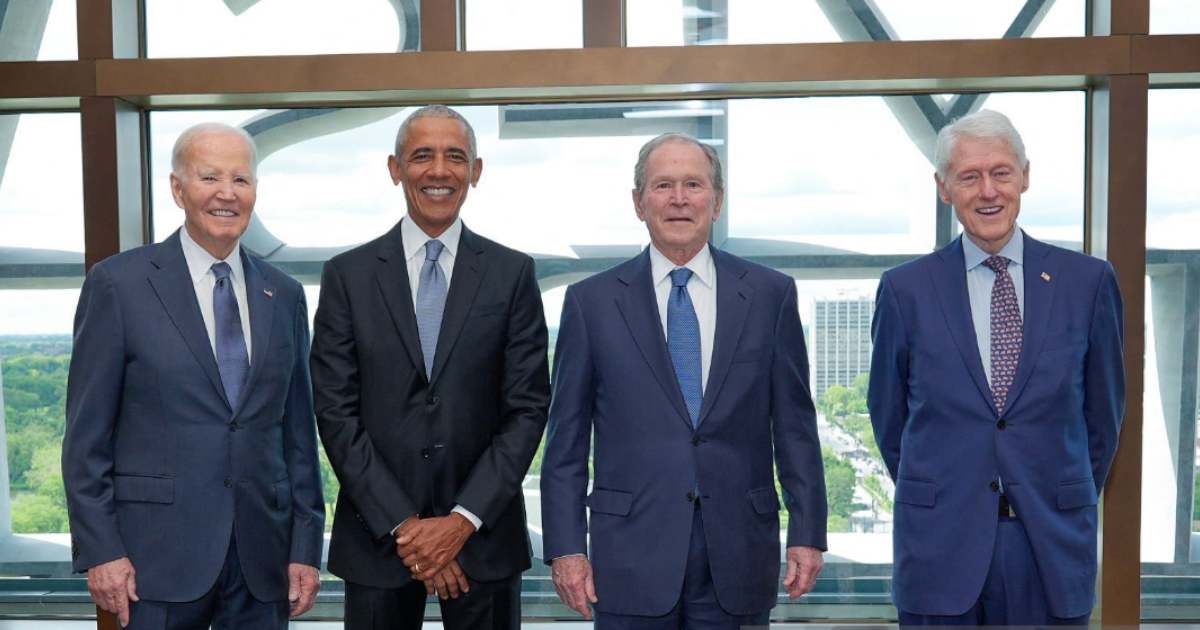
CNN chief data correspondent Harry Enten noted that averaging the latest CNN, Quinnipiac and AP-NORC surveys placed Trump's approval at roughly 33%, below comparable points for other recent second-term presidents. He contrasted those figures with George W. Bush and Barack Obama during similar stages of their presidencies, arguing Trump's standing was unusually low by modern standards.
Enten further observed that, among presidents serving a second term in the 21st century, Trump's current average approval was the weakest at this point in office. His analysis added another layer to the debate by suggesting the issue was no longer about one unfavorable poll, but a broader pattern emerging across multiple independent polling organizations, a conclusion Trump has now forcefully rejected.