Trump calls his own polls 'fake' as approval sinks to 33%, accuses Democrats of 'Demoralization Op'
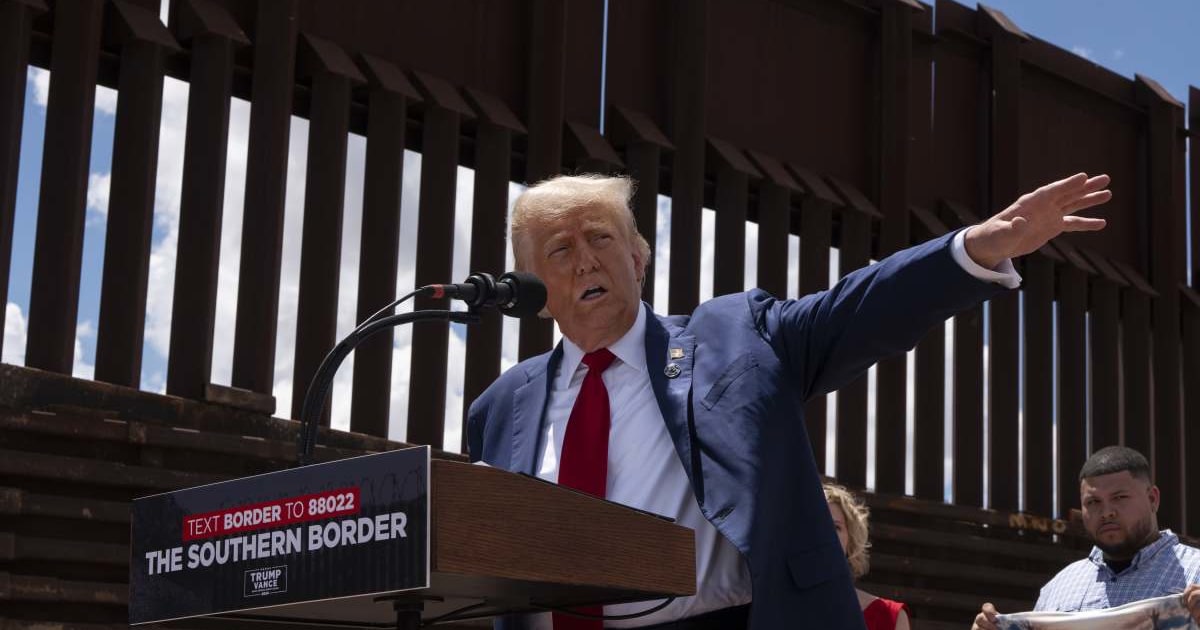
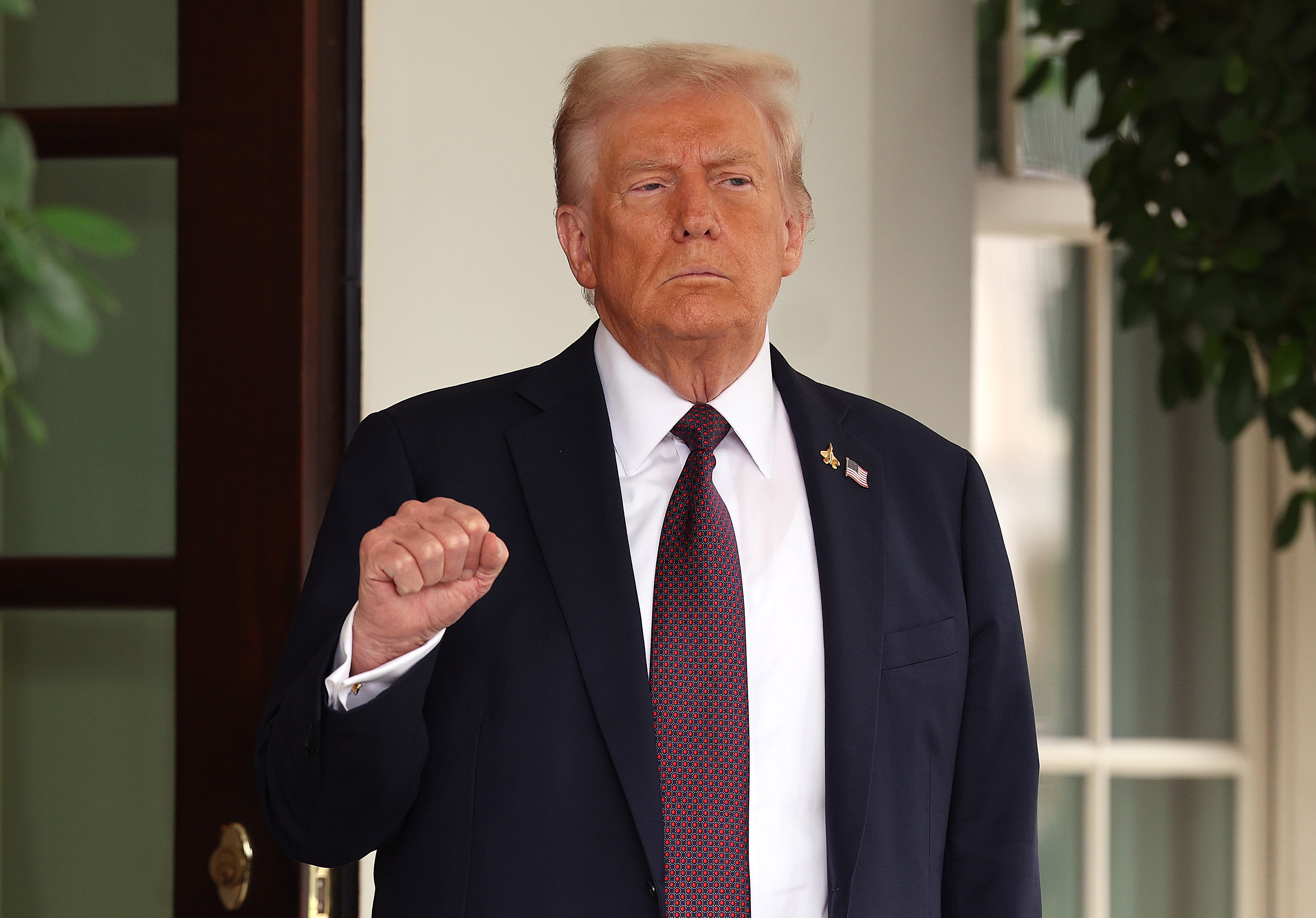
WASHINGTON, DC: President Donald Trump has dismissed recent unfavorable polling as part of a Democratic effort to discourage Republicans, calling the surveys “Fake Polls” and accusing the “Radical Left Democrats” of running what he described as “Demoralization Operations.”
In a social media post on Monday, August 24, Trump said Democrats were trying to “demoralize Republicans” so they would “stay home and not vote.”
He insisted the United States had “never been higher” on the economy and military strength and signed off with a message of reassurance to his supporters.
The post comes as several recent national polls have shown Trump facing weak approval ratings and Democrats holding an advantage in some measures of the upcoming congressional elections.
Trump tells supporters not to worry
Trump's latest attack on polling follows a familiar pattern for the president, who has repeatedly questioned surveys that show him or his party in a difficult position.
His post went beyond disputing the accuracy of individual polls.
Trump: "Except for the fake polls out there, my poll numbers are great" pic.twitter.com/b24JceLnfv
— Aaron Rupar (@atrupar) August 21, 2026
“Thank you for your attention to this matter,” Trump wrote after describing the polls as part of a Democratic strategy.
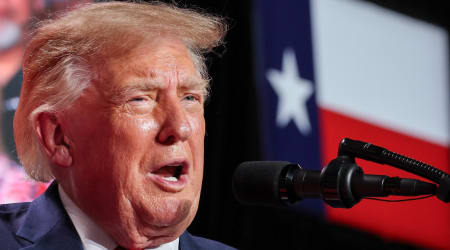
The president made similar remarks at a political rally in South Carolina on August 21, when he called polls showing weaker ratings for his handling of the economy “fake polls.”
Recent polls show difficult numbers
Trump's comments come after a Reuters/Ipsos poll released last week put his approval rating at 33%, the lowest level of his current presidency.
The survey found 64% of respondents disapproved of his performance.

Other recent surveys have also shown challenges.
An Emerson College poll released in August found that 40% of likely voters approved of Trump's job performance while 56% disapproved.
The same poll found Democrats leading Republicans 51% to 43% in its generic congressional ballot.
Poll results vary depending on the survey and methodology, and elections are ultimately decided by votes rather than polling averages.
Economy remains central to voters
The latest polling has also put renewed attention on the issues likely to shape the midterm elections.
A Marquette Law School Poll released this month found inflation and the cost of living to be the most important issue for Americans, followed by the economy.
The survey also found lower approval ratings for Trump's handling of inflation and the economy than for his handling of immigration and border security.
Party leaders have focused on Trump's agenda, while candidates across the country are campaigning on local and national economic issues.
Republicans face crucial midterm test
The November elections will determine which party controls Congress during the second half of Trump's term.
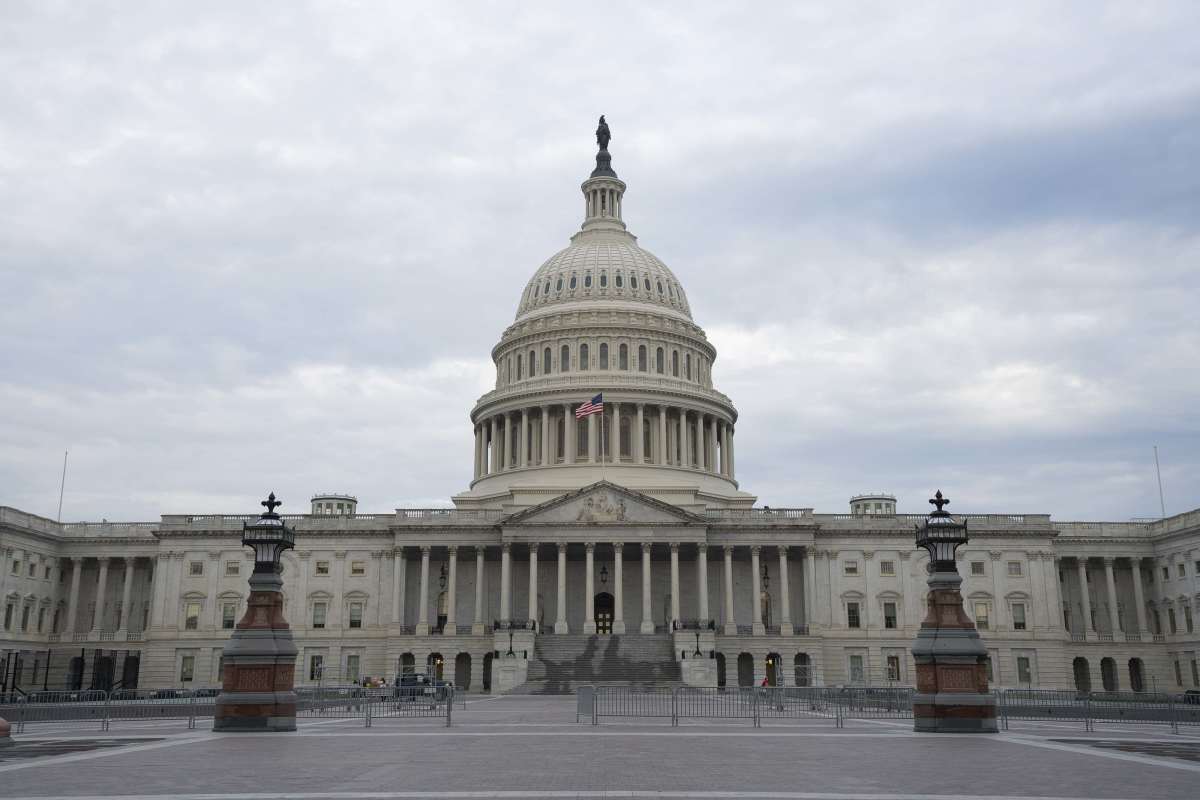
A Reuters report published Sunday described the Republican Party's upcoming convention in Dallas as an effort to build momentum before the midterms, with concerns over economic issues and the conflict with Iran featuring prominently in the political backdrop.
Trump remains one of the Republican Party's most influential campaign figures and is expected to play a major role in efforts to mobilize GOP voters.
What this means for Americans
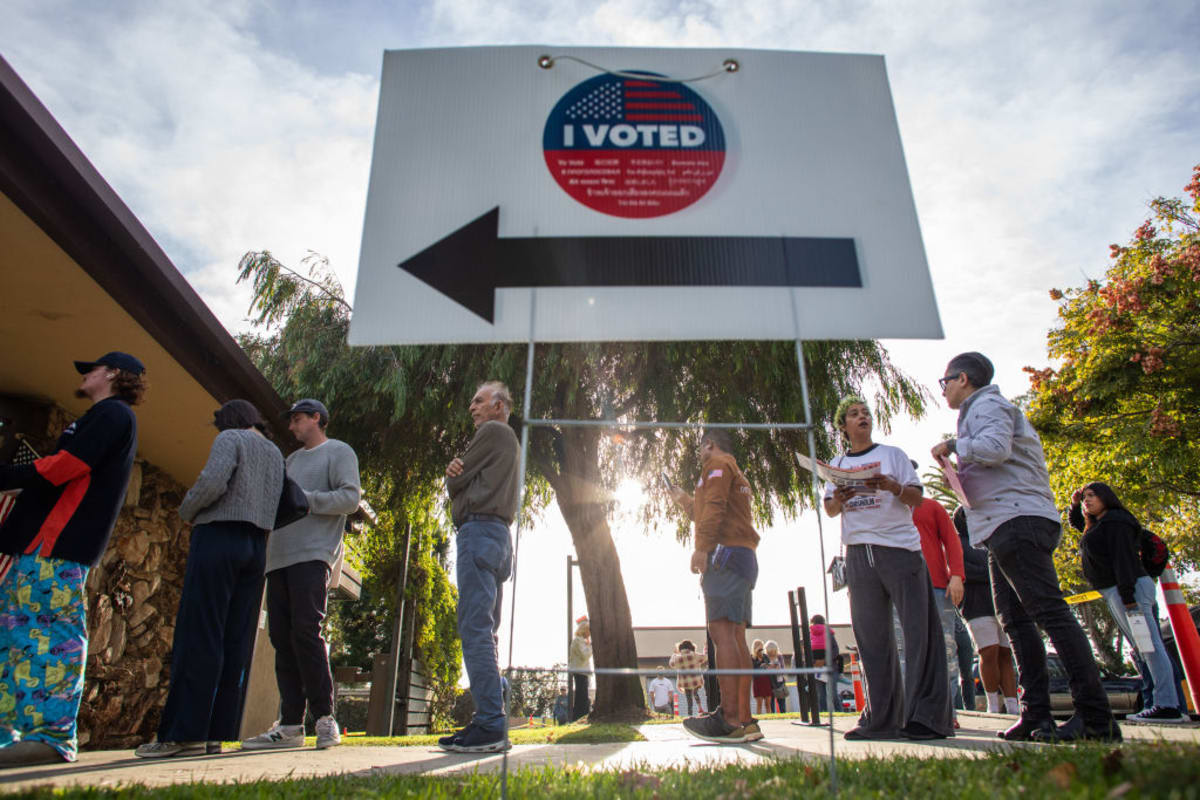
Americans will ultimately decide the direction of Congress when they cast their ballots in November.
Trump's latest post is also a reminder that the campaign is entering a crucial period, with both parties working to persuade voters and turn out their supporters.
For Americans concerned about issues including prices, the economy, immigration and foreign policy, the midterm election will offer the opportunity to decide which candidates they believe should represent them in Washington.