Trump confirms Vance sent letter to Iranian hardliner to revive peace talks ahead of midterms
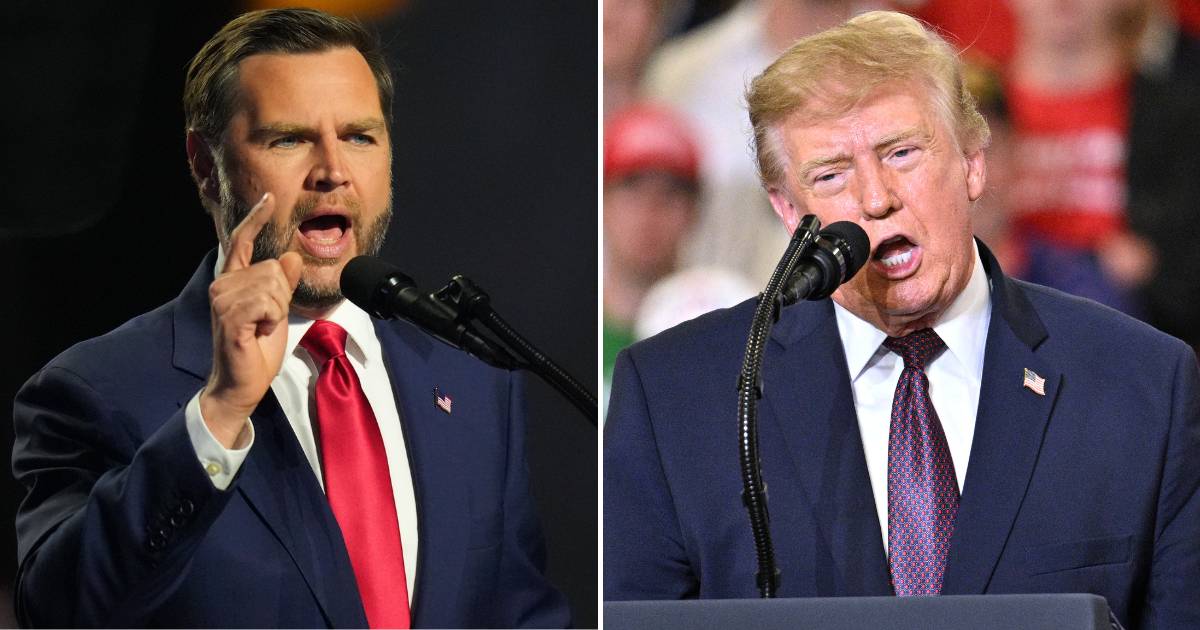
WASHINGTON, DC: President Donald Trump on Wednesday, October 28, confirmed that Vice President JD Vance had contacted senior Iranian official Mohsen Rezaei as the administration explored a possible path back to peace negotiations.
The outreach reportedly involved a letter proposing a framework for talks, although its precise timing and contents remained unclear. Trump said he had approved Vance's decision to make contact, even as he continued to threaten renewed military action against Iran after the November 3 midterm elections.
Trump approves Vance's outreach to Iranian hardliner
Trump confirmed the outreach after a report by The Wall Street Journal said Vance had sent a letter to Rezaei, secretary of Iran's Supreme National Security Council and a former commander of the Islamic Revolutionary Guard Corps (IRGC).
Q: Did you direct Vance to talk to Iran to start peace negotiations? Trump: No. Iran needs help with medical supplies. Basically, it's getting supplies in to help people that are not well. https://t.co/8AZ8Jg84Kr
— Clash Report (@clashreport) October 28, 2026
“He asked me what I thought and I said if you want to do that that’s ok,” Trump told reporters.
Trump also said that Iran needed assistance with medical supplies and other items. According to people familiar with the matter, the letter was sent at Trump's direction and sought to determine whether Washington and Tehran could establish enough common ground to resume negotiations. The discussions focused on a possible framework for talks rather than the details of a specific peace proposal.
Rezaei has emerged as an influential hard-line figure in Tehran and has opposed negotiations with Washington. Earlier this month, he threatened to expand Iranian attacks on targets in neighboring Arab countries, including data centers and internet cables. Last week, he met security officials from Pakistan, Saudi Arabia and Turkey in Tehran as regional governments pursued efforts to de-escalate the conflict.
The outreach came as Trump continued to signal that military action remained an option. At a rally in Florida last week, the president said that “we may do another little Epic Fury,” referring to the US military operation against Iran. He added that Iran could instead agree to negotiate.
While our Brave Armed Forces are fully prepared to defend the Homeland, Iran continues to give diplomacy a chance to succeed. We remain in close and ongoing contact with intermediaries to review ideas that can ensure implementation of our 7-Day Plan in even less than a week.
— Seyed Abbas Araghchi (@araghchi) October 28, 2026
Iranian Foreign Minister Abbas Araghchi also indicated that diplomacy remained possible while emphasizing the country's military readiness. In a social media post on October 28, Araghchi said that “while our Brave Armed Forces are fully prepared to defend the Homeland, Iran continues to give diplomacy a chance to succeed.”
Iran peace negotiations remain deadlocked ahead of US midterms
Rezaei's involvement could alter the negotiating dynamic in Tehran, where Foreign Minister Araghchi and parliament speaker Mohammad Bagher Ghalibaf had previously served as leading interlocutors with Washington.
During earlier negotiations in Islamabad in April, Vance met Iranian counterparts alongside US special envoys Steve Witkoff and Jared Kushner for 21 hours.
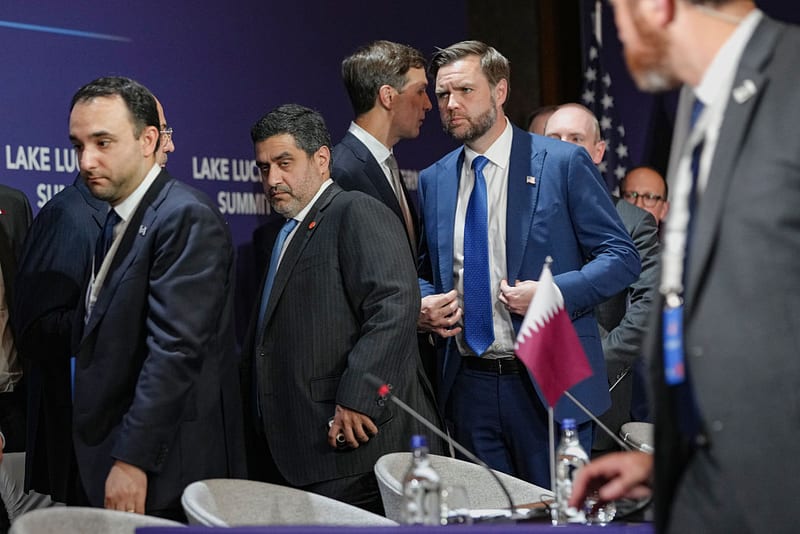
A memorandum of understanding (MoU) reached in June subsequently collapsed two weeks after it was signed, following disagreements over how to reopen shipping through the Strait of Hormuz. Negotiations facilitated by Qatar and Pakistan also failed to resolve the central differences between the two governments.
Vance has publicly supported the war but has privately expressed reservations about prolonging it, according to the report. The vice president argued for more extensive diplomatic efforts before Trump launched Operation Epic Fury in February.
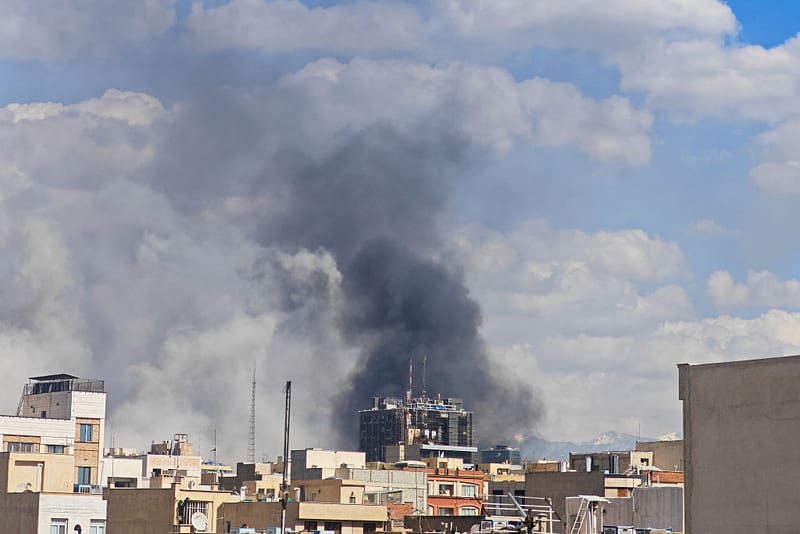
The renewed diplomatic effort unfolded as Republicans faced the possibility of losing seats in Congress in the midterm elections. The conflict and rising fuel costs contributed to voter frustration, while Vance remained an early contender for the Republican presidential nomination in 2028.