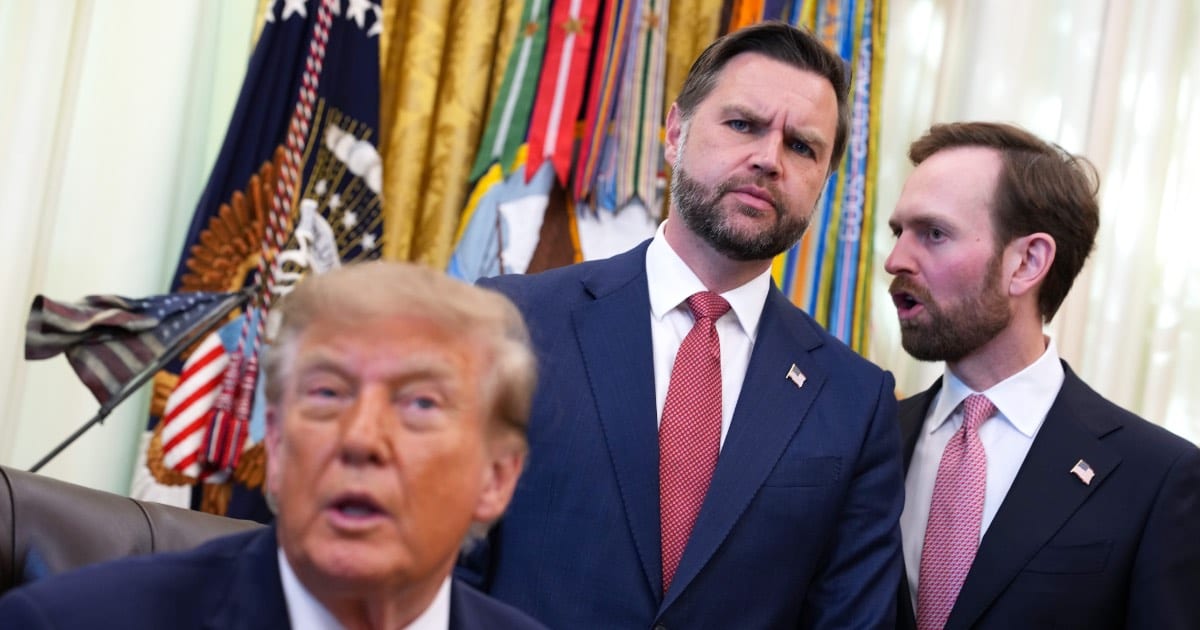
Trump puts James Murphy in charge of broken NLRB as agency battles 500-case backlog
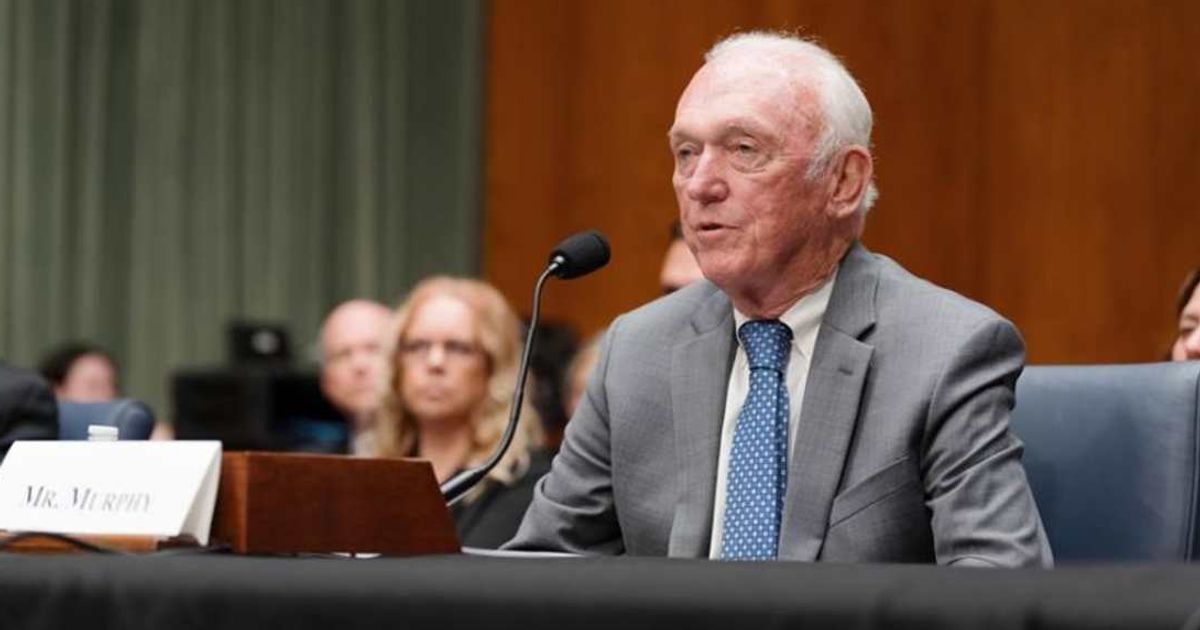
WASHINGTON, DC: President Donald Trump designated James Murphy as Chairman of the National Labor Relations Board (NLRB) on Friday, March 27, restoring leadership at the agency after months of limited operational capacity.
Murphy, a longtime NLRB attorney who previously spent decades at the agency before retiring, was sworn in earlier this year and now assumes the top role as the board resumes full adjudicatory functions.
Murphy’s designation follows the appointments of Murphy and Republican member Scott Mayer on January 7, which re-established the three-member quorum required for the board to issue rulings.
The NLRB had been unable to decide cases since early 2025 after the removal of Democratic member Gwynne Wilcox and the expiration of former Chairman Marvin Kaplan’s term. With the quorum restored, the board now operates with a 2–1 Republican majority alongside Democratic member David Prouty.
Quorum restored after unprecedented impasse
The NLRB remained without a quorum for 345 days, leaving it unable to resolve appeals or rule on unfair labor practice cases. During that period, only one member, David Prouty, remained on the board, limiting its authority to administrative functions.
The absence of a quorum delayed decisions affecting both workers and employers. Cases involving reinstatement, back pay, and workplace disputes remained unresolved, while businesses facing complaints could not receive final rulings.
According to available data, the period also coincided with a decline in union election activity in the private sector.

With Murphy’s appointment as chairman and the quorum restored, the board has resumed issuing decisions and reviewing pending cases.
Backlog of more than 500 cases awaits resolution
Murphy assumes leadership as the agency works through a backlog of more than 500 cases that accumulated during the period without a quorum.
The board has begun reviewing appeals, known as “exceptions,” from administrative law judges and is gradually moving cases forward.
To manage the caseload, the NLRB has introduced updated procedural requirements, including timelines for submitting supporting evidence in new filings. Officials say these measures are intended to streamline case processing as the agency addresses the backlog.
Congratulations to new @NLRB Members Scott Mayer and James Murphy, and to Crystal Carey, the new @NLRBGC. A fully functioning NLRB is essential to providing manufacturers with clear, consistent labor regulations that support growth and competitiveness, and we look forward to…
— The NAM (@ShopFloorNAM) December 19, 2025
Early decisions issued in 2026 indicate that the board is prioritizing case resolution and administrative stability as it returns to full operations.
Three-vote tradition limits rapid overhauls
Despite holding a Republican majority, the board’s ability to reverse prior precedents is shaped by its current composition. The NLRB traditionally requires a majority of votes to overturn existing rulings, and with only three members seated, any change would require agreement across the panel.
Several policies established in recent years remain in place as a result. Democratic member David Prouty, whose term runs through August 2026, holds a deciding vote in cases where consensus is required.
Two seats on the five-member board remain vacant, and any additional appointments could influence the direction of future rulings. Until then, the board is expected to continue addressing its caseload while operating within the constraints of its current membership.