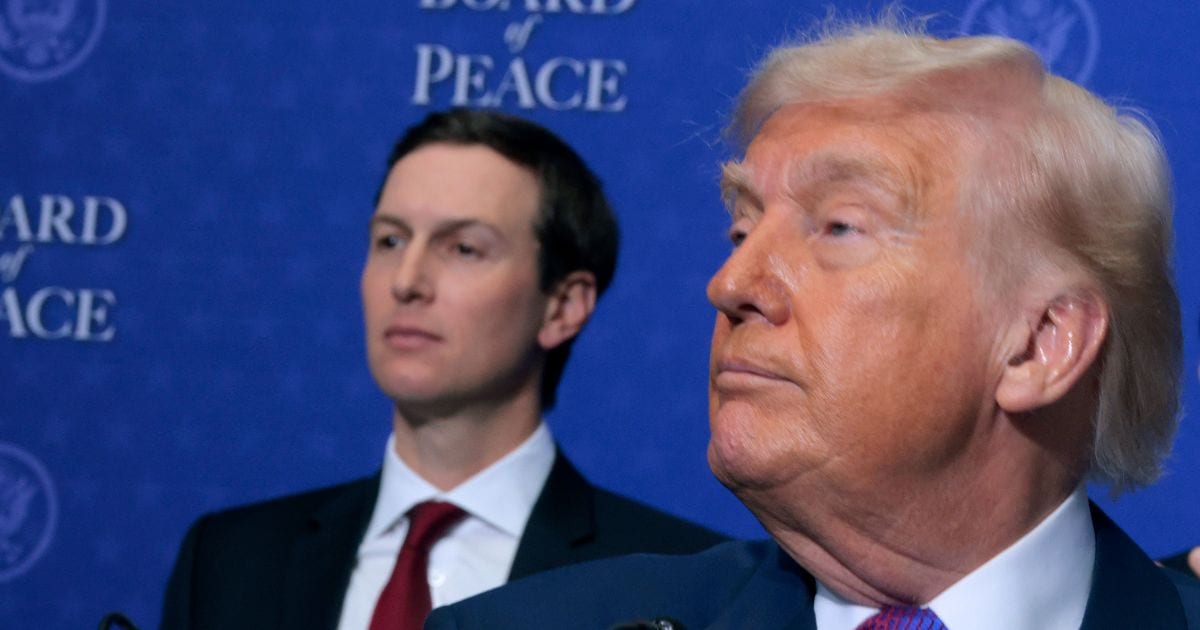
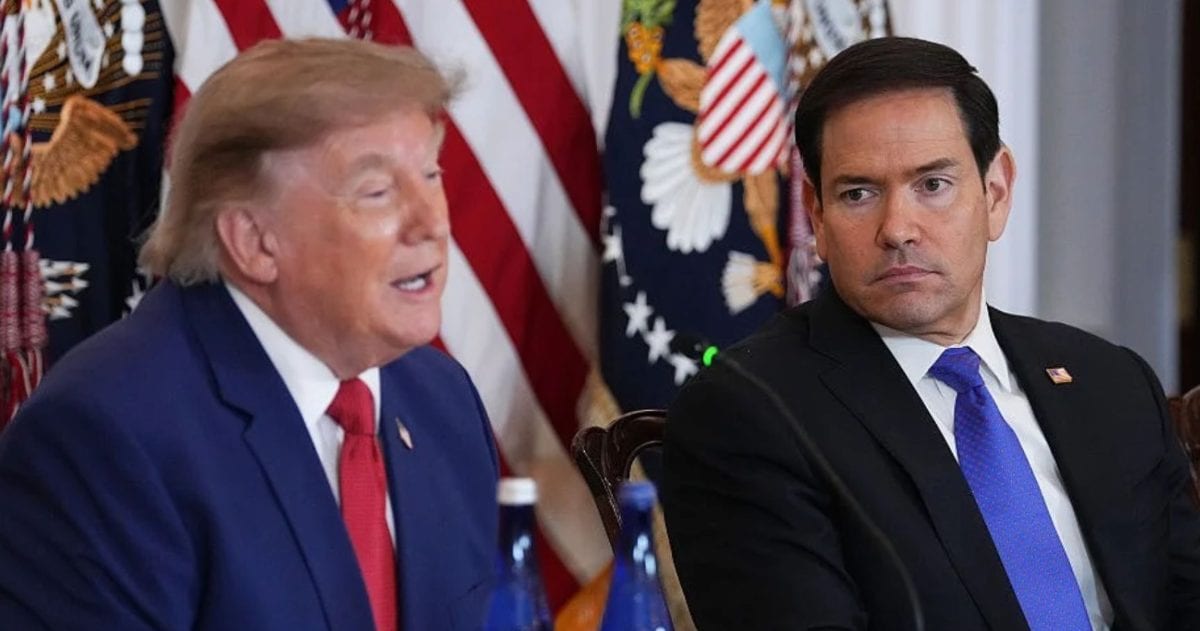
Trump slashes Bears Ears, Grand Staircase-Escalante monuments, reversing Biden protections
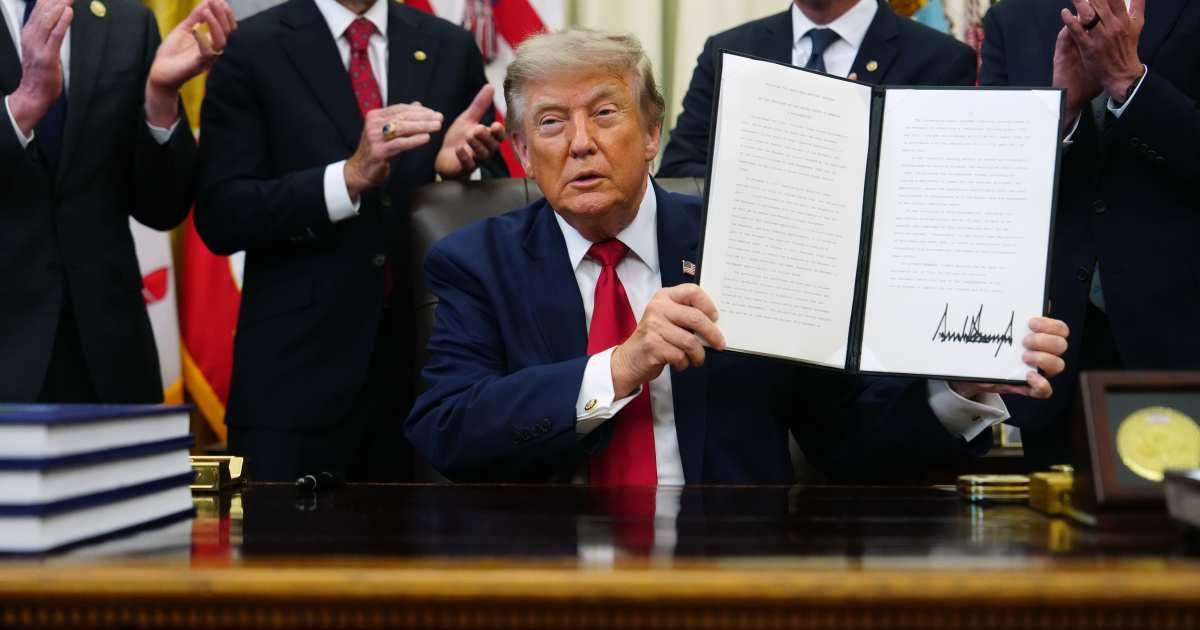
WASHINGTON, DC: President Donald Trump on Monday, July 13, sharply reduced the size of Utah's Bears Ears and Grand Staircase-Escalante national monuments, reversing protections restored under former President Joe Biden and reopening a long-running dispute over the future of federally protected public lands.
The proclamations shrink both monuments by roughly 90 per cent, reviving a move Trump first attempted during his previous term. The decision has drawn praise from Utah leaders while prompting criticism from tribes and conservation groups.
Trump reverses monument protections, says land is being returned
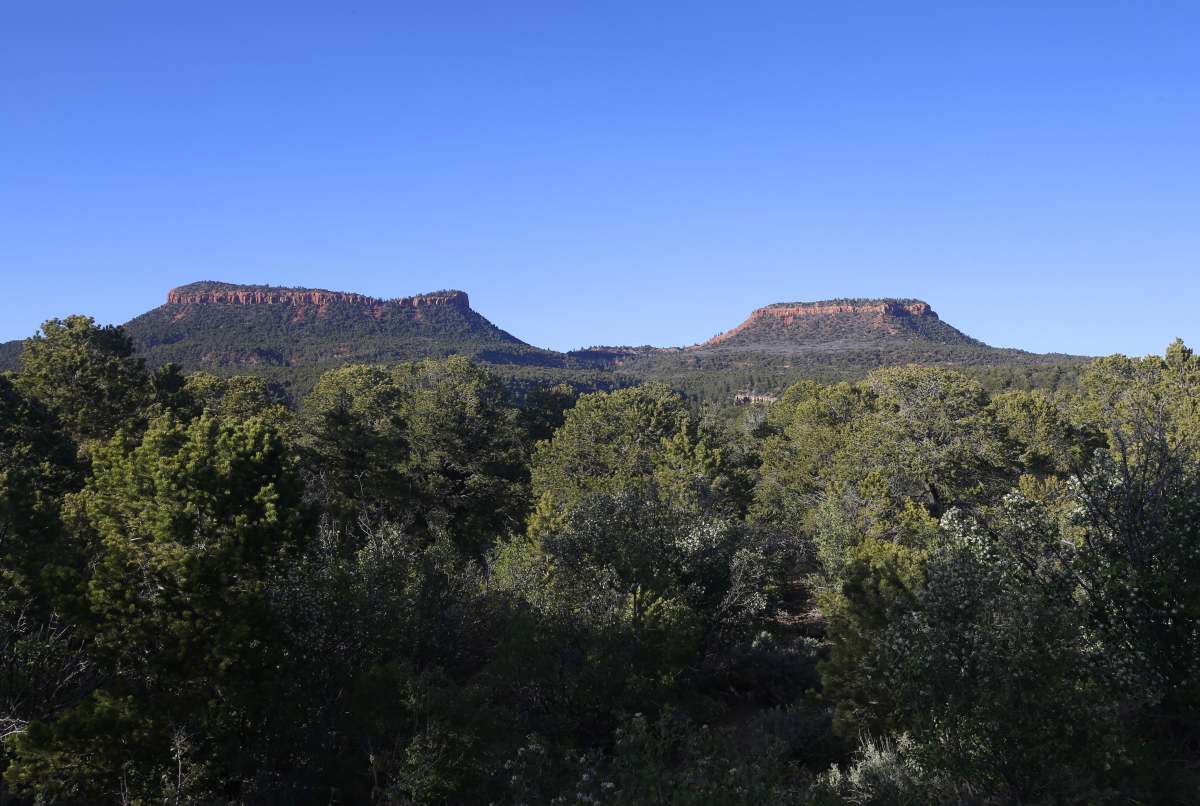
Trump signed proclamations under the Antiquities Act reducing the boundaries of Bears Ears and Grand Staircase-Escalante, two protected areas known for ancient cliff dwellings, petroglyphs, archaeological sites and scenic canyons. The regions also contain coal and uranium deposits that Utah officials have long argued should be available for development.
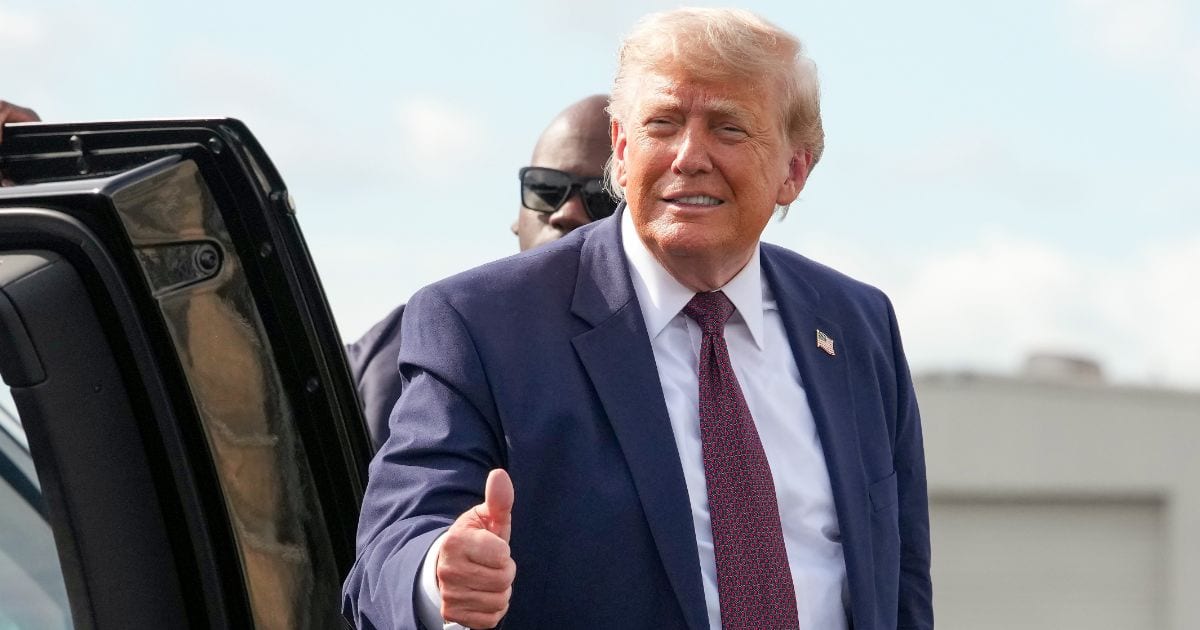
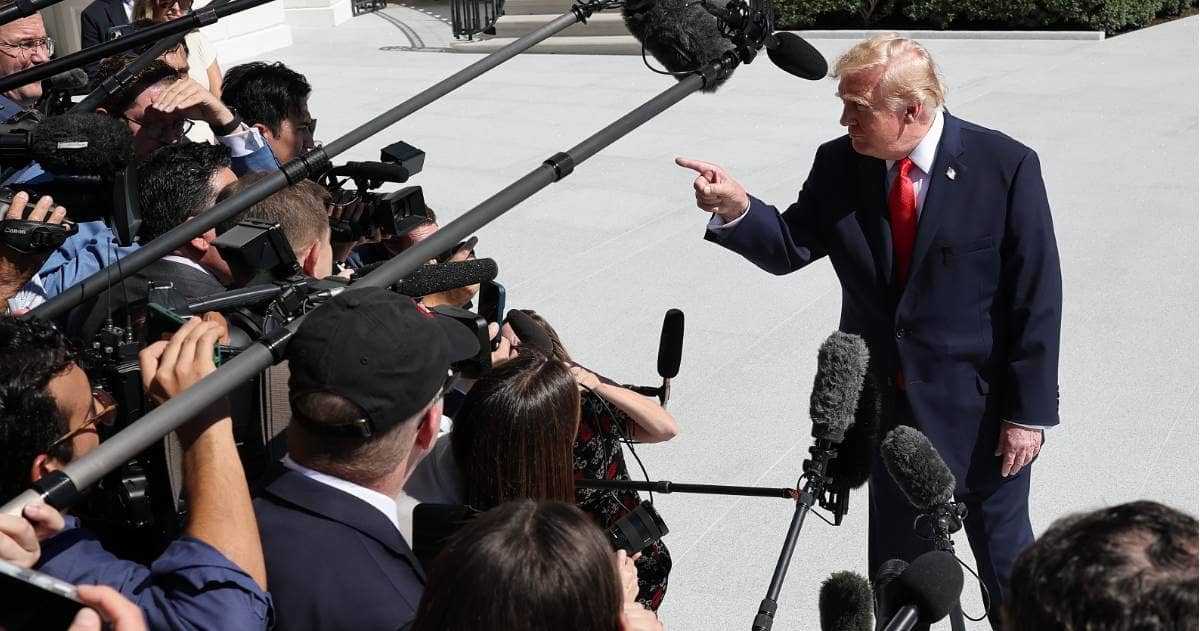
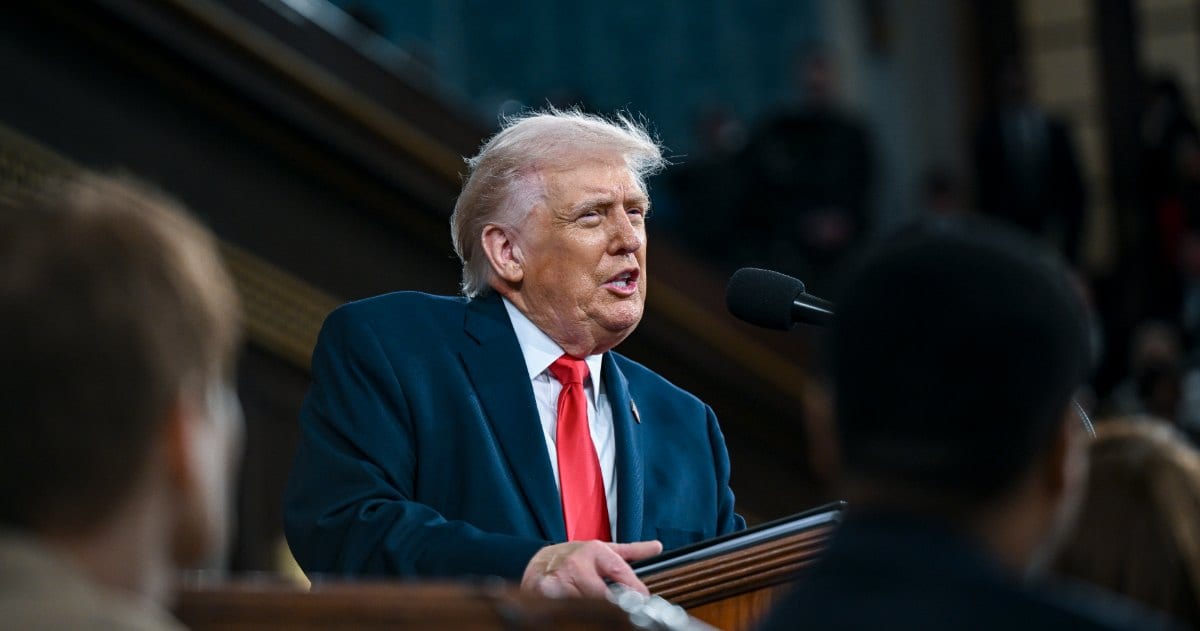
Speaking at the White House, Trump defended the move, saying, "They took the land from the people, quite honestly. We're giving it back."
.@POTUS: "We're doing something very dramatic and very important for the people of Utah." @GovCox: "This is a big day for Utah. @POTUS did something very similar several years ago during his first term... we believe that under the Antiquities Act, it's very clear that these… pic.twitter.com/RCQe1WMKBi
— Rapid Response 47 (@RapidResponse47) July 13, 2026
The reductions reverse monument protections restored by Biden after Trump first downsized the sites during his initial term. Grand Staircase-Escalante was originally designated by former President Bill Clinton in 1996, while former President Barack Obama established Bears Ears in 2016 under the Antiquities Act.
Utah Governor Spencer Cox welcomed the decision, calling it "a big day for Utah," and argued that monument designations should cover "the smallest area as possible to protect the antiquities."
U.S. President Donald J. Trump has signed an Executive Order drastically shrinking the Grand Staircase-Escalante and Bears Ears National Monuments in Utah, reimposing an order he made in 2017 during his first presidency that was later rescinded by President Joe Biden. The signing… pic.twitter.com/KGdqhrhane
— OSINTdefender (@sentdefender) July 13, 2026
The decision is part of a broader Republican effort to reshape federal land management by expanding access for mining, drilling and logging while scaling back conservation measures across public lands.
Tribal leaders condemn move as conservation fight returns
The decision immediately drew criticism from Native American leaders, particularly because Bears Ears was the first national monument established at the request of tribal nations.
The monument contains ancestral villages, ceremonial and burial sites, and locations that hold deep cultural and spiritual significance for the Navajo, Hopi, Zuni, Ute Mountain Ute and Uintah-Ouray Ute tribes.
Davina Smith-Idjesa, co-chair of the Bears Ears Inter-Tribal Coalition and a citizen of the Navajo Nation, described the decision as "heartbreaking" and accused federal officials of failing to properly consult tribal governments. "This is a living cultural site that holds our histories, our ceremonies, our traditional foods and medicines and our ancestors' footprints," she said.
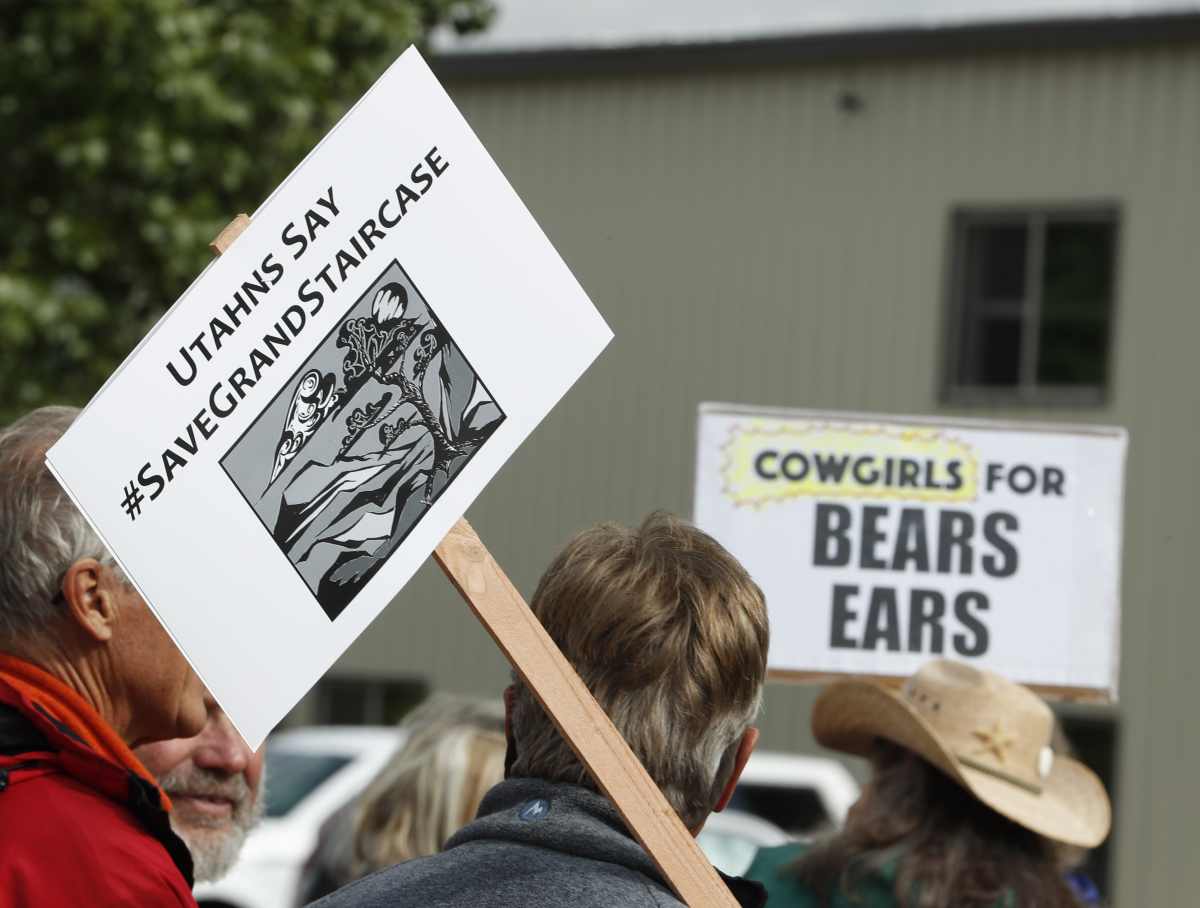
Conservation advocates also criticized the move, arguing the monument boundaries protect not only archaeological sites but also the surrounding landscapes from mining, drilling and new construction.
The rollback continues the Trump administration's broader effort to expand resource extraction on federally owned lands. Interior Secretary Doug Burgum previously indicated the administration would review national monument boundaries as part of its energy strategy.
The issue has remained politically contentious for years. Previous Republican proposals to transfer or sell federal lands have largely failed, while the US Supreme Court last year declined to hear Utah's effort to take control of large areas of federally managed land within the state.