Trump teleprompter operator accused of profiting from speech bets faces fallout
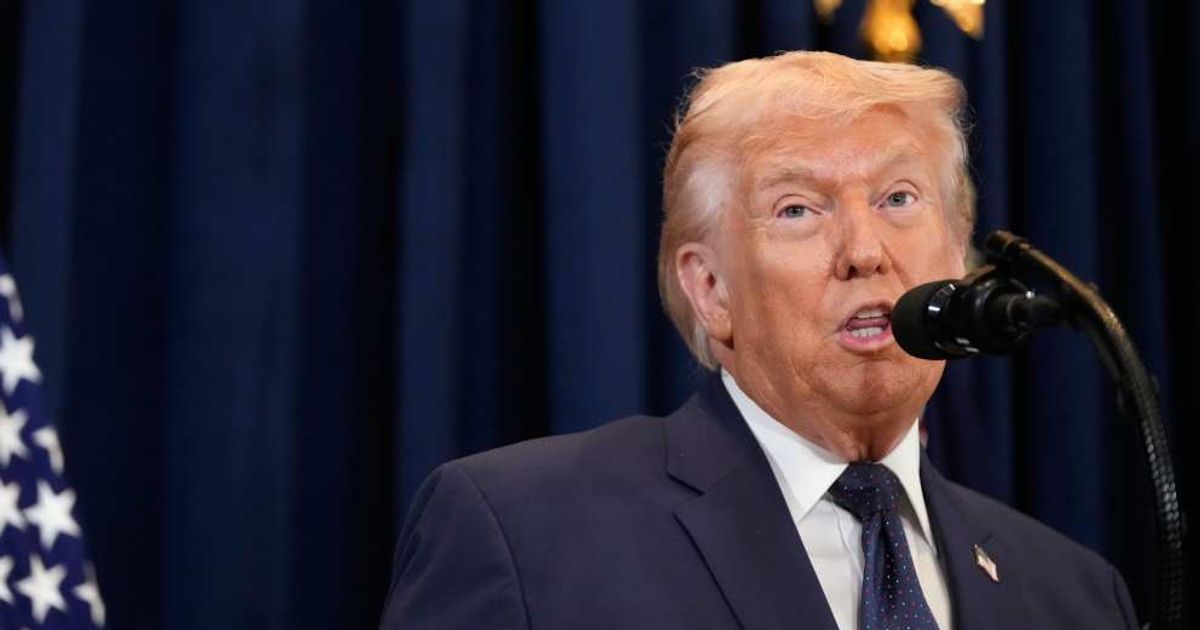
WASHINGTON, DC: White House teleprompter operator Gabriel Perez no longer works for the federal government after allegations he used advance knowledge of President Donald Trump's speeches to profit from prediction market bets.
The move marks the first concrete personnel fallout from the controversy. A White House official declined to say whether Perez resigned or was fired, leaving the circumstances of his departure undisclosed.
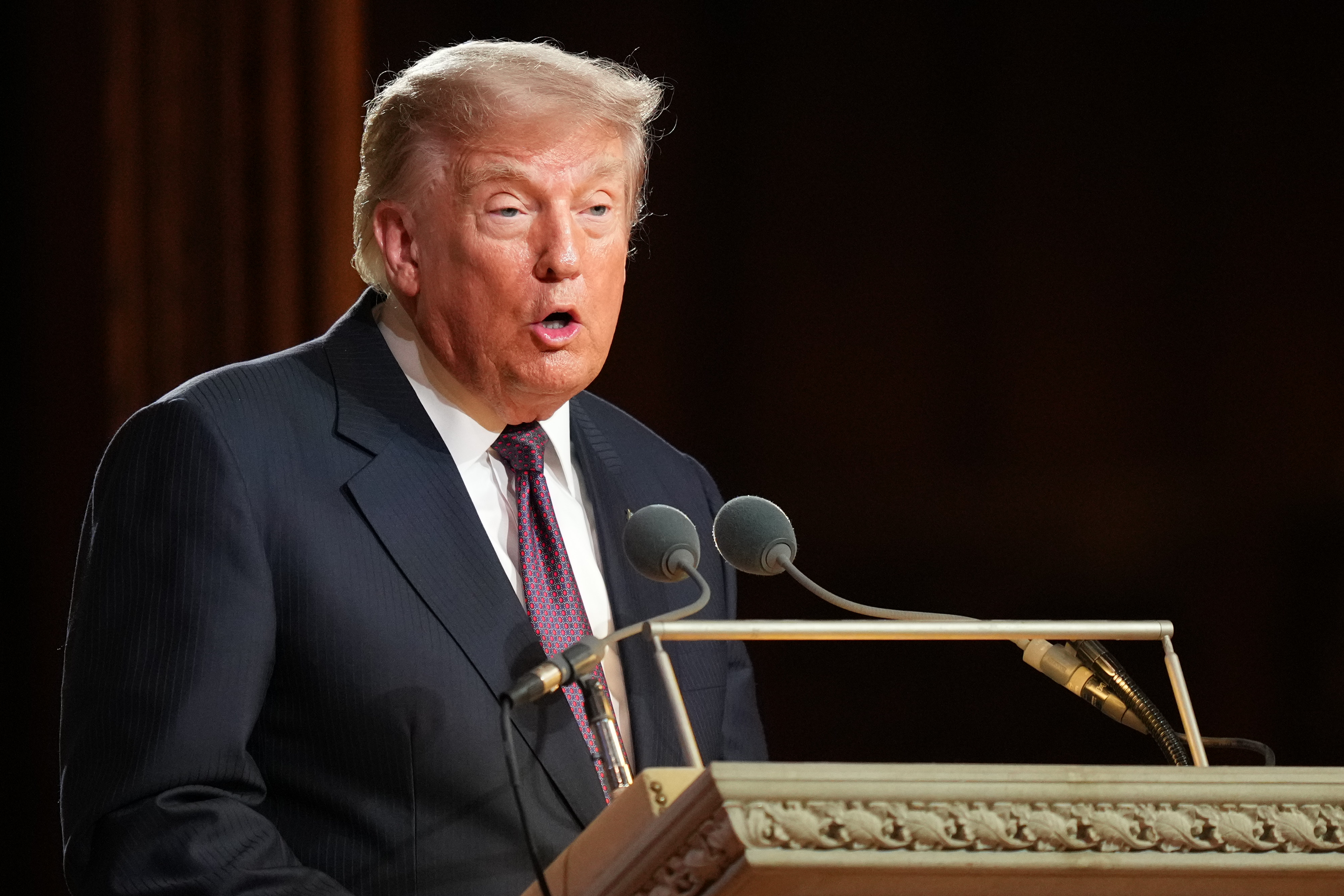
White House confirms Perez's departure
According to the Guardian report on Tuesday, July 28, a White House official, speaking on condition of anonymity because they were not authorized to discuss the personnel matter publicly, said that Perez "no longer works in the federal government."
The official would not say whether Perez resigned or was fired.
Earlier this month, the White House confirmed Perez had been placed on unpaid leave after an ABC News report alleged he used inside knowledge to earn more than $100,000 betting on what Trump would say during major speeches, including his State of the Union address.
According to White House personnel records, Perez earned a $175,000 salary operating Trump's teleprompter, a role he had held since 2016.
White House press secretary Karoline Leavitt called the allegations "deeply unfortunate and, frankly, a disgrace."

Kalshi referred suspicious trades
The allegations centered on Kalshi's "Mentions" market, where users wager on whether specific words or phrases will appear in public speeches.
Following the ABC News report, Kalshi lawyer and head of enforcement Robert Denault wrote on X that the company's "Kalshi surveillance team promptly flagged, investigated and referred these trades" to the US Commodity Futures Trading Commission. Denault did not identify Perez by name.
Kalshi has since required users to disclose their place of employment, and its policies prohibit participants from betting using information obtained through their jobs.
The case has also drawn attention to the rapid growth of prediction markets, where users place speculative bets on political events and other public developments.
Prediction markets face growing scrutiny
Trading volume on Kalshi has surged from $100 million last year to an estimated $3 billion today, according to figures cited by CNBC News.
The industry's expansion has coincided with increased scrutiny over insider access.
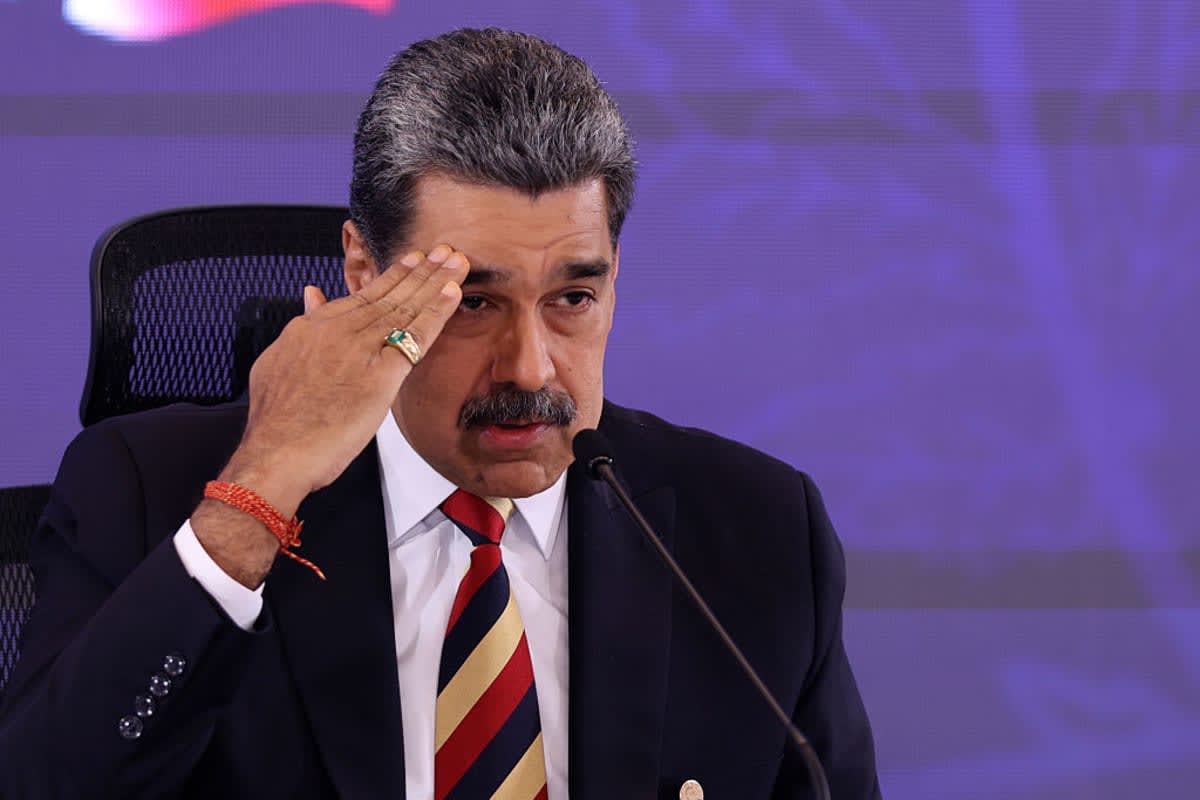
In April, federal prosecutors charged US soldier Gannon Ken Van Dyke with allegedly using privileged knowledge during an operation involving former Venezuelan President Nicolás Maduro to make about $400,000 in prediction market earnings.
That same month, Kalshi said it fined three political candidates who bet on their own races, including Virginia US Senate candidate Mark Moran, who placed a wager on whether he would run before announcing his campaign.
While supporters argue prediction markets function like financial derivatives, critics have questioned whether they amount to lightly regulated gambling.
Trump has defended the industry, saying states should avoid regulating prediction markets and leave oversight to the Commodity Futures Trading Commission.