Trump's FCC boss accused of taking Paramount perks before $110B merger vote
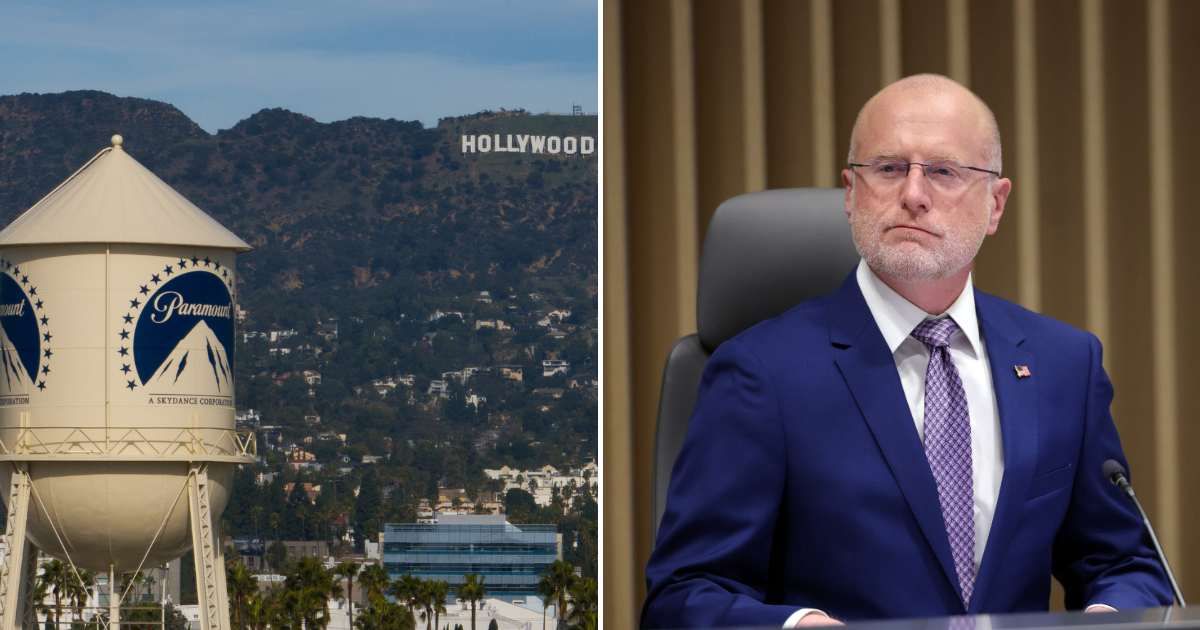
WASHINGTON, DC: FCC Chairman Brendan Carr is facing mounting ethics scrutiny after an investigation alleged he accepted tens of thousands of dollars in Paramount-linked hospitality while preparing to oversee one of the company's biggest regulatory hurdles yet, a proposed $110 billion merger between Paramount and Warner Bros Discovery.
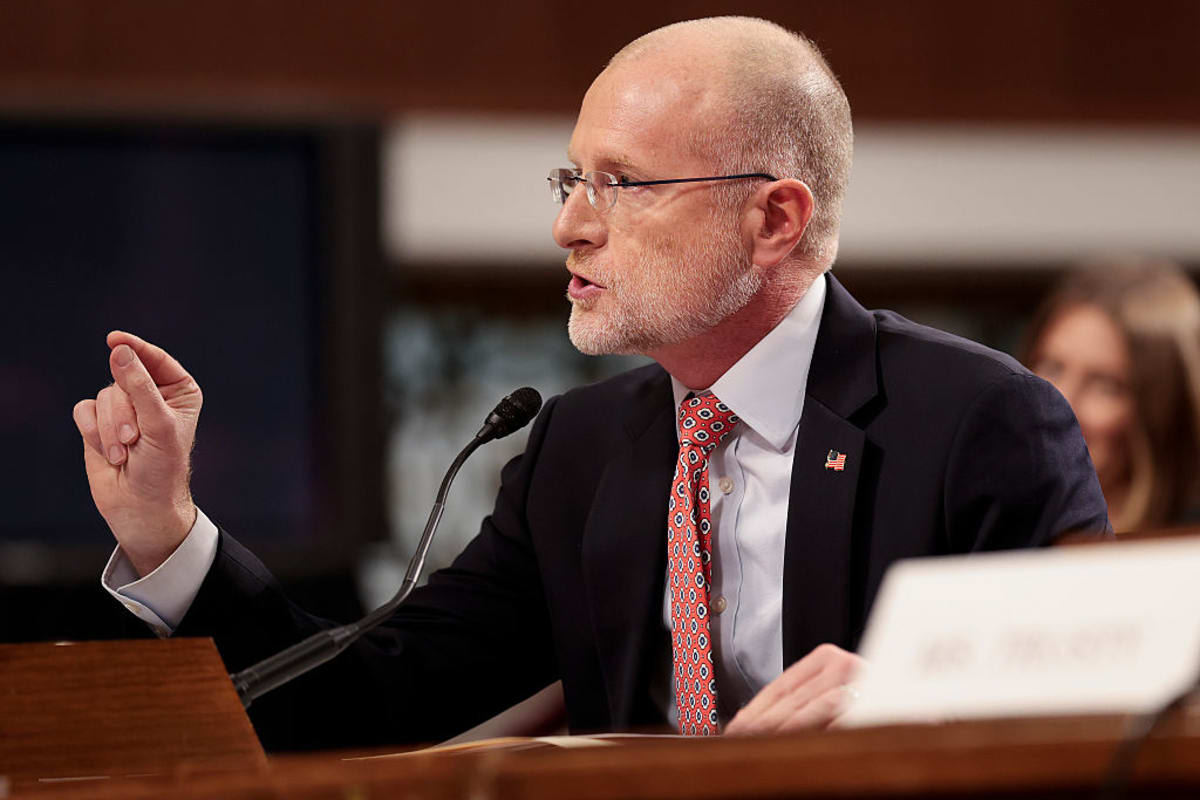
The allegations, first reported by ProPublica, have prompted ethics experts to question whether Carr should recuse himself from decisions involving Paramount, while the FCC insists the chairman complied with longstanding ethics guidance.
Perks raise conflict concerns
At the center of the controversy is whether the nation's top communications regulator can impartially decide Paramount's future after accepting benefits tied to the company he regulates.
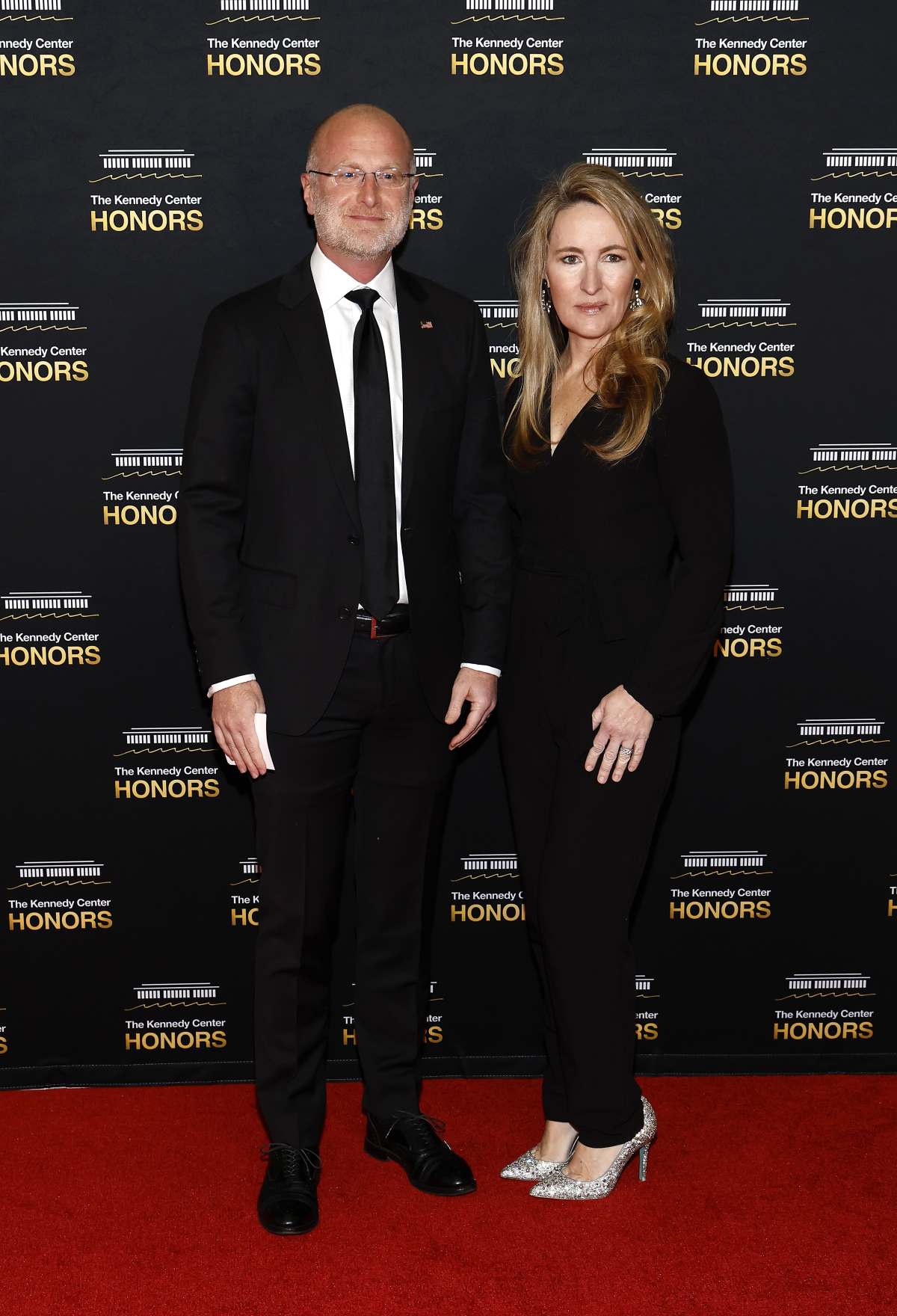
According to ProPublica, Carr attended multiple Paramount-sponsored Kennedy Center Honors events over several years, accepting gifts valued at more than $63,000 since becoming an FCC commissioner in 2017.
Last December, Carr and his wife also sat in a private Kennedy Center skybox alongside Paramount CEO David Ellison and other company executives during the annual gala.
The timing has drawn particular attention because Paramount was already pursuing another transformative media deal that is expected to require FCC approval.
Merger review raises stakes
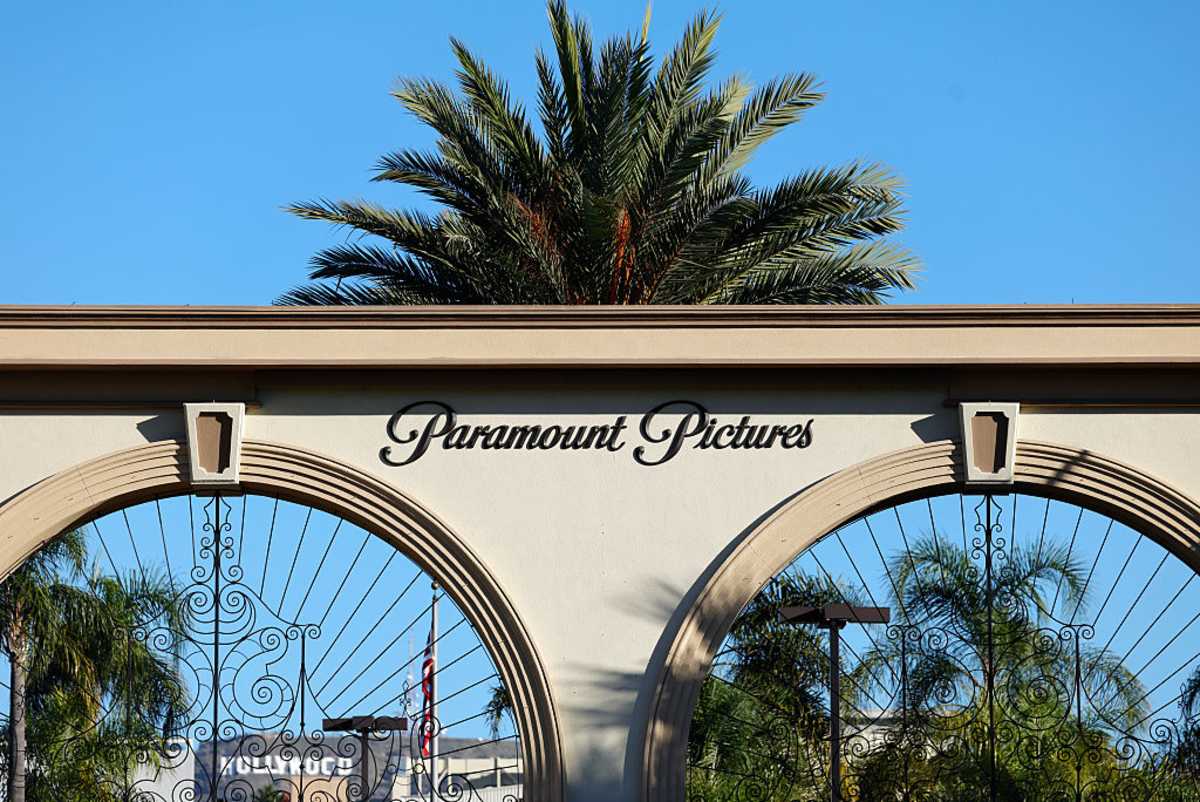
The proposed $110 billion merger would combine Paramount and Warner Bros Discovery into one of the world's largest entertainment companies, bringing together CBS, CNN, Paramount+, HBO Max and numerous television networks, film studios and digital platforms under one corporate umbrella.
Because the FCC regulates broadcast license transfers, the agency's approval represents one of the transaction's final regulatory hurdles.
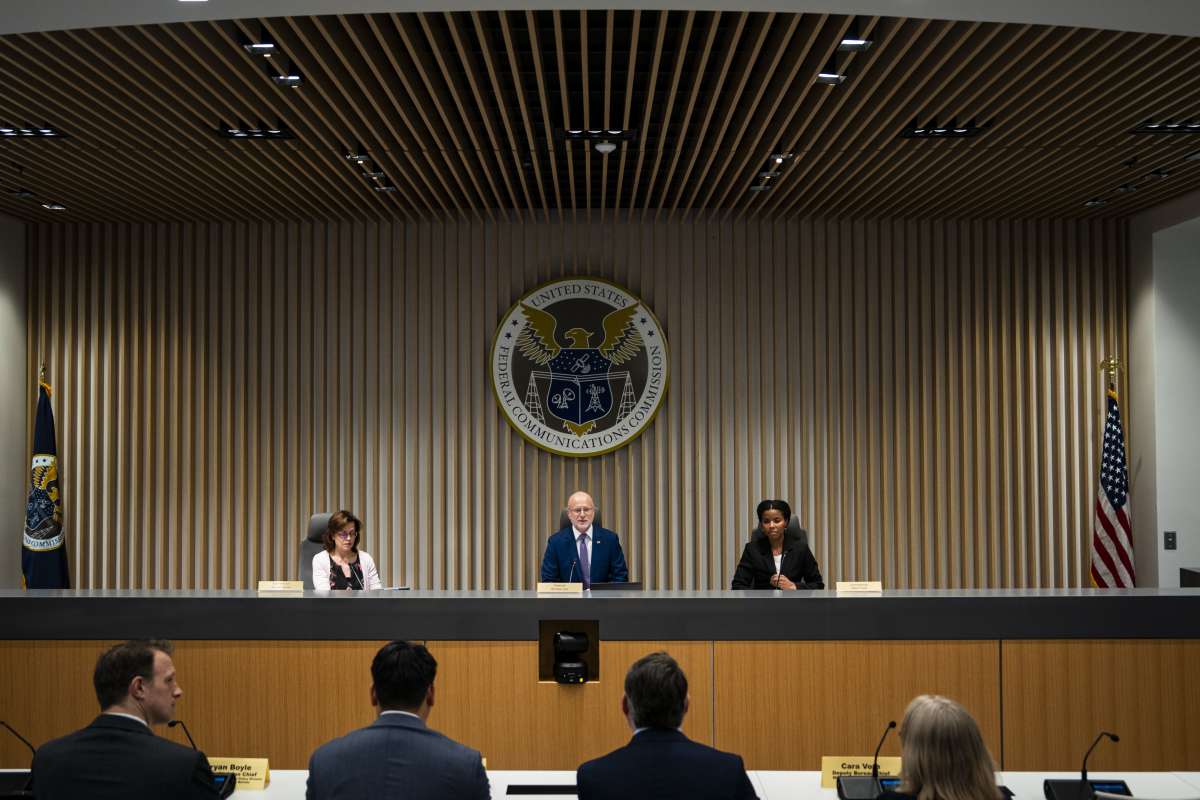
With only three commissioners currently serving, Republicans Brendan Carr and Olivia Trusty could ultimately determine the outcome if the matter reaches a commission vote, giving Carr enormous influence over one of the largest media mergers in recent years.
Ethics experts demand recusal
Several former government ethics officials interviewed by ProPublica argued the gifts create at least the appearance of a conflict of interest.
Former Office of Government Ethics Director Walter Shaub said regulators should never accept expensive gifts from companies whose business comes before their agencies, warning that doing so undermines public confidence in government decisions.
Former White House ethics lawyer Virginia Canter similarly argued that participation in the Paramount merger review could damage the credibility of the FCC's decision-making process, while Campaign Legal Center ethics counsel Kedric Payne called the situation an "obvious conflict of interest."
Some experts also suggested the controversy could become part of any future legal challenge against the merger approval.
FCC defends longstanding practice
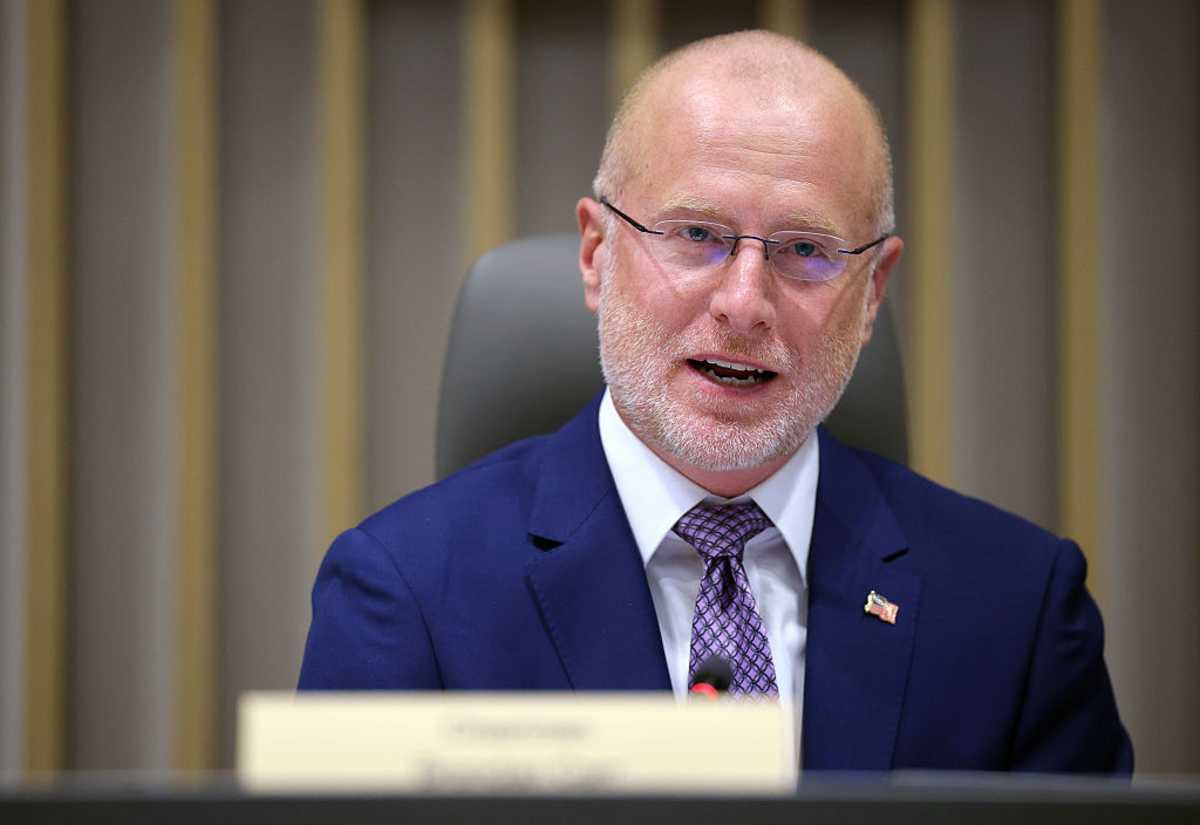
The FCC rejected suggestions that Carr violated ethics rules.
An agency spokesperson said FCC ethics officials have consistently approved attendance at the Kennedy Center event under federal ethics guidance across multiple administrations, including those of Presidents Barack Obama, Joe Biden and Donald Trump.
According to the agency, commissioners' participation complied with the "widely attended gathering" exception contained in federal ethics regulations.
However, ethics experts dispute that interpretation, arguing the Kennedy Center Honors gala does not resemble the type of policy-focused event envisioned under those exemptions.
Political battle keeps growing
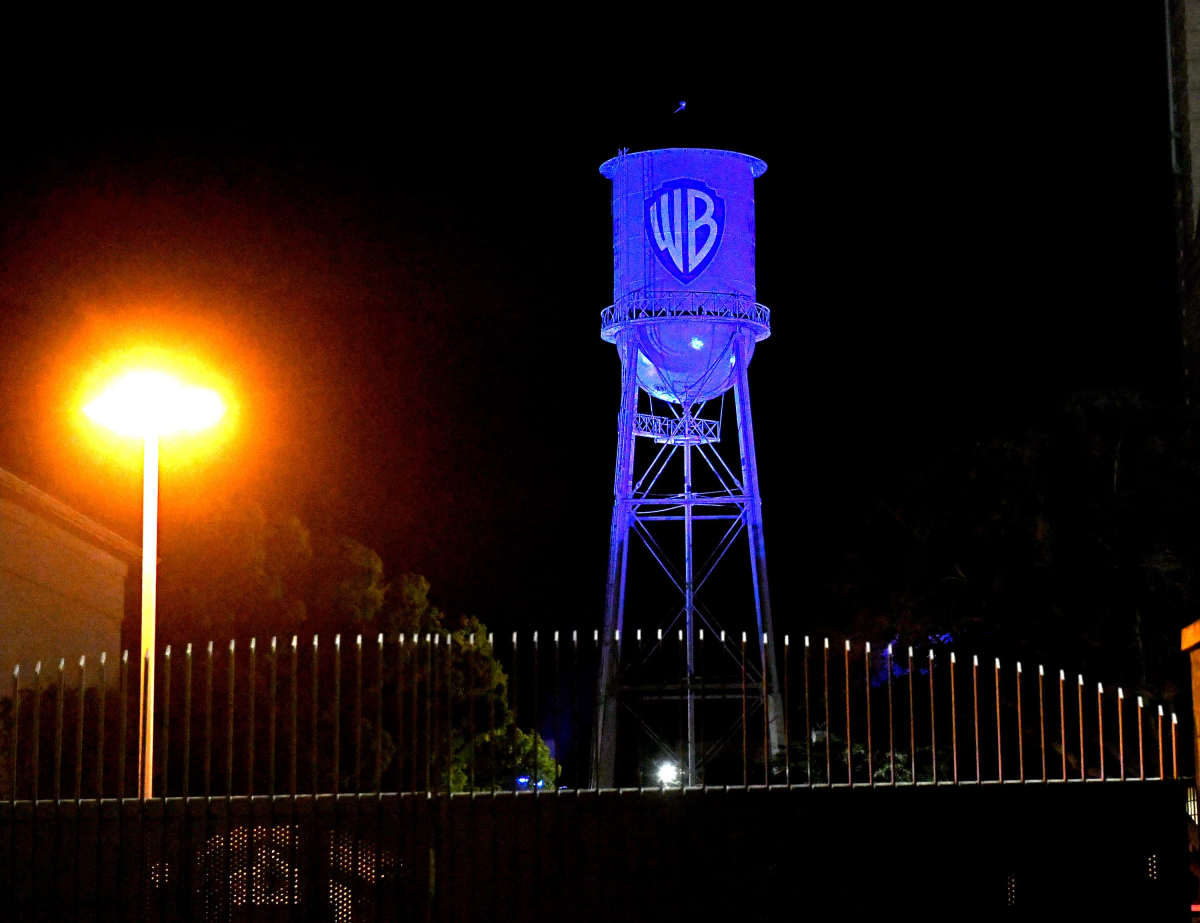
The ethics controversy arrives as the Paramount-Warner Bros Discovery transaction is already facing mounting political and legal pressure.
A coalition of Democratic-led states has sued to block the merger on antitrust grounds, while regulators in the United Kingdom are also reviewing its competitive impact.
More than 5,000 actors, producers and entertainment workers have publicly opposed the consolidation, arguing it could reduce competition and reshape the entertainment industry.
Whether Carr ultimately participates in the FCC's review, or chooses to step aside, could become one of the most closely watched questions surrounding the deal as regulatory scrutiny intensifies.