'We have a different opinion': JD Vance hints at Trump's limits with Netanyahu
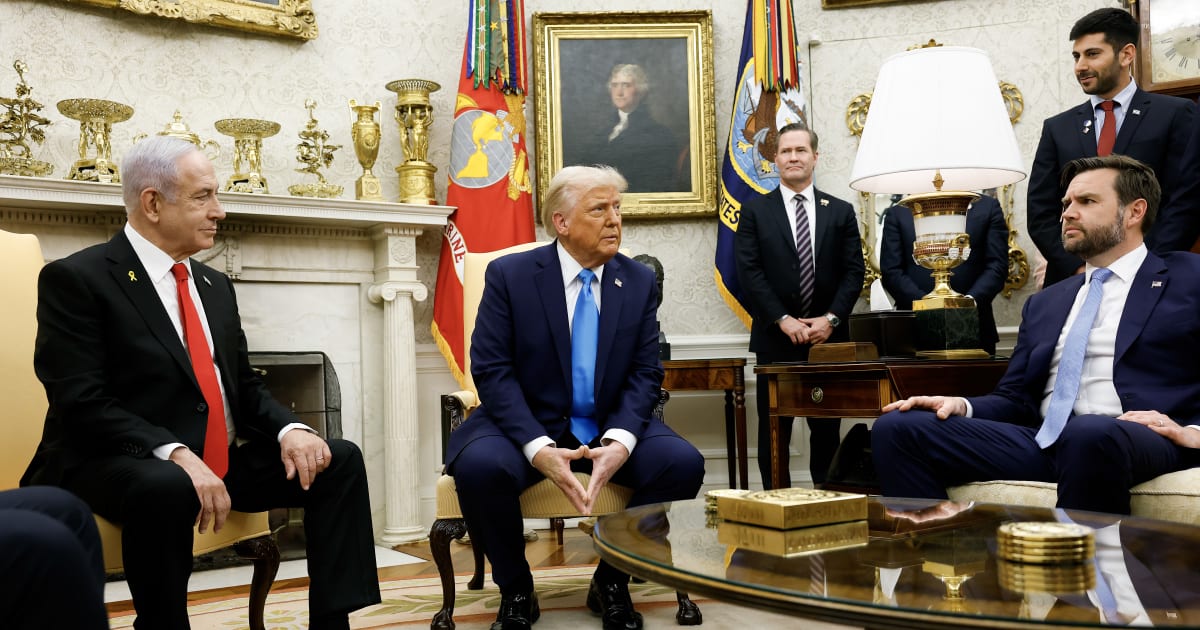
WASHINGTON, DC: Vice President JD Vance said that President Donald Trump can remain a partner to Israeli Prime Minister Benjamin Netanyahu while disagreeing when US interests point elsewhere.
Vance argued that strong partnerships do not require Washington to make its foreign policy “subservient” to Israel or other allies.
He made the comments while speaking at the ‘All-In Summit’ in Los Angeles on Tuesday, September 15.
JD Vance:
— Clash Report (@clashreport) September 16, 2026
We cannot let our Middle Eastern foreign policy be subservient to the state of Israel.
We're going to work with people when we work with them. We're going to disagree when we disagree. pic.twitter.com/F4NYodbUjV
JD Vance says Trump can disagree with Netanyahu
Vance said Trump has shown a willingness to separate his relationship with Netanyahu from decisions he believes serve Americans.
“Bibi is a good partner, but also Bibi and I have a different opinion on this,” Vance said, describing how Trump can approach disagreements with the Israeli prime minister.
“Or Bibi's wrong about this, or maybe Bibi's right about this from the perspective of Israel, but the American people need us to go in a different direction,” he added.
Vance said Israel remains an important US partner for military technology and intelligence sharing. But he argued that partnership does not require agreement on every issue.
“Obviously Israel has been an important partner when it comes to military technology, when it comes to intelligence sharing,” Vance said.
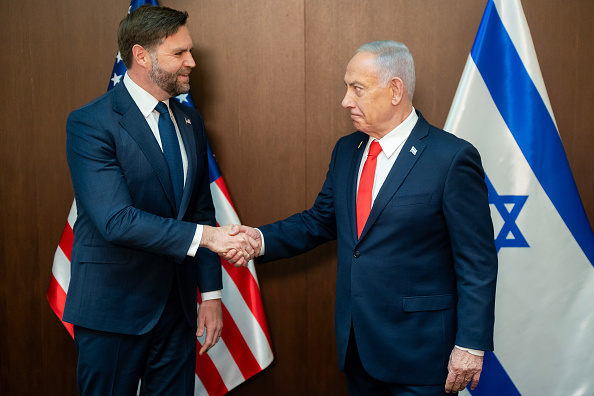
He added that the two countries can work together while the US separately determines what it considers to be in the American interest.
The vice president said the same principle should apply to US relationships more broadly.
VP Vance ties Israel policy to a broader approach
Vance compared the approach toward Israel with Trump's position on NATO, saying important partnerships should not dictate all of US foreign policy.
“Yes, obviously a lot of important relationships, a lot of important partnerships in NATO,” Vance said. “But that doesn't mean that we're going to completely make our European foreign policy subservient to NATO.”
He made a similar argument about Israel, saying the United States should not allow its Middle Eastern foreign policy to become “subservient to the state of Israel.”
“We're going to work with people when we work with them. We're going to disagree when we disagree, and we're going to pursue America's interests,” Vance said. “That's the only way to have a rational foreign policy.”
JD Vance:
— Clash Report (@clashreport) September 16, 2026
Trump has shown a willingness to actually part ways with Netanyahu when he feels like the interests of the American people are different from the interests of the government of Israel. pic.twitter.com/QkMBqi4xp9
Vance framed the approach as a way to revisit policies that may have become established through longstanding slogans or assumptions.
He said focusing on American interests could force policymakers to reconsider whether a policy that “maybe sounded good” in the past still makes sense.
JD Vance says Trump can separate partnership from policy
Vance also pushed back on criticism of Trump's relationship with Netanyahu, arguing that the president has been willing to recognize differences between the two governments.
“I find it a little ironic that you have Democrats criticizing Donald Trump for his relationship with Bibi when Donald Trump is the one president of the last 40 years who's been willing to say, you know what? Yeah, Bibi is a good partner,” Vance said.
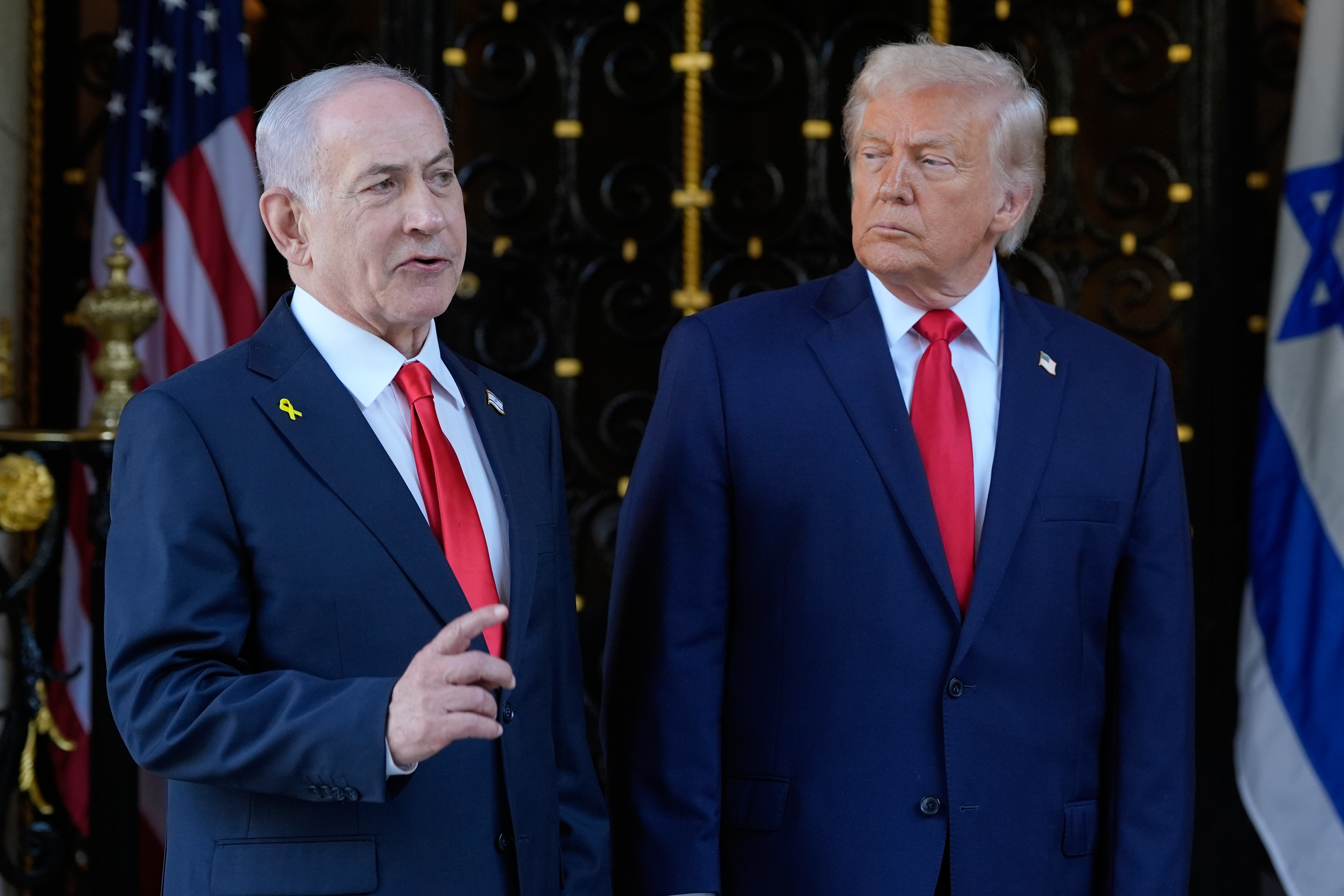
He then described the president's position as allowing for disagreement over specific issues while maintaining the broader relationship.
Vance said that approach could give Americans a clearer view of whether a policy serves their interests rather than treating a partnership itself as the deciding factor.