'Why would I ever make such a change': Trump shuts down Scott Bessent AI czar reports
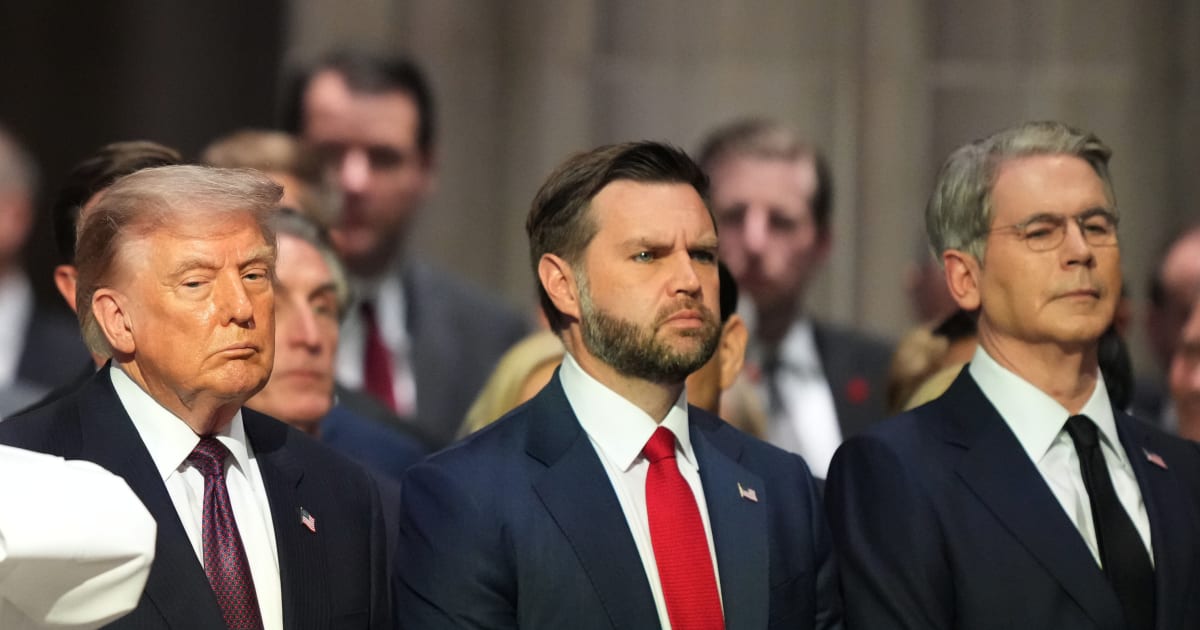
WASHINGTON, DC: President Donald Trump dismissed reports that he was considering Treasury Secretary Scott Bessent for a new AI czar role, saying he wanted to keep him at Treasury.
Trump said Bessent did not want the position and praised his work at the department, rejecting reports that he was being considered for the role.
The president made the remarks in a Truth Social post on Friday, September 25, shortly after concluding a three-day summit in Washington with Chinese President Xi Jinping.
TRUMP: Denies Scott Bessent will become Super Intelligence czar, says he wants him to remain at Treasury pic.twitter.com/k7C1AulzWK
— Trump Truths (@trumptruthsbot) September 25, 2026
Trump says Scott Bessent is staying at Treasury
“Scott Bessent will not be going to be Super Intelligence (SI) Czar,” Trump wrote, adding that Bessent did not want the position and was doing “such a great job at Treasury.”
“Why would I ever make such a change?” the president asked, calling the reports “Just more Fake News!”
The post followed reports from Semafor and Reuters that Trump was considering Bessent for the position.
Semafor reported on September 22 that the Treasury secretary had emerged as a frontrunner, citing three sources familiar with the matter.
The report also described Bessent’s existing involvement in the administration’s AI policy, including discussions with Chinese Vice Premier He Lifeng about a potential mechanism for communication on AI incidents that could threaten national security.
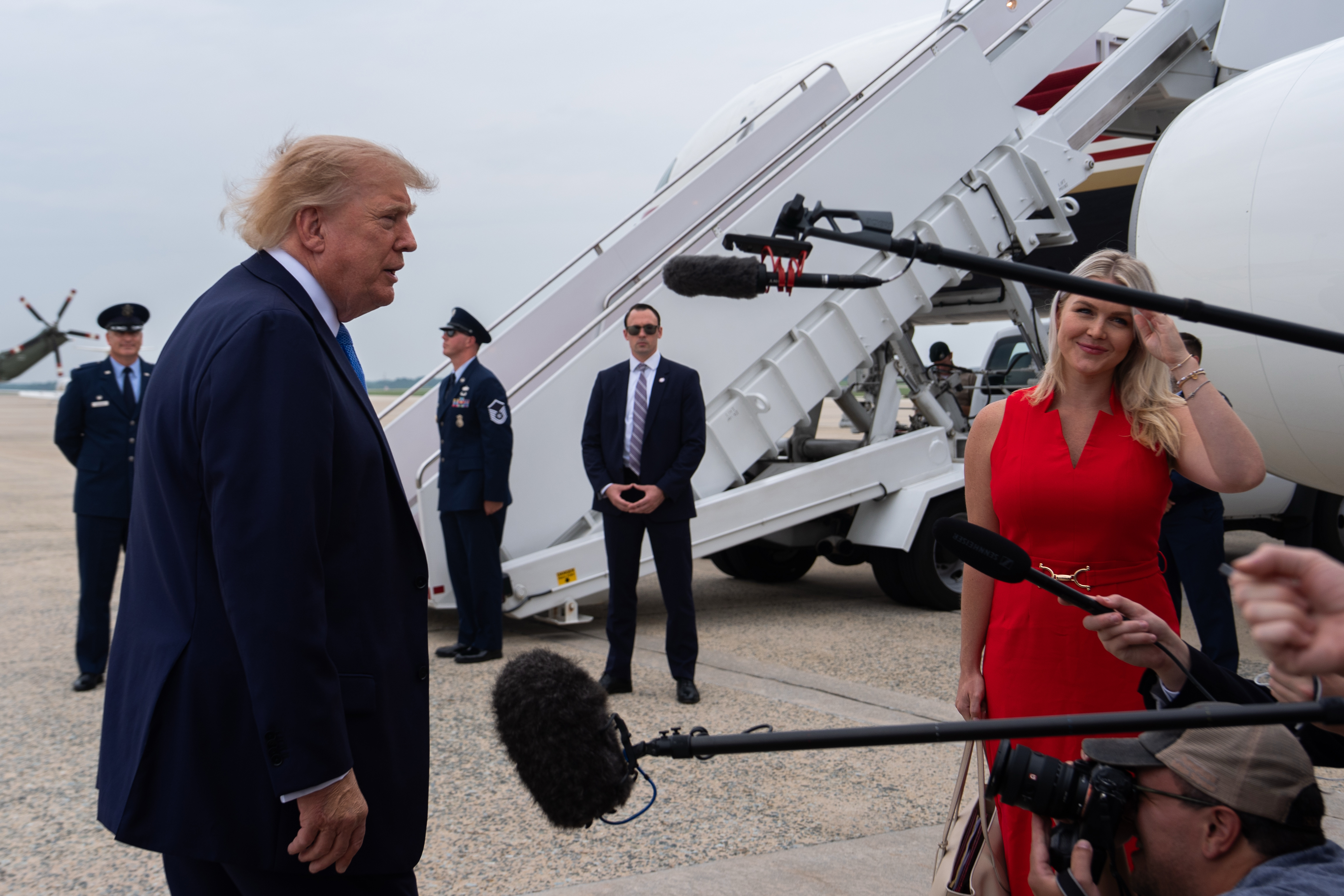
The report by Semafor stated that Bessent and He Lifeng had discussed a possible US-China “notification mechanism” during talks on the sidelines of the United Nations General Assembly.
Bessent said the discussions were part of efforts toward a formal dialogue between the two countries on artificial intelligence.
White House had cautioned against personnel reports
Before Trump’s post, White House spokesman Kush Desai had disputed the reporting about the prospective appointment, saying personnel decisions that had not been officially announced should be treated as speculation.
“Any reporting about personnel decisions that have not been officially announced by the administration should be regarded as baseless speculation,” Desai said in response to inquiries about the potential role.
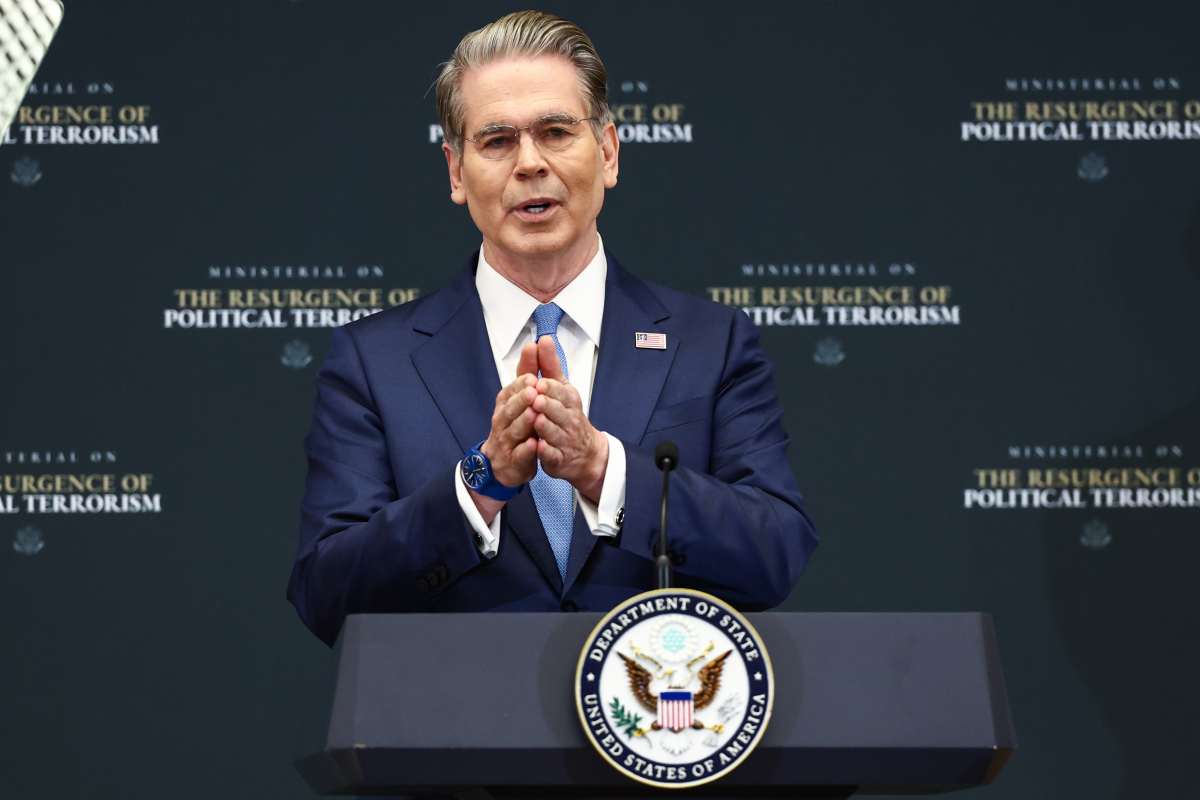
Semafor reported that Trump’s decision on an AI point person was not final and noted that the president had previously favored candidates who were not initially considered frontrunners.
Other potential contenders reportedly included Michael Kratsios, director of the White House Office of Science and Technology Policy, and Scott Kupor, director of the Office of Personnel Management.
Kratsios was described as a longtime technology policy adviser to Trump, while Kupor had previously worked at venture capital firm Andreessen Horowitz.
Trump’s announcement now rules out Bessent for the role, at least according to the president’s public statement, while leaving the other reported candidates unaddressed.
Trump previously announced plans for an AI czar
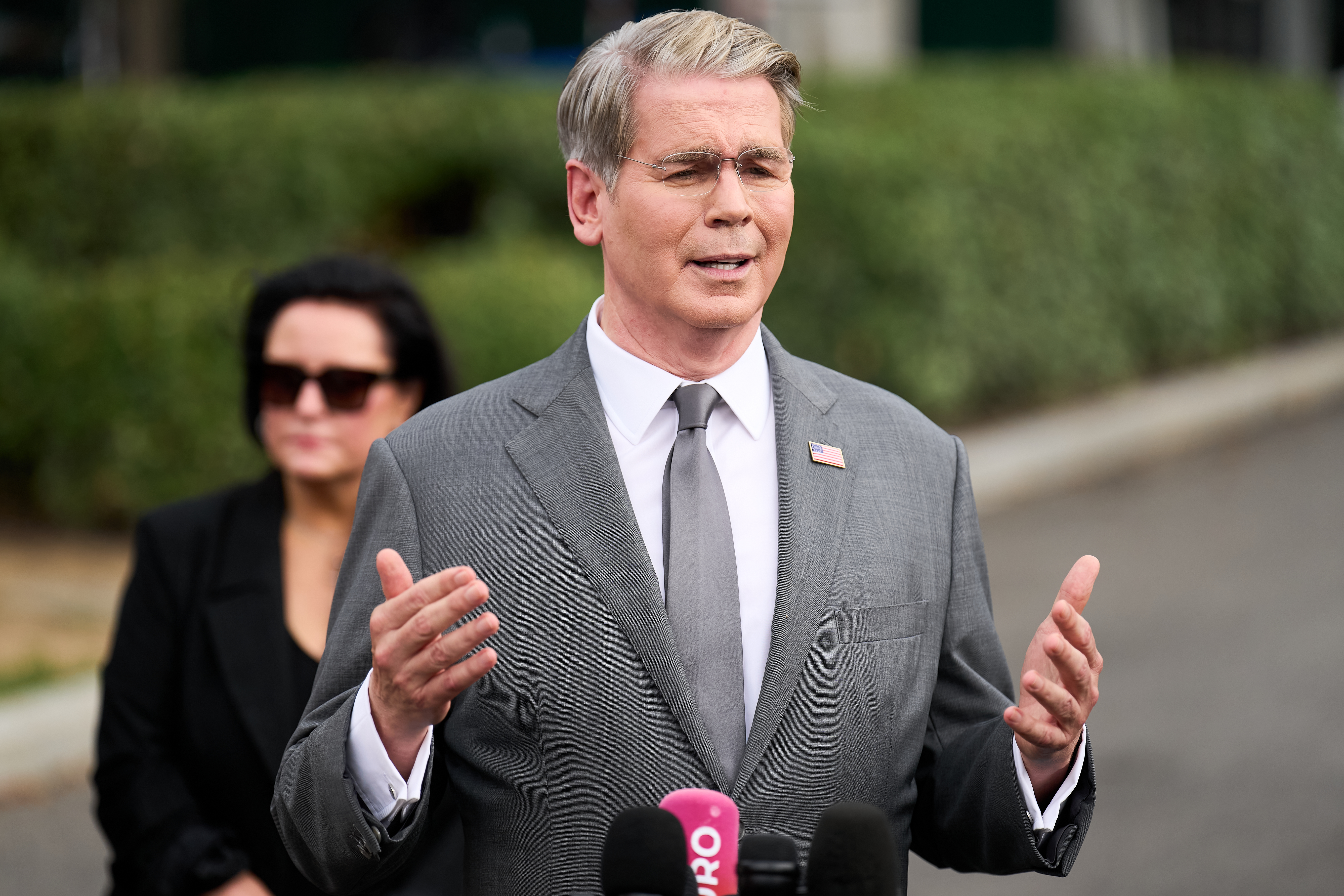
Trump announced September 19 that he would establish an “AI Force” and appoint an artificial intelligence czar, but did not provide details or a timeline for the plan.
He said his administration would not hinder the industry’s growth and rejected calls to slow AI development until stronger safeguards were in place.
“AI is the next Industrial Revolution, or Internet, but will be even larger and more impactful, possibly as much as 25% of our Country's GDP,” Trump said in the earlier social media post, adding that he wanted the United States to maintain its lead over China in AI.
The announcement came amid warnings about potential dangers associated with the technology and calls for coordinated action on its development.
Trump also said his administration would use existing criminal and civil justice systems to target bad actors using AI.
The debate has included calls from Anthropic CEO Dario Amodei for slower AI development, regulation and independent monitoring.
OpenAI CEO Sam Altman and xAI CEO Elon Musk have said they agree with his recommendations.
Bessent, meanwhile, has argued that AI developers should take responsibility for their systems rather than expect federal protection from liability.
“Humans are responsible, not AI,” he told CNBC.