‘Working on floppy disks’: FAA’s outdated technology under scrutiny after flight disruptions

WASHINGTON, DC: The Federal Aviation Administration (FAA) has faced nearly two decades of warnings about its aging air traffic control infrastructure, with repeated technical failures renewing concerns about the reliability of systems responsible for keeping US flights moving safely.
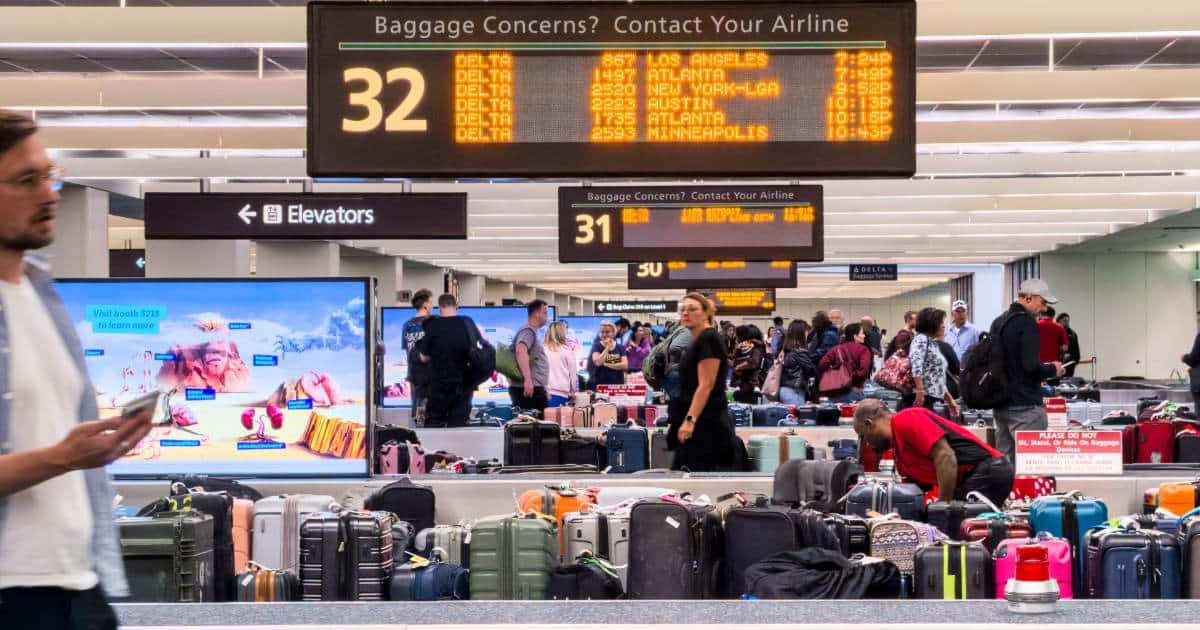
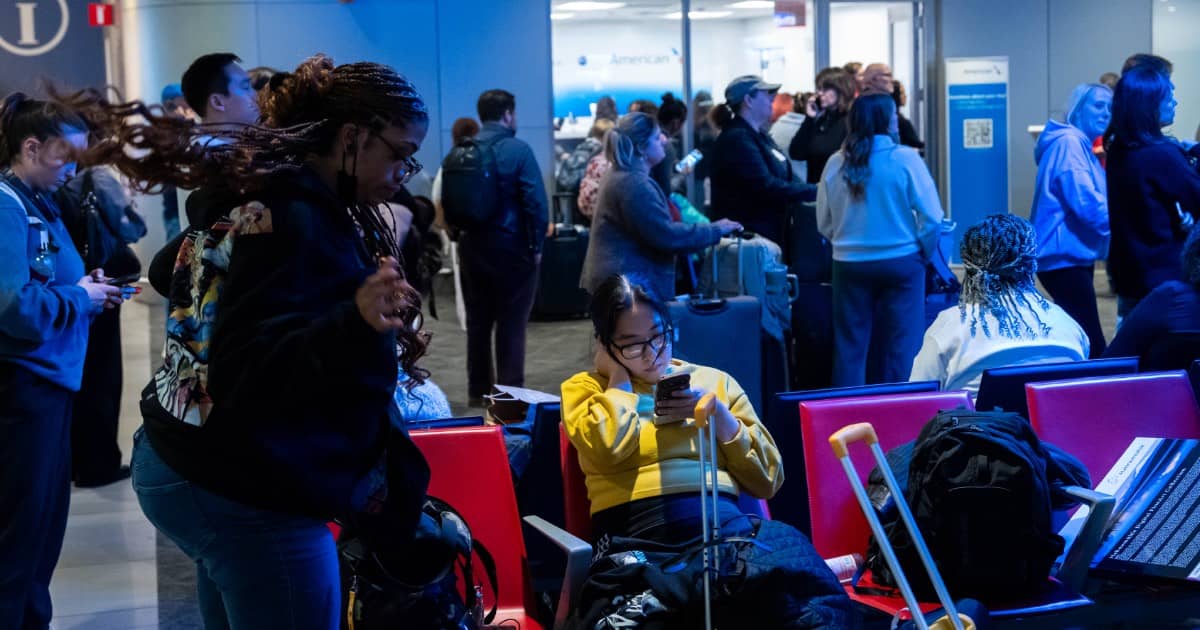
The latest nationwide flight disruption on November 13 has brought renewed scrutiny to the agency's modernization efforts after communications problems affected 17 of the country's 22 air route traffic control centers. Investigators suspect a newly installed router in Arkansas may have played a role in the breakdown, which occurred during ongoing upgrades to the FAA's telecommunications network.
A CNN review of government oversight reports and previous incidents found that similar warnings date back to a major 2009 outage, when a router failure affected more than 100 air traffic facilities and grounded hundreds of flights.

Previous outages exposed aging infrastructure
A Department of Transportation inspector general review of the 2009 incident found that a technician had incorrectly configured a router, disrupting the flow of air traffic data across much of the network. The technician worked for Harris Corporation, which later merged with another company to form L3Harris, the contractor now under scrutiny in the latest outage.
Despite recommendations for improvements, including new backup systems, further failures followed. In 2017, the FAA inspector general warned that technology disruptions remained a major threat to air travel.
A 2023 Government Accountability Office report also found that many air traffic control systems were increasingly prone to failure and relied on spare parts that were difficult to obtain.
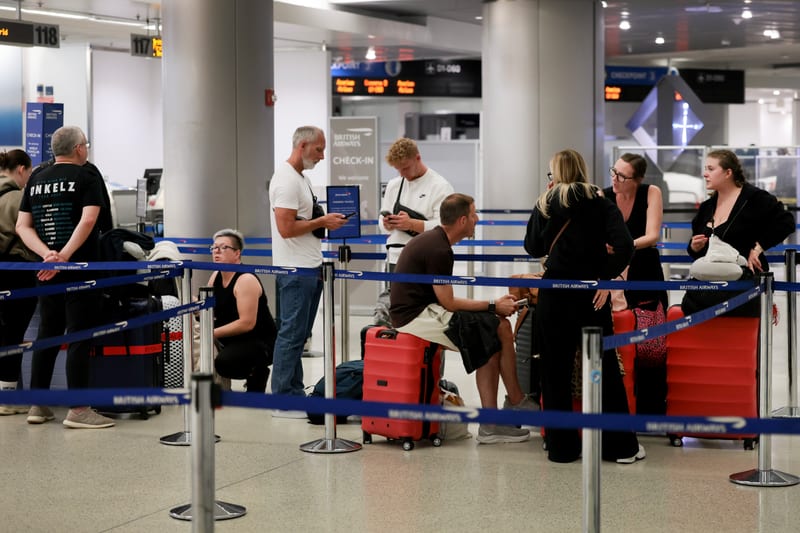
The FAA has made progress replacing old copper wires with high-speed fiber-optic cables, but a September GAO report questioned whether the agency was scheduling the work effectively.
The report warned that prioritizing speed over costs and disruptions to controller operations could leave the agency relying on outdated systems for longer and increase the risk of further flight delays and safety incidents.
Experts warn FAA technology dates back decades
Aviation experts have also raised concerns about how long the agency has relied on outdated equipment. Margaret Wallace, an assistant professor of aviation management at the Florida Institute of Technology, told the outlet that much of the FAA's infrastructure was so old that it could almost be traced back to World War II.
Wallace offered a striking example of the agency's outdated technology, saying, “We've been working on floppy disks up until a few months ago.”
She attributed the situation to decades of insufficient investment and an approach in which equipment was replaced only when it stopped working.
Wallace described an “if it's not broken, don't fix it” mentality that left the agency struggling to replace some components because spare parts were no longer available.
A 2023 independent report commissioned by the FAA highlighted the same problem, finding that manufacturers had discontinued product lines, some companies no longer existed and the agency lacked the intellectual property rights to produce certain replacement parts.
Former Transportation Inspector General Eric Soskin also told that modernizing the network presented technical challenges because old and new systems had to operate together. He said keeping existing infrastructure running limited how thoroughly the agency could test each configuration before putting it into operation.
FBI and FAA investigate latest router failure
The November 13 outage occurred while L3Harris was carrying out maintenance to replace copper telecommunications lines with fiber optics.
Transportation Secretary Sean Duffy said a newly installed router in El Dorado, Arkansas, began sending an unusually high volume of requests into the FAA network. A second router in Texas experienced similar issues.

The FAA disabled both routers and approximately 60 others as a precaution. The agency and L3Harris are investigating whether the failure involved defective equipment or an installation or configuration error. The FBI is also involved out of an abundance of caution.
L3Harris said it was supporting the investigation and had completed more than 70% of the copper-to-fiber conversion. Hewlett Packard Enterprise, whose subsidiary manufactures the routers, said its equipment was working as configured based on the information it had received.

Congress has allocated $12.5 billion toward FAA infrastructure upgrades, but Duffy said additional funding would be needed to build a new network and develop software to manage aircraft separation.
The September GAO report also criticized the FAA for lacking detailed cost estimates and integration plans for its modernization program, warning that inadequate planning could lead to further delays and cost overruns.
The latest outage has intensified questions about whether the agency can replace its aging technology without causing further disruptions to the country's aviation network.