Wyden presses Gabbard on ‘foreseeable’ Iran strike fallout, Strait of Hormuz threat
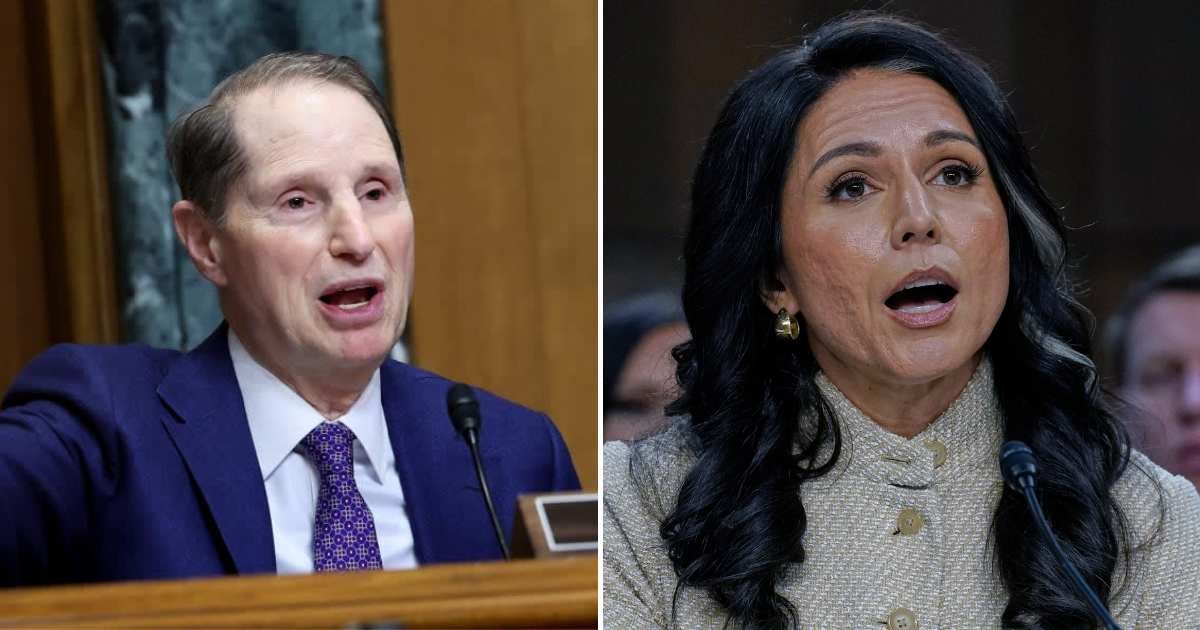
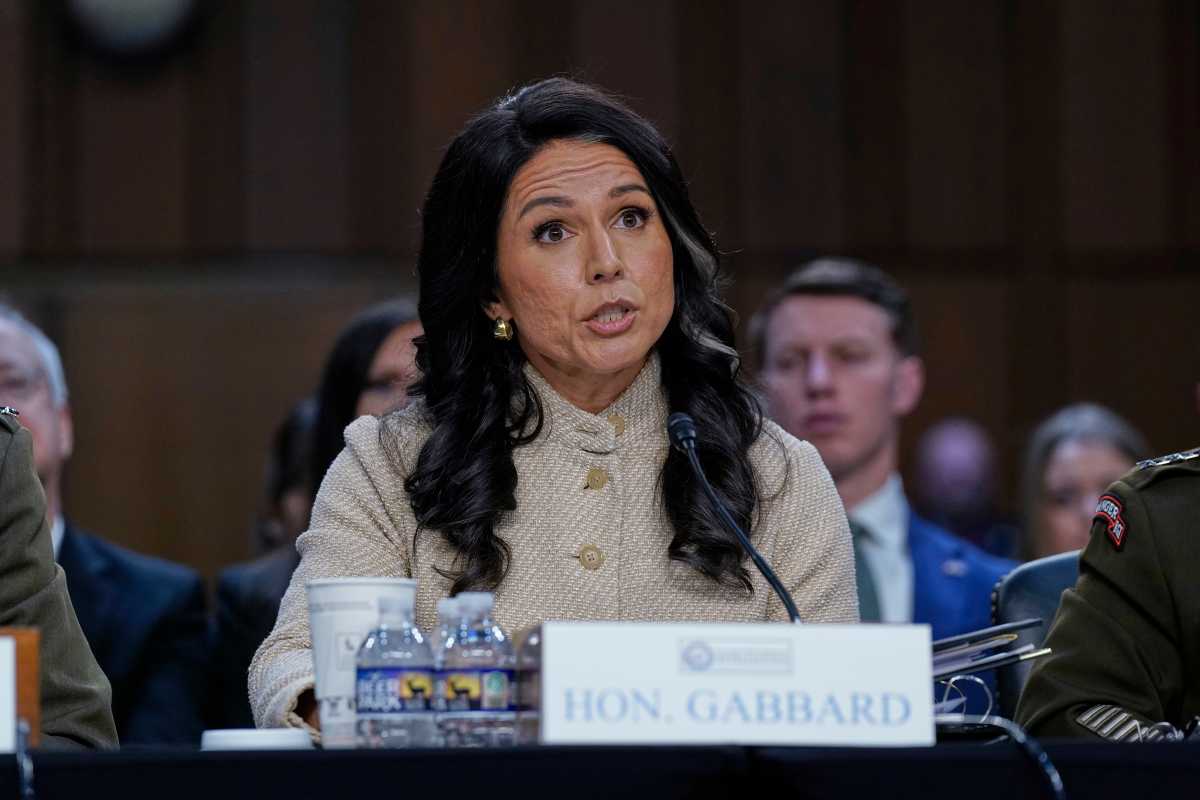
WASHINGTON, DC: Democratic Senator Ron Wyden on Wednesday, March 18, pressed Tulsi Gabbard over what he described as “foreseeable” consequences of US strikes on Iran.
Citing intelligence assessments, Wyden said agencies had long warned that Tehran retained the capability to retaliate, launch regional strikes and disrupt the strategically vital Strait of Hormuz.
“Every problem we’re seeing now was not only foreseeable but was predicted by the intelligence agencies,” he said.

Concerns over Strait of Hormuz disruption
Wyden questioned whether the intelligence community had maintained its assessment that Iran could shut down the Strait of Hormuz in the lead-up to the conflict.
Gabbard responded that intelligence agencies had consistently briefed the president and his team, both before and during the operation, on evolving risks tied to Iran.
Gabbard pressed on threat to US forces and allies
The senator also asked whether intelligence officials had assessed the risk of Iranian retaliation against US troops.
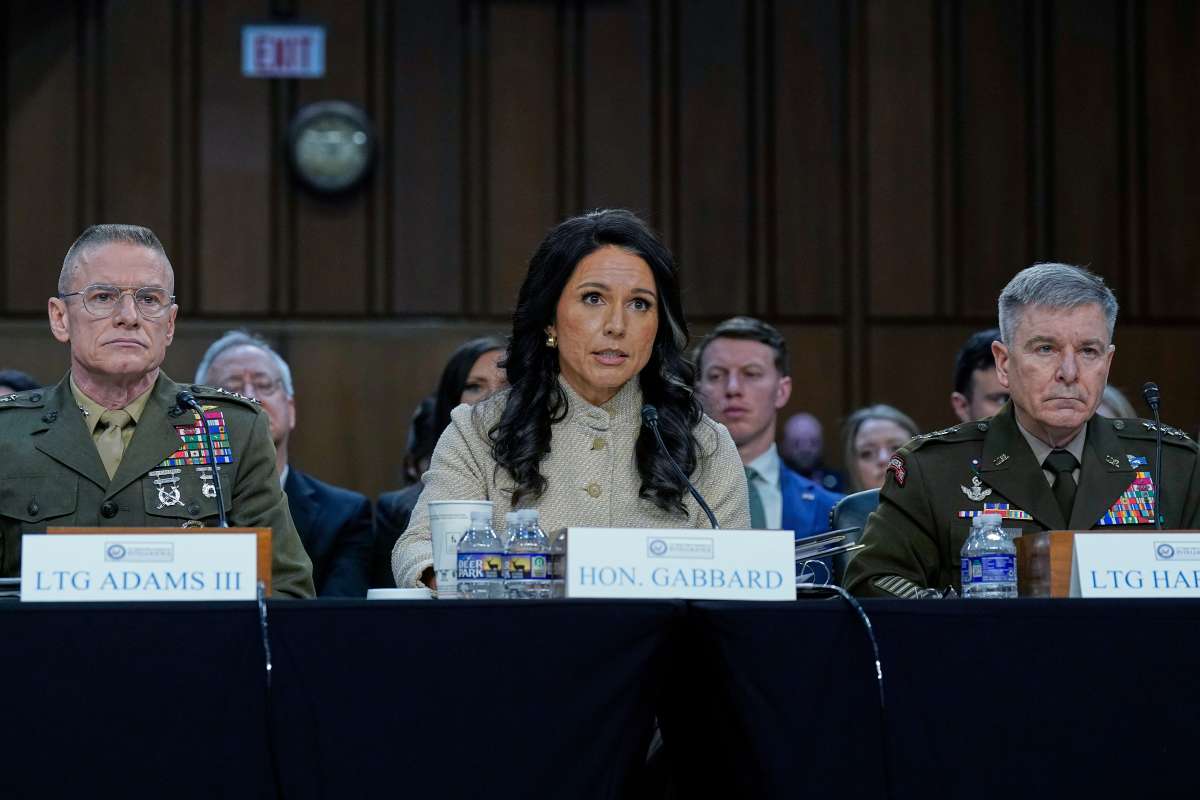
Gabbard said the intelligence community had “always taken very seriously” the threat posed by Iran’s missile capabilities, particularly the risk to American forces stationed in the region.
Wyden further pointed to statements from Donald Trump suggesting that experts had not anticipated Iranian strikes on Gulf partners, and asked if intelligence agencies had warned otherwise.
Gabbard reiterated that agencies continuously assess both existing and potential threats to regional partners and provide those findings to policymakers.
Russia-Iran Intelligence question dodged
During the hearing, Gabbard declined to address reports that Russia may be sharing intelligence with Iran. She said any such discussion would be more appropriate in a closed session.
When pressed by Senator Angus King on whether such cooperation was taking place, Gabbard avoided a direct answer, stating that even if support existed, it was not significantly affecting Iran’s operational capabilities.
King responded wryly, calling her answer “the first cousin of a yes.”