11th scientist's death emerges as White House launches probe into missing and dead officials

HUNTSVILLE, ALABAMA: The emergence of an 11th scientist’s death has intensified concerns over a growing number of US officials and researchers who have either gone missing or died under unclear circumstances.
Many of these individuals reportedly had access to highly classified national security information. The developments have prompted scrutiny from lawmakers and a response from the White House, which has initiated a broader review of the cases.
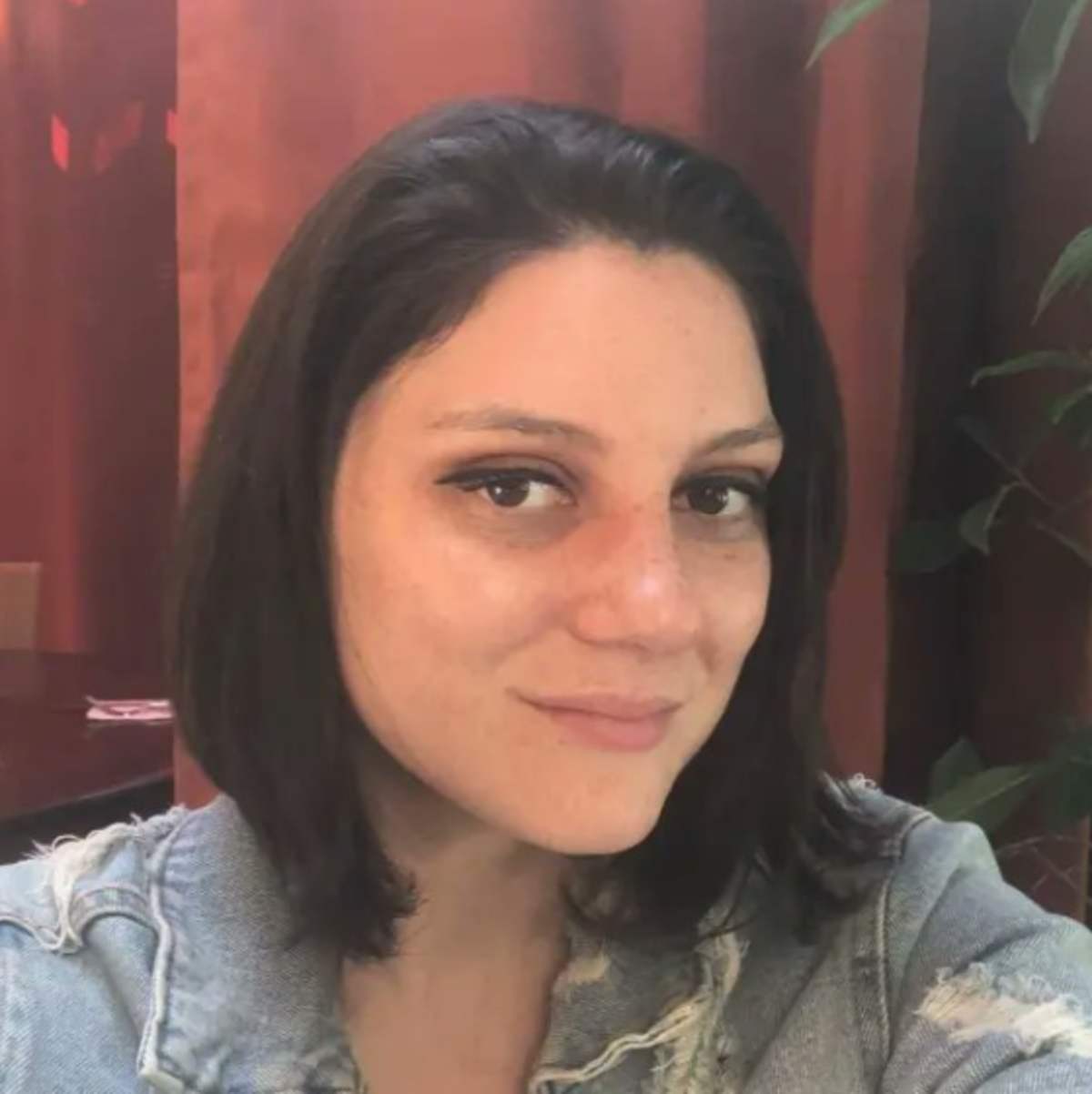
Amy Eskridge's case resurfaces as Trump orders probe into scientist deaths
The 2022 death of Amy Eskridge has re-emerged in public discourse, now identified as the 11th case in an expanding series of scientists who have either died or gone missing under unusual circumstances.
Renewed attention to her case follows at least ten similar incidents involving individuals linked to US military, nuclear, and aerospace research, raising questions about whether these occurrences indicate a broader pattern.
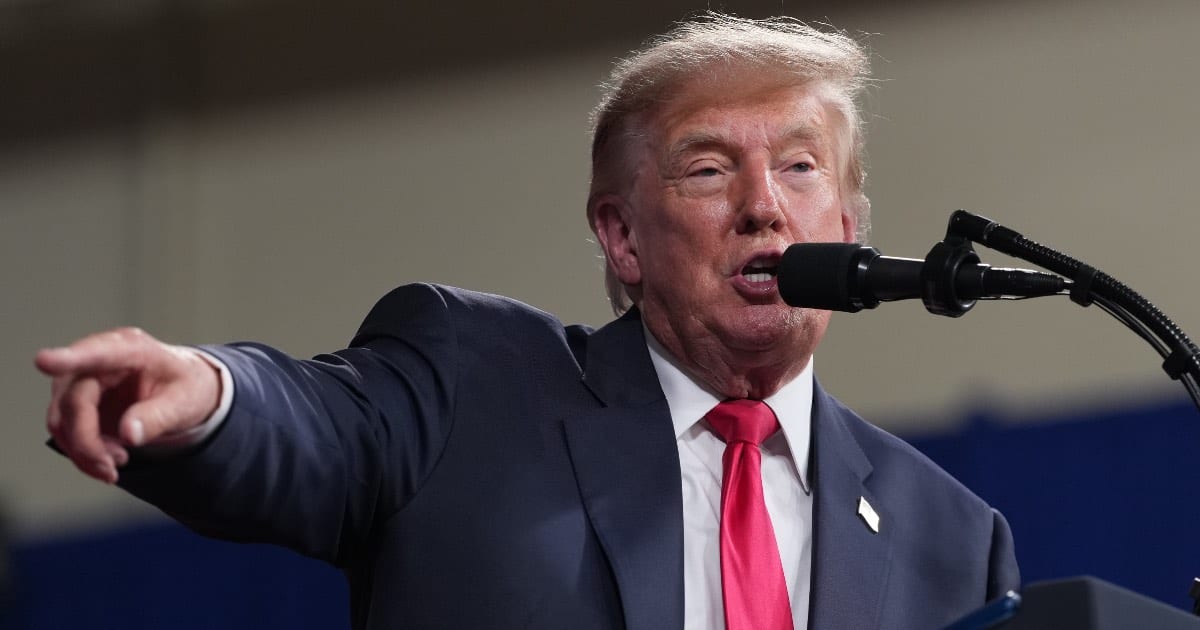
President Donald Trump said on Thursday, April 16, that he had “just left a meeting” on the issue and pledged answers within days, describing the situation as “pretty serious.” "I hope it’s random, but we’re going to know in the next week and a half," he added.
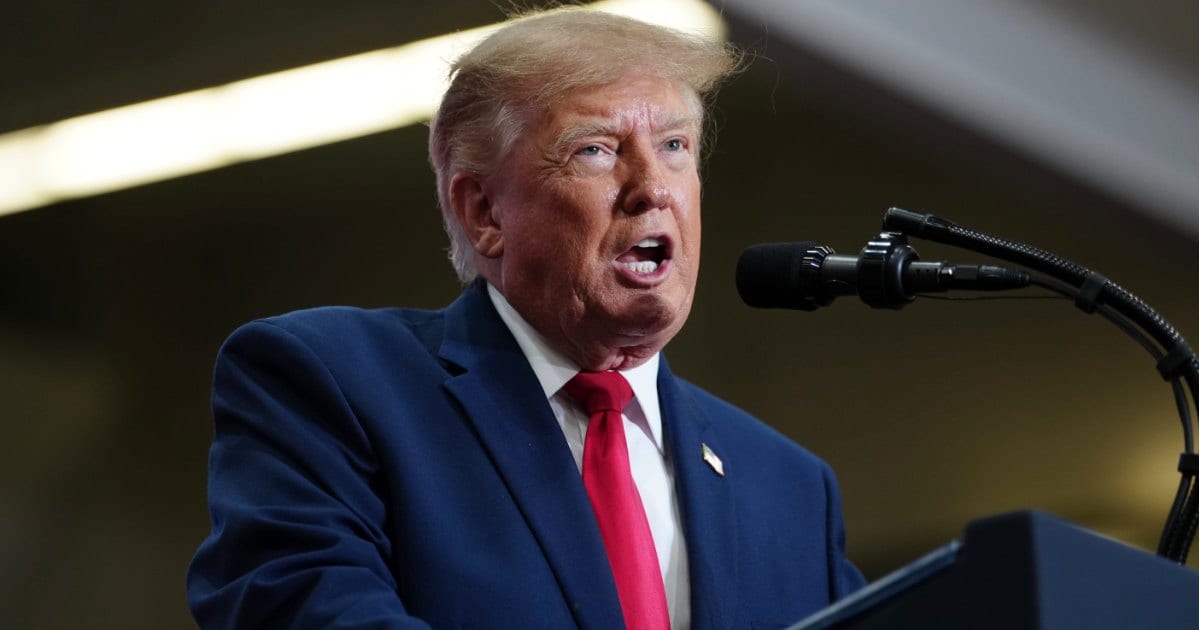
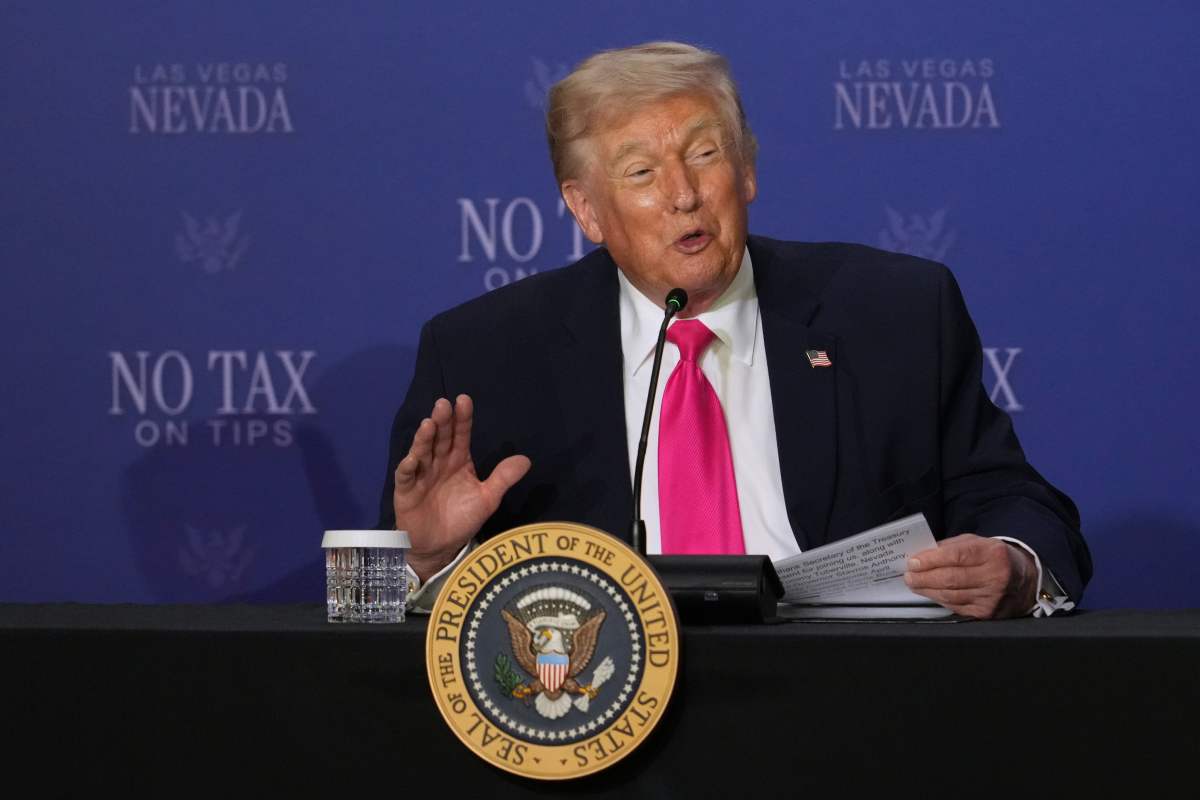 Donald Trump speaks at a roundtable event about 'no tax on tips', Thursday, April 16, 2026, in Las Vegas (AP Photo/Lucas Peltier)
White House Press Secretary Karoline Leavitt said in a post on X on Friday that the administration’s investigation would leave “No stone unturned in this effort, and the White House will provide updates when we have them.”
“In light of the recent and legitimate questions about these troubling cases and President Trump’s commitment to the truth, the White House is actively working with all relevant agencies and the FBI to holistically review all of the cases together and identify any potential commonalities that may exist,” she said.
Amy Eskridge's death fuels scrutiny over scientists’ mysterious deaths and pressure
While officials have not confirmed any direct link between the cases, the timing and the individuals’ connections to advanced research fields have drawn increasing public attention and speculation. Eskridge died at the age of 34, according to obituary records.
Her death was reported as a self-inflicted gunshot wound, though only limited official details have been made public. Eskridge co-founded the Institute for Exotic Science and described her work as focusing on experimental propulsion concepts, including what she referred to as “antigravity” research.
“We discovered antigravity, and our lives went to (expletive) and people started sabotaging us. It’s harassment, threats. It’s awful,” she said in a 2020 interview with YouTuber Jeremy Rys.
Eskridge added, “If you stick your neck out in public, at least someone notices if your head gets chopped off. If you stick your neck out in private, they will bury you. They will burn down your house while you’re sleeping in your bed, and it won’t even make the news.”
In the same interview, she described what she characterized as mounting pressure surrounding her work. She said, adding that the situation was, “I have to publish because it’s only going to get worse until I publish, getting more and more aggressive.”
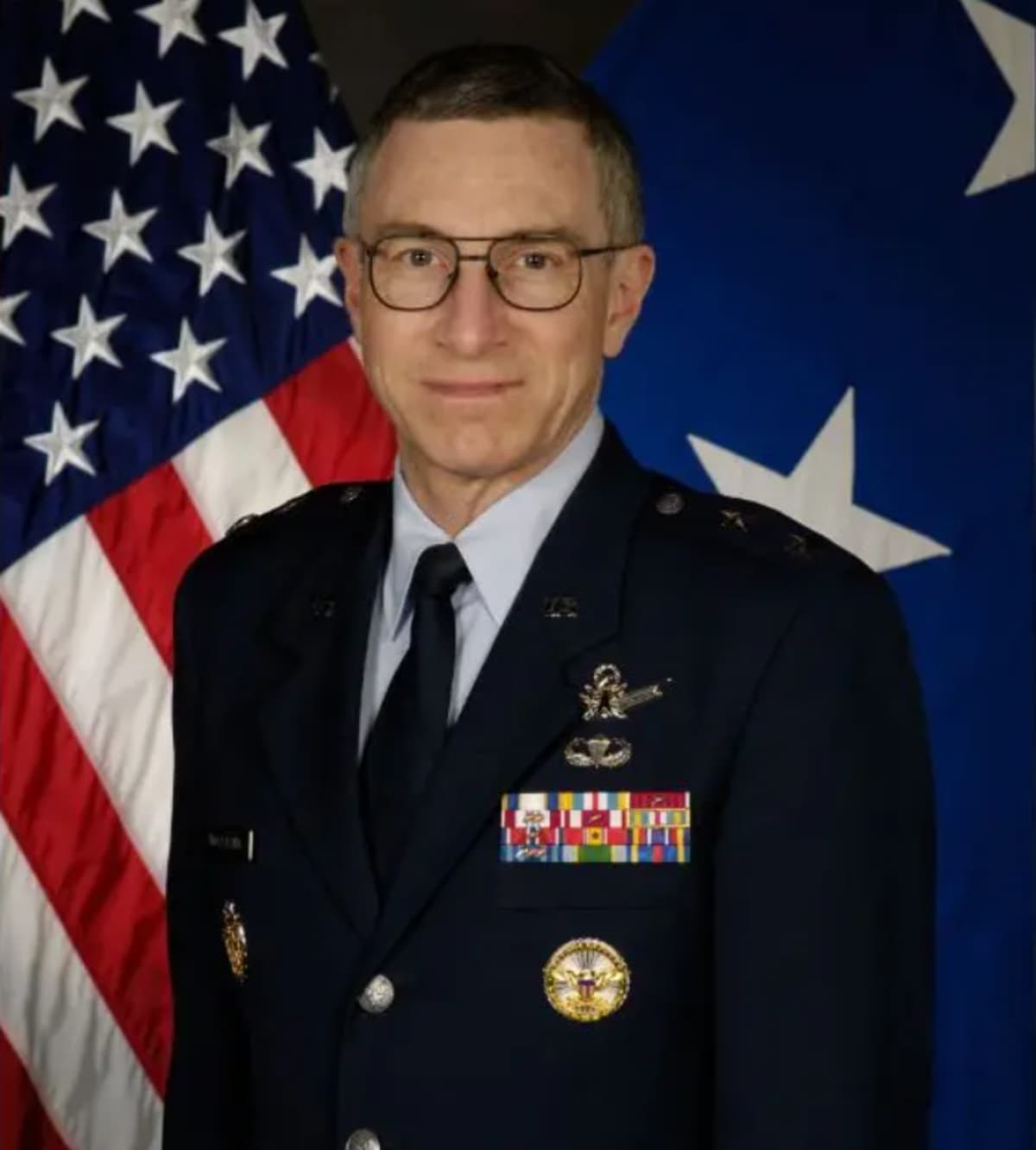
Her death has been cited alongside a series of cases involving individuals connected to sensitive research fields, including retired Air Force Maj. Gen. William 'Neil' McCasland, NASA scientist Monica Jacinto Reza, contractor Steven Garcia, astrophysicist Carl Grillmair, Massachusetts Institute of Technology physicist Nuno Loureiro, and others.