2007 political cartoon predicting US operation against Venezuela goes viral after Maduro's capture
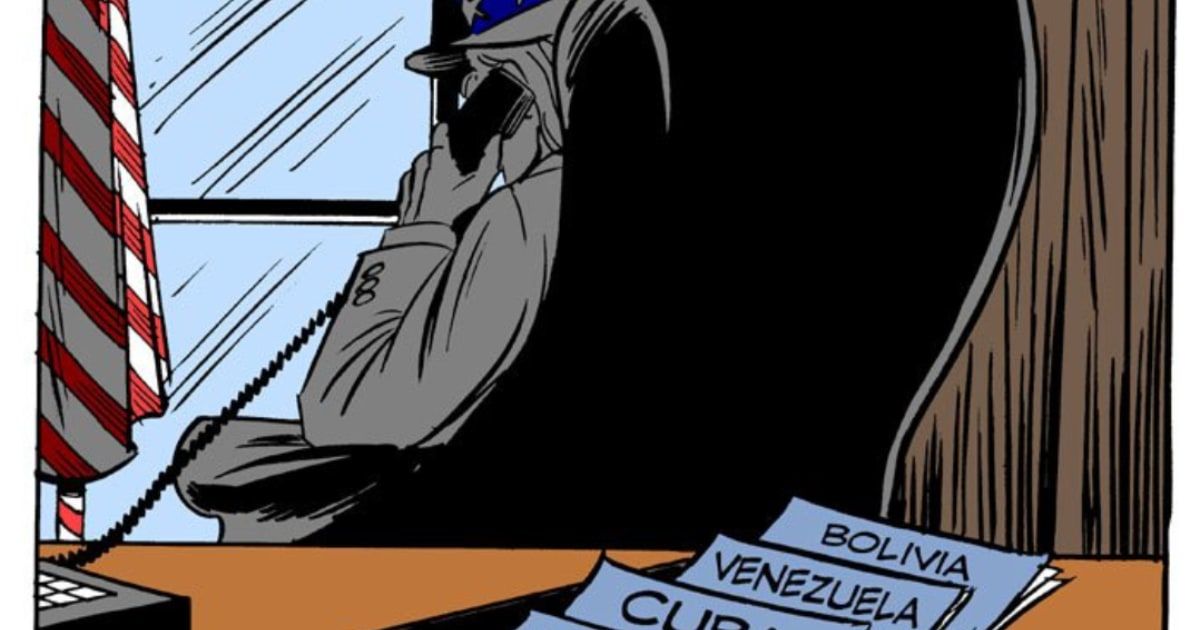
CARACAS, VENEZUELA: A political cartoon drawn nearly two decades ago is gaining renewed attention online after the United States launched a dramatic military operation against Venezuela that resulted in the capture of President Nicolas Maduro.
The illustration, created in 2007 by Brazilian cartoonist Carlos Latuff, has gone viral as social media users point to what they see as an eerie prediction of recent events.
The cartoon began circulating widely after US forces carried out overnight strikes across Venezuela on January 3, capturing Maduro in or near one of his fortified safe houses during an operation that temporarily knocked out electricity in parts of Caracas.
Cartoon prediction, 2007.#Venezuela pic.twitter.com/hPTRi3J9cF
— Carlos Latuff (@LatuffCartoons) January 3, 2026
Operation against Venezuela triggers renewed scrutiny of past warnings
The military operation, dubbed “Absolute Resolve” by American officials, had reportedly been planned and rehearsed for months. According to authorities, Special Forces executed a swift, coordinated mission that led to Maduro’s detention and subsequent transfer to US custody.
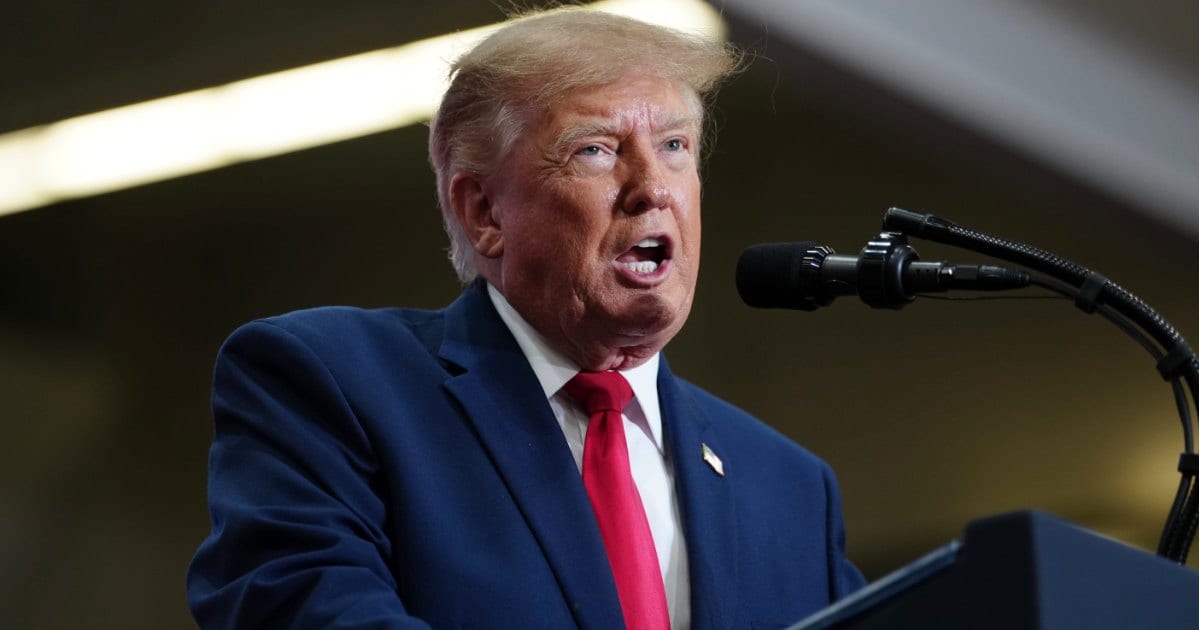
President Donald Trump, addressing the operation, said the United States would temporarily oversee Venezuela’s transition.
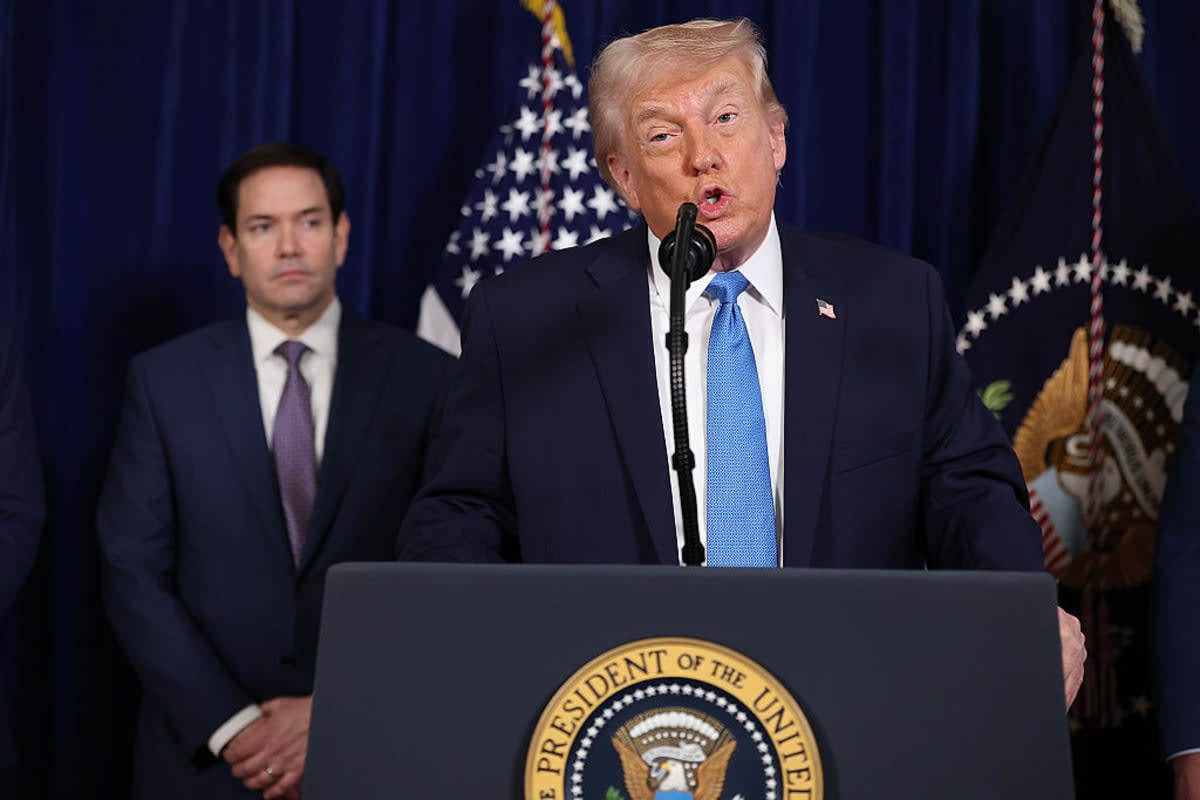
“We will run the country until such time as we can do a safe, proper and judicious transition,” Trump said. “We can’t take a chance that someone else takes over Venezuela who doesn’t have the interests of Venezuelans in mind.”
While the operation itself stunned many observers, the resurfacing of Latuff’s cartoon added an unexpected cultural layer to the unfolding geopolitical moment.
Carlos Latuff’s 2007 cartoon draws fresh attention
Latuff, now 57, reposted his 2007 cartoon titled “Crimes in Progress” following the US strikes. The illustration depicts Uncle Sam seated in the White House, speaking on the phone, with a list of countries the United States has previously invaded displayed nearby.
A prominently featured box labeled “To Do” lists four nations: Bolivia, Venezuela, Cuba, and Iran.
Ditadura nunca mais!
— Carlos Latuff (@LatuffCartoons) April 1, 2025
Tortura nunca mais!
Sem anistia! pic.twitter.com/JpoMMnv7S7
Created at a time when US military interventions in the Middle East were dominating global headlines, the cartoon reflected Latuff’s long-standing criticism of American foreign policy and Western military power. Nearly 19 years later, the image has taken on new resonance.
Within hours of being reposted, the cartoon amassed more than 30,000 views, spreading rapidly across X, Facebook, and Telegram channels as users debated whether the illustration was prophetic or coincidental.
Cartoonist known for anti-intervention themes
Latuff is widely known for his provocative political cartoons addressing US foreign policy, the Israeli-Palestinian conflict, and Western interventionism. His work has often drawn both praise and controversy for its unapologetically anti-imperialist tone.
While Latuff has not claimed the cartoon was meant as a literal prediction, many online users framed it as a symbolic warning that has now, in their view, materialized.
Others cautioned against reading too much into the image, arguing that Venezuela had long been a focal point of US policy debates and sanctions, making its inclusion unsurprising.
Nicolas Maduro transferred to United States
Meanwhile, developments on the ground continued to move swiftly. A plane carrying Maduro and his wife, Cilia Flores, landed in upstate New York on Saturday evening, according to multiple reports.
Video footage showed an aircraft arriving at Stewart International Airport, roughly 60 miles northwest of New York City. Several US personnel, including individuals wearing FBI apparel, were seen boarding the plane shortly after it touched down.
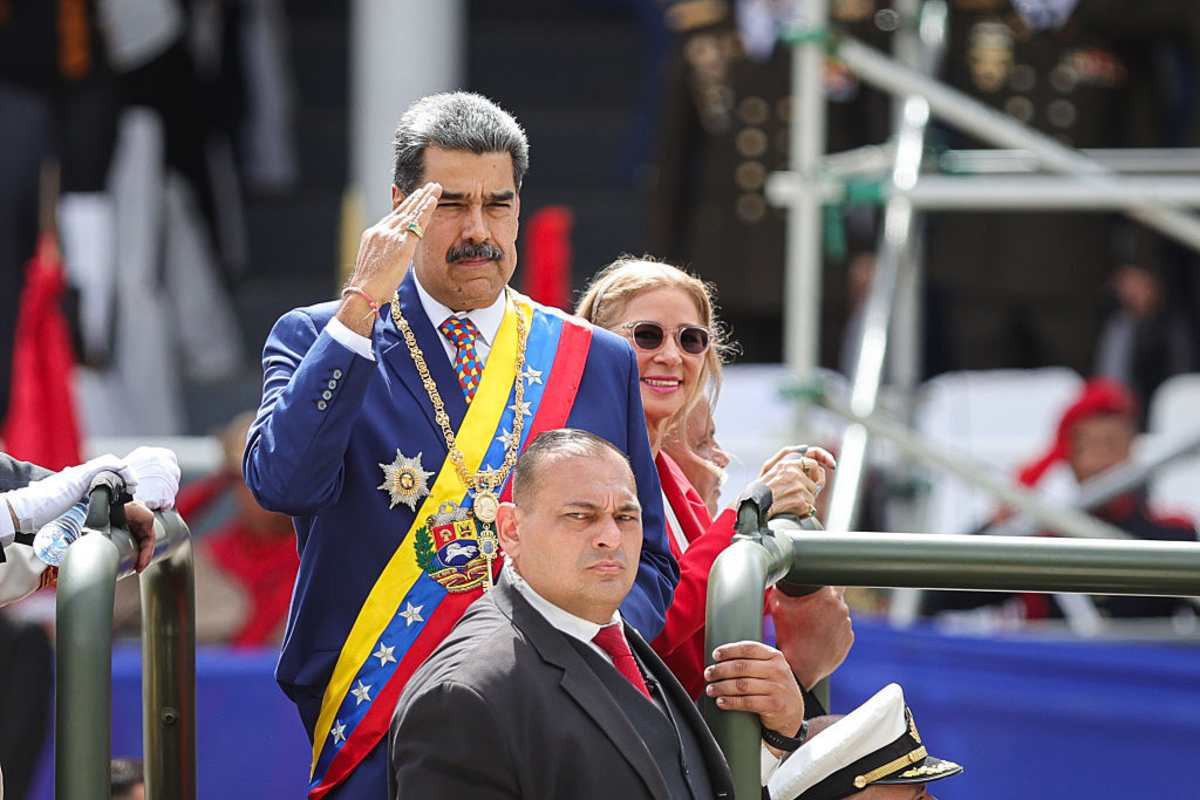
Major television networks, including CNN, Fox News, and MSNBC, identified a man disembarking from the aircraft as Maduro.
The capture marked a dramatic end to Maduro’s more than decade-long rule, which began in 2013 following the death of Hugo Chavez. His detention has triggered uncertainty about Venezuela’s political future and intensified global debate over US intervention.