Forensic expert says digital blackout could unmask Nancy Guthrie suspect: 'Tunnel to look down'

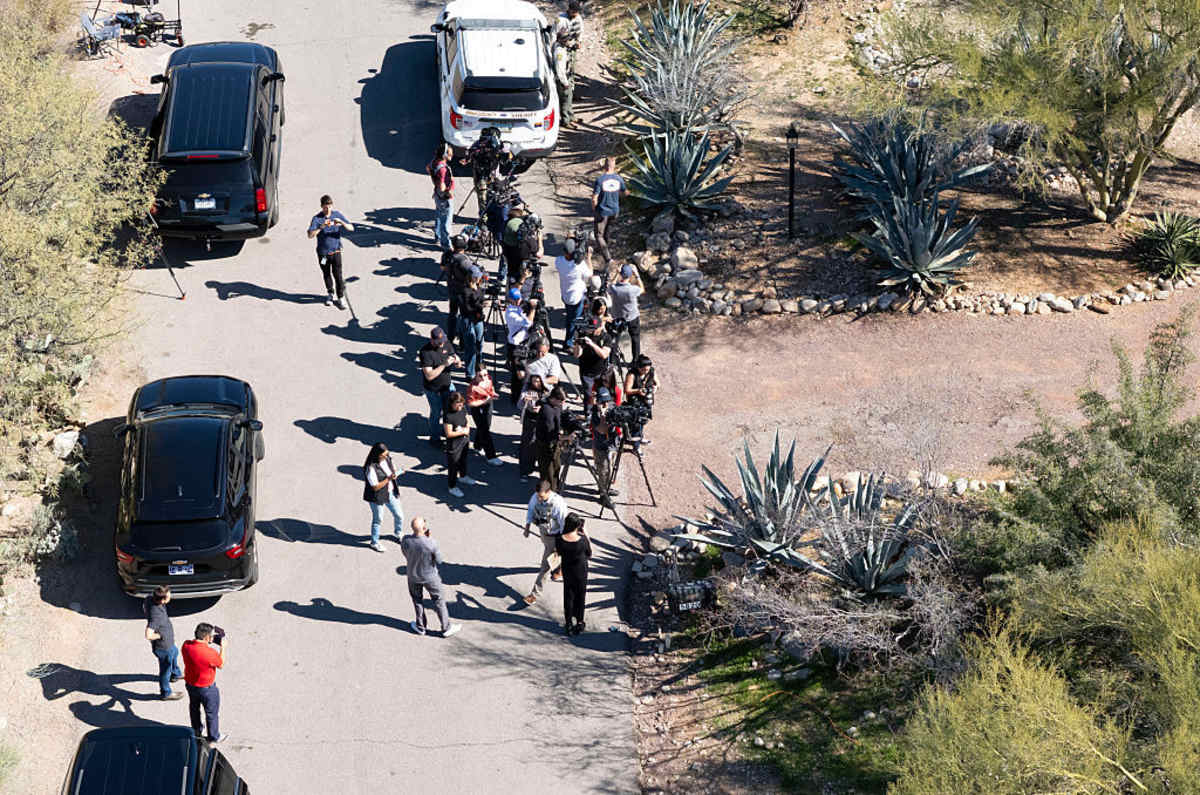
TUCSON, ARIZONA: Investigators probing the suspected abduction of Nancy Guthrie may find critical clues not in physical evidence, but in digital gaps left behind, according to a forensic expert involved in the Idaho student killer case.
Authorities have released limited details beyond confirming that DNA evidence collected so far has not produced clear leads. As the investigation continues, attention may turn to cell phone activity, Wi-Fi data and surveillance footage.
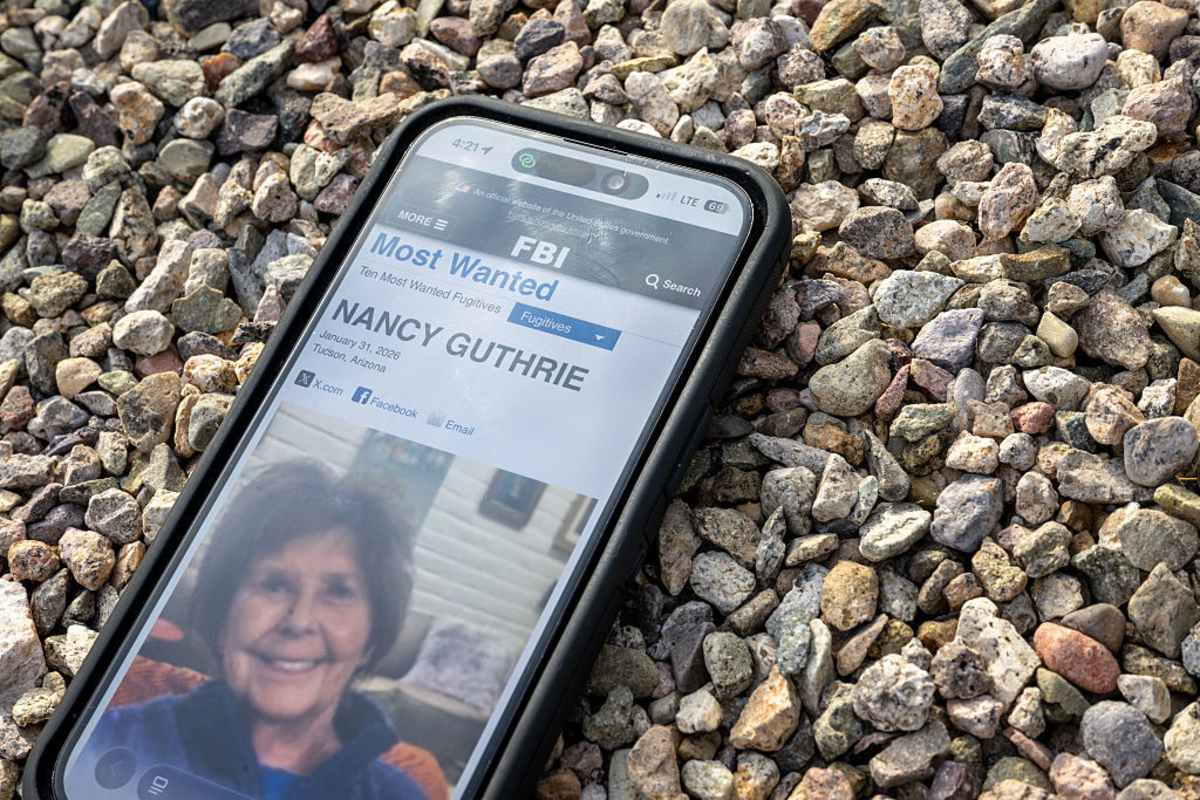
Guthrie, 84, the mother of Savannah Guthrie, is believed to have been taken from her home around 2.30 am on February 1, according to the Pima County Sheriff's Department. Officials have not disclosed whether they have identified a suspect or recovered significant digital evidence.

Expert points to phone shutdown patterns seen in Bryan Kohberger case
Heather Barnhart, a digital forensics expert with Cellebrite and the SANS Institute who analyzed the phone and computer of Bryan Kohberger, said digital behavior patterns, including abrupt device shutdowns, can become central to an investigation.
“The loudest evidence can be the lack of evidence,” she told Fox News Digital in a report published on Thursday, February 26.
Barnhart explained that individuals attempting to avoid detection sometimes power down their phones or switch to aeroplane mode, believing it erases their digital footprint.
However, she said such actions can instead create noticeable gaps that draw investigative focus.
“Kohberger literally created bookends around the crime by turning off his device,” she said.
“So in addition to all the clearing and other things that he prepped for to erase his digital footprint, the fact that right before, his phone was turned off, and then within like 40 minutes or so after it was turned back on, kind of gave us that tunnel to look down here,” she added.
She noted that in that case, phone logs showed the shutdown was user-initiated, and the battery was fully charged, suggesting a deliberate action.
“With Bryan Kohberger, he disabled cellular, disabled Wi-Fi and turned off his phone,” Barnhart said.
“That is an extreme measure to not have a digital footprint. So he really took all the steps but still made a mistake… We hope in Nancy Guthrie, that whoever has her made a mistake and that we can uncover that footprint,” she said.
Cell towers, Wi-Fi ‘touches’ and cameras may provide leads
With DNA leads reportedly reaching dead ends, Barnhart said investigators could examine cell tower pings, Wi-Fi logs and proximity data to identify unusual activity around the time of the alleged abduction.

“If the person prepped, they wouldn't ping that tower, but if they went ahead of time and scoped it out or planned, they would have,” Barnhart said.
“And then you can also look for entry and exit. And then proximity pings, because eventually you're going to turn your phone back on,” she explained.
She added that even devices placed in airplane mode may still register movements in certain circumstances.
Investigators can also determine whether a phone “touched” a home’s Wi-Fi network without formally connecting, potentially placing it at the scene.
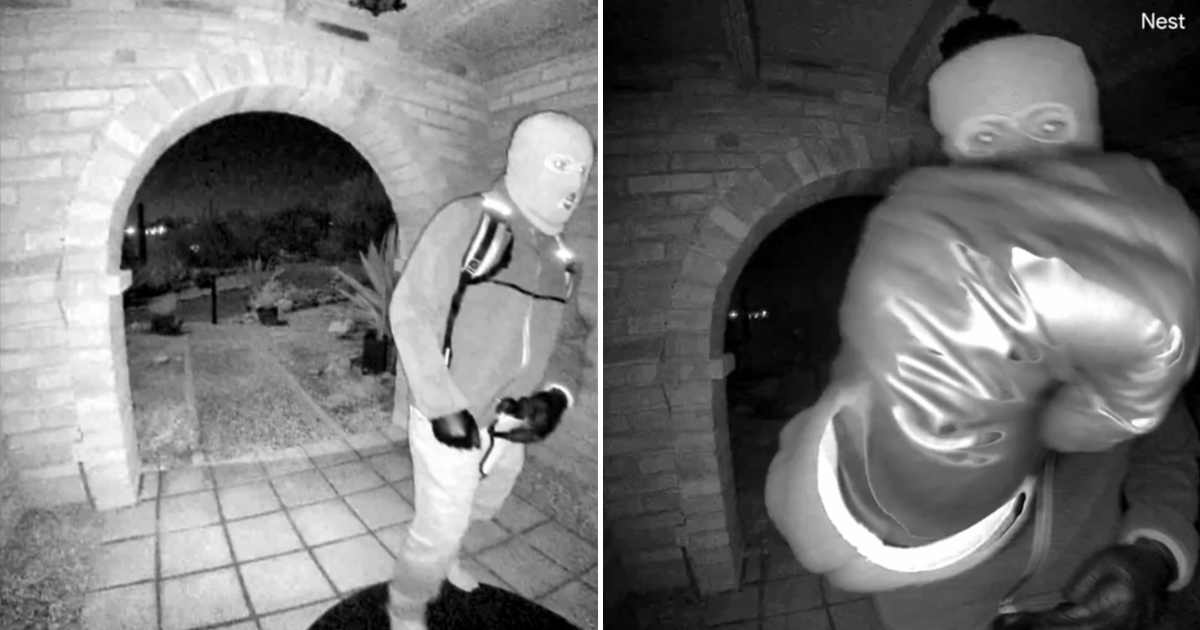
Traffic cameras throughout the county may provide additional information, though authorities have not confirmed whether usable footage has been recovered.
The suspected abductor appeared to take steps to avoid leaving fingerprints or DNA, reportedly wearing a ski mask, gloves and long-sleeved clothing. Whether the individual acted alone remains unclear.