7 days, 3 deadlocks and a mistrial: Lindsay Clancy jury couldn't answer one crucial question
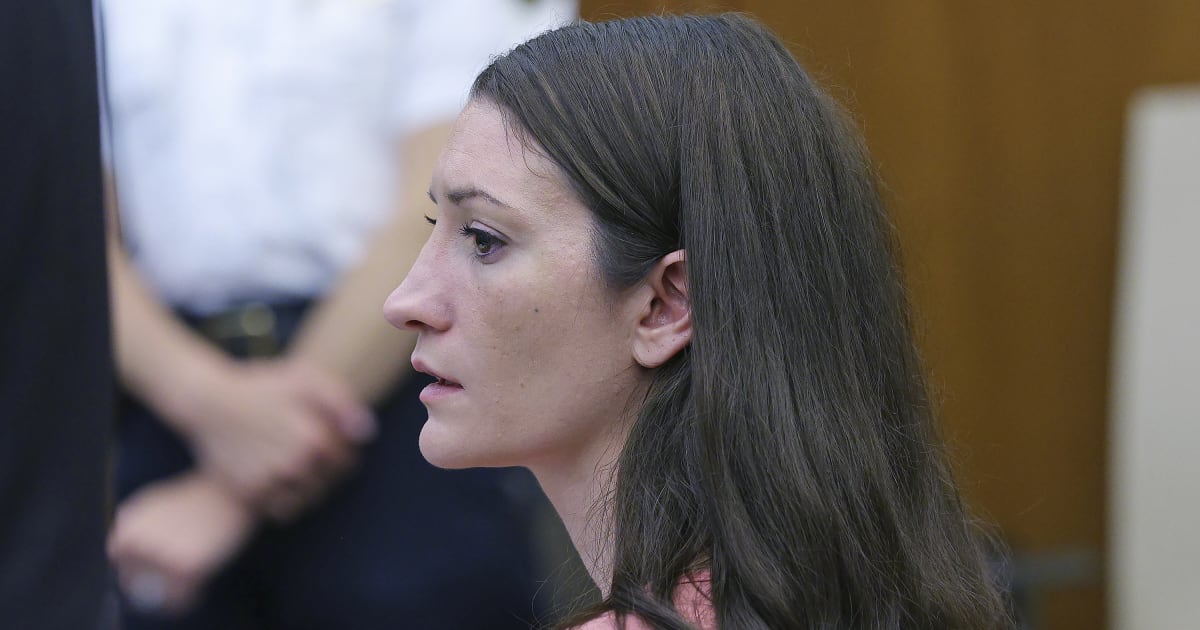
PLYMOUTH, MASSACHUSETTS: A Massachusetts judge declared a mistrial on Friday, September 4, after the jury in Lindsay Clancy's case remained deadlocked for a third time following seven days of deliberations.
Clancy is charged with killing her three children, Cora, 5, Dawson, 3, and Callan, 8 months, at their Massachusetts home in January 2023.
The central question before jurors was whether she was criminally responsible or was suffering from severe mental illness that left her legally not responsible.
The jury could not reach a unanimous verdict
Judge William Sullivan told the court he would declare a mistrial after receiving another note indicating that jurors remained unable to agree.
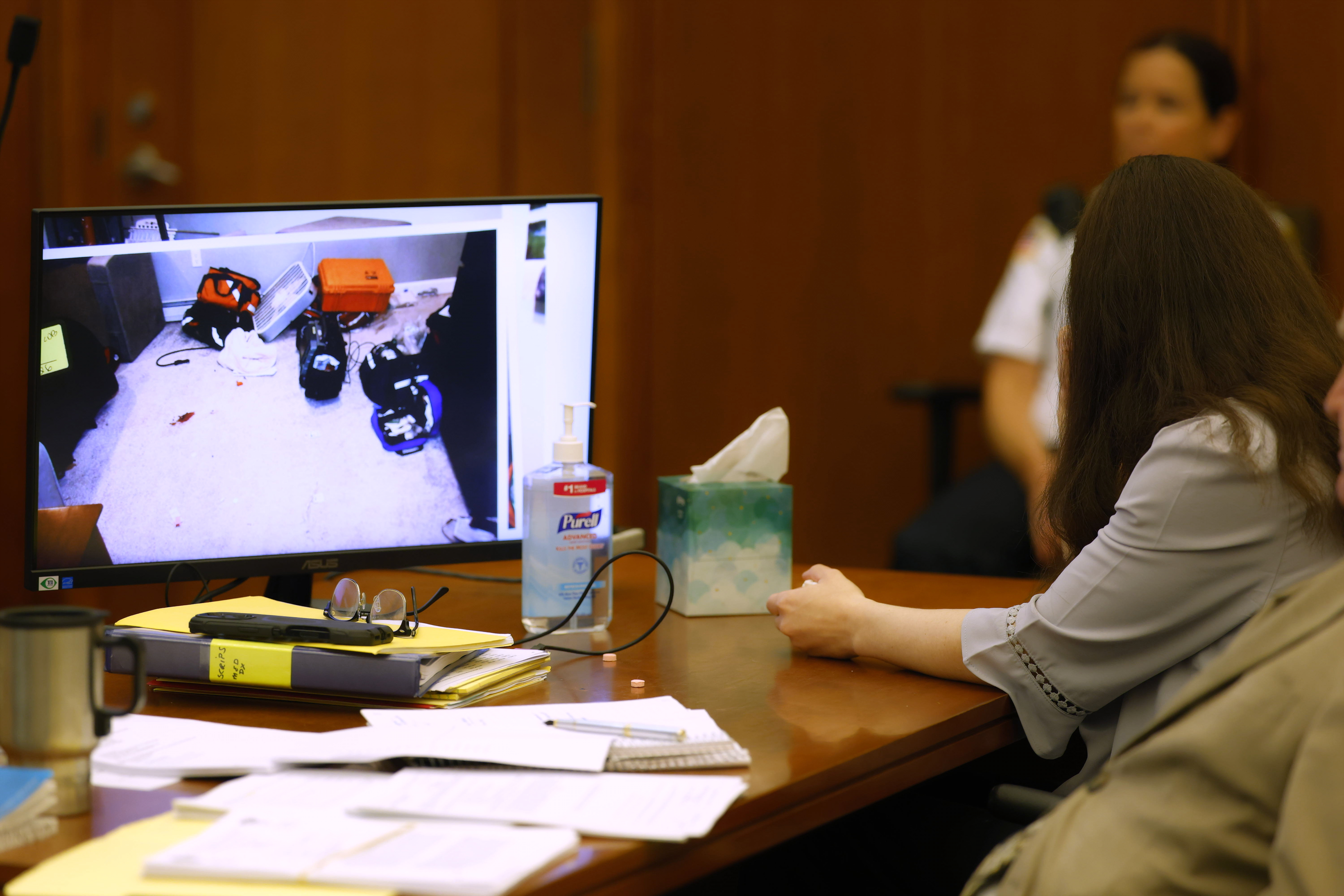
The panel had previously reported deadlocks on Tuesday and Wednesday, with Sullivan instructing them to continue deliberating each time.
The judge had given the defense one hour to seek an emergency stay before dismissing the jury.
Under Massachusetts law, judges have limited authority to send a deadlocked jury back for additional deliberations.
Defense pointed to postpartum psychosis
Clancy’s attorneys did not dispute that she killed her children.

Their case centered on her mental state, arguing that she was experiencing postpartum psychosis and was not criminally responsible for her actions.
Defense experts testified that Clancy had become increasingly unwell during the months before the killings.
Her lawyers also pointed to psychiatric treatment, medication changes, and repeated efforts to obtain help.
A forensic psychiatrist testified that Clancy was psychotic when the children died.
Prosecutors described deliberate killings
Prosecutors presented a different account, arguing that Clancy understood what she was doing and deliberately organized the events before killing her children.
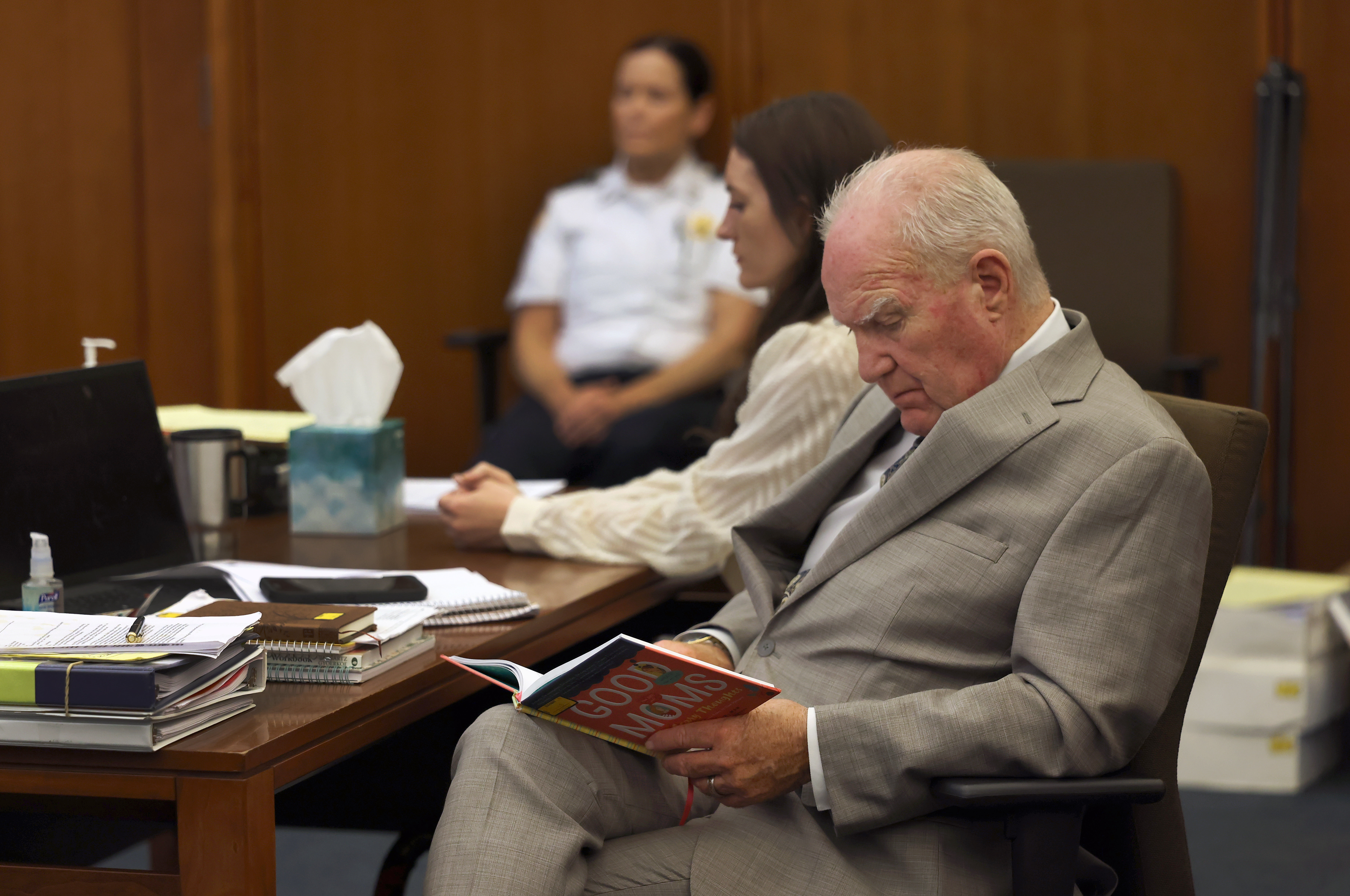
They pointed to evidence that she sent her husband, Patrick Clancy, away from the house before the killings and took steps to give herself time alone.
The prosecution acknowledged Clancy had experienced mental-health problems but argued that she was not experiencing psychosis when the children were killed.
Trial exposed sharply divided testimony
The nearly six-week proceeding featured conflicting accounts from psychiatric experts, family members, and investigators.
More than 80 witnesses testified, and roughly 300 exhibits were presented, according to AP.

Patrick Clancy gave emotional testimony about returning home and discovering what had happened.
He has also publicly said he forgives his wife and believes she was seriously ill rather than acting out of malice.
The case drew national attention, and supporters gathered outside the courthouse during the proceedings.
What comes next after the mistrial
The mistrial does not resolve whether Clancy is legally responsible for the deaths.
Prosecutors must now decide whether to retry the case with another jury, pursue another resolution or take a different course.

Clancy remains accused of the killings, while her defense continues to argue that severe mental illness deprived her of criminal responsibility.
The case has also kept attention on postpartum psychosis, a rare psychiatric condition that can cause a new mother to lose touch with reality.