After 100 days of war, Iran, Israel and Trump face a new reality
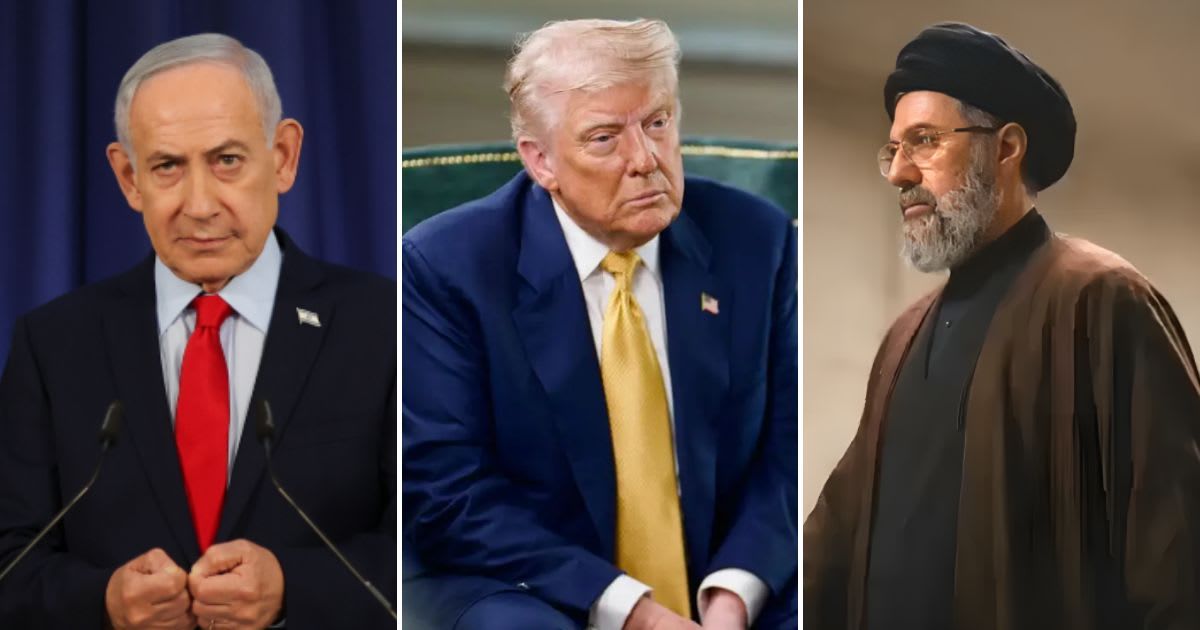
WASHINGTON, DC: One hundred days after the United States and Israel launched coordinated strikes against Iran on February 28, the conflict has escalated from a limited military operation into a regional confrontation that is reshaping the Middle East, global markets and international diplomacy.
What many officials initially expected to be a short campaign has instead triggered retaliatory missile attacks, the death of Iranian Supreme Leader Ayatollah Ali Khamenei, fighting across multiple fronts and a prolonged economic shock that continues to ripple through financial markets worldwide.
Although a fragile ceasefire allows for ongoing diplomacy, negotiations between Washington and Tehran remain stalled, leaving major questions unresolved as the conflict reaches its 100-day milestone.
Opening strikes spark wider conflict
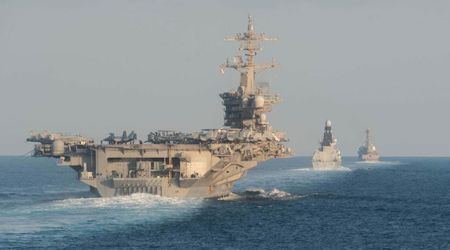
The war began on February 28 after US and Israeli forces launched strikes targeting Iranian military and strategic infrastructure.
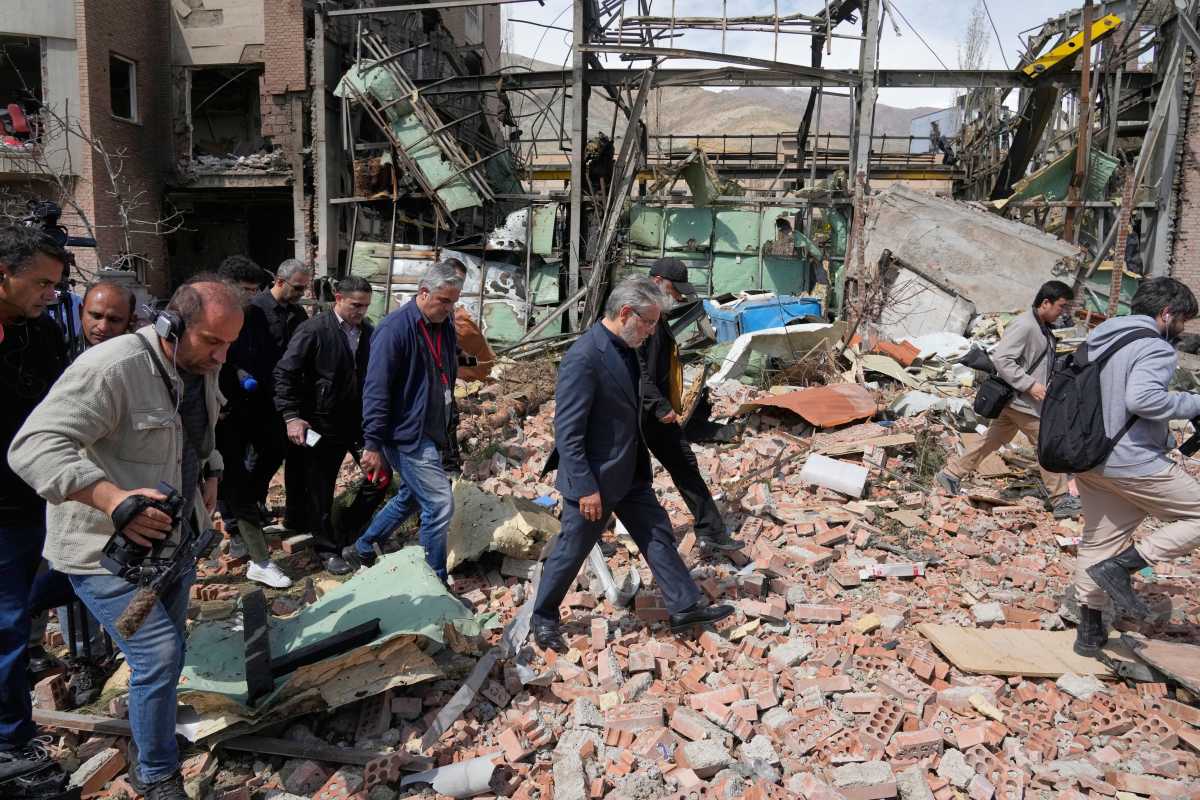
Signs of an impending operation emerged hours earlier as unusual activity spread across multiple levels of the US government.
Within hours of the strikes, Iran responded with retaliatory missile launches toward Israel, triggering air raid sirens and sending millions of civilians toward shelters.
The confrontation escalated further on March 1 when reports emerged that US personnel had been struck during Iranian retaliation, marking the first American casualties of the conflict.
By March 8, explosions were reported across Tehran as military operations intensified, signaling that the conflict was expanding beyond its original objectives.
Khamenei's death alters regional order
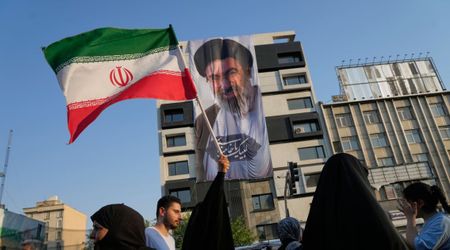
Among the most consequential developments of the war was the death of Supreme Leader Ayatollah Ali Khamenei during the opening phase of the conflict.
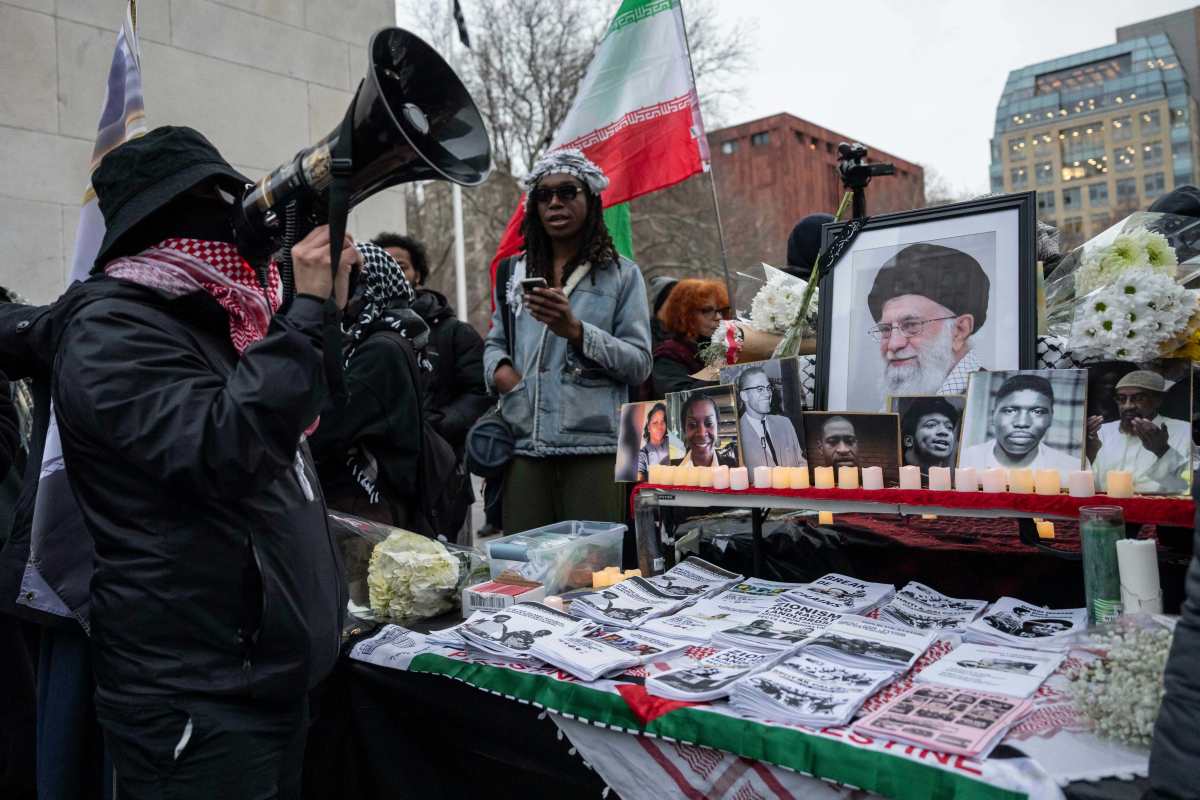
His death immediately altered Iran's political landscape and created uncertainty regarding future leadership and strategic direction.
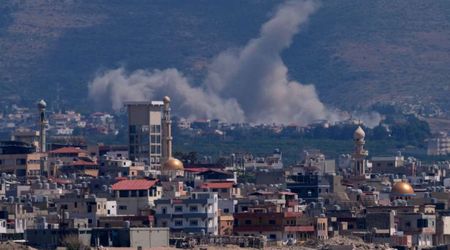
The impact quickly spread across the region. On March 23, Hezbollah publicly launched attacks into Israel, stating the operation was carried out in response to Khamenei's death.
The move expanded active hostilities into Lebanon and transformed the conflict into a broader regional crisis.
Military planners across the Middle East were forced to reassess existing security assumptions as one of the region's most influential figures disappeared from the geopolitical landscape.
Trump moves from war to diplomacy
The conflict placed President Donald J Trump at the center of both military operations and subsequent diplomatic efforts.
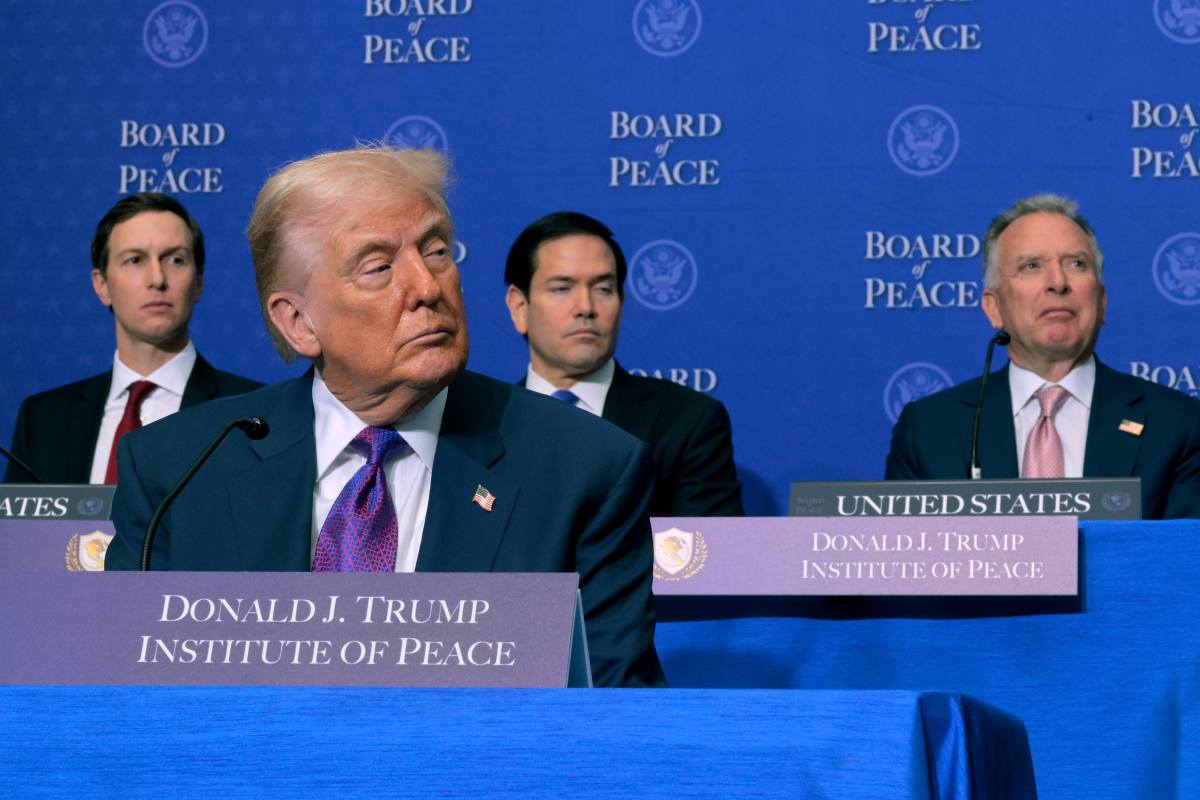
Over the last 100 days, the administration has overseen combat operations, managed ceasefire negotiations and attempted to revive direct and indirect talks with Tehran.
Despite repeated efforts, negotiations have frequently stalled. Washington and Tehran have exchanged mixed signals about the prospects for a permanent settlement, while occasional military incidents have threatened diplomatic progress.
Even so, the ceasefire has largely held, allowing both sides to continue pursuing negotiations while maintaining military readiness.
Wall Street powers through uncertainty
One of the most surprising outcomes of the conflict has been the resilience of financial markets.
Global stocks initially sold off following the opening strikes. However, Wall Street eventually erased those losses as investors shifted their attention toward corporate earnings and artificial intelligence investments.

The S&P 500 has climbed to fresh all-time highs despite continued instability in the Middle East.
Analysts attribute much of the market's resilience to growing optimism surrounding AI infrastructure spending and semiconductor demand, which have particularly benefited companies in the United States and Asia.
South Korea and Taiwan have also benefited from increased technology investment as global demand for computing capacity continues to accelerate.
Energy markets remain under pressure
While equity markets recovered, energy markets have remained deeply affected by the conflict.
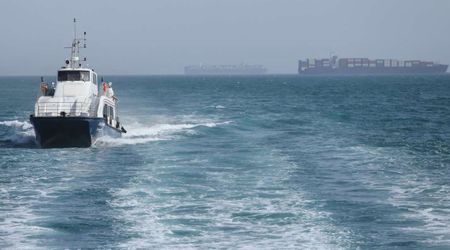
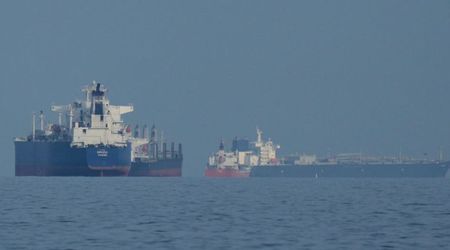
The Strait of Hormuz, one of the world's most important oil shipping routes, has faced severe disruptions throughout much of the war.
The blockade, combined with damage to regional energy infrastructure, created major supply constraints.
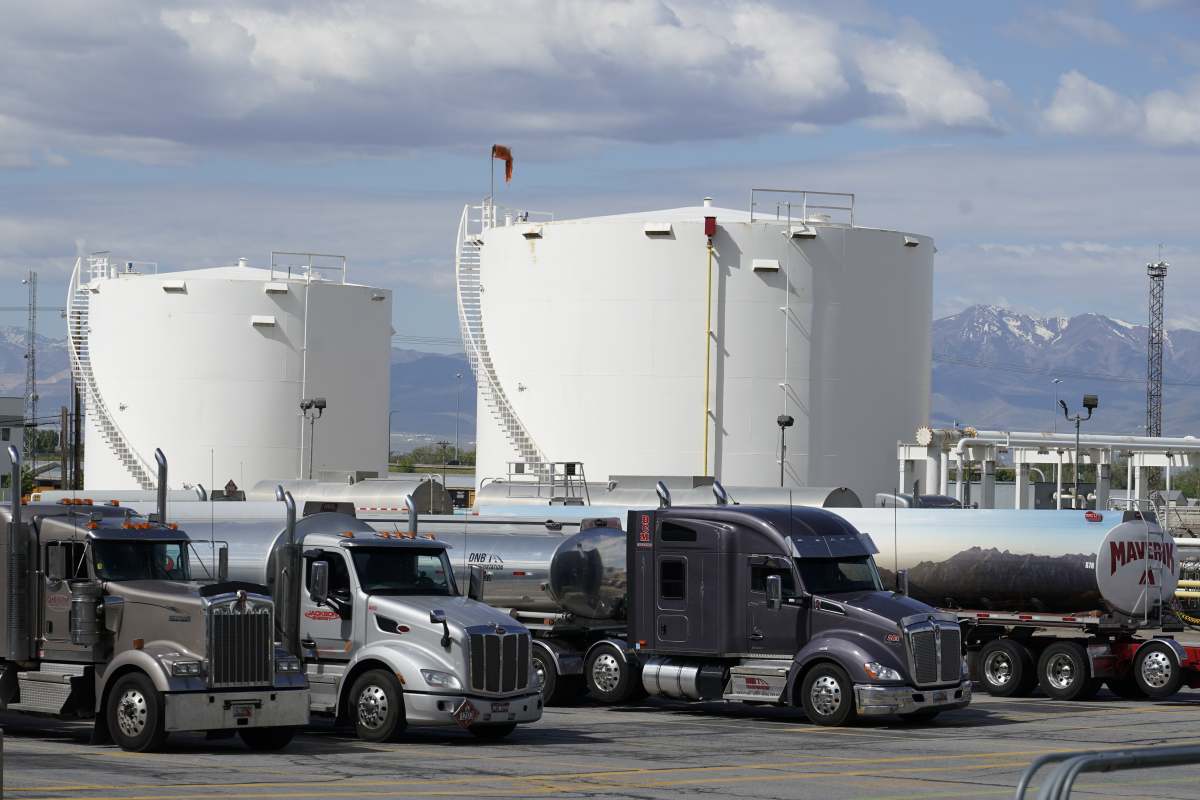
Although prices have retreated from wartime highs, they remain significantly elevated.
Brent crude continues trading approximately 36% above pre-war levels, while US West Texas Intermediate crude remains nearly 50% higher than before the conflict began.
The disruption has forced major importers to seek alternative suppliers while increasing US crude exports.
Analysts continue to warn that further inventory declines could push oil prices back above $100 per barrel.
Inflation fears cloud recovery outlook
The economic consequences of the war are increasingly visible beyond commodity markets.
Higher energy costs have contributed to rising inflation across multiple economies.
Prices for gasoline, natural gas, jet fuel and industrial inputs have increased as supply disruptions persist.
In the United States, the Consumer Price Index reached 3.8% in April, its highest annual reading in nearly three years.
Government bond markets have also reflected growing concern.
Yields on sovereign debt remain elevated, with the yield on the 30-year US Treasury recently reaching its highest level since before the 2008 Financial Crisis.
One hundred days after the first strikes, the conflict has failed to produce clear winners and losers, but few definitive conclusions.
The military campaign changed regional power dynamics, disrupted global trade routes and forced governments to rethink long-standing assumptions about security and stability.
As ceasefire negotiations continue and tensions remain unresolved, the next phase of the conflict may prove just as consequential as the first 100 days.