Iran offers a 30-day Hormuz reopening plan as US-Iran standoff continues
Iranian negotiator says Tehran could delay reopening of the vital shipping lane until US threats are removed
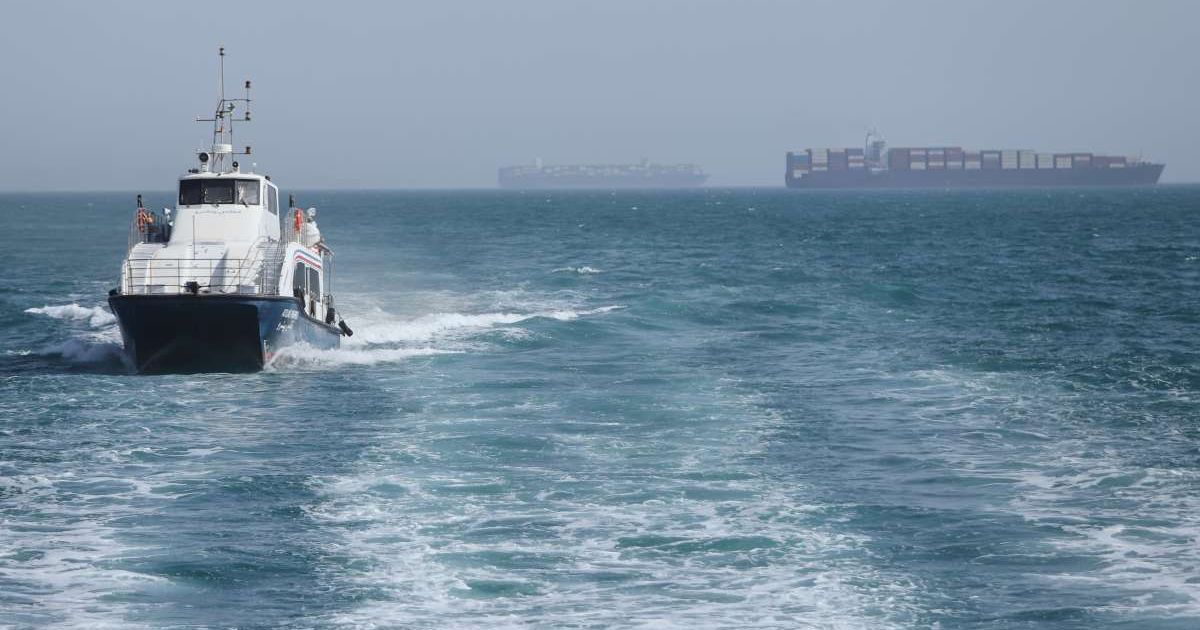
A patrol boat navigates the waters of the Strait of Hormuz near Bandar Abbas, Iran, as anchored cargo ships wait offshore on Saturday, May 2, 2026 (Amirhosein Khorgooi/ISNA via AP)

TEHRAN, IRAN: Iran could impose a 30-day waiting period before reopening the strategically crucial Strait of Hormuz under its administration, according to a member of the country's negotiating team, adding a new layer of uncertainty.

Majid Shakeri, who participated in recent talks in Islamabad, said Tehran is considering a proposal that would link the reopening of the strait to the removal of perceived threats from the United States and its allies.

“Under this proposal, Tehran should announce that the reopening of the Strait of Hormuz under Iranian administration will only be possible 30 days after all threats from the United States and its allies have been removed,” Shakeri told Iran's semi-official Fars news agency.

The comments come months after the waterway was effectively shut following the outbreak of US-Israeli military strikes against Iran on February 28.

The United States subsequently imposed a naval blockade in April, further escalating tensions around the narrow maritime passage.
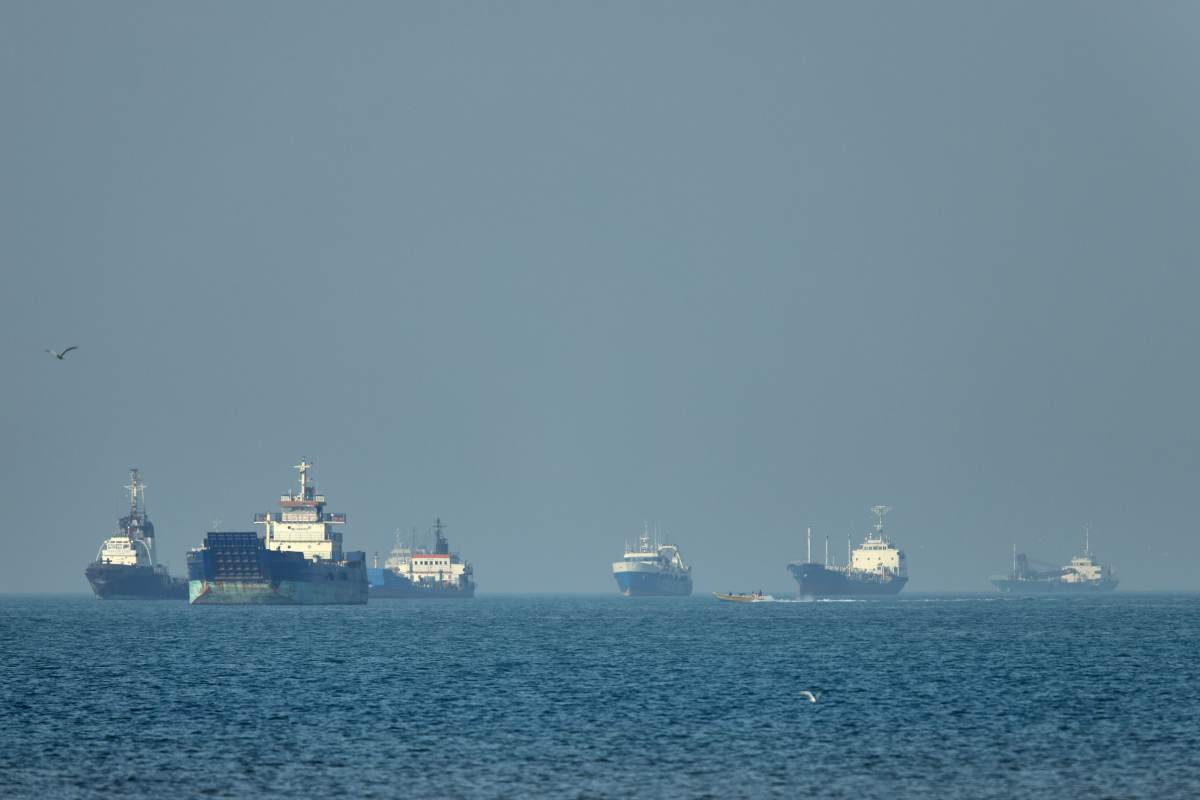
Cargo ships, including bulk carriers and general cargo vessels, sit at anchor offshore as a small motorboat passes in the foreground, in the Strait of Hormuz off Bandar Abbas, Iran, Monday, May 4 , 2026.(Amirhosein Khorgooi/ISNA via AP)
Cargo ships, such as bulk carriers and general cargo vessels, are anchored offshore in the Strait of Hormuz near Bandar Abbas, Iran, on Monday, May 4, 2026, while a small motorboat passes by in the foreground (Amirhosein Khorgooi/ISNA via AP)

Proposal to charge shipping fees under review

Iranian officials are also examining plans to introduce maritime and environmental service fees for ships using the strait, a move that could significantly alter commercial shipping operations in the region.

Shina Ansari, head of Iran’s Department of Environment, said the proposal extends beyond simple toll collection and would be tied to services provided by Iranian authorities.

“The discussion is not merely about collecting fees, rather, it concerns the provision of services,” Ansari said, according to Iran's semi-official Tasnim news agency.

The services under consideration include navigational guidance, search-and-rescue assistance, vessel security and marine environmental protection.

Iranian officials argue that the fees would also help offset environmental damage caused by heavy shipping traffic and address risks to marine ecosystems.
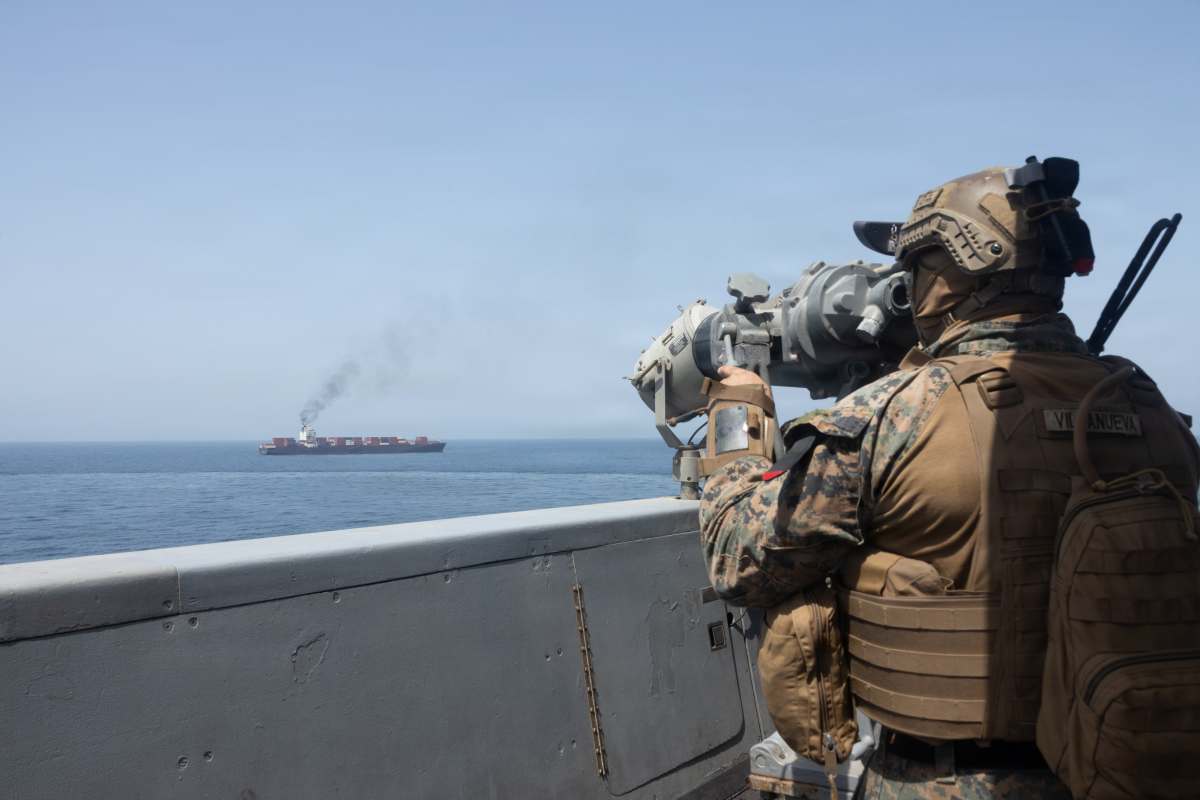
ARABIAN SEA - APRIL 20: (EDITOR'S NOTE: This Handout image was provided by a third-party organization and may not adhere to Getty Images' editorial policy.) In this handout photo provided by U.S. Central Command, U.S. forces patrol the Arabian Sea near M/V Touska on April 20, 2026, after firing upon the Iranian-flagged vessel that the U.S. accused of attempting to violate the U.S. naval blockade of Iranian ports near the Strait of Hormuz. (Handout Photo by the U.S. Navy via Getty Images)
 US forces patrol the Arabian Sea near the M/V Touska on April 20, 2026, after firing upon the Iranian-flagged vessel for allegedly attempting to breach the US naval blockade near the Strait of Hormuz (Handout Photo by the U.S. Navy via Getty Images)

Trade flows remain disrupted in Strait of Hormuz 

Commercial traffic through the Strait of Hormuz remains well below normal levels as peace negotiations between Washington and Tehran remain deadlocked.

The waterway, which serves as a critical artery for global oil and gas exports, continues to face operational uncertainty amid the diplomatic impasse.

Iranian officials have repeatedly emphasized Tehran's sovereignty and management role over the strait, which it shares geographically with Oman.

According to a senior member of Iran's parliament, vessels receiving Iranian authorization to transit the strait are currently being charged between $1.5 million and $2 million on average.
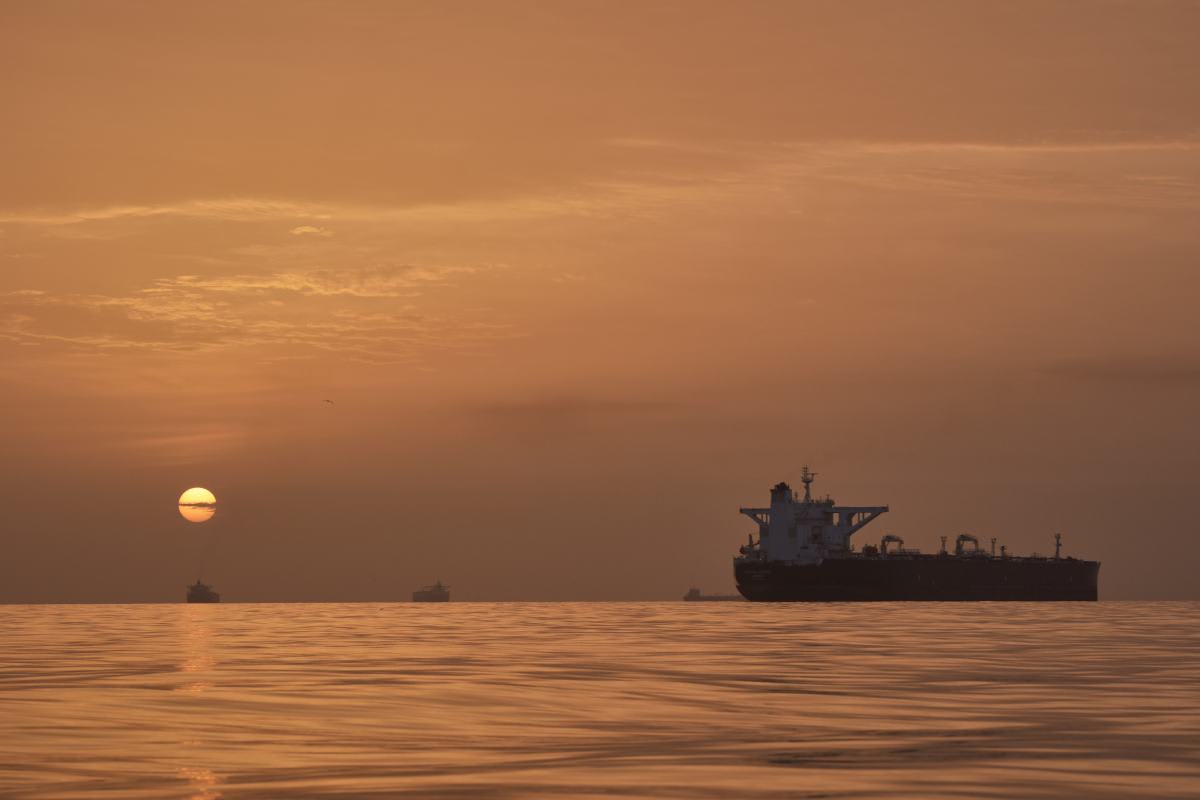
The sun rises behind tankers anchored in the Strait of Hormuz off the coast of Qeshm Island, Iran, Saturday, April 18, 2026. (AP Photo/Asghar Besharati)
The sun rises behind tankers anchored in the Strait of Hormuz off the coast of Qeshm Island, Iran, Saturday, April 18, 2026 (AP Photo/Asghar Besharati)

US demands unrestricted access

The United States has rejected the idea of restrictions or charges on commercial shipping, maintaining that the Strait of Hormuz must remain fully open to international maritime traffic.

Washington has repeatedly called for unrestricted passage through the waterway after the conflict, insisting that commercial vessels should face no tolls, fees or political conditions.

With negotiations showing little sign of progress, the future of the strait, a chokepoint for a significant share of the world's energy supplies, remains at the center of the broader US-Iran confrontation.

RELATED TOPICS US STRIKES IRAN

GET BREAKING U.S. NEWS & POLITICAL UPDATES
STRAIGHT TO YOUR INBOX.

MORE STORIES

Iran cited intelligence warning of another US attack but provided no details about the threat
1 day ago
Trump threatened 'very serious tariffs' when asked about a proposal for Canada to become an 'associate member' of the EU
2 days ago
'If you are under attack, you have all the cards at your disposal to defend yourself. Therefore, we have more than one card', Behrouz Kamalvandi said
3 days ago
Donald Trump said the US had noticed 'a little activity' at the site, warning that Washington would have to respond forcefully
3 days ago
The damaged US diplomatic posts are located in Iraq, Kuwait, Saudi Arabia, and the United Arab Emirates
6 days ago
Iran demanded that the US stop threatening it and end what a top security official called insults to its religious and national sanctities
Sep 12, 2026
Iranian Foreign Minister claimed that Iranian forces attacked the US Fifth Fleet HQ in Bahrain, as well as 'other bases supporting US aggression'
Sep 12, 2026
Neither Volodymyr Zelenskyy nor Ukrainian authorities immediately issued their own detailed public account of the reported incident
Sep 9, 2026
The CENTCOM statement directly challenged Tehran's portrayal of the operation as a successful strike against American naval forces
Sep 9, 2026
Iranian Parliament Speaker Mohammad Baqer Qalibaf said the 'rules of the game have changed' and warned Washington against further attacks
Sep 8, 2026