China urges Trump administration to back off new tech curbs and warns of fresh trade fallout
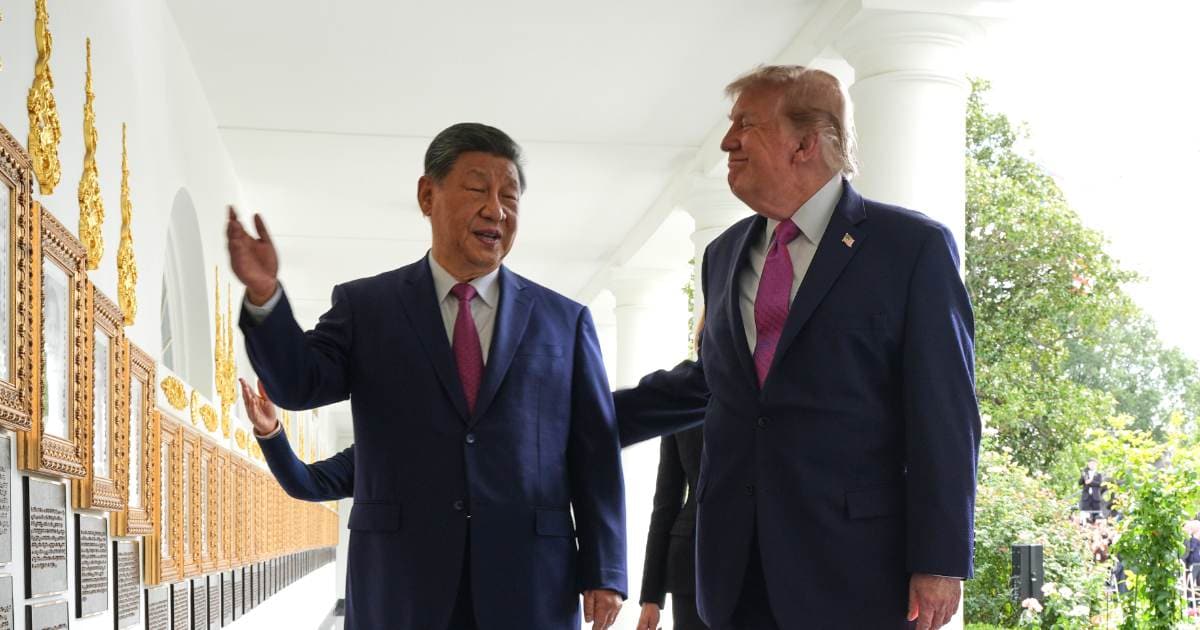
BEIJING, CHINA: Days after the Treasury Department proposed to expand the tech restrictions, China has called on the US administration to reconsider its proposed rule seeking to further restrict American investments into its tech industry.
On Saturday, October 24, Chinese officials urged the US to walk back the proposed restrictions, arguing the move would disrupt trade relations between the two countries.
China calls curbs 'overstretching' of national security
The Treasury Department, on Thursday, proposed expanding existing restrictions on US investments in technologies such as AI, quantum computing, hypersonic systems and supercomputing. The rule aims to prevent countries such as China, Russia and North Korea from using US money to advance their technology.
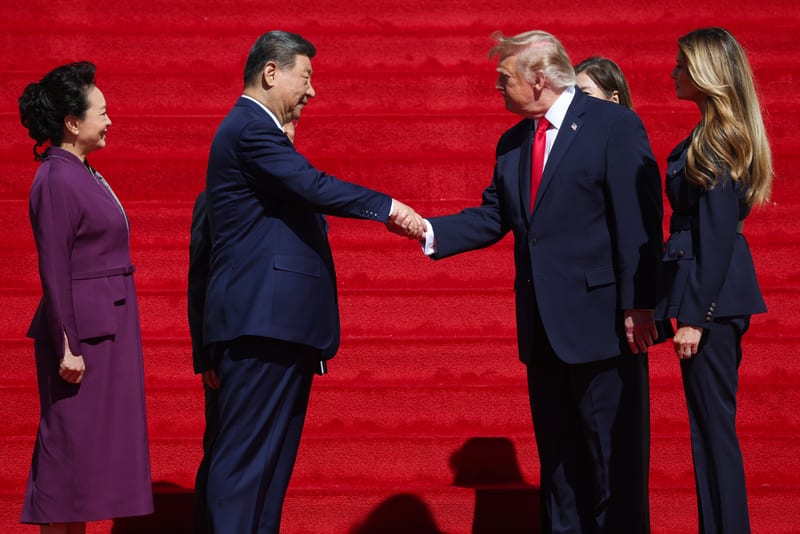
However, China's commerce ministry opposed the proposal, saying it unfairly expands restrictions on investments linked to China.
The ministry’s spokesperson released a statement that was reported by the Global Times, a Chinese state-run media outlet.
“This is a typical case of overstretching the concept of national security. China will closely monitor subsequent developments and reserves the right to take corresponding measures,” the spokesperson said.
The ministry also said the proposal would damage economic ties between the two countries, and it reserved the right to take unspecified countermeasures.
Reuters: The U.S. Treasury has proposed to add biotechnology as a new “prohibited technology” under the U.S. Outbound Investment Security Program. This could restrict American investments in Chinese biotechnology companies. How does the ministry view this measure? Mao Ning: It serves no one’s interest to take discriminatory measures targeting specific countries or putting restrictions on economic, trade and investment activities based on overstretching the concept of national security. The U.S. should abide by the principles of market economy, stop disrupting normal business cooperation, and help keep global industrial and supply chains stable through concrete actions. China will closely follow relevant developments and take necessary measures to safeguard its legitimate and lawful rights and interests.
— Chinese Embassy in UK (@ChineseEmbinUK) October 23, 2026
Chinese Foreign Ministry spokesperson Mao Ning, on Friday, urged the US to respect market-economy principles and stop disrupting global supply chains.
Mao made the remarks at a regular news briefing when asked to comment on media reports on the US Treasury Department’s latest move.
US expands list of industries it wants to target under OISP
As per the proposed rules, the biotechnology industry has been added to the list of industries such as quantum information technologies, high-performance computing, supercomputing and AI to be targeted under the Treasury’s Outbound Investment Security Program (OISP), according to a Thursday press release from the department.
Notably, restrictions are to be expanded in several sectors, as the current framework already blocks or limits US investments in Chinese sectors like semiconductors, quantum technologies, and artificial intelligence (AI).
“The proposed regulations would strengthen the existing Outbound Investment Security Program to prevent our adversaries from using US investment to develop critical technologies that threaten US national security,” Scott Bessent said.
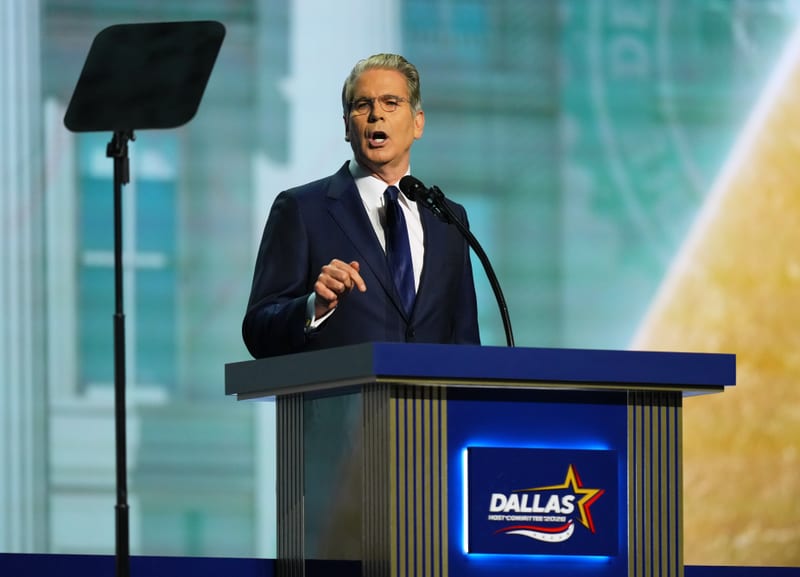
The proposal will now go through a public comment period before the Treasury Department issues a final rule.
Earlier this week, the State Department announced sanctions against five Chinese companies linked to former Google engineer Linwei Ding, who was convicted earlier this year of stealing AI-related trade secrets. China opposed the sanctions, saying the punishment “severely harms the legitimate rights and interests” of Chinese businesses.