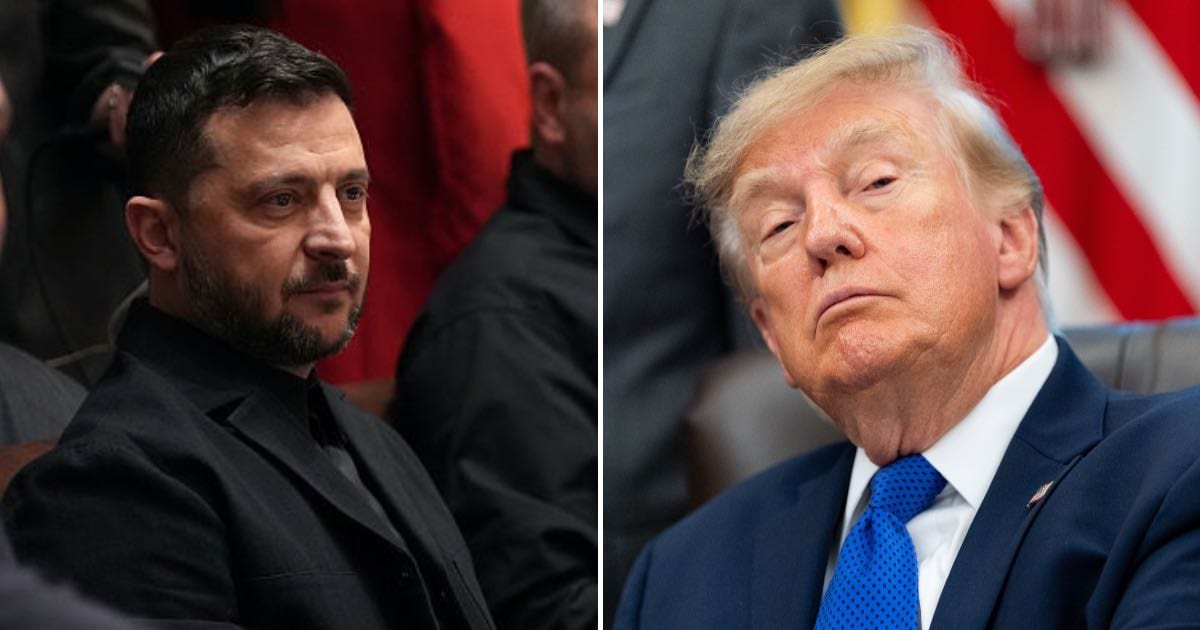
Iran's supreme leader orders 'geographically unrestricted' response to any enemy threat
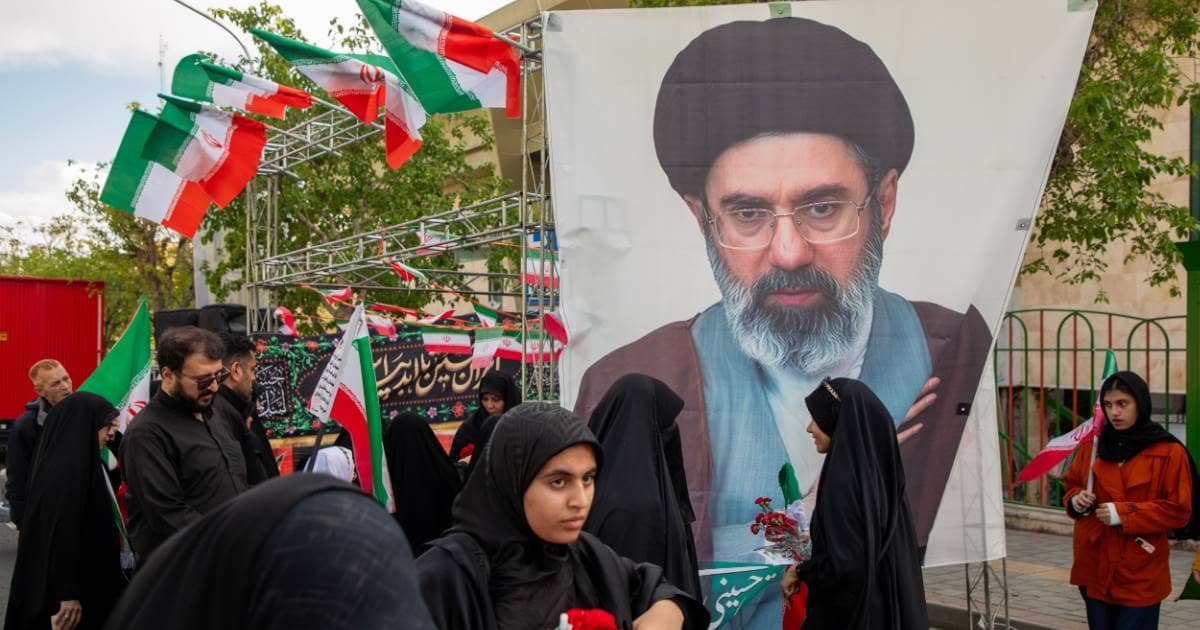
TEHRAN, IRAN: Iran’s supreme leader has ordered the country’s armed forces to respond to any new attack immediately and without regard to geography, raising the stakes days before the US midterm elections.
In a written message published on Saturday, October 31, Mojtaba Khamenei told commanders to widen their target list and build up weapons production.
The development comes as President Donald Trump refused to rule out fresh strikes against Iran after midterms.
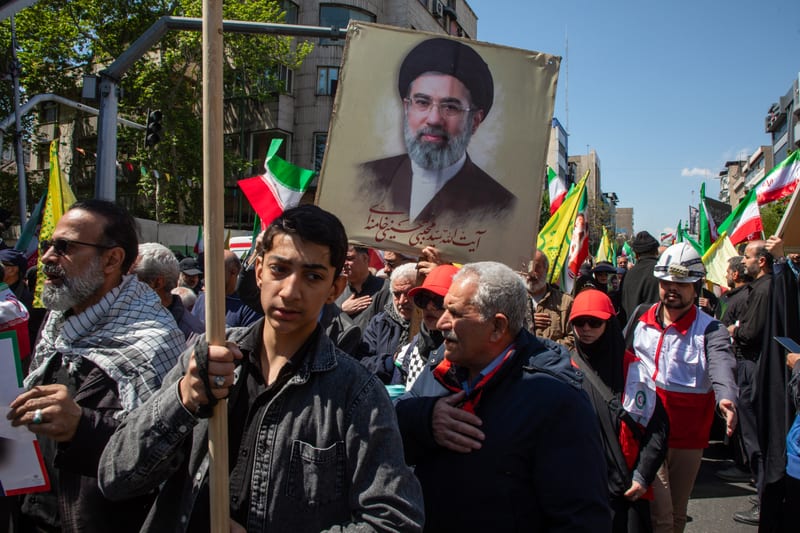
Mojtaba Khamenei orders 'unrestricted' response
The latest warning was delivered through Khamenei’s official Telegram channel, rather than at a public address.
At its center was a demand that Iran’s military be ready to strike back without limiting its response to a particular geographical area.
Khamenei described the retaliation as “geographically unrestricted” and directed commanders to expand the range of potential targets to cover “all US and Israeli assets, tangible and intangible”.
He also signaled that Tehran would not leave the terms of a future ceasefire to its adversaries.
If military or “t****r attacks” resumed, he said, Iran would decide when the fighting ended and under what conditions.
The message was accompanied by a push to build up Iran’s military capacity.
Khamenei called for higher production of ammunition and weapons across reconnaissance, support and combat operations, alongside stronger intelligence capabilities and investment in domestically developed defense technology.
The warning comes against a backdrop of threats from Iranian officials over Gulf infrastructure.
They have cautioned that airports and pipelines in the region could face attacks if Washington and Tel Aviv resume strikes.
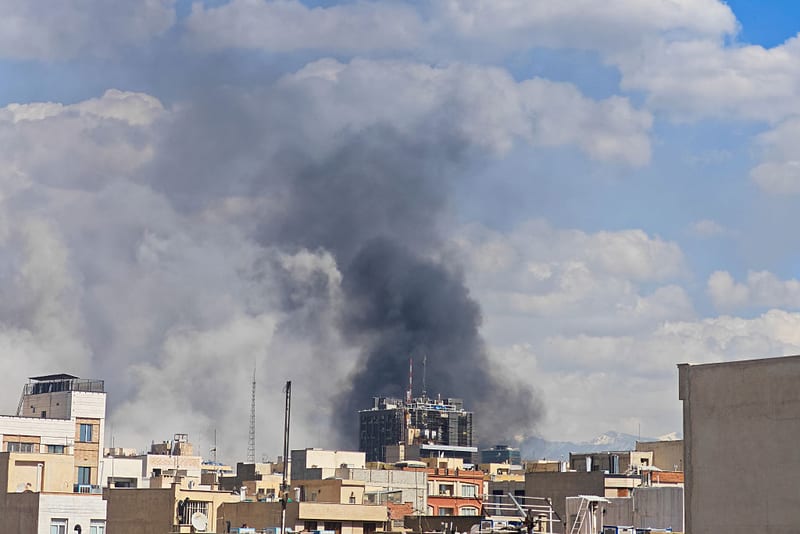
Trump keeps strike option open
The statement from Khamenei comes as President Trump’s own position draws scrutiny.
The war began February 28 with joint US-Israeli strikes that killed Khamenei’s father, Ayatollah Ali Khamenei, and Mojtaba Khamenei later took his place.
The United States has not struck Iran since September, and in early October, Trump already ruled out a new attack before the midterms.
What happens after Tuesday’s vote is less clear.
Asked this week whether he was considering more strikes after the November 3 elections, Trump declined to rule it out, saying “anything’s possible.”
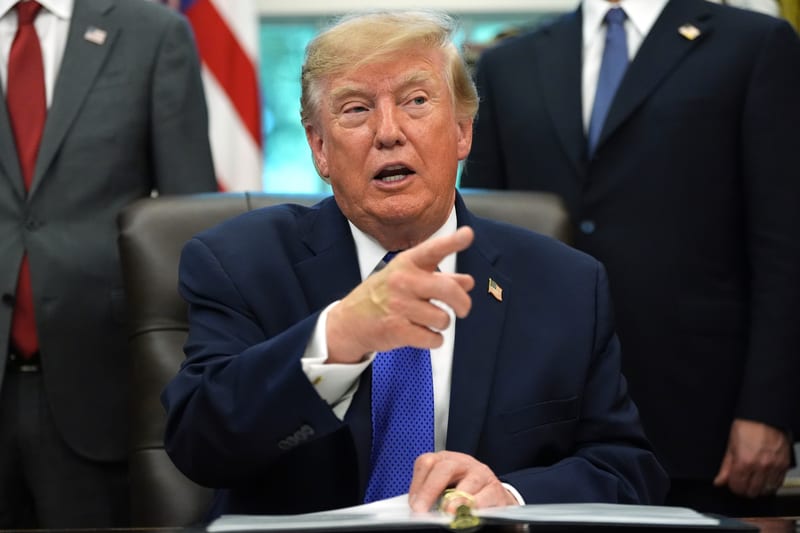
On Friday, he said the war “is going to be over very soon.”
A report from MS NOW, citing three senior Gulf Arab officials, said the administration has told Gulf allies to prepare for “a short, intense round of strikes” as soon as November 4.
Those officials said some Gulf states, hoping to calm tensions, may resist the use of their air bases.
A White House official reportedly did not confirm any plans, saying the administration does not comment on sensitive military matters. The official also said that election results would not factor into Trump’s decisions and that all options remain open to stop Iran from obtaining a nuclear weapon.