Iran sets a clock on diplomacy as Trump rejects Tehran’s latest proposal

TEHRAN, IRAN: Tehran is pushing to fast-track a diplomatic deal with Washington, with Iranian Foreign Minister Abbas Araghchi saying the country wants its proposed roadmap put into action within seven days or less.
In a statement on Wednesday, October 28, Araghchi said Iran was continuing discussions through intermediaries despite the US turning down its latest proposals.
He also stressed that the country’s armed forces remained ready to defend Iran.
The push for a quick resolution comes as Trump has left open the possibility of renewed military action against Tehran.
While our Brave Armed Forces are fully prepared to defend the Homeland, Iran continues to give diplomacy a chance to succeed. We remain in close and ongoing contact with intermediaries to review ideas that can ensure implementation of our 7-Day Plan in even less than a week.
— Seyed Abbas Araghchi (@araghchi) October 28, 2026
Tehran keeps diplomatic channel open
Iran’s seven-day roadmap is still being discussed through intermediaries, with Araghchi saying Tehran wants to move quickly despite the prospect of further military action.
In his post on X, the foreign minister paired a warning about Iran’s military readiness with a renewed appeal for diplomacy.
“While our Brave Armed Forces are fully prepared to defend the Homeland, Iran continues to give diplomacy a chance to succeed,” he wrote.
Araghchi said the discussions now include ways to put the proposed plan into effect in less than seven days.
He added, “We remain in close and ongoing contact with intermediaries to review ideas that can ensure implementation of our 7-Day Plan in even less than a week.”
The roadmap was presented to Washington via Qatari intermediaries in September, after the United Nations General Assembly.
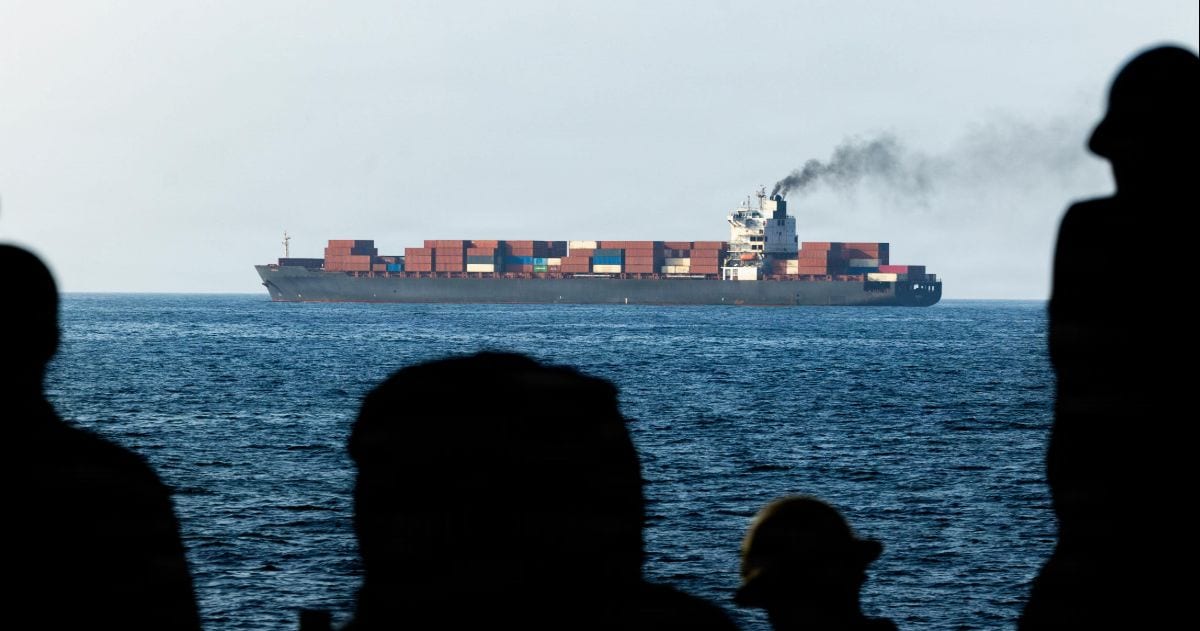
It proposes a series of steps to end hostilities, restore commercial shipping through the Strait of Hormuz and restart negotiations between US and Iranian officials.
Washington has not accepted the proposal. Trump rejected the initial arrangement, leaving the roadmap without an agreed path to implementation even as Tehran continues to explore whether its timeline can be accelerated.
What the seven-day plan entails?
The proposed roadmap places the burden of the initial steps on Washington, with Iran offering to restore shipping through the Strait of Hormuz only after the necessary conditions are met.
For the first five days, the plan calls for the US to halt hostilities and lift its naval blockade of Iranian ports.
It also seeks relief from restrictions on Iranian oil exports and the release of Iran's frozen assets.
These measures would be tied to an agreement between the two governments rather than taking effect automatically.
Tehran would then move on the sixth day, reopening the Strait of Hormuz to normal commercial shipping.
The seventh day is reserved for restarting negotiations with Washington on a broader settlement.
Trump leaves door open to strike
Trump has kept Tehran guessing about Washington’s next move, leaving open the possibility of a fresh military offensive after the November midterms.
The issue surfaced during a conversation with reporters on Tuesday, when Trump was asked directly about the possibility of US strikes after the elections.
.@POTUS on Iran: "It's a question of when do I want to end it... They've wanted to make a deal, but they like tapping it along. Maybe they're waiting for the election or something — but that's not gonna help them." https://t.co/C76mduPuwf
— Rapid Response 47 (@RapidResponse47) October 28, 2026
Rather than confirm or dismiss the possibility, Trump replied, “I can't tell you that but anything's possible.”
Separately, Fox News cited sources familiar with reported military movements who said the preparations were aimed at ensuring American forces could respond if Trump chose to act.
The report did not establish that an attack had been ordered or that the president had made a final decision on a course of action.