'A pretty cynical attempt': Trump's UN envoy links Iran's ceasefire offer to sanctions relief
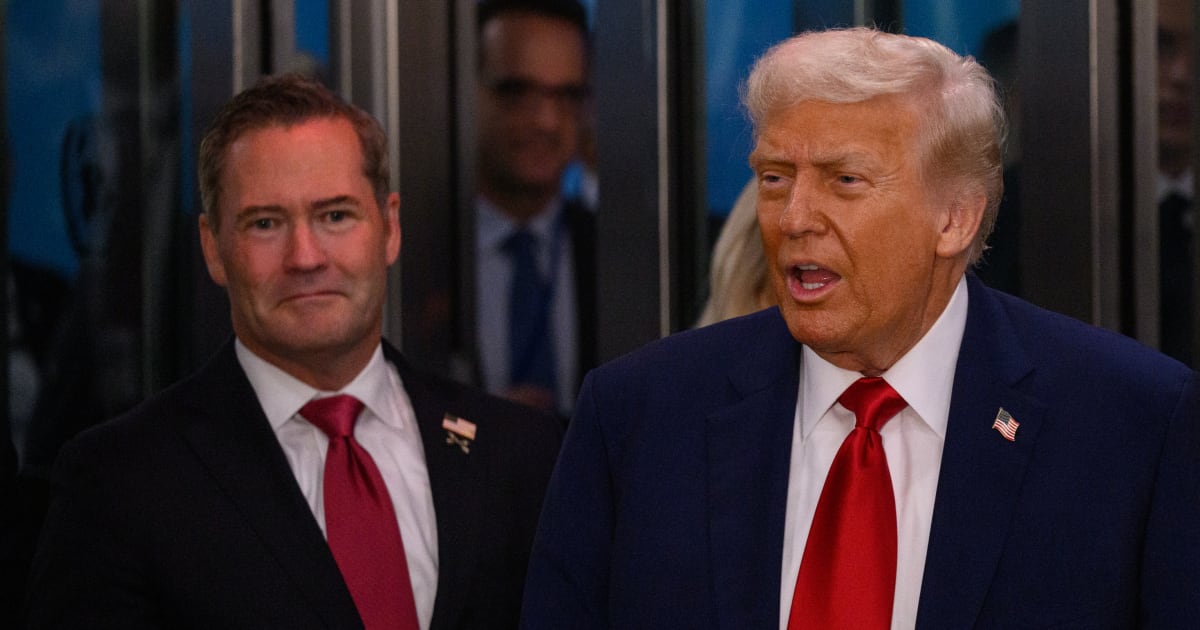
WASHINGTON, DC: US Ambassador to the United Nations Mike Waltz defended President Donald Trump’s rejection of Iran’s seven-day ceasefire proposal, calling it a “pretty cynical attempt” to secure concessions.
The proposal would have reopened the Strait of Hormuz and restarted nuclear negotiations in exchange for Washington lifting its naval blockade and easing financial restrictions.
Waltz and Iranian Foreign Minister Abbas Araghchi discussed the rejected plan Sunday, September 27, during separate interviews on NBC’s ‘Meet the Press’.
WELKER: If the president doesn't think this deal is good enough, what deal does he want? What would he accept?
— Aaron Rupar (@atrupar) September 27, 2026
MIKE WALTZ: Well, I'm not going to negotiate in public for the president
WELKER: But why not give a ceasefire an attempt?
WALTZ: Look, this was I think a pretty… pic.twitter.com/f2mBR598lj
Mike Waltz says Iran sought billions in frozen assets
Waltz argued that Iran’s proposal demanded too much from the United States before negotiations could resume, including access to frozen funds and the lifting of sanctions.
“With this offer came a request to have access to billions in frozen funds, came a request for the lifting of sanctions,” Waltz told host Kristen Welker.
He said the sanctions were international measures, not just American restrictions, and pointed to seven United Nations Security Council resolutions concerning Iran’s nuclear program over the past two decades.
Waltz also cited the International Atomic Energy Agency’s referral of Iran to the Security Council the previous week, saying Tehran had failed to allow appropriate inspections and oversight of its uranium enrichment.

He questioned why Iran needed to enrich uranium to 60%, describing it as a pathway to a nuclear weapon.
He also accused Tehran of pursuing a nuclear program while attacking international shipping.
The ambassador said the administration had little confidence in the latest offer because an earlier memorandum of understanding had been followed by attacks on international shipping, according to his account.
“A pretty cynical attempt to put something on the table that they knew was unacceptable,” he said.
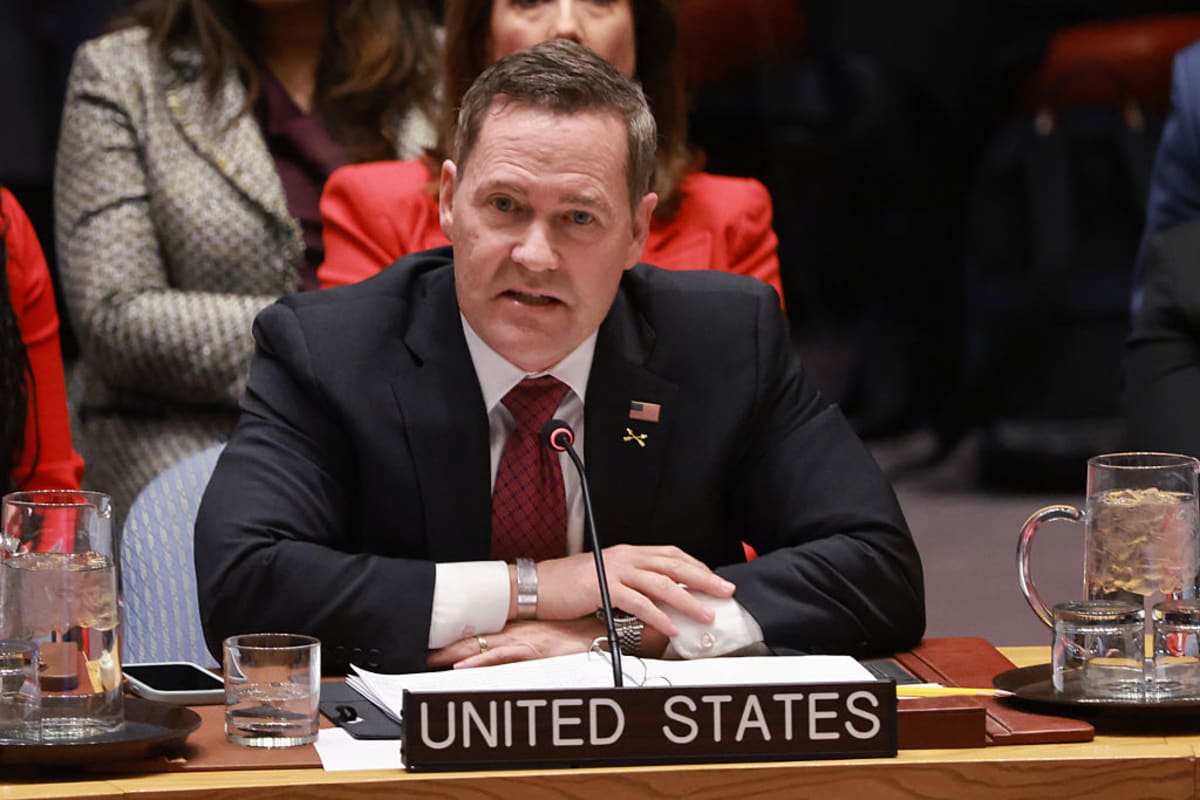
He added: “I think it’s kind of common sense that the president doesn’t have a lot of confidence this time.”
Waltz said that Trump would leave all options on the table, while maintaining that the president wanted an arrangement to end the conflict.
Abbas Araghchi challenges Washington over rejected proposal
Iranian Foreign Minister Abbas Araghchi disputed Waltz’s characterization of the proposal in a separate interview on ‘Meet the Press’ and said it offered a practical path toward restoring normal life in the Persian Gulf and the Strait of Hormuz.
He argued that the United States had not provided a convincing explanation for rejecting the plan, which required Washington to release frozen Iranian assets, lift its blockade and allow Iran to sell oil.
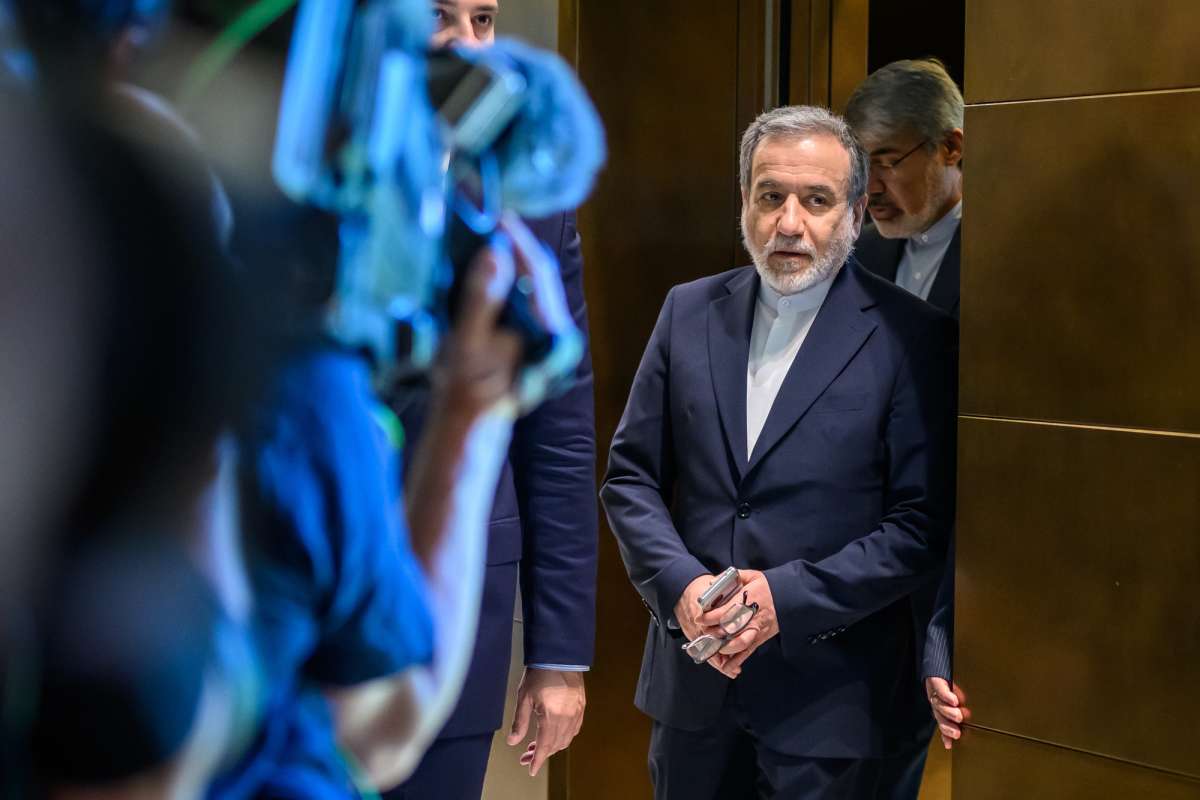
“Our proposal is very clear. We are ready to open the Strait if certain things are done by the US,” Araghchi said.
The foreign minister accused Washington of repeatedly abandoning negotiations after Iran agreed to engage.
He cited talks in 2025, negotiations in February 2026 and a subsequent agreement that he said the United States violated.
Despite his criticism, Araghchi said he remained willing to negotiate and was waiting for an official response through mediators.
“We are ready to negotiate as much as we are ready to face any challenge,” he said.
Iran’s FM: Iran Is Ready For Diplomacy AND War
— Ryan Rozbiani (@RyanRozbiani) September 27, 2026
FULL INTERVIEW: Iranian Foreign Minister Abbas Araghchi lays out Iran’s 7-day Hormuz proposal and says Iran is still waiting for Washington’s official response through mediators.
“We have no reason to come back to diplomacy and… https://t.co/fAJ9D55Ere pic.twitter.com/gCgksTDJgt
He also described the seven-day plan as a way to build confidence before addressing the nuclear dispute in later negotiations.
Iran says it is prepared for renewed fighting amid Trump’s threat
Araghchi said Iran was preparing for the possibility of renewed US military strikes after The Wall Street Journal reported that Trump expected bombing to resume after the November midterm elections.
“We are fully prepared for the war to be resumed,” he said, adding that Tehran had changed its tactics after previous fighting.
Waltz declined to confirm the report, describing it as anonymous reporting and reiterating that Trump would keep military options available.
The foreign minister also defended Iran’s enrichment of uranium to 60%, arguing that it was legal under the Nuclear Non-Proliferation Treaty and intended for peaceful purposes.
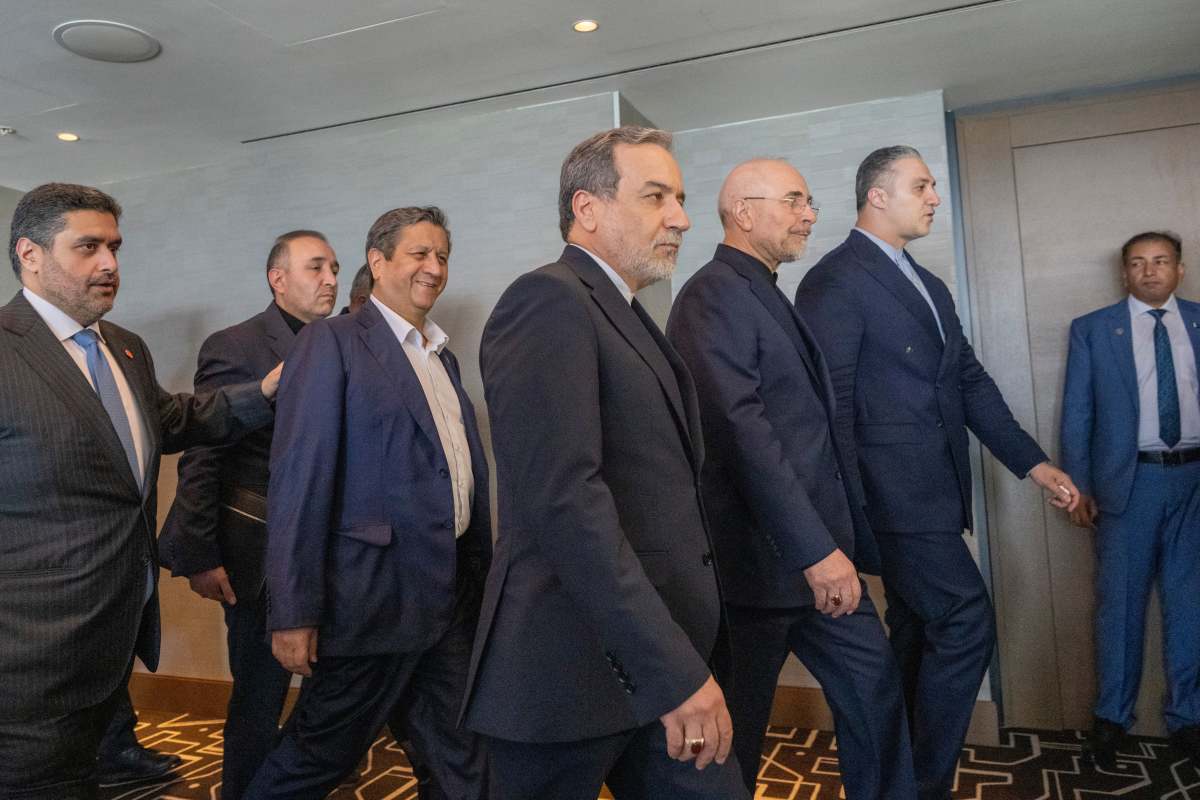
When Welker asked whether the United States could take the enriched uranium to end the war, Araghchi said Iran had previously offered to address the material during negotiations.
He maintained that diplomacy remained possible, but said Washington would have to demonstrate its willingness to reach an agreement.