US Ambassador to UN Mike Waltz calls Trump ‘president of peace’
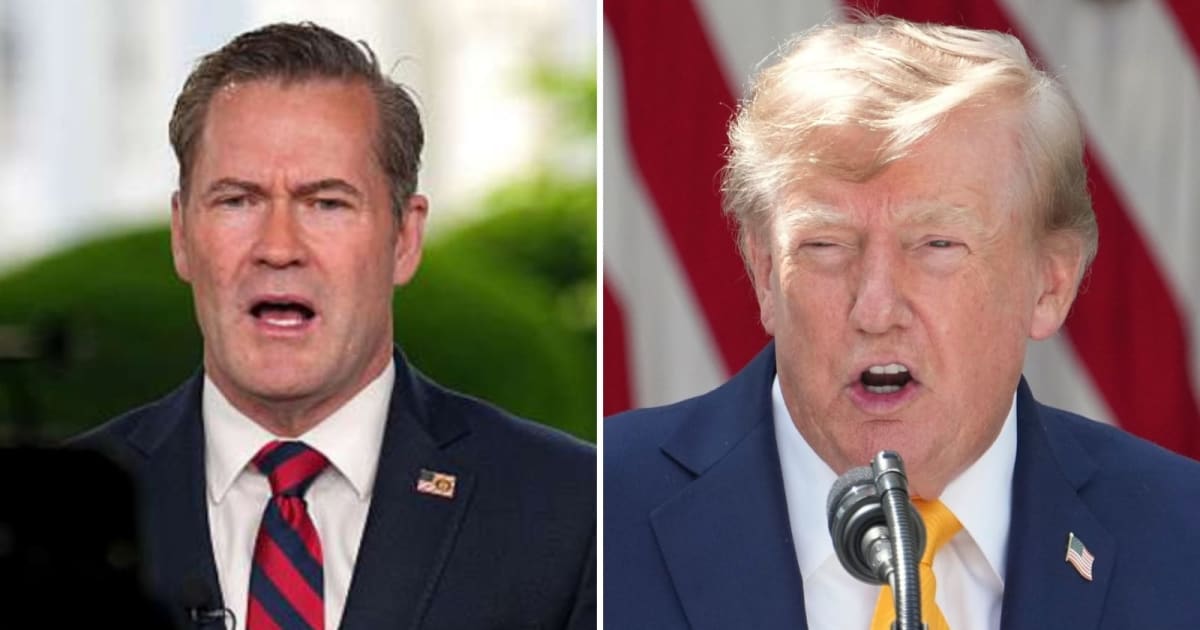
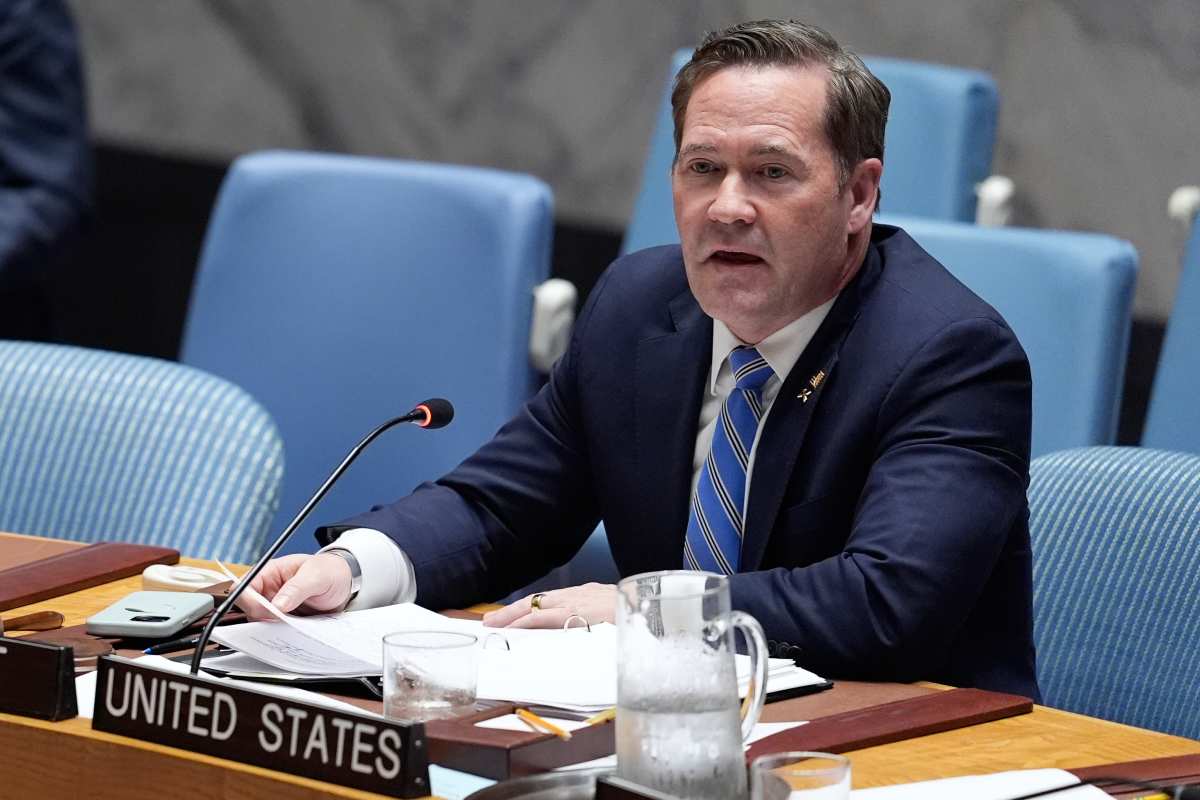
WASHINGTON, DC: Michael Waltz, the US Ambassador to the United Nations, called President Trump “a president of peace.”
He said Trump puts diplomacy first and sees real value in using the UN for open dialogue, even as tensions with Iran keep rising. Waltz talked about how the administration zeroes in on isolating Iran through economic means, insisting that diplomacy and organized pressure sit at the heart of Trump’s strategy.
Economic pressure campaign against Iran
"President Trump is a president of peace. He puts diplomacy first. And you need one place in the world where everybody can at least come and talk," Waltz said, adding that as a former soldier, he tells his team that using words instead of bullets is a sign they remain on the right track.
🇺🇸 Waltz calls Trump a president of peace:
— Mario Nawfal (@MarioNawfal) August 30, 2026
"President Trump is a president of peace, he puts diplomacy first, and you need one place in the world where everybody can at least come and talk.
As a former soldier, I tell my team all the time, if we're using words and not bullets,… https://t.co/IseXDddPYe
He said, "As a former soldier, I tell my team all the time, if we're using words and not bullets, then we're on the right track."
Waltz didn’t mince words; he said Iran’s economy is struggling badly. The currency keeps collapsing, inflation is spiraling, foreign reserves are running dry, and there are reports of people rushing to withdraw their money from banks.
At the United Nations, the US plans to make it clear: countries have to pick a side, the US or Iran.
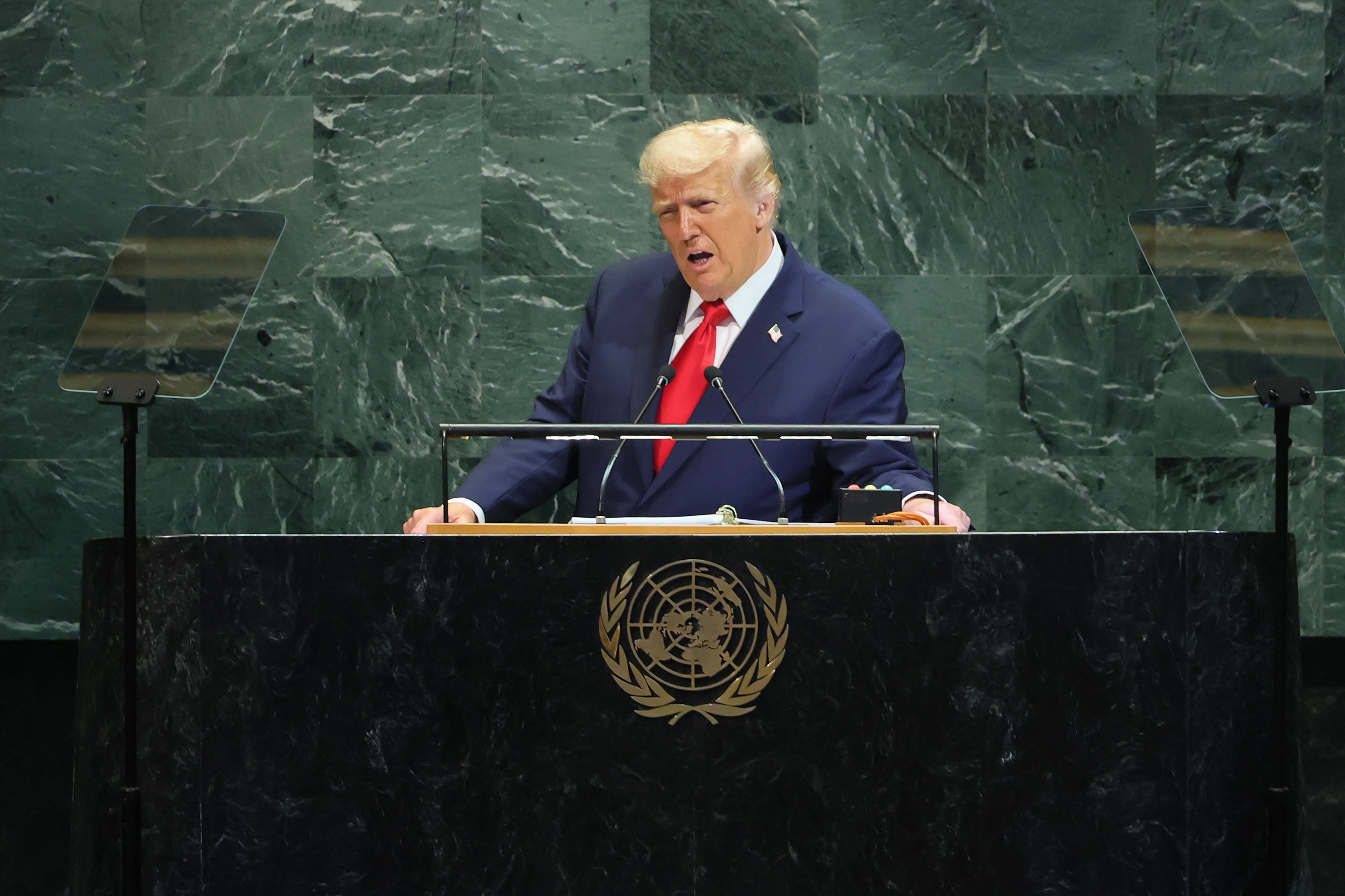
Waltz said, "Their currency is tanking, inflation is out of control, there's runs on their banks. The message is you're either against us or you're with us, and you don't want to be siding with Iran right now. You can put sanctions in place, but you have to actually enforce them.”
🚨🇺🇸🇮🇷 UN Ambassador Waltz delivers the ultimatum framing for the sanctions campaign:
— Mario Nawfal (@MarioNawfal) August 30, 2026
"Their currency is tanking, inflation is out of control, there's runs on their banks.
The message is you're either against us or you're with us, and you don't want to be siding with Iran right…
Waltz pointed out that worries about Iran's nuclear and missile programs aren’t just an American issue.
He mentioned that the United Nations Security Council has passed dozens of resolutions demanding Iran stop developing nuclear weapons and long-range missiles. He also brought up last year’s snapback sanctions, saying they pulled much of the international community back in line with the broader effort to pressure Iran through sanctions.
Enforcement, not just sanctions, is the goal
Waltz stressed that sanctions on their own don't work unless the US enforces them consistently.
The next step, he said, isn’t just issuing new penalties; it’s going after the banks, financial institutions, and shell companies that help Iran slip past current restrictions.
Some US allies have turned a blind eye to this before, and Waltz called on them to step up. Only with tighter coordination, he argued, can they finally shut down the economic channels Iran still uses.
“There have been dozens of UN Security Council resolutions saying Iran cannot have a nuke, cannot have ballistic missiles to terrorize the world, and that we actually had last year snapback sanctions for where the rest of the world got back on board with our sanction regime,” Waltz said. “You have all of these institutions and banks and shell companies that, frankly, even some of our friends have turned a blind eye on.”
These remarks land as the US and its allies ramp up economic and diplomatic pressure on Iran after the latest military flare-ups involving Iran, Israel, and the United States.
Waltz’s statement fits into the administration’s broader approach, tough economic moves paired with a focus on diplomacy, especially through groups like the United Nations.