Lawmakers who weren't there to vote land Biden-era $1.7 trillion law in constitutional trouble
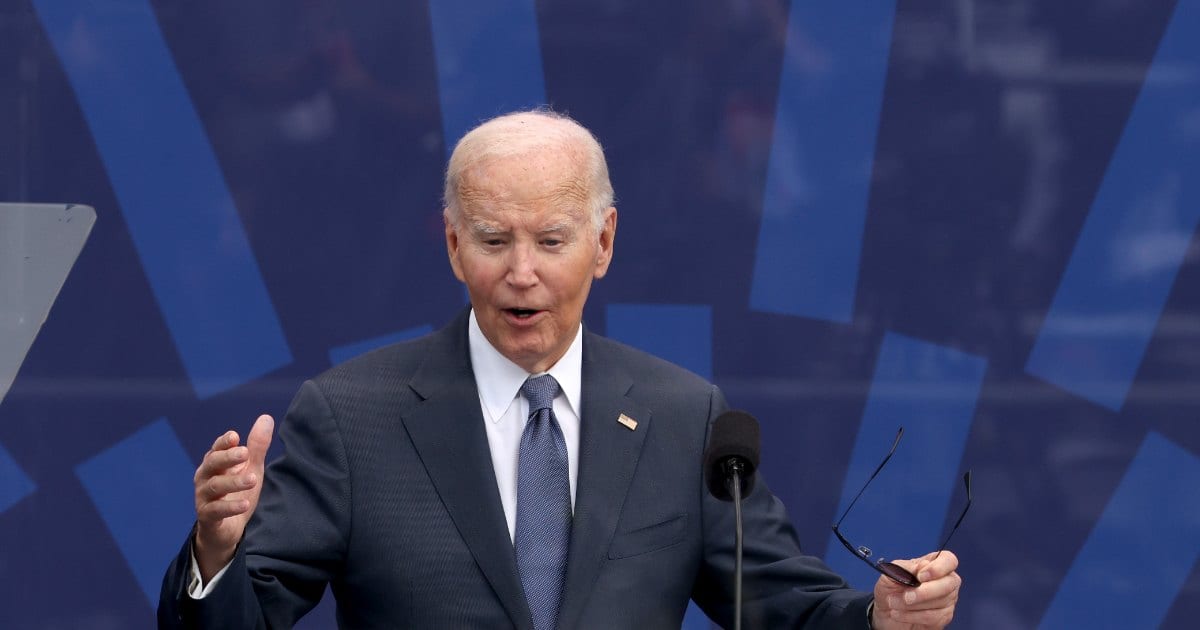
WASHINGTON, DC: A federal appeals court on Friday, November 20, dismissed a former President Joe Biden-era spending law because many lawmakers voted in place of their colleagues.
Notably, lawmakers were allowed to cast proxy votes for the law passed in 2022 because of the type of system in practice due to the deadly coronavirus infection.
Court rules Covid proxy votes broke the Constitution
In an 9-8 ruling, a federal appeals court, while dismissing the Joe Biden administration-approved $1.7 trillion omnibus bill, observed that proxy votes do not count toward a quorum under a clause in the US Constitution governing congressional meetings.
NEW: In a 9-8 vote, the en banc Fifth Circuit held that the House of Representatives violated the Constitution by counting absent members toward a quorum through proxy voting when passing a major 2023 spending law. https://t.co/mHFphy5ZtH
— SCOTUS Wire (@scotus_wire) November 21, 2026
Hence, the law was unconstitutional due to the method used to clear it from Congress.
Notably, a US district court judge made the same ruling in 2024.
The bill passed the House in December 2022 with a 225-201 vote, with one member voting present.
The court noted that 226 lawmakers voted by proxy during the vote.
A divided court clashes over the Quorum Clause
In the majority opinion, Judge Cory Wilson, a Trump appointee, wrote that the government had not established "the existence of an emergency" when the House adopted proxy voting.
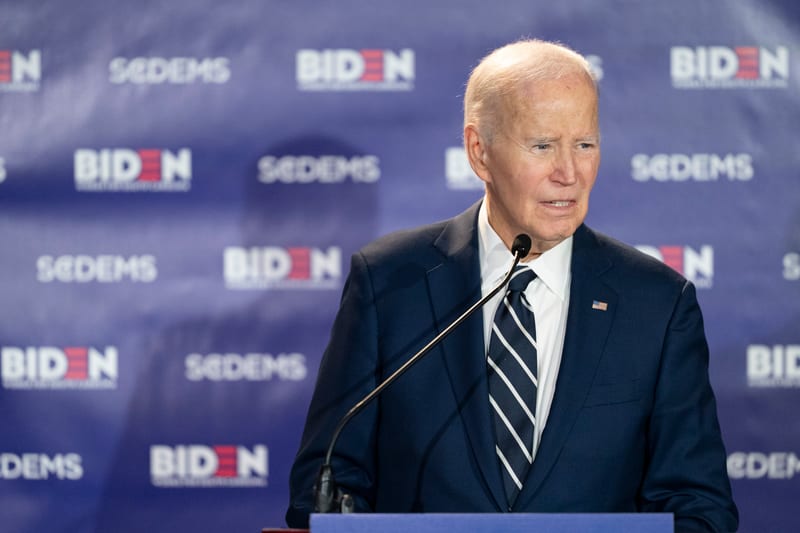
In his dissent, Judge James Graves Jr, an appointee of former President Barack Obama, argued that no lawmaker had objected to the lack of a quorum during the vote, even though fewer than half of the members were physically present.
He also disagreed with the majority's reading of the Constitution's “Quorum Clause.” He said requiring lawmakers to be physically present added a condition that the Constitution did not set.
Why the ruling could reach beyond Texas
The Friday ruling has caused concerns that a ruling against the law’s passage would have broad ramifications, affecting other bills that were passed with proxy votes.
The law in question also played a role in setting up the Texas workplace law.
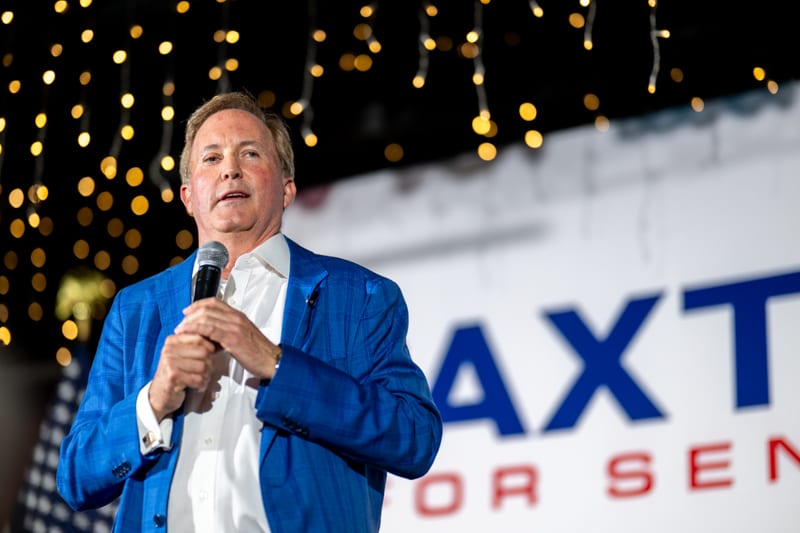
Texas Attorney General Ken Paxton, who recently lost his bid for the US Senate, filed the case in 2023 seeking to block the Pregnant Workers Fairness Act from being enforced in the state.
The law requires some employers to provide certain accommodations to pregnant workers. Friday's ruling granted Paxton's request.
While the case focused on the Pregnant Workers Fairness Act, the 2022 spending bill covered much more. It also funded key government operations across federal agencies, provided roughly $45 billion in emergency aid to Ukraine and NATO allies and allocated around $40 billion for natural disaster relief.