Sudden shift on Iran front as Trump open to sanctions relief for key war objective
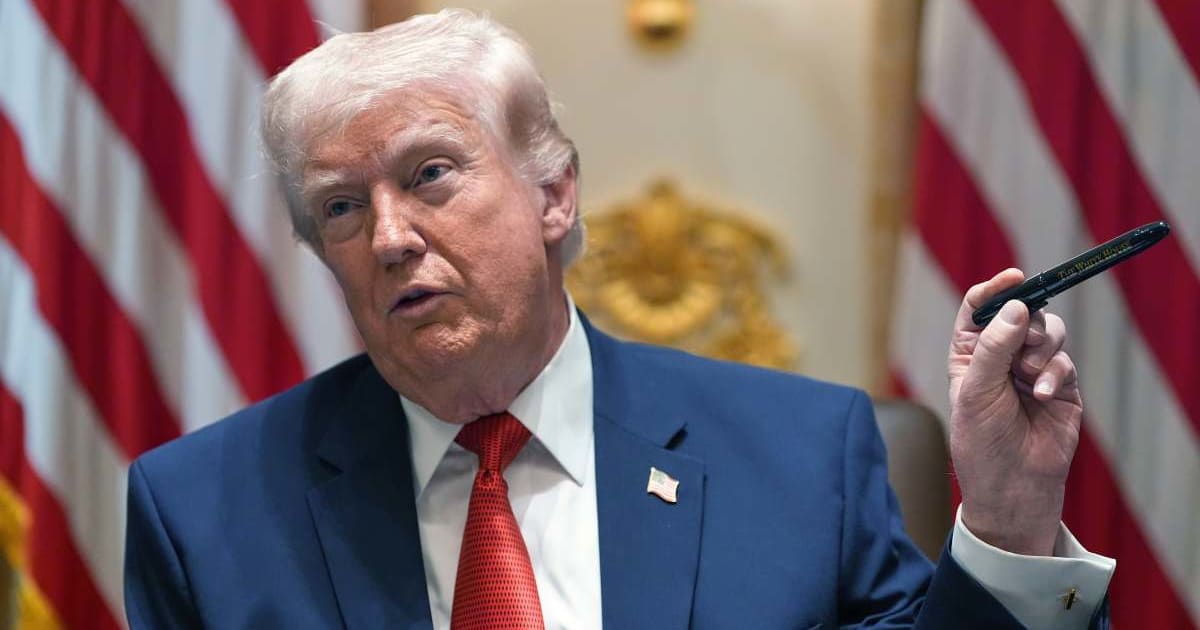
WASHINGTON, DC: In a new development in Washington’s efforts to negotiate an end to the conflict with Iran, the Trump administration is contemplating offering sanctions relief to the Islamic country.
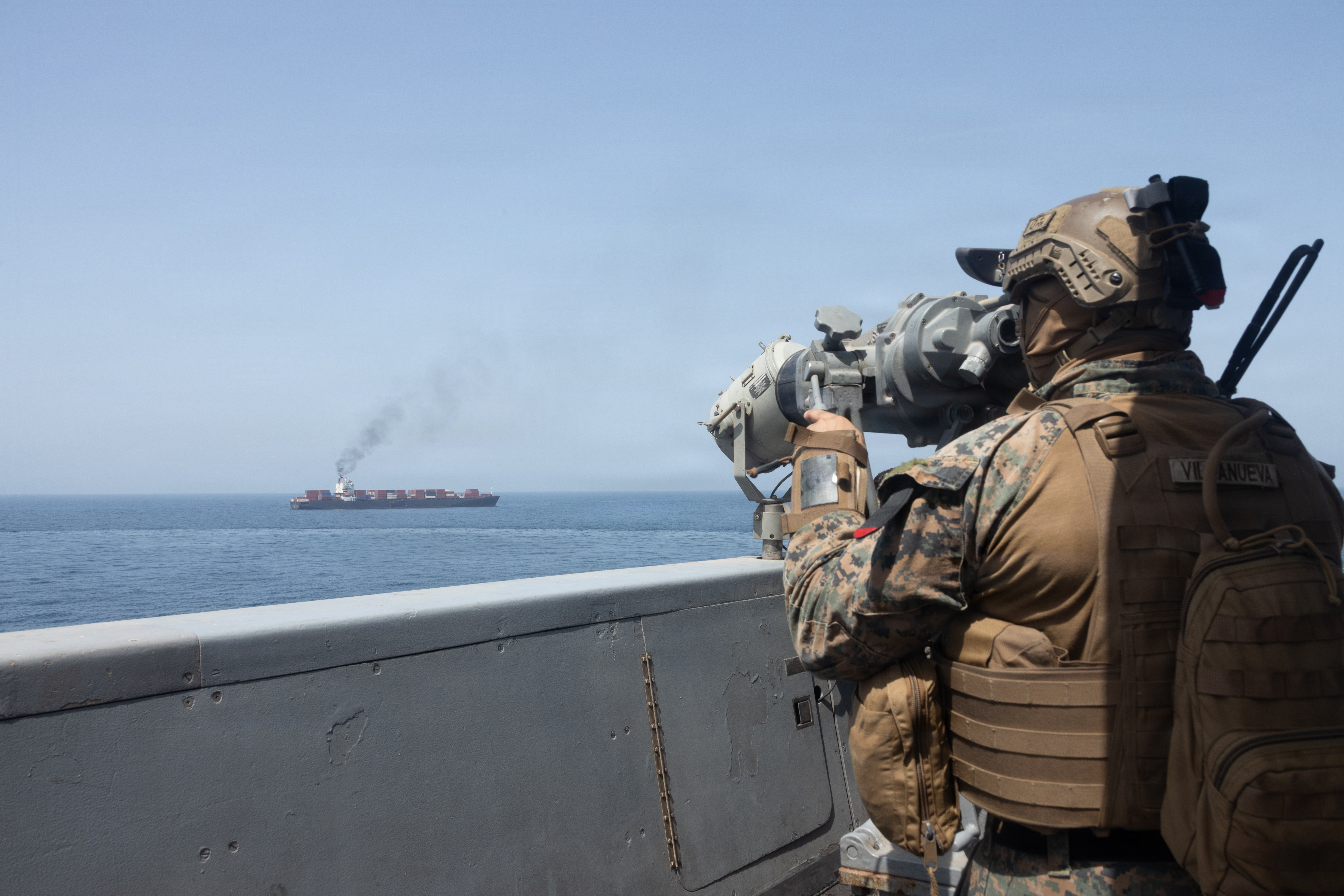
Over the weekend, Iran pitched a fresh 7-day truce offer via Qatari mediators. Iran offered to reopen the strategic Strait of Hormuz to global shipping within seven days. In exchange, they demanded that the US lift its naval blockade, waive oil sanctions, and release billions in frozen assets.
However, President Trump publicly rejected the proposal while reiterating that any agreement must address Iran’s nuclear program.
Trump ready to give Iran sanction relief for ‘concrete’ nuclear deal
As back-channel diplomacy to revive negotiation talks between the parties continues, a US official on Monday, September 28, told CNN that President Donald Trump is willing to give Iran sanctions relief and release frozen funds for “concrete progress” on a nuclear deal.
The United States is having “positive and constructive discussions through the mediators,” the official said, adding that there will be no deal if the demands on nuclear weapons aren’t met.
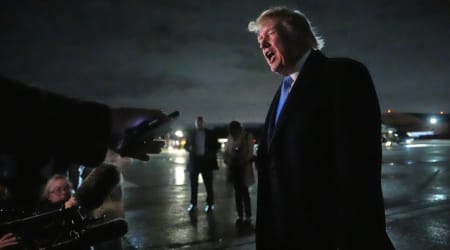
"I'd like to make a deal, too," President Trump said Saturday. "But that deal would not be acceptable."
According to the official, Iran has indicated they are flexible on nuclear issues, but both sides have not reached an agreement on the timing of the commitments.

The official said that special envoy Steve Witkoff, Jared Kushner, Vice President JD Vance and Secretary of State Marco Rubio are leading the talks on the US side.
Mike Waltz reveals why Trump rejected Iran’s proposal
Trump told Axios on Sunday, September 27, that he expected talks with Iran to resume this week, insisting again that the Islamic Republic is "losing badly" and is desperate for a deal.
Former House representative and US Ambassador to the United Nations Mike Waltz on Sunday, September 27, told CNN that Trump rejected the proposal because he did not believe Iran was negotiating in good faith, arguing that it was unacceptable that Tehran was “asking for everything up front.”
“The bottom line is they were asking for everything up front with a promise that they would then talk,” Waltz said on “State of the Union.”
“They want to make a deal, but it is not the deal that I want to make,” the president said. “It is what we would have maybe agreed to a year ago. They overplayed their hand.”
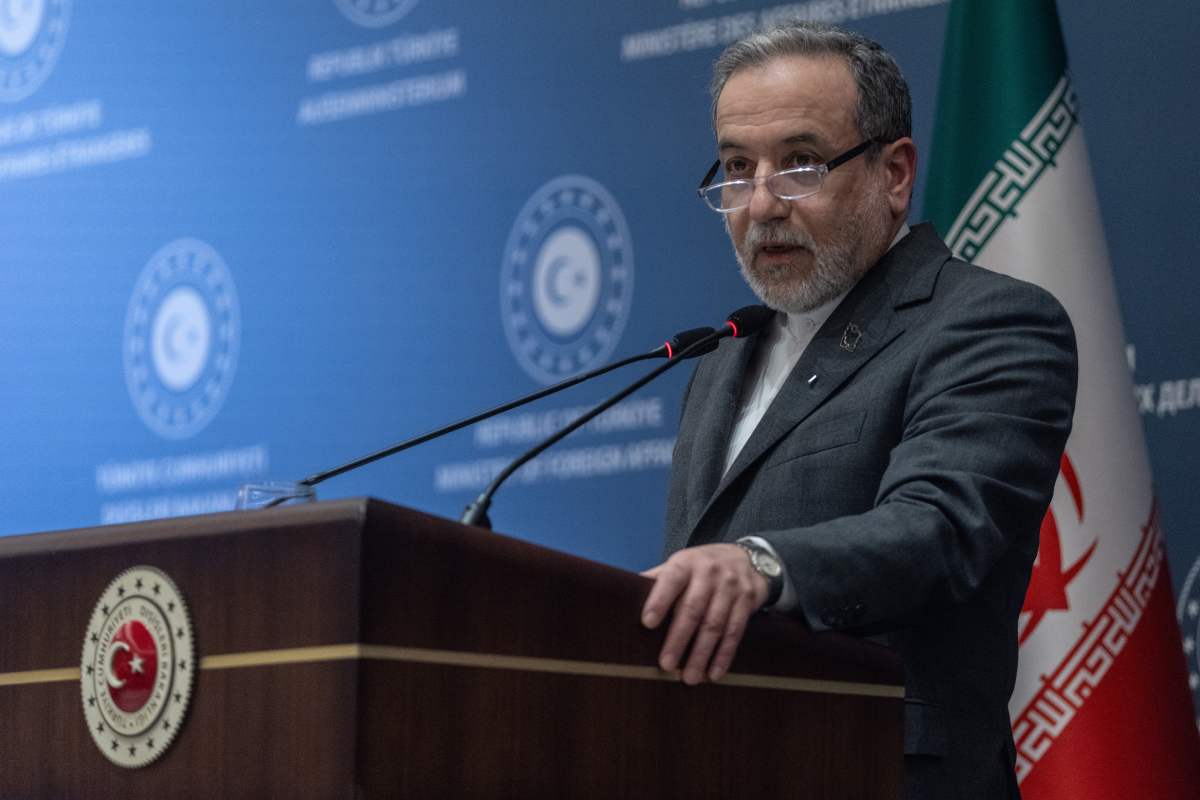
Iranian Foreign Minister Abbas Araghchi said Sunday that Tehran is "fully prepared for the war to be resumed," and also for the possibility of renewed diplomacy with the US. Araghchi said it's "up to President Trump to choose."