Trump DOJ dealt blow over journalists’ LinkedIn data as White House weighs arrest plan to stop leaks
WASHINGTON, DC: In a setback to the Trump administration’s efforts to expand its investigation into confidential information leaks, a federal appeals court on Tuesday, November 10, ruled that the government’s request for journalists’ LinkedIn records was too broad and must be narrowed.
The development comes amid a report that the Trump administration is weighing a plan to arrest journalists to force them to reveal the identities of their sources.
Appeals court restricts Trump admin’s access to journalists’ LinkedIn data
A three-judge panel of the Fourth Circuit Court of Appeals ruled against the Trump administration’s broad request for journalists’ LinkedIn records as part of a national security investigation, warning that such access could impart a “damaging blow” to First Amendment rights.
The ruling, written by Reagan appointee Judge J. Harvie Wilkinson, noted that the DOJ’s demand for journalists’ private LinkedIn records as part of a national security investigation could expose their sources’ identities and, in turn, hinder future reporting on “governmental behavior of dubious legality and integrity.”
The court also noted that the government’s request must be narrowed. With this judgment, the DOJ’s effort to obtain records connected to an unidentified news outlet’s reporting on “a top-secret United States military operation in a foreign country” has been affected.
“Press freedom is among those things viewed by autocrats worldwide as a threat to their grip on power,” Wilkinson wrote.
“Criminal prosecutions freed from partisanship and retribution, a fearless and independent judicial system, and a secure and accessible electoral process all serve to supplement press freedom in distinguishing liberty from oppression.”
Court respects admin’s national security probe but says request is too broad
Wilkinson, in the ruling, wrote that the court respects the federal government’s desire to investigate leaks tied to national security concerns. However, he said, “respect does not translate into license to round up” journalists’ private information for that purpose.
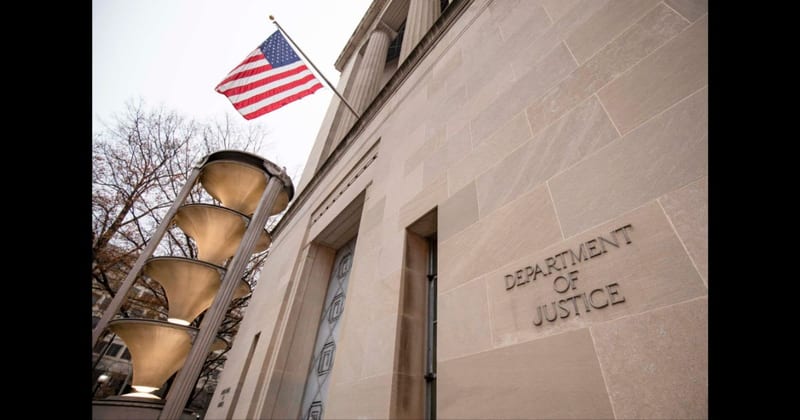
“Our review of this order persuades us that, in its present form, it is substantially overbroad,” he wrote.
Trump administration prosecutors asked LinkedIn to supply them with 18 months’ worth of records relating to certain journalists’ activity on the platform.
Notably, the DOJ also obtained an order from US District Judge Elizabeth Hanes, restricting the platform from informing the concerned journalists that that the government was seeking their records.
LinkedIn challenged the order, stating it would impact its ability to communicate with its users. Wilkinson wrote that, while the order might “catch sources relevant to the government’s investigation,” it would also unveil confidential sources.
Trump admin weighing arresting journalists
Confidential information being leaked to journalists has been one of the major headaches of the Trump administration. So, various “tactics” have been discussed, including arresting journalists to push them into revealing their sources.
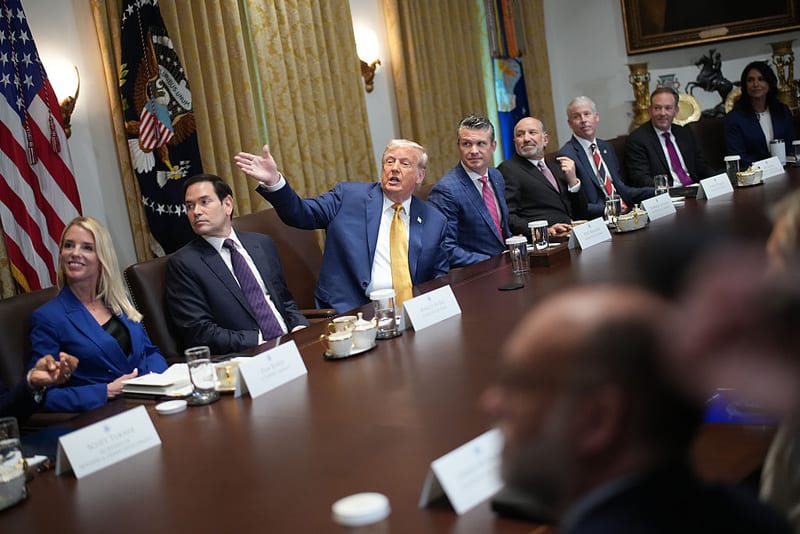
An Atlantic report on Susie Wiles’ departure from the White House as a chief of staff revealed that officials had discussed arresting journalists as one possible tactic to force them to disclose their sources. The report said Stephen Miller supported the idea, while Wiles pushed back. However, a DOJ spokesperson denied the report, calling it “absolutely false.”