Judge restores CNN, MS NOW and Politico’s White House access over First Amendment concerns
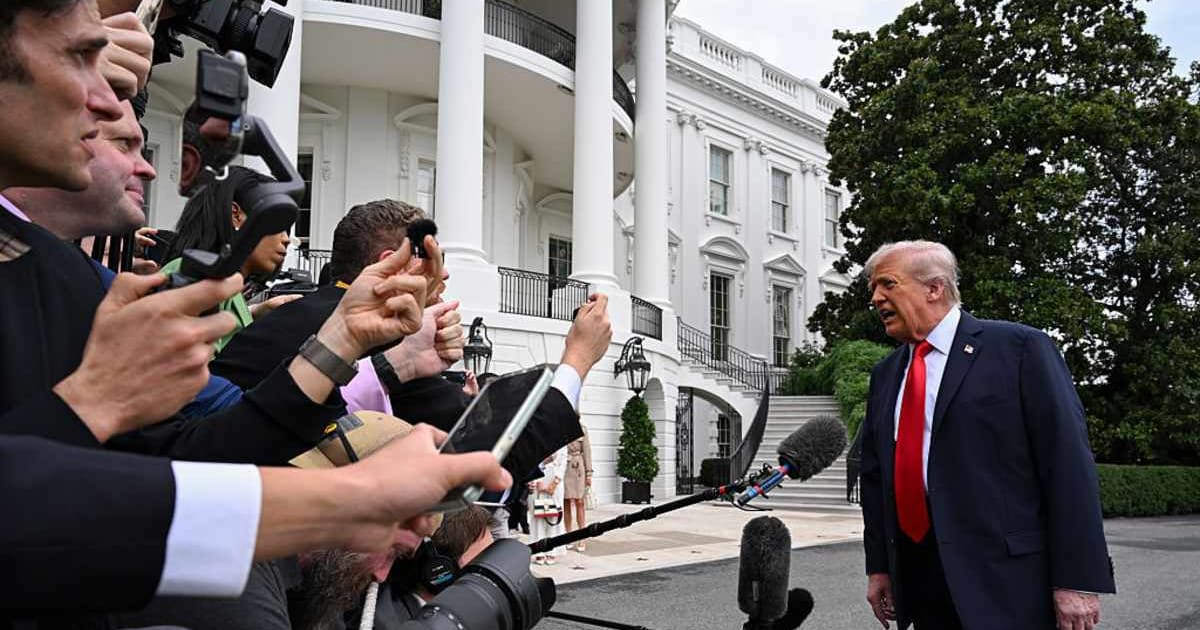
WASHINGTON, DC: A federal judge has restored White House access for journalists from CNN, MS NOW, and Politico after the Trump administration revoked their press credentials. US District Judge Timothy Kelly ruled that the decision likely violated the journalists' constitutional rights.
He issued a preliminary injunction on Tuesday, allowing reporters from the outlets to continue covering the White House while their lawsuit proceeds.
Judge Kelly found that the journalists had a strong case, particularly because the administration's actions appeared to violate their First and Fifth Amendment rights.
Judge restores CNN, MS NOW and Politico access
US District Judge Timothy Kelly, who was appointed by President Donald Trump, granted the outlets' request for a preliminary injunction, which will remain in effect while the case proceeds.
🚨 WASHINGTON, D.C.: TRUMP-APPOINTED FEDERAL JUDGE BLOCKS WHITE HOUSE BAN ON FAKE NEWS CNN, POLITICO AND MS NOW — PRESS ACCESS RESTORED AS LEGAL BATTLE CONTINUES. A federal judge appointed by President Donald Trump has extended an order preventing the White House from excluding journalists from CNN, Politico and MS NOW, finding that the news organizations are likely to succeed in their constitutional challenge. U.S. District Judge Timothy Kelly issued the latest ruling Tuesday, October 13, extending protections first granted in September. KEY DETAILS: ▪️ THREE NEWS OUTLETS: CNN, Politico and MS NOW challenged Trump’s September 18 decision to revoke their White House press credentials. ▪️ TRUMP-APPOINTED JUDGE: Judge Timothy Kelly, nominated to the federal bench by Trump in 2017, ruled against the administration’s effort to continue excluding the journalists. ▪️ FIRST AMENDMENT: The news organizations argue that the government cannot punish reporters for unfavorable coverage or exclude them based on their viewpoints. ▪️ FIFTH AMENDMENT: The court also identified due-process concerns because the administration revoked press access without providing appropriate notice or an opportunity to challenge the decision. ▪️ NATIONAL SECURITY DEFENSE: White House attorneys argued that the restrictions were justified by concerns involving inaccurate reporting and the disclosure of sensitive or classified information. ▪️ COURT REJECTS CURRENT JUSTIFICATION: Judge Kelly found the administration had not sufficiently supported its claims that restoring the journalists’ access would endanger national security. ▪️ ACCESS RESTORED: The ruling protects the outlets’ ability to access White House grounds while litigation continues. It does not guarantee admission to every presidential event or press pool. ▪️ NO FINAL VERDICT: The court has not issued a final judgment resolving every constitutional question, and the administration may continue challenging the restrictions. THE BROADER QUESTION: Presidents have substantial authority over White House operations, security and access to presidential events. But does that authority extend to revoking a news organization’s credentials because the president objects to its reporting? The administration argues that press access is not unlimited and that national security and journalistic conduct are legitimate considerations. The news organizations maintain that the White House cannot selectively exclude reporters in retaliation for critical coverage. The court’s latest ruling keeps the journalists’ access in place while those arguments proceed through the legal system. THE ACCOUNTABILITY QUESTION: Where should courts draw the line between the president’s authority to manage White House security and the constitutional protections afforded to journalists covering the federal government? SOURCES: CNN, October 13, 2026; Associated Press, October 13, 2026; Reuters, September 24–25, 2026.
— MDBayNews (@MDBayNews) October 14, 2026
In a 26-page decision, Kelly found that revoking the journalists' White House hard passes likely violated their First and Fifth Amendment rights.
"It is likely that President Trump's revocation of Plaintiffs' hard passes is the sort of action that would deter a reasonable reporter or news organization from publishing stories to which he objects," Kelly wrote in his decision.
"The revocation of Plaintiffs' hard passes matters a lot as to how, whether, and to what extent they can do their jobs." Several news organizations accused President Trump's administration of punishing them for publishing stories he disliked.
The White House pushed back, saying its actions were intended to uphold journalistic standards, address alleged inaccuracies, and protect national security.
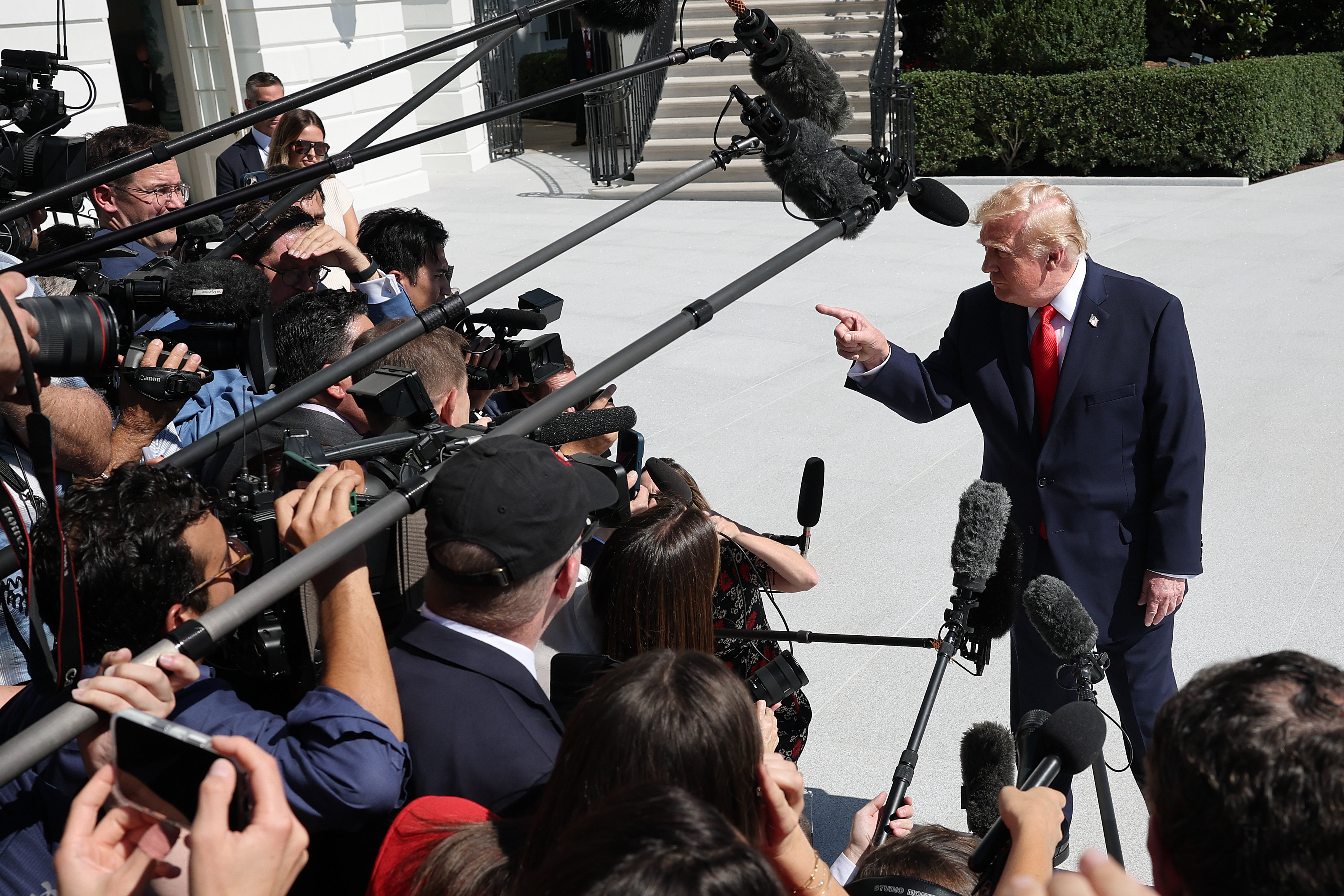
The ruling does not resolve the entire lawsuit but allows the reporters to continue covering the White House while the case moves forward.
The judge said Mr Trump's comments "suggest that he intended the revocation of Plaintiffs' hard passes to alter their reporting on him, bolstering the case that his action here is sufficient to deter a reporter of ordinary firmness from reporting in the same way she had before."
The news organisations sued the administration on September 21, shortly after it announced the restrictions and blocked their reporters from entering the White House grounds. They subsequently asked Judge Kelly to restore their access while the lawsuit proceeded.
Their attorney, Theodore Boutrous, welcomed the ruling, pointing out that the president had openly acknowledged targeting the outlets because he disliked their reporting. The administration continues to defend its actions, meaning the legal battle is far from over.
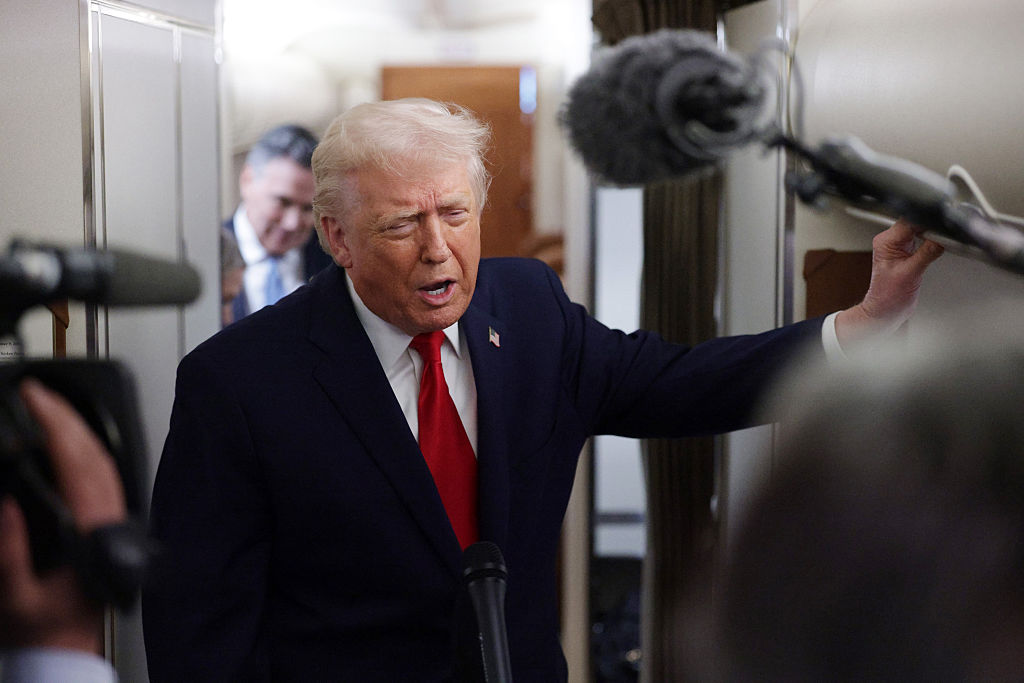
Trump administration defends White House press ban
The Trump administration argued that the restrictions were justified because the outlets had crossed professional boundaries and published stories that threatened national security.
The White House also provided lists of articles it claimed contained false information or endangered the country. However, Kelly found weaknesses in those arguments.
He noted that Trump initially announced the ban by criticising what he called fake news without mentioning national security. The judge also observed that some of the articles flagged by the White House had not been written by journalists who held White House hard passes.
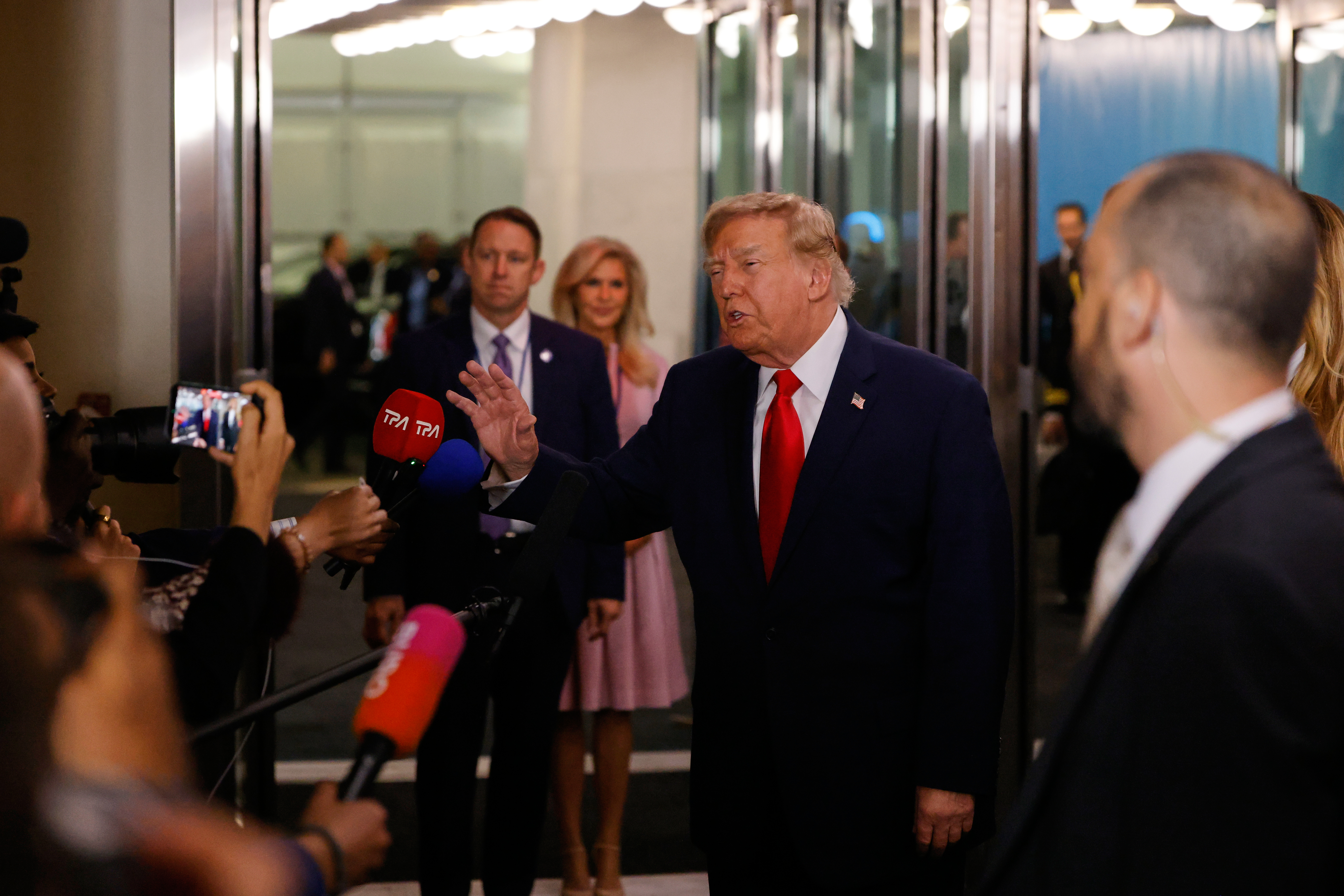
The White House provided the outlets with lists of articles it said "threatened national security and/or spread falsehoods." However, most of the articles were written by journalists who did not hold White House hard passes.
This dispute is not the first time the administration has clashed with news organisations over access to presidential events.
Trump previously blocked Associated Press journalists because they refused to use his preferred terminology for the Gulf of Mexico.
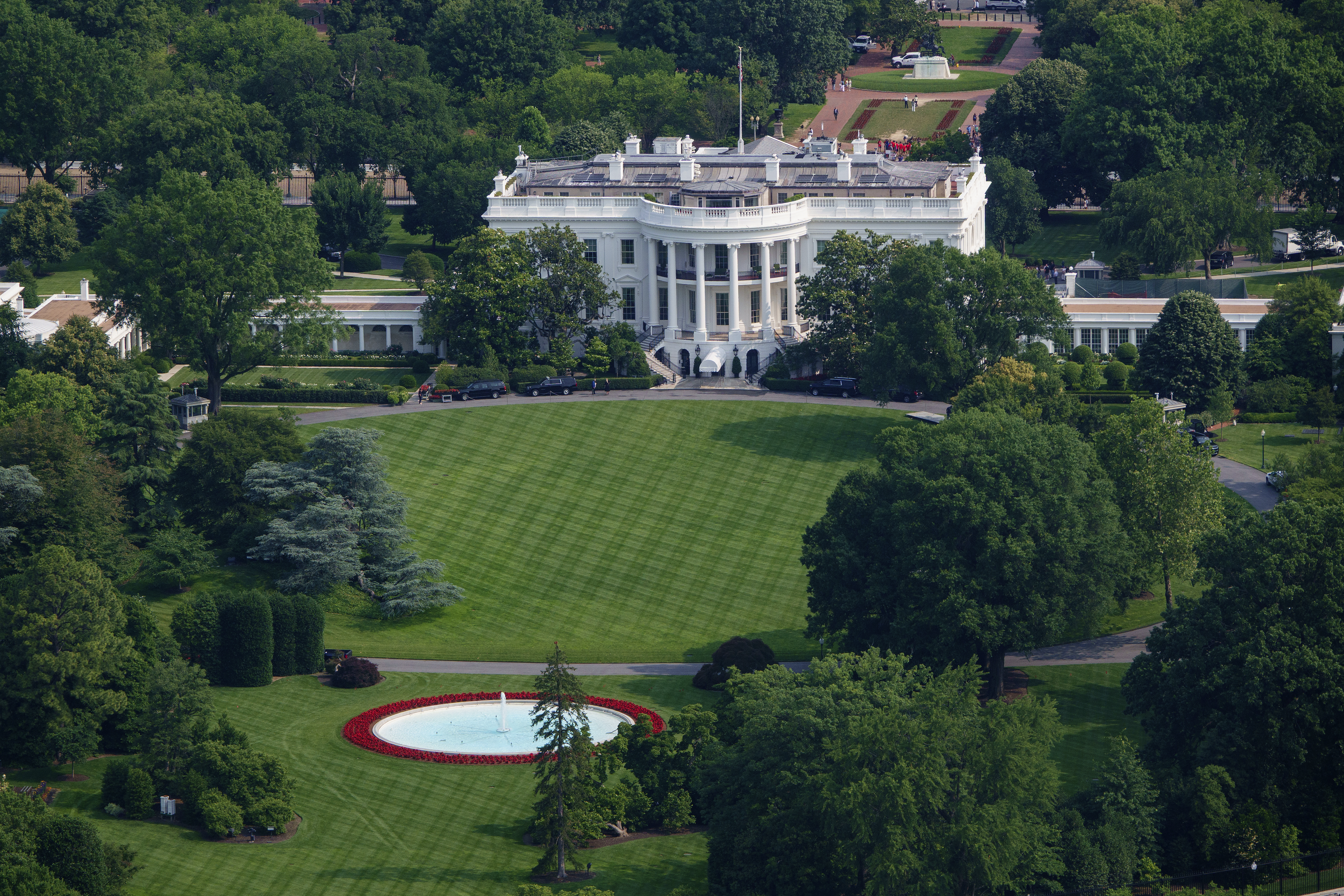
Under the latest ruling, journalists from CNN, MS NOW, and Politico can continue covering the White House while their lawsuit proceeds.
The preliminary injunction is not a final judgment, and the administration can continue challenging the decision in court.